Key Takeaways
Eliminate unqualified prospects by requiring detailed KPIs before any sales conversation - if they don't know their metrics, disqualify them immediately
Focus Google PPC campaigns on specific pain points like foreclosure or inherited properties rather than generic 'we buy houses' ads for better lead quality
Implement pixel conditioning by sending CRM conversion data back to Google to train algorithms on what leads actually close deals
Track Marketing Qualified Leads (MQL) instead of raw lead count - if only 50% of leads qualify, your actual cost per lead doubles
Create content flywheel by featuring successful clients on podcasts, which attracts JV partners and generates more deals for those clients
Quotable Moments
”“If I'm talking to a client, they don't know what those metrics are. I I I know I should not bring that guy out. Like, I just, like, I it's a fire waiting to happen.”
”“A seller's going through a pain point. They're not gonna sit on Facebook or YouTube and wait for an ad to to to pop up. It's like if your plumbing breaks. Right? Are you gonna sit on Facebook and scroll until you see a plumbing ad? No. You're gonna go on Google and find a plumber near you.”
”“Don't burn bridges that don't need to be burned. There are some times where I've had a business partnership, let's say, just went wrong, and I would just tarnish the entire relationship.”
”“When you bring on the wrong customers, onboarding them is a lot harder. Trust to try and get them onboarded. They expect to become overnight millionaire. And I'm like, oh my goodness.”
About the Guest

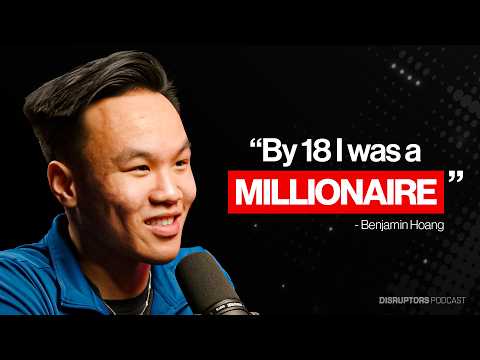
Ben Hoang
Bolt Deals
CEO and founder of Bolt Deals, a digital marketing consultancy for real estate wholesalers. Built a million-dollar business before graduating high school at age 15. Generated $15M+ in assignment fees for clients.
Full Transcript
17531 words
Full Transcript
17531 words
Ben Hoang: I didn't really have a relationship with my anybody in my family. I fully cut them off. You know, if something bad was to happen, I don't think I'll regret this decision of not, talking to my family. One of my mentors, his name is Joe. And he told me the importance of having your father and keeping your family in your life because, you know, my parents will not live forever and I think that, you know, I will eventually regret it.
And, what really turned the needle for me was, I get an email from my dad. Like, that's, like, my dad wasn't even texting me or calling me anymore. It got to the point where he was emailing me, telling me that he got into a, a motorcycle accident. And that scared me. Oh, my God.
It could happen. And that's when I snapped out of it. I'm like, you know what? I I will give this relationship another chance.
Steve Trang: Welcome and thank you for joining us for today's episode of disruptors where millionaires are made. Today, we have Ben Hoang back with Bolt deals and Ben Flynn from Austin to talk about the three hacks you need right now to earn 300,000 a month or more. Guys, I wanna mention create millionaires. The information on this show alone is enough to help you become a millionaire in the next five to seven years. If you will take consistent action, you will become one.
If you're already a millionaire, we wanna recognize you here, so please scan that QR code to let us know. We may even feature you here on this show. Before we jump in, if you're here to learn how real entrepreneurs are building real empires, make sure you hit that subscribe button because every week, we're dropping lessons that create your first or your next million. And right now, you got a 100,000, 250, maybe even more just sitting in your CRM. Resurrect all your old and dead leads with the objection proof AI calling agent text cash to the phone number 33777 now to unlock the money that's just sitting in your CRM.
You ready? Yep. Alright. So a lot has changed. You were here about a year ago.
Mhmm. And a lot a lot has changed in the last year. So let's go ahead and talk about what's changed. We'll start off with the the personal side, and then we'll we'll hit the business side. So what's what's been going on?
Ben: The biggest thing on the personal side, and I I read a lot of the comments from the last podcast.
Steve: And that's sometimes a dangerous thing.
Ben: It it it is. But one of the things that, because when I watch my own podcast again, I'm like, okay. I could see how people would perceive me this way. Because one of the comments that really stuck out to me, and I can't remember who it was, but shout out to them, was like, hey. This guy might get a little bit too far ahead of himself.
Mhmm. So focus on being humbled. Last year definitely humbled me in all aspects of my life for sure. And so doing little things like establishing a better relationship with my family, getting closer with God, my mindset of not only business, but my personal life has got a lot better. The biggest issue that I had last year was that I was also working my ass off twenty four seven, three sixty five, basically.
And it got to a point where I don't wanna see burned out because I feel like saying that I burned out was like a I don't know if I could swear, but a loser term. Mhmm.
Steve: But I
Ben: started to prioritize doing other things outside of work. Right? So I started finding hobbies like, you know, one of my dreams growing up was to become a pilot. So now I'm a student pilot. Right?
Going out, hanging out with friends more. Like, that was never a priority. So actually doing things on top of work has definitely made me a lot happier. So yeah.
Steve: It's actually kinda funny because I had you on the show. And, you know, once it went live, there's a marketer I know. I don't know if you met him since. Daniel Neef.
Ben: Daniel who?
Steve: Neef. So maybe not. You haven't met him. So he was he sends me a DM. Right?
He's like, hey, like, I know that kid. He's in my apartment complex. I was like, that's right. You guys you are both in Austin. So, but anyway Really?
Ben: So I
Steve: was like, yeah, it's cool to see that kid. Like, you know, we we bump into each other in the elevator every once in a while, so it's cool to see him on your show. We're in a different marketing mastermind together.
Ben: Mhmm.
Steve: So you talk about, like, the first thing I wanna hit on is that people are commenting and they kinda, like, ate at you a little bit. So I wanna touch on that. Because it's it's one of those things that can really be dangerous. It's like it's a I wouldn't even say it's a little story. Like, I think it's just it's just it can be dangerous.
Mhmm. Like, you wanna receive feedback. You wanna grow. You wanna learn. Right?
And you have to have humility. But at the same time, like, you can also take the information and, like, not spiral, but, like, go in a different direction than what you had originally intended.
Ben: I understand. Yeah.
Steve: So what are your thoughts on that?
Ben: So I agree, but the biggest reason a bit at me is because I knew it was right. Got it. So in the raw version as from what I remember is that he said, this kid is basically, too arrogant. Mhmm. That's probably not what he said, but that's how I perceived it.
I'm like, I I remember which point in the podcast he's talking about. It's the part with me talking about my teachers and my family.
Steve: Mhmm.
Ben: So I remember. I was like, yeah. He's absolutely right about that. And I've realized how that, part of me, that trait that I have of being somewhat arrogant or, not being humble has been in other aspects of my life. Mhmm.
So, like, that's one big thing that I took as feedback. I understand what you're saying when it comes to, spiraling it out of control. But for me, the reason why it bit me was that I knew he was right.
Steve: Yeah. Where else has that impacted you?
Ben: Not being humble and arrogant. I have a lesson that I wrote down for myself last year is and one of that is, don't burn bridges that don't need to be burned. Mhmm. Right? There are some times where I've had a, business partnership, let's say, just went wrong, and I would just tarnish the entire relationship, and I would go out of my way to just because there's a way to where you can just leave it there and just move on from it.
But the mistake I did was just try and tarnish that relationship and ensure that I would never do business with them again. Because I believe that, you know, people are able to change, and maybe one day in the future, he could come back, but the mistake that I made was that I just totally tarnished it. Now for this specific case, I look at that person. I'm like, cool. He's still not in the best spot, so I don't think I would do business with him.
Mhmm. So that's the biggest thing.
Steve: Okay. So now I have to ask Mhmm. How did you bring that bridge?
Ben: I should probably give context. So this person was a pretty big influencer, in Texas. I'll say that because I would tell you the city, you probably know exactly who it is. Mhmm. And I'm not gonna say he hasn't helped me out when it comes to scaling my business.
Like, he's giving me referrals. He's giving me partnerships. And it got to a point where the clients he was referring to me were doing so well that he became a client as well. Uh-huh. But the mistake with that is that I didn't charge him.
And as a result, he would overleverage me and I I don't wanna say my kindness, but, like, our resources for him and his business. And then it got to a point where I was like, hey. I actually wanna charge this guy because he's making a lot of money off of me. That's when things started spiraling downwards. We shut off his campaign, his marketing, so his entire team had zero leads.
Because we were his only source of marketing at the time, and, it just spiraled down from there. I'm like, hey, man. We're never gonna ever gonna work with you again. And, that's the
Steve: Turn off the marketing and turn off the PPC, or were you also funding his marketing?
Ben: The PPC. He was funding the marketing. I Okay. I don't fund the marketing.
Steve: I mean, it seems like there'd be something really simple for him to resolve. But you're saying you just, like, I'm not gonna work your leads at all or I'm not gonna work your campaign at all.
Ben: Correct. Yep. Got
Steve: it. Mhmm. And you're saying that tarnished a relationship? Yep. Got it.
Did you give him an opportunity to fund it or you just, like
Ben: I I asked him. He's one of those guys where he's, like, hey, we'll give you these lead list. He was trying to was it, like, I don't know if freeloading is the right term, but he was like, hey. We'll give you Was
Steve: he trying to barter?
Ben: Yeah. Bartering is the right term. He was like, I'll give you this list. You can do this. You can do I'll give you this and that.
And I was like, I just don't need any of that. I wanna get paid.
Steve: Yeah. So Gotcha. Yeah. And then you said you're saying, like, spending more time with friends and family, which is very different direction we talk about the show. Because this show where you we almost never talk about friends and family.
Yeah. Right? Or faith. We generally talk about, like, business tactics and strategies and so on. Yeah.
So then, I guess, what were, like how was that how how did that help you?
Ben: Getting closer getting closer
Steve: to friends and family.
Ben: So I'll start with my family because that's the easiest one off the top of my head. For me, if you're asking me on the last podcast what my relationship with my family was like, it was non existent. Right? I didn't really have a relationship with my anybody in my family. I fully cut them off.
But I would speak with one of my mentors. His name is Joe. And he told me the importance of and it's crazy sound, but the importance of having your father and of and keeping your family in your life because, you know, he doesn't live. My parents will not live forever, and I think that, you know, I will eventually regret it. And what really turned the needle for me was, I remember, I think it was New Year's.
So that week right before New Year's, I get an email from my dad. Like, that's like, my dad wasn't even texting me or calling me anymore. It got to the point where he was emailing me, telling me that he got into a, a motorcycle accident. And that scared me. Because I'm like, okay.
Us, like, few days ago, I was like, oh, you know, if he you know, if something bad was to happen, you know, it is what it is. And I don't think I'll regret it. Or I don't think I'll regret this decision of not, talking to my family. And then this happened, and it was almost like, oh my god. It it could happen.
And that's when I snapped out of it. I'm like, you know what? I I will give this relationship another chance, and I do not regret it at all. Okay. Yeah.
When it comes to my friends, I was never growing up, I was a social person, but when business started taking off, I didn't really care about the social aspect much. But something that's so simple that I realized is that when I hang out with people that I genuinely wanna hang out with, in other words, people that talk about business, that care about getting basically surrounding myself with better people, I genuinely enjoy it. Mhmm. So it's added a lot of it to me, it's almost like a mastermind. Because I have some of my friends, in Austin where I can talk with them, and I get nuggets out of them Mhmm.
That help me get better in all in other aspects of my business. My personal life, investments, things like that. So, now I prioritize that a lot more. So like this podcast, what was say like Wednesday, I fly back to Austin on Friday, and then me and my friends were going straight to Columbia. Right?
To have a boys trip basically.
Steve: Got it.
Ben: So, little things like that is is what I've come to realize going into this year because last year, I got to the end of the year and I was like, I'm not really proud of the things I've accomplished this year. Like, cool. My business made money, whatever. I live in a nice place, but, like, that's it.
Steve: Mhmm.
Ben: Like, I didn't really what I would consider live life. I didn't really travel that much. I didn't really hang out with friends that much. And, that's the biggest thing that I went into this year focused on changing.
Steve: Yeah. I mean, the questions I have for me from from from myself is that how much is this because it's what you want, and how much is this how much of this is because, like, you felt like you you have to do?
Ben: Okay.
Steve: Right? Because there's, like, there's there's living a life that you want. Because, like, you know, the the feeling I got on our conversation last time was, like, you're very, very intentional.
Ben: Right? Like,
Steve: here is what I I want to do Mhmm. And then you do it.
Ben: Yeah. Yeah.
Steve: Which is, like, your choice. Yeah. Right? So again, the question goes back to, like, well, how much of this is, like, you're doing what you wanna do, and how much is this, like, I feel like I have to
Ben: do this. Great question. So if we were to talk about the friend side, I want to hang out with my friends. Mhmm. Like, I have seen I like I see and I get value out of it, and I genuinely want to do that and more.
The thing with the family part, in in the beginning, it was like, I felt like I have to have a relationship with my father. And then transition to, like, okay. Maybe I should continue to build this relationship with my with my father because now, I'm taking him on, like, little experiences. Like, he'll come to my apartment. He'll drive from Houston to Austin, and I'll I'll take him to a flight lesson with me.
And it's, like, really cool. Right? So, like, little things like that. We'll go look at the the the penthouses in my apartment. And obviously, he's never seen anything like it.
So, like, that in itself is, like, a really cool experience. And I'm, like, okay. Well, maybe all this, like, hard work and things that I've worked for is now worth it because now he can see, like, what I've accomplished. If that makes sense.
Steve: It makes sense. So And what about business side? I mean, so we talk about the personal Oh
Ben: my god. So much has changed the business. We restructured so much. So on the front end, I think last time we were talking, I had a full on sales team. Mistake about that is that salespeople have commission breath, as you know.
So the, constraint we ran into is that we were bringing on customers that truly should not be customers, and that's a very bad spiral. Right? Because when you bring on the wrong customers, client success becomes a pain, and bad things happen. So I focus, and I started stepping back into taking appointments and building real partnerships with our clients because I found out that a lot of a lot of them will come through our, YouTube or our social media or even this podcast, for example, and they would wanna work directly with me. Right?
So I'm like, okay. Well, I will be the one that not only works with them on the front end, but I'll work with them on the back end as well. And what happens out of that is that whenever a client does get a result, I get them on the podcast. And because I have that rapport in the relationship, we're able to create great podcasts, great testimonials, great ads from it. Mhmm.
So the biggest leverage highest leverage thing from it, was that fact that I stepped in a lot more. Because in 2020 what's it? 05/2024, I was basically removed from the company. Like, I wasn't doing anything on front end. I wasn't doing anything on the back end.
I mean, I remember waking up at 11PM every single day. I'm like, what do I do with my life?
Steve: At 11PM?
Ben: Oh, excuse me. 11AM. 11AM every day. Like, what do I do with my life? Mhmm.
Right? So for me, I've got a lot more fulfillment stepping in and actually getting into the nitty gritty because I've identified that my goal of this company is like, I'm not planning on selling this company. Like, this is this is a thing that I've been doing since I was 15. So for the last six years, and I I don't ever see myself selling this. And I know that I will do this for a very long time.
Whether it's working with wholesalers or other ventures, as well. So that's a big one. The constant side, we focus we stepped up a lot of that. We focused a lot more on that.
Steve: Hang on before I do that.
Ben: Mhmm. You don't
Steve: have a sales team anymore?
Ben: Well, I have setters and stuff.
Steve: Yeah. That's about it. So you have setters? Because, like, you run Facebook ads. Google.
Google ads. Yes. Okay. So you run ads. You'll click on them.
Setters talk to them. Mhmm. Book the call with you. Correct. And then I mean, how many appointments are you getting if you're if you're the only closer?
Ben: I'll only get, like, two or three day. I don't take much. Okay.
Steve: And with a two or three day, like, you're good.
Ben: Yeah. I mean, I close half of them. Half of our clients hop on. Yeah. But I
Steve: don't question whether you're gonna close them. Right? Like, the owner of the company generally is a pretty good closer.
Ben: Yeah. Yeah.
Steve: Right? Yeah. And I know you're really passionate about sales from our last podcast. Mhmm. The question is then, like, I guess this is a business more in line with the with the company you wanna have Correct.
Versus the company you had before.
Ben: Correct. A 100%. A 100%. Because, for example, we'll have a client like, his name is Brett. He joined us, I think March.
Three months in, the guy's closing 300 k a month. Mhmm. Closing and funding, not projected assignment fees BS. Right? And I felt because he used to be a power lineman, and then he quit his job to do wholesaling full time.
And I was like, I got to experience the entire thing from a to z. Like, that's fucked. That that like, that's cool.
Steve: Mhmm.
Ben: Right? So like seeing stories like that is like, okay. This is this part this good stuff outweighs the bad stuff. Mhmm. Right?
The benefit far outweighs the fires in the business. So which is why I find it so fun for me to stay in the nitty gritty. Mhmm. Because I've been doing this for so long. It's like, I know how to handle things.
Like, if a client's, you know, a little upset and automation broke, I'm like, fine. Like, I'll step in. Right? It's not the end of the world. So I mean, I've been doing this for so long.
I I believe that I've seen a lot. Mhmm. Mhmm.
Steve: So, you get rid of the sales team. You're running the appointments. You're you're running it how you would wanna run it.
Ben: I
Steve: guess then, going back to the content side, what's changing on the content side?
Ben: We focus more on results and case studies and stories. So, like, for example, one big thing that's really worked for us is not only, documenting and sharing the client result, like, oh, we scaled this client from eight is or, you know, zero to 200 a month, but also sharing the storyline behind it. Right? And that not only gets our clients deals, it helps get me deals. Right?
Because, one big thing that we focus on is not only helping our clients with the paid marketing sites, so like the Facebook, the Facebook retargeting, but also helping them get JV deals. Right? So going back to the quote unquote client funnel, they become a client. They get good results. They hop on the podcast, and then people from watching the podcast will try and do JV deals with them, which gets this guy more deal flow.
And when he makes more money, he pays me more, and then we all win. Mhmm. So it just becomes like a flywheel in a way.
Steve: Gotcha.
Ben: So like that's that's the biggest thing that I've, focused on creating content for.
Steve: So the content now is really more about the client's journey
Ben: Mhmm. In here.
Steve: And we're doing more of this. So, Ben, yeah. Ben on my team.
Ben: Mhmm.
Steve: He's our our marketing person. Oh. And we're we're we're, adjusting, right, our our messaging. And it's basically I feel like he's just watching Alex Becker videos. Okay.
Right? And he's like, hey, like, this is what we need to be doing. I was like, that makes a lot of sense. Yeah. Right?
Which is just, hey. Like, let's just talk to our top clients. Mhmm. Figure out what's working for them. Yeah.
Talk about it. Mhmm. Alright. Highlight them, and then more will follow because, a, the the client is gonna have, more success. Yeah.
We get to celebrate their success Yeah. Which raises their status level.
Ben: Yeah. A 100%.
Steve: So they're happy.
Ben: Mhmm.
Steve: And then, b, as we're talking, people are like, oh, man. Like, that success that they're having, I wanna have it too.
Ben: Exactly. Exactly. So it's like speaking to that avatar. I mean, it whenever for you, like, you're selling, AI softwares to wholesalers, which is your primary audience. For us, we do marketing services for wholesalers, but I mean, the message of like, hey, if you're an established wholesaler, you're trying to scale like, you need inbound leads like that.
You that used to crush. Like three years ago, that was like the thing. Right? But now, what I've noticed when it comes to marketing and what's worked for us is going specific like even deeper. Because there's like specific data points on the type of client you want.
So for us, what we did is we surveyed, all of our clients, and we sorted by, like, top spender and who stayed with us longest. Mhmm. From there, I'm like, cool. What are the pillars from this guy that we can use in our marketing to target more of these people? For example, one of the, one of the data points can be like a virtual wholesaler that's targeting three, three to five states.
Right? Another one could be, if you have an acquisitions team with more than excuse me, if you have more than two acquisition managers on your team. Another one is like, hey, if you have a $10,000 per month marketing budget. So little things like that because not only do we do that on the b to b side, we do that on the b to c side. Right?
So business to consumer side for our clients. So, for example, a big common thing when it comes to PPC, especially in the wholesaling space, is everybody likes to run we buy houses, cash offer as is marketing, and that works. It's great. The only thing about it is that it's a little too saturated. So for us, what we do is we focus on, targeting specific motivations and pain points.
Right? So people that are going through foreclosure right now, entire landlords, people that just inherited property. Because whenever we run that as a
Steve: Break it down that road.
Ben: Yeah. I was
Steve: talking about the avatar. I think it's an important point. Yeah. You mentioned keeping the wrong customers out.
Ben: Okay. Oh, wow. It's drifted. It
Steve: it's it's it's a business principle.
Ben: Mhmm.
Steve: Right? It's it's one of the hardest things to stay disciplined to. Yes. So what happens when you let the wrong customers in? Like, what did it do to your business?
Ben: Okay. Okay. So when we bring on the wrong customers, onboarding them is a lot harder. Right? So for example, the tech, A big one.
Like you bring on a beginner, like the guy has zero tech stacks. So I'm like, okay. Well, we can't integrate anything. So we have to set up a whole different thing. Trust to try and get them onboarded.
Yeah.
Steve: They don't have a CRM.
Ben: Exactly. It's like, okay. Fine. Well, you wanna use spreadsheets or what? The second one is the expectation setting.
Right? And part I'm like, I'm gonna take responsibility for that. Like, that happens on the sales side. The expectation does not start on the onboarding side. It starts on the sales side right before they pay.
Or right? So you can't set expectations, properly. I mean, you can set them. They just won't, like, absorb them. Right?
They complain most.
Steve: A lot of lessons for Too. From very early, early, really, really young guy.
Ben: Yeah. So, like, ex, expectations, like, they expect to become overnight millionaire. And I'm like, oh my goodness. This is it's just that the support the amount of support, like, they want 3AM phone calls, and it's just it it it's a lot. Right?
And then as a result, oh, if they don't close a $100,000 per month or in the first month, they request refunds or and they'll tell all their friends, which are also beginners. So I'm like, okay. So it's, it's it's a big headache for for lack of better terms, but I don't really fault them that much. I will fault myself more because I let them in. So it's not their fault.
It's my fault for letting them in.
Steve: What do they do to your company?
Ben: They would leave bad reviews. They would tell other people. I mean, we have a good amount of nightmare clients. I don't try to refer to them as nightmare clients. I more so refer to them as learning lessons, and I I think that's the best way to put them.
Steve: Alright. So then it sounds like you're you're you're you're pretty clear on not letting the wrong guys in.
Ben: Oh, I'm yes. A 100%. Very, very clear on that.
Steve: Yeah. Alright. So then going back, so we talked about, good customers. Right? So he was, like, 10 k a month spend, two reps or more, and then the third one was at least five or six states.
So you're pretty clear on who your avatar is. Five to six what? States.
Ben: Oh, yeah. Yeah. Markets. Yeah.
Steve: So pretty clear on your avatar Mhmm. Who they are and who they're not. Yeah. And you brought the same mindset to the house buying side. So Mhmm.
We buy houses and so on. Saturated. So how are you describing what the good customers are?
Ben: So on are you so you're talking about some You
Steve: were talking about the foreclosures and this this
Ben: and that. Yeah. So, like, we know that for for on the b to c side is what you're referring to. We like to target people that are going through that specific pain point because they're more likely to operate with urgency. Right?
Less retail shoppers, ideally deeper discounts. That way, we get bigger assignment fees. That, as a result, helps our client lower lead to contract rates, faster deals, faster payback period, whatever you wanna call it. So that for me is the biggest, not even the only selling point, but impact when it comes to client results.
Steve: Yeah. Yeah. How are you identifying them?
Ben: How am I identifying People in foreclosure. Oh, great question. So, long tail keywords
Steve: When I say that because, like, you're doing PPC. Mhmm.
Ben: Right?
Steve: So it's not like you're pulling a list.
Ben: Yeah. And then script yeah. So the biggest thing, it breaks down to a few things. So the first one is the actual keyword itself. So we run, like, stop closure in Dallas, Texas.
Right? So that's the keyword that ideally we wanna add, and we run phrase match and exact match. And then when it comes to the actual ad itself, we would add that message in the ad itself. So whenever somebody searches it up, they click on that ad, and then on the landing page, it would say stop foreclosure in Dallas, Texas. So the entire point of the ad is to sell that click, and the entire point of the landing page is to convert that click into a lead.
And then whenever they, or the acquisition manager calls that lead, there's alignment and ideally a higher close rate.
Steve: Right. Mhmm. So we're talking about is is is the consistency. Right? Like, the things we've talked about in the past or different episodes in the past Mhmm.
Was breadcrumbs. Okay.
Ben: Right?
Steve: So the idea is, like, hey, like, you know, like, the color and you're doing Google's not the same. But, like, on a Facebook ad, right, like, the colors on your Facebook ad should be the same as the colors on your
Ben: Oh, my good length. Yeah. Yeah. Right?
Steve: So, like Yeah.
Ben: For anyone.
Steve: There's gotta be consistency from, like, the first message all the to the last message all the last the way to maybe even, like, you know, when your sales guys talk to them.
Ben: Yeah. Right?
Steve: Is that enough to make, like, a big difference? Because it feels like that should be, like, not necessarily elementary, but not necessarily the most complex
Ben: either. Okay.
Steve: Like, it feels like that everyone, if they're not doing it, should be doing it right now.
Ben: Yeah. A 100%. Yeah. Like, the the Facebook stuff, the colors, I'm sure it matters. I don't focus much on Facebook.
We do a little bit of, like, retargeting on it. In my personal opinion, because I see so many other agencies out there that are like, oh, you know, Facebook and YouTube are better than PPC, and I'm just like, like, if we just think about it for this.
Steve: It's a very bold claim.
Ben: It is. It is incredibly bold, bold claim. Because if we think about it, it's like a seller's going through a pain point. They're not gonna sit on Facebook or YouTube and wait for an ad to to to pop up. It's like if your plumbing breaks.
Right? Are you gonna sit on Facebook and scroll until you see a plumbing ad? No. You're gonna go on Google and find a plumber near you, and you're gonna click on it and call them.
Steve: Right.
Ben: And you're more likely to pay them a little bit more for the convenience. So it's just like that claim of Facebook, which is Facebook and YouTube, which are disruptive based marketing platforms, is better than intent based marketing platform. It's just complete. It's BS. Yeah.
Right?
Steve: So elaborate on that because not everyone understands the difference between, intention intention based and disruptive Mhmm. Marketing.
Ben: Yeah. So disruptive marketing is exactly what it sounds like. It disrupts the flow of what you're doing to ideally capture your attention. Right? So on Facebook as a perfect example, you're scrolling on Facebook.
The the the thing is, like, you scroll three posts and the fourth one is typically an ad.
Steve: Like, it's the first one these days or second one.
Ben: Yeah. Like, even that. So you're scrolling, you see an ad, and then, you know, it pops up. Hopefully, it's bold, catches your attention, and maybe if that applies to you, it resonates to you, then you'll click. Right?
And then on Google, the reason why it's more expensive and the lead quality is a lot higher is because you're going out of your way to open up your computer, open up Google, type in the keyword, click enter, look and scan the ads, click on it, and then fill in a form. So it's like the people the psychology behind why or, the psychology behind Elite that comes in through Google is going to be way higher and more, intentional as opposed to an impulse Facebook. I mean, you can sneeze on a Facebook lead form and you'll fill it out. It's like it it just makes no sense to me.
Steve: Yeah. And I I bring that up because, like, for other examples. Right? Like, traditionally, disruptive marketing Mhmm. TV commercials.
Ben: Exactly. Right?
Steve: Radio ads and so on. Or even, you know, these days, or the last few years, text mess text messaging. Uh-huh. Yeah. Okay.
So besides so you're talking about the the business side. Right? So getting rid of your sales team. So no closers anymore. Yeah.
Rebranding your marketing.
Ben: Mhmm. What
Steve: else has changed on your business side?
Ben: We've leaned down a lot. Right? So we one big, really incredible thing that I wanna say it's pivotal, but one change that we've made on the client success side is we used to have a client success manager and or coach, to work with our clients that has been a wholesale that scaled his own company and scaling our clients' companies. We started realizing that our best clients don't really care. Like, our best clients that are already doing ten, twenty deals a month, they don't need a coach.
Right? They typically are in some sort of mastermind, and they get their coaching there, so they don't really use ours. So a part of, our, you know, discovery, of my discovery, is that our best clients, the ones that are getting the most results, that are spending the most money, they don't use their coach. So why is he here? He's here for the lower guys.
Mhmm. We're trying to get rid of them, and once we get rid of him, we let go of him as well. That's a
Steve: big change. Because I don't worry. And the last the last episode is like, oh, that's cool. Exactly. That's cool.
He has a coach for his clients.
Ben: Exactly. So what we did now is we realized that our clients pay us to get them results with the marketing. So we let go of that guy, and now instead of having a middleman where we're playing telephone with a client, our clients speak directly with the person, the marker that's running their ad campaigns. And that as a result, shorter feedback loops. That way we can iterate and and move a lot quicker.
So that's another big one. And then the podcasting clients. That JV thing has been incredible. It's it's crazy. I don't think I've seen anybody else do it.
Steve: Okay.
Ben: Yeah.
Steve: And then, I guess the other thing too, you said, you know, last year was very humbling. So what else was humbling?
Ben: Oh my gosh. Andromeda from Meta. I mean, you can feel, like, one month before Andromeda as an example, before I really understood
Steve: Before you go down that road explain. Let everyone know what Andromeda is.
Ben: Okay. So because, like,
Steve: I spent a lot of money, Mark. Yeah. I know what Andromeda is.
Ben: Yeah.
Steve: So
Ben: Yeah. Andromeda is so so for those that don't know, a lot of our our primary client acquisition source is referrals, content, or Facebook ads. Right? Or paid marketing as as a whole Facebook, Google ads. Right?
I just summarized into one. Andromeda is basically an update from Facebook that changed the way ads are being pushed out to users. Right? And as I define it, the I just really care about the solution of it, but the solution to Andromeda was instead of launching five creatives once a month, letting one rip, and calling it a day Mhmm. You have to like four, five, eight x the amount of creative volume and production.
So, Facebook or Google or Facebook, excuse me, if, Andromeda's on Facebook, can correctly identify which are the best ads for the right users, and as a result, push it to that person. Mhmm. So, I mean, I think it was, like, three or four months that we were just spending, like, $20.30 grand a month in marketing and just getting nothing. Like, it was yeah. It was so bad.
And I'm asking my mentor, I'm like, hey. Like, what do I do? Like, this is not good. And as a result, obviously, we found out, you know, that that taught me a lot. Because during this time, it was around summer of of last year.
I was actually in Hawaii when these bad moments would happen, and I just questioned everything. I'm like, oh my gosh. Should I, like, just pivot over and do something else? Like, should I just stop doing marketing? And I'm like, well, if it's a marketing issue and I'm a marketing agency, technically, I should solve it.
Right? Because that wouldn't make any sense. But, yeah, it's a lot of aspects like relationships. Right? I learned a lot about relationships, and I'm so happy that I learned about relationships young in my life Mhmm.
Than, you know, married, kids, etcetera.
Steve: Right.
Ben: So things like that. Yeah.
Steve: So then, what did you figure out with Andromeda?
Ben: The answer to it is more and better creatives. Mhmm. So me and my creative director, Aaron, we have a saying or it's max effort. Right? And I can't remember how it got I think he just said it one day.
But, our solution for Andromeda is more better creatives. Like, we know that the creatives that work best are testimonial creatives. Right? Client results, testimonials, results, numbers always perform the best. Because from my experience and our campaigns, the marketing campaigns of, like, the, you know, hey, if you're established, we'll help guarantee you deals, whatever the case is.
It doesn't work because a lot of marketing agencies burned up the market. Like, everyone and their mom has worked with at least two different marketing agencies. So that, like, trust level is just so low. So they only Gone.
Steve: It's not low. It's gone.
Ben: It's gone. Yeah. Exactly. So what we find that works best is people that have results, and we market those results. In addition to that, it's something I wanna add to that is that the type of testimonial testimonial that we have and we put out there attracts a very similar client.
Mhmm. Like, for example, we have a middle aged white guy that's, you know, doing he starts doing five deals a month, and he's doing 20 deals a month now. We typically bring in a client that's very similar to that. Right? So that's that's a big thing that we focus a lot on.
So if you, like, pull up our ads library and you look at our marketing, it's literally just testimonials, and maybe we'll have one where it's, like, us reacting to a testimonial to, like, explain what he said deeper, or, like, green screens where it's, like, oh, we have a, like like a client result or client deal board and I will, like, react to it or something. So testimonials for us were amazing.
Steve: Gotcha. Mhmm. So there's a solution.
Ben: That's the solution to Andromeda. So to for the viewer watching this, their action item I would use, look at your best ads. Right? Look at what ads, you've ran in the past that worked well, that generated revenue. Focus on revenue, not just cost per lead or cost per call, and create as many very, variations of that as you can.
Right? Whether it's changing the headline, reacting to it, whether it's, turning it into a text ad. Whatever the case is, just do that and launch as much as you can consistently. Yeah. You miss one week, and there goes your ad account.
And
Steve: so that makes a lot of sense for b two b, particularly in the numbers and results and so on. Yeah. But not so much b two c.
Ben: B two c, the biggest thing for me that has worked for our clients on the Google Ads side is the so it's three pillars. Right? I break down to the messaging of the ad. Right? So, type of people that click on our ad and what they see, the landing page, to qualify the lead, and then I call it pixel conditioning.
Right? So when it comes to the messaging, like I said, no more of the we buy houses generic ad stuff. It worked the last ten, twenty years. Great. New agent marketing, I think, it's not gonna work anymore.
Right? So I like to focus and be more specific to, the motivations and pain points of the seller. And then the landing page. Right? There has to be correlation between, like I said, the ad and the landing page, in order for the seller or b to c, the consumer, not to get, say, skeptical.
Because sellers are definitely not, you know, willy and trustee and, you know, they have skepticism as well, especially when it comes to to wholesalers and investors, home buyers nowadays. So keeping alignment there, and then pixel conditioning. This is a big one. So the way it works is we take data from the client CRM, and we set up an automation to send that data back to Google to train their algorithm as to what's working and what's not. So over time, the campaign, the tag manager, the Google Pixel, whatever you wanna call it, it just gets better and better and better.
So those are the three big things that I focus on for for client results. Alright.
Steve: And so we were talking about earlier the three hacks
Ben: Mhmm.
Steve: 300 k. Yeah. Have we touched on it or is there more?
Ben: That's the biggest thing when it comes to the marketing side. The sales and acquisition manager side, I'm not, like, I'm not the person to ask for help when it comes to building a sales team. I will share what I've done and what our other clients have done, but that is not my thing. My biggest thing on the marketing side is those three big things because I know that if I can solve a client's marketing issue, assuming their acquisition managers can close and their dispo can actually sell, that part is solved.
Steve: Pretty major assumption.
Ben: Why why do you say that? Assuming their closers can close and
Steve: then the disc will be sell.
Ben: Okay. Yeah. I agree. It's yeah. That's fair.
Steve: That's that's a pretty good question, Mark. Because, like, the the reality is, like, you know, we've been doing the the sales training. Right?
Ben: Mhmm. We've been
Steve: doing it for seven years now. We've coached we we've worked with hundreds of business owners and coached thousands of salespeople. Mhmm. The I'm surprised. The resistance we get to sales training, not the clients that we do have Uh-huh.
But the clients that don't want to buy our program, they're generally held hostage by their salespeople.
Ben: What do you mean?
Steve: Hey. Like, you know, like, here's what we do. Here's the results our clients are getting and so on and so on. So I was like, yeah. That's cool.
And I want my salespeople to get better, but I don't know if they'll jump on the calls. I don't know if they'll follow a sales process. Okay. So, like, that's generally the reason why people don't buy is, like Do
Ben: you think that's a that's a talent issue, like a hiring issue on the operator side? Or is that just, like, like, what do you what do you think that stems from?
Steve: It's a fear of their salespeople. Right? Like, they're they're not they're not, they don't have the right people. Right? So they have they have hustlers on their team.
Right? And hustlers are great. So hustlers there's a there's a season for hustlers.
Ben: Okay. Right? And
Steve: it's when you're smaller. Mhmm. Right? Like, hey. Like, you're a closer.
Like, let me just go bring you on, and we'll just work together. Yeah. Right? And they'll close deals. Yeah.
But at some point, as you grow and scale, like, you need you don't need hustlers. You need professionals. Yes. Right? Professionals.
People that are gonna call the leads. People that are gonna follow-up. People gonna follow sales process. Right? People are gonna document what they're doing.
People that will do a smooth handoff to the TCM and DISPO team. Mhmm. Right? But you need all those, but not everyone has those. Yeah.
And so they're like, I don't wanna hire this because I'm afraid if I pay for this sales training, they're not gonna jump on, and now I've just burned the money.
Ben: Yeah.
Steve: That's what I'm saying. That's that's what I'm saying. It's a it's a major assumption. It's like, oh, yeah. Assuming they got good closers
Ben: Yeah. Plus. Yeah. I mean, that There's there's no guarantee there. That.
I'm like, oh my gosh. So now you're hiring acquisition members that don't wanna get better? Like, what? They don't wanna make more money? But my understanding is Oh, that's that's that's
Steve: that's exactly there are many people right now that are listening and they're like, yes. That's
Ben: That's what they're running into.
Steve: That's what we're dealing with.
Ben: Yeah.
Steve: Okay. So you're saying you're working with, like, how many clients are you working with working with right now?
Ben: A little over 40.
Steve: Over 40. Yeah. Okay. So you're seeing, like, you know, you're seeing what's working for them. So what are, like, for their sales team.
Right? Because you're saying, like, you know, we we've got the we're sculpting the leads so that they're better quality. Yeah. Right? You're you're going to a more targeted, intentional Mhmm.
Situation based marketing. Correct. So, like, what is working as far as then you're seeing from your clients? Because, like, what I like about what you do is you don't just, like, air in your marketing, we're done.
Ben: Yeah. Right?
Steve: Like, you wanna get you wanna get nitty gritty, get deep into it. Right? So then what else are you finding as, like, a trend there of consistency? If you're a real estate investor with a sales team and you're stuck babysitting reps instead of growing your business, this is for you. Right now, your reps are burning through your expensive leads like their practice numbers.
They're making costly mistakes you won't catch for weeks, and 70% of your potential revenue is walking to competitors because of inconsistent follow-up. That's why over a 130 operators are now using objectionproof.ai to automatically review every single call within minutes, train reps with AI role play sessions, and never miss another follow-up. Stop watching your competitors pull ahead while you're trapped doing manager work. Click the link in the description and book a call with my team to see how we can help you install a self managing sales team this week.
Ben: So the second big really important thing for me is data. Right? Like, whenever I speak with a wholesaler and they don't have, their metrics dialed in, like, they know their cost per lead, but that's like that's that's what Facebook's reporting or Google's reporting. Right? They don't know what, like I I have a metric that I call, MQL.
It's basically a marketing qualified lead, that they track. So it's like, if, for example, you generate 10 leads and only half of them are qualified, that means your cost per MQL is actually double. Mhmm. So now you're operating off the wrong metric. Having to know what is your cash conversion cycle, payback period, whatever you wanna call it.
That's how I know, like, cool. How long can we, operate until we actually get a closed deal? The metrics that I care about like, as a marketing agency, the metrics that I care about, I wanna know what your cost per marketing qualified lead is. Right? Or whenever I'm working with client, I need to know what their cost per marketing qualified lead is.
Because cool. Google can report a $150 cost per lead, but if your, qualification rate is is 50%, that means your cost per MQL is $300. Right? And then from there, I wanna know, what is your lead to contract rate? Right?
How many leads does it take to actually convert into a contract? The reason why I say contract starting out is because a deal has not closed yet. But when a deal has closed, fine. We can know that, it takes x amount of leads to convert into an actual deal. Right?
So it's a leading metric because most contracts, assuming I bring on the right client, should convert into a deal. Yeah. Customer MQL leads contract. I need to know the average assignment fee because this gives me a rough ballpark of what the max allowable, cost per deal can be. Right?
If average assignment fee is $10,000, we can't pay $5,000 for for an acquisition. Like, that math doesn't make sense. And then, average assignment fee, cash conversions, like I already mentioned, and then, obviously, return on ad spend. Right? So these metrics, I look at them and, like, cool.
I know what to do to take this business to the next level.
Steve: Yeah. So then, let's say I'm your client.
Ben: Okay.
Steve: Right? So you're working for me. I'm in the Phoenix market. I wanna buy houses in Phoenix. Mhmm.
Right? And then I have these leads. Right? You know, like, because you're in charge for a lot of these leads. Yeah.
Right? Like, the MQL. Yeah. But you're not necessarily in charge of the cash conversion cycle.
Ben: No. I'm not. Right?
Steve: And you're not necessarily in charge of the, leads per per contract.
Ben: No. That's your sales team.
Steve: Right. So then what are you doing? Like, you know, you got a team that's like, hey. Like, their their their leads for contract is really bad or their cash conversion cycle is, like, six months on a Google PPC. Like, what are you doing?
Ben: Okay. The great point. That all starts before I bring them on as a client.
Steve: Okay.
Ben: If I'm talking to a client, they don't know what those metrics are. I I I know I should not bring that guy out. Like, I just, like, I it's a fire waiting to happen.
Steve: Okay. So part of your, like
Ben: And what is making sure they have their metrics.
Steve: Let's talk about that. Right? Okay. Okay. So I fill out I'm on your website.
Right?
Ben: Uh-huh. I'm
Steve: on boltdeals. Is it bot boltdeals.io? Yeah.
Ben: Boltdeals.io.
Steve: Alright. So I'm boltdeals.io. I fill out the form. Right?
Ben: Mhmm.
Steve: Your setter schedules a call. I come up with a call with you.
Ben: Yeah. Yeah.
Steve: Like, right out of the gate. Like, what are your what are your KPIs?
Ben: Oh, well, the setter is actually asking you.
Steve: Is that your actual questions?
Ben: Uh-huh.
Steve: Alright. And I say, I don't know.
Ben: We'll probably disqualify you. You will not on a call with me.
Steve: So there will be no sales call? No. If I don't know my KPIs,
Ben: there's no sales? Absolutely not. That's, to me, is just Steve, when I tell you I've I've learned my lesson, I have learned my lesson. I promise.
Steve: So yeah. Okay. So then let's pretend then I do know my KPIs.
Ben: Right.
Steve: Right? But my cash conversion cycle on Google PPC is a hundred and eighty days. Oh, man. This phase. Right?
So, like, what so what's this conversation gonna be?
Ben: Okay. So the first thing I'd ask you is why do you think your cash conversion cycle is that long?
Steve: I don't know. It's just really hard. Like, these are these are just really difficult to close.
Ben: Okay. Difficult in what way?
Steve: Sometimes they don't wanna answer the phones. You know, like, I call them. They don't answer. So then, like, my team calls them, like, a week later, and then maybe it's a couple months, and then we finally get a hold of them.
Ben: The first thing I'd wonder is, like, the marketing metrics. I'm like, how is that even possible that Google because I
Steve: know those are bad numbers. That's the reason why I'm asking.
Ben: I I know. Yeah. And I understand that. So first thing I try to look at is, like, okay, what is the root constraint as to why this is happening? Is it because the PPC campaigns absolutely suck?
Like, let's let's let's start there because it's, you know, marketing comes for four sales. Right? You go to the top of the top of the funnel. So I look at your marketing. I'm like, cool.
What what are your market metrics look like? When you say the lead quality is bad, what about it is bad? Is it because they want retail? Is it that they're not answering? Whatever the case is.
Right? And then from there, we just work our way back to find what the root cause is. And then from there, we can make our necessary plan of action to solve that. Yeah. But if your cash conversion cycle is a hundred and eighty days on PPC, I I will I wanna find out who's running that campaign is the first thing I would do and open up that campaign.
Steve: What is a good for for those that are listening, what is a good cash conversion?
Ben: I aim to be under ninety days. Under ninety days. That's that's, lead coming in submitting on your CRM to close and funded.
Steve: Gotcha. Mhmm. So before we're recording today, you mentioned you had one particular episode that was your favorite episode this year that you watched. Mhmm. Talk more about that.
Ben: It's, it's your episode with Tom Mello.
Steve: Okay.
Ben: Yep. A one.
Steve: Why? Because, like, I feel like that was, like, such an underperforming episode, which is frustrating because, like, I thought it was, like, a very, very valuable Yeah. So why did you like this episode?
Ben: So I love Tommy because he is an incredible operator. Mhmm. Right? He took from from I've been watching Tommy for, like, three years now. I remember when he still had a few thousand followers.
He hopped on a small, like, virtual podcast, and I just see, like, garage doors, $200,000,000. I'm like, oh my god.
Steve: That was not that. That was good. That doesn't add up. Garage doors and 200,000,000. Like, that doesn't add up.
Ben: Yeah. I was like, I've never heard of anything like this. Like, because when you think of h or, excuse me, home services, you only think of, like, HVAC, plumbing, and roofing.
Steve: Yeah.
Ben: At least for me. Right? And I was like, okay. I watched this, and I just think about the way this guy talks, and he's, like, incredible. Like, he talks like, he's big on marketing.
The big thing that I love about him that I've that I've even caught on is that when he comes to a podcast, he always comes with a notepad. Mhmm. And the reason why I think that's so, like, that that caught my attention is because he, in my eyes, has accomplished a lot. Right? He's big company.
I would say very, very well like, I aspire to accomplish what he's accomplished.
Steve: Many of us.
Ben: And he's still a student of the game. Mhmm. Like, that to me is, like, just mind boggling. And the way he breaks down concepts is it's very dumbed down for people like me to understand what he's saying. But overall, I mean, I've watched a bunch of his podcasts.
There's one he had with, Hampton, My First Meal, like, every single podcast that comes out and Tommy's in it is just it's I learned something from the guy every single time.
Steve: Yeah. Oh, he's absolutely incredible. Yeah. And then what are your long term goals?
Ben: Great question. So I recently, made a big investment into a company that I'm very, very excited about. And, simply put, it's getting into private equity, angel investment, venture capital. And the reason why this came about is because in my, quote, unquote, challenging phase of last year, I asked myself, I'm like, what do I really, really want for my life? And I started with a personal side.
Like, what are some material things that I want in my life? I live in a nice place already, but I really want a jet.
Steve: You really want a jet?
Ben: Like a a a jet, like a private jet.
Steve: Okay.
Ben: And people ask me, I was like, why do you need a jet? I was like, great question. To me, a jet symbolizes two things. Number one, it's freedom. I can fly from here to Austin or Austin to here in a snap of a finger.
I'll give you a perfect example. Yesterday, I was at the airport, from like 9AM and I arrived here around like 5PM. That's eight hours. I plug into my ForeFlight. It's basically Google Maps for pilots.
It's a four hour flight. So I'm like, I wasted four hours being at the airport when I could just hop in the plane and fly myself. So the first thing is freedom. Mhmm. The second thing is, I'm incredibly excited to become the person who is worthy of owning a private jet.
Most people know that private jets are not cheap to operate. Mhmm. And for me to be able to, own one, I have to be somebody that's worthy, that can actually use and justify the jet. And I'm a pilot, so it's like every it's like a race car driver without a race car. Like, it makes no sense.
So going back to the point I was trying to make, I asked myself, like, what do I really want? I'm like, what is going to get me to a private jet, as quickly as human humanly possible? My goal is to get one before I'm 25, so I have four years. Right? Alright.
Can the marketing agency get there? Possibly. Is do I wanna scale my agency to a billion dollars? Probably not.
Steve: Right? It's it's pretty tough.
Ben: It's it's yeah. Exactly. It's very tough. It's very tough.
Steve: I don't know. I can't think of any marketing agencies, outside of, like, New York.
Ben: Yeah. Like, Gary v, I think I from what I heard in a vlog that he did, they do about 500,000,000. Yeah. Yeah. And he has, like, Coca Cola, all these big companies.
I'm like, I don't know if I can you know, that that's big. Yeah. So for me, it's getting into bigger place where the big boy I think about it. What what are the boys at the top doing? Right?
It's always some form of private equity where if they buy businesses, hold them, holding company style, or, venture capital slash angel investing. And I'm like, cool. Now it gives me a reason to not blow my money on dumb things, and I could just invest it. Mhmm. Beep learn to be patient, and one day, hopefully, you know, it becomes a big paycheck.
Yeah. So that for me is, like, the biggest next thing that I'm trying to dive into.
Steve: It's actually kinda funny. We had a someone in group text. It's me, Ryan Pineda at Cong Lee. Right? And so Oh, okay.
And so he, Ryan just does this this text just, you know, randomly at night. Like, we don't it's not active, but, like, he just sends it. And it's like, it's I can't believe it's been five years. And it's five years. So, like, when you were here last time, I was in our Tempe office.
Right? And we did this thing in the parking lot. It was me, Ryan, Kong, and Sam Primm. Right? And it was just like, hey.
Like, just we're we're talking about social media, real estate, right, and, like, how it goes together.
Ben: Yeah.
Steve: Right? So that was that that whole deal. It's like, man, I can't wait this in five years. And he asked me, like, what's the biggest lesson you learned in five years? Like, man, the biggest lesson I learned in five years is just, like, start a company, generate a lot of revenue, and then, like, exit.
Like
Ben: Okay. If you
Steve: can exit, like, that that to me has been the biggest lesson because that's what I've seen. Like, the reason why, like, you know, like, being a realtor, being a real estate broker, and and wholesaling is, like, they're great for active income. Mhmm. But you can never sell it. Yeah.
Right? And so, when he was saying, you know, what's your biggest lesson? I would say that was that was the number one. And after we went back and forth, like, he agreed at the same. Yeah.
He had the same exact perspective as well. Right? So, yeah, I I I completely agree with what you're talking about in that, you know, in the angel investing and and getting into that road, world. So what are you doing to immerse yourself now in that world?
Ben: In the angel investing VC side. So, obviously, I got the the funny story of how I got on your meeting. So, I invested in Objection Proof AI. Right. It is the biggest investment of my entire life, and I'm incredibly excited for it.
I mentioned to you that I've gotten really religious and closer to God last year, and one of the biggest things that I prayed for is opportunities. And the story behind the the my first meeting on that that call with you and and Stella was I had a meeting actually no show.
Steve: Oh, yeah. Over that. Yeah. You you said he's like, man, it's crazy. Like, I had no show.
So, like, yeah, I just jumped on the call.
Ben: So I go over my email, and the first thing I see is, like, angel investment opportunity. Something like that. I was like, cool. Steve Frank. Know this guy.
Like, why not? This is this is basically what I've been looking for. So I click on it. Zoom link. I joined the Zoom link, and I go through the things.
And I'm like, oh my god. This is, like, exactly what I'm looking for. Yeah. Right? And then after two or three days talking to my mentors, and I'm like, hey.
Like, I really, really wanna do this. Like, tell me a reason why I should not do this. The biggest one that they said is about risk. Right? A side note I wanna add on to this is because when I was going through this spiral of wondering what I wanna do with my life, I had a conversation with an entrepreneur.
He's done over a $100,000,000 in his businesses, and I asked him. I'm like, I don't really know what I wanna do. Like, can you help me, and tell me why I'm not growing. Right? Summed up his answers, it came down to two things, opportunity vehicle and risk.
Right? The opportunity vehicle I have, can it get me closer to a private jet? Possibly. Is that really what I wanna do? Not really.
Right? And the amount of risk. And the analogy that he gave me was so almost, like, profound. He was like, think about it. When you start a business, you threw everything out of all.
You tried this, you tried that, you took a lot of risk. But six years later, you already know what to do, so you don't need to take as many risks. And as a result, your your growth stagnated. So going over to this, I'm like, cool. The opportunity to invest in your company, the pros, and what I could possibly get out of it far outweigh the cons.
Right? So I'll I'll just did I say the amount? I set the amount. Yeah. So go
Steve: ahead. So I'm curious. Mhmm.
Ben: Because you
Steve: want your mentors. Mhmm. Talk to sound like multiple.
Ben: Two of them, I believe.
Steve: Two of them. Right. So what were the I'm I'm curious now. What were the reasons for investing with me? Or the reasons not to invest with
Ben: me? Great question. So the reason I'll start with the the why I invested, and what I believe I could I could have gotten out of it. So the biggest reason why I invested in it is because the, the check size is something I I could afford. Like, I could afford that.
I know how I was gonna get that money, and I know how I'd get it back. Right? So the first thing is, like, about investing is, like, can you invest or excuse me. Don't lose money, and that's about it. It.
Right? And don't don't forget rule number one. Right? So, it's about return of capital then return on capital is is is the saying. Right?
So I'm like, okay. $25,000 or $25,000 was my investment. And first thing I asked myself was, like, or they asked me, it was, like, if I lose this $25,000, will I live under a bridge? I'm, like, no. Like, cool.
Box is checked. The second thing is, do I believe in the operator, the, opportunity, as in, like, oh, market size, and the product. I'm like, yes. Like, yes. You you did a very good job on the on the webinar, and sell it too because I had a second call with her asking her to, like, tell me stuff because she actually does this.
So I'm like, that box is checked, and I outlined, like, the pros and the cons. The pro is that this is something that I've been praying for and I I really, really wanted. So I'm like, cool. Check. The second thing is, like, how can I make sure I get my money back as quickly as humanly possible?
There is, like, I I've seen the product, and I'm like, cool. What if I got my clients on this, which will get me my money back? The affiliate model. Right? Yeah.
We win either way. Third thing is, like, cool. How can I, use this without using any of my cash? And I'll explain what I mean here. I have a I set up a whole life insurance policy, when I was this literally a week I turned 18.
Right? So, like, interest rates are super low. So I have a decent amount of cash value in there. Wow. And I use that money to fund this.
And I'm like, cool. If I lose this $25,000 by investment, well, death benefits attract, I'll be fine. Right? Third thing is I can use, say, a month's of cash flow and or, you know, using this podcast, using the clips to, pay for. So so the finance checked.
Steve: Got it.
Ben: Right? The second thing is the opportunities. Something that was really big and very important to me is that I I I'm nowhere near the level like Sequoia or like these big companies, these big funds. Right? So I'm like but what I can do is document and and, you know, record my way to hopefully something to that level one day.
Right? And it'll justify the jet anyways. So it's the opportunity and the people that I get to meet. So talking to, talking about making this investment, it's like a pivot to the brand, because I wanna be able to talk about something I'm actually doing. Because I wanna be like, oh, I'm thinking about I don't feel good about talking about things that I don't do or have no, proof or expertise in.
Right? So the content, I know I'd get out of it, because I'm actually, myself, documented this entire thing. I've documented, parts of the or I would talk to myself, like, hey. This is why I'm making this investment. Like, here's what I think is gonna happen.
And then I'm recording myself, like, sending in the commitment. Right? I'm documenting, I'm gonna like, later today, I'm gonna document wiring in the money. Like, I'm documenting the entire thing. So it's gonna be great content.
I think this is something that I truly wanna watch. Mhmm. So that is the biggest. Those are the biggest things. So the money, the oh my god.
The money checkbox, the connections and opportunity, And the third thing would be the potential case study. And what I mean by this is, you know, God willing, if this goes the way we want it to, I now have a case study. Mhmm. Right? And from that case study, I hope to use that to get more deals.
Right. And rinse and repeat over and over again.
Steve: What are the arguments against investing?
Ben: It's purely just risk. It's like, hey. Like, if you lose this money, what? Mhmm. Like, that that's that's the end of it.
Steve: Okay. So it was more of a risk thing. It wasn't like, here are the reasons why this is a bad idea. Or, like, you gotta be
Ben: I mean, I I mean, a SaaS company that's profitable, two and a half extra as day one cash. I'm like, oh, okay. Churn is relatively, you know, realistic with room for improvement. I'm like, okay. Well, check that box.
Opportunity to expand into other verticals, you know, home buying and then insurance, and then you said home services with
Steve: Home services and insurance. I mean, right now, we have, it's pretty cool. We got now multiple even more industries are, like, some service providers are are getting involved.
Ben: Kinda like what industry, if I may ask?
Steve: Like, the real estate investors. Right?
Ben: Like Oh, no. Like, service providers, like
Steve: Like, so maybe, like, a bulk deals.
Ben: Oh, like a marketing. Okay.
Steve: Or we have, like, you know now we have because we talked to the influencers. Like, hey. Like, when you promote the product, it's like, hey. While I promote the product, can you, like, build one out for me? It's like
Ben: yeah. Okay. I see. Right.
Steve: So so we're already starting to expand even there that way, just organically. This isn't even, like, through marketing.
Ben: Yeah. Right? That's that's one thing I love. It's, like, the brand, and I'm like, okay. The goal is to exit.
Like, I love this. Everything sounds good.
Steve: No. It it's gonna be great. And, like, right now, like, the the way we have everything positioned is we're slated to to to blow up. And then, you know, we got someone else that that's interested in investing and, like, if they come through, then it's like.
Ben: Yeah.
Steve: This then we're gonna have an unlimited budget to go to freaking moon.
Ben: Yeah. Right? Yeah. 100%.
Steve: So we got we got someone that's on the hook. Can't talk about it yet. But, you know, if it goes through, then it's like, we literally have no limits to what we can do.
Ben: A 100%. And I guess the thing that I'll ask you is I don't even know if we could talk oh, nothing is like, you mentioned I don't I'm not gonna get too specific, but I know you're you're gonna know what I'm talking about. This is the current, like, angel seed round. Mhmm. Right?
And then you mentioned that there's a plan to raise another round.
Steve: Yeah. Series a.
Ben: Exactly. Like that to me, and I looked at the equity value. I'm like, that makes sense.
Steve: Yeah.
Ben: Right? Every it it's it's exactly what I was looking for. And I I try to sell myself out of it, and I just I couldn't do it. Because if you wanna sell me on anything, the easiest way is about consequence. Like, you asked me, what if you don't do this?
Yeah. Right? And I looked at it. I'm like, cool. In three oh, timeline was another big one.
Right? That your timeline to achieve this certain outcome Yeah. It made it was like, this is great. Right? For me, it oh my god.
I almost forgot my train of thought here. I'll talk about timeline and
Steve: the There is a component.
Ben: Yes. That part. So it all made sense. So I'm like, It's like, oh, consequence. That's what I was talking about.
Something that scares me is looking back in x amount of time and be like, damn it. I I I had the opportunity to do that, and I didn't do it.
Steve: Yeah. I mean For the
Ben: price that I invested in, I was just like, it's it's literally a no brainer.
Steve: Yeah. I mean, the the the vision here is, like, everyone that missed out was like, I I had a chance to invest in it.
Ben: Yeah. Right?
Steve: And I and I missed the window. Yep. It's not like we're not talking about it. Like, we're pretty we're pretty loud and obnoxious about it. What else are you doing right now to go down further into this angel investing world?
Ben: Constant's a big one. Networking in the sense of, like in Austin right now, there's an event called, South by Southwest. Mhmm. So there's, like or on the business side, there's a lot of, like, startups. There's a lot of founders, wanting to, obviously, raise capital.
So going to those events, shaking hands, and meeting people. A funny thing that I've also started doing is my feed now is basically private jets, motorcycles, and startups. Right? So when I see a startup that looks interesting, I'll literally just DM the the account. Like, hey, man.
Like, I love to connect. Here's what I got doing. I leverage a lot about my age and my marketing expertise. And that's something I actually wanted to ask you, and this is just for me to, learn. From what I understand, private equity, they buy businesses.
They use their expertise and their resources to scale
Steve: it up.
Ben: Mhmm. What about investors? Like, do I have the opportunity to, like, share what I have working so you guys can grow? Like, if I have a marketing playbook that I know works for scaling companies, do I could I share that with you and then you guys implement that and grow? Absolutely.
Steve: I mean, that's that's that's a 100%. Right? I think that's what I mean, you look at, like, there's a couple different people I look up to. So Marcus Lemonis is the one that, you know, the the asset. Right?
The profit. Yeah. Right? And I I watched that show. I was like, man, he's got 50 different businesses that he owns.
He owns between twenty and fifty percent or 60% of all these different companies. Yeah. And it's an ecosystem where they all feed each other. Right? Because he's got a printing company.
He's got a, what's the word I'm looking for? It's a the design company. Right? So, like, you go to him for logos and then, like Oh,
Ben: right. Yeah.
Steve: Logo site you go to is is printer site. Right? No. And then from the printer site, you go. It's like, you know, where we wanna put it out publicly.
Yeah. Right? He's got 50 different companies that all feed each other.
Ben: Yeah. I was like, man,
Steve: that's pretty cool. I wanna have that someday. And then now these days, everyone kinda knows Alex Hermosy. Right?
Ben: Yeah. Hermos yeah. Because Hermosy has the private equity arm, the advisory, and he has he recently opened the ACQ Ventures arm. Like, he's one person, obviously, a lot of people look up to. Two other people I really, really look up to, is Steve Bartlett, so Direva's CEO, and, Jake Paul.
Jake Paul has, anti fund. And, I mean, you go on his website, you look at, like, the stuff they've invested in, and it's just incredible.
Steve: Yeah.
Ben: So those are the two big, I guess, inspirations that that really got me into the space. Yeah. Because I realized that the people at the top, it's it's it goes back to, cash flow quadrant where it's like there's an employee, there's, like, solopreneur, there's the entrepreneur, and then there's the investor. The person at the top is always the investor. Yeah.
So I was like, how can I step into that? And, again, goes back and funds my jet.
Steve: Right. Yeah. And so, like, the whole, venture capital deal. Right? Is you just gotta put 10 out there.
Ben: I hope one stays. And as
Steve: long as one pops. Yeah.
Ben: Carries the entire fund.
Steve: Yeah. Yep. Oh, it it's great. I mean and that's eventually where I think I would wanna get to as well. I got this thing I'm working on right now, but definitely temptation.
Mhmm. It's always like, man, like, I can go do this. I can do that. It's like, no. Let's focus this.
Let's blow this thing up.
Ben: I guess another question I'll ask for you is what from your experience makes a good angel investor slash investor?
Steve: So I think, you know, traditionally because I didn't go because I'm not in Silicon Valley. Right?
Ben: So, like,
Steve: a part of me, I'm I'm envious that you're in Austin because, like, I I listen to the Moon Shots podcast, right, as well. And, and and and and All In. And these guys are all in Austin. All In
Ben: is awesome. Yeah. They're all in the Dell. Yeah. They're all
Steve: in Austin now. Right? Because, like, California basically got rid of all their billionaires.
Ben: Yep.
Steve: And now they're on Austin. Yep. Right. It's like, oh, we're in Phoenix. Like, man, like, what kind of deals do I have access to here?
Like, there's not a lot. You know? Mhmm. But, like, in Austin, like, that's where they're all at. Like, you can now potentially run into, like, David Freeman, David Sachs.
Right? Like, Elon Musk. Like, these guys
Ben: David Sachs. Is that, no. That's David Solomon. I was thinking of a golden guy.
Steve: Yeah. But, like, they're all these guys are now in Austin. Yeah. You know? So you you could, like, potentially you have a new, like, oh, that's that's that's, like, over there.
Yeah. We don't really get that so much here. Mhmm. But yeah. So it's and then so going back to your question about the angel investors, the things that we we traditionally look for is network.
Okay. Like so for example, the reason why Stella is so awesome is that she's already raised the series a. Yeah. Right? And I got another guy I'm talking to right now who wants to jump in.
He's like, tomorrow's the last day. Like, if you wanna jump in, like, tomorrow's literally the last day.
Ben: Okay.
Steve: Right? He wants to jump in. I was like, okay. Cool. And, like, he's been involved in a real estate tech fund.
So I was like, okay. Like, yeah. I mean, if we're in, then you can open all the doors. Mhmm. Right?
So the the angel investor is like, who's the guy that can get me to series a? And the series a, who's the one that can get me to series b? And, seriously, who's the one that can get me public?
Ben: I see. Okay. So it's purely now.
Steve: Sequoia. Right? You you don't go to Sequoia until you're, like, b. Right? Like, you don't go to Sequoia as a seed fund.
Ben: Interesting. Okay.
Steve: Yeah. So those are that that that's what I'm, that's what I'm learning about.
Ben: Okay. And then the relationship wise. Because my my perception of, like, cool. I invested in this company, and I want them to grow. I wanna do whatever it takes to make this company grow.
For you, what does what do you think that in that investor slash operator part relationship looks like?
Steve: I think that, I mean, for me personally, it's gonna be, sending updates and, like, here's what's going on. And then, like, you when you see things like, hey. Like, you should consider this. Right? Here's what I'm seeing.
Ben: Okay.
Steve: Right? Because I have that, like so, Stephanie Better is one of the, earliest advisers. Right? She's got left me. And she's it's like, hey.
Like because she she knows, like, I wanna be big in Salesforce. So she's like, hey. Here's what's going on with Salesforce. Here's something you should pay attention to Salesforce. Right?
Okay. Because that's the world she's in. Mhmm. So, like, everyone's got, like, whatever their niche is is in, like, hey. You should pay attention to this.
So that I have, a better lay of the land.
Ben: I see. Right?
Steve: Because I am and my focus these days is is basically all AI. Right? Like, he is in charge of, like, building out the sales for AI, but I'm in I I am all day every day inside of, like, Claude or, you know, building out our phone systems or this and, like, this just it's very, very technical
Ben: I see.
Steve: What what I'm Yeah. Operating in. And, like, helping the rest of my company get really deep in AI. Like, everyone in our company now either has a cloud code account cloud account Mhmm. Or is going to.
Okay. That's kinda where we're at.
Ben: I see. And
Steve: I actually built an AI system for everyone in
Ben: our company as well. Wow.
Steve: So this is kinda, like, where my head's at because, like, everyone's gotta be three to 10 x more productive. And, what we're seeing here is, like, if you don't want to engage in AI, that's fine. Yeah. But our first core value is growth mindset. So if you don't wanna engage in AI, that's fine.
You just no longer get to be at this company.
Ben: I see. That makes a lot of sense. So Mhmm.
Steve: Yeah. I think so for me, my I I got my head down. I'm just I'm all on AI and ever and I'm making everyone in our company use AI.
Ben: Now the now now that brings me to another thing, team. That's you asked me. Because now they're they're slowly trickling in. Like, another bigger reason I invested was, the team act the team aspect. You and your brother and the, there was another guy.
I think, three of them
Steve: Ian. Something. And and and well, Patrick's the other engineers.
Ben: Yeah. Like, that to me, I was like, okay. Well, good. They're not just, you know, GPT wrappers and call it a day.
Steve: Oh, no. No. No. No. No.
Like, we're we're pretty close. Patrick shared an update with me, on Monday. So a couple days ago. Like, we're pretty close to getting our getting an LLM That part. That we could start Yep.
Working with. And then that that changes the dynamic because now because everyone else is building on top of GPT or this or that and Mhmm. Whatever. It's like, no. We're gonna have our own deal Yeah.
That's proprietary that other people will pay us for.
Ben: Yep. That makes a lot of sense. And then we talk about, like I remember one of the questions I or me or somebody else asked you was, like, competitive moat. So, like, cool. What's the difference between this product and competitors?
Right? And you mentioned that LLM thing. I'm like, cool. Not a g v
Steve: And we're not just built on top of every every we're not doing what everyone else is doing.
Ben: That's good.
Steve: Yep. We're building our own thing. And it's it's fortunate. Right? And I said this before, like, I'm incredibly grateful that I have an engineering background.
Mhmm. Yeah. And then I was able to recruit my brother away from Intel
Ben: Wow.
Steve: Who, is really smart about this as well. And another thing to get really fortunate is, I have four younger brothers who are all I have five younger brothers total. One of them already work for me. I have four other ones who are all really smart, and we're all in the same Discord. Right?
So, like, they're all software engineers. Wow.
Ben: That's good to hear.
Steve: Yeah. So my mom and dad did some some did some good things. So yeah.
Ben: That's good.
Steve: Six sons, all engineers, and then we can all compare notes. Like, hey. Like, you know, one of them, like, when OpenClog got big, it's like, hey. Like, you should go create this and go sell it. Right?
And so he did.
Ben: Oh, wow.
Steve: Right? And another one, the the other one, the smartest of all of us. Right? He's the one that he works at Amazon, and he all day every day, he gets to work on AI that's, working on curing cancer. So, like Woah.
So, like, we have I have a pretty good resource.
Ben: Yeah. That's that's that's awesome.
Steve: That's really
Ben: good to hear.
Steve: So, we're, you know, we're a third now or a quarter now through the year. Mhmm.
Ben: Right?
Steve: So you're saying, like, '20, '5 was a pivotal year, humbling, learned a lot of lessons, and had to basically rebuild yourself. Oh, yes. Right? So then, like, how is '26 looking for you now, and what are you most excited about?
Ben: If you're asked the most excited thing about, actually stems in the personal life. I I have this term. I call it life maxing, where you basically live life to the fullest. Right? So for me, that's in experiences.
Like, I wanna get a motorcycle. I wanna get my pilot's license. I wanna travel the world more in addition to, working on the business. Right? Because if my personal life is, miserable, I carry that into the business.
Right? So, like, right now, I'm traveling right now. I'm I'm away from home. I wake up early, nice and early. I get work done, and I'm gonna, you know, find something to do later today.
Right? Little little moments and experiences. And, I'm sure you know, Jesse Itzler's big calendar.
Steve: You guys calendar. We have one in our hallway.
Ben: Yeah. So I have the, the notebook version, like the the planner version. So, like, the way I use that, I'm going to or I bought it, you know, going to the new year, and it has this, like, oh, you have your Musogi, you have your, six experiences, and then, like, four habits or something. So it's like, I'm using that, and my, I guess, flow about it is, like, I try to have one business win and one personal win slash lesson every single day. So, at the end of the night or at the end of the night before I go to bed, it keeps me accountable to make sure that, like, cool.
Today, I wasted today. I'll write that down. I'll put a, a red calendar on it or a red, like, sticky on it, And I'll make sure that, like, tomorrow, I actually do something. So just, taking it day by day, and living life to to absolute
Steve: Literally living day by day. Yep. Okay. So we were talking about, like, you know, private jet investing in in in companies. So, have you found any companies other companies you're you're investigating right now?
Ben: I had a client approach me, about investing in this title company. Only thing is I don't really know much about title companies. Yeah. So I'm exploring that right now. And then I had a one of my close friends in Austin, he so we so he background.
He has a, a community, like an, a Christian community in Austin. It's called V Stud. Mhmm. And, like, their plan is to create events and, run conferences with big, like, art Christian artists, things like that. So he's brought that up to me.
He shared the vision, but little things here and there. Not nothing like, oh, this here's, you know
Steve: Yeah. But not neither of those sound like something that will get you closer to a jet.
Ben: Exactly. Yeah.
Steve: But what are you doing to
Ben: The purely the networking networking with people in South by Southwest. Yeah.
Steve: I think that's that's the biggest opportunity. Like I said, like, I'm envious of the like, we don't we have meet us here. I should go to them. So,
Ben: a big thing that I've thought about, I think it was last week. Austin is filled with, like you said, cap or venture capitalist, private equity people. And I have a close friend who used to work at a at a venture capital firm, and he's a young guy like me. I asked him. I was like, hey, man.
Like, how can I get in touch with these people? Like, they're they're actually easier than you think. Cold email them and get them on the podcast. So the plan for me is to connect with, venture capitalists, angel investors in Austin, get them on podcast, learn from them, and, build that relationship with them. And I think I got inspired.
There's little birdie told me that that's how some of these other, big podcasters that also do venture capital, like, they have a podcast to build a relationship to invest in people. I was like, that's freaking genius.
Steve: Yeah. I'll sell that idea for sure.
Ben: That, like, that's that's that's what my plan is on that side as well.
Steve: Alright. So again, we're in a quarter through the year now. Like, what are you most excited about 04/26?
Ben: The big thing is just living life. Yeah. But if you were asked the business, I know the business this year is gonna be incredibly stable. Right? Because I take all the lessons from the last five years, and I apply it into this year, and I know exactly how I wanna operate the company.
I know exactly how many clients I, I want to have and exactly what my team looks like. I know what our p and l. I know what our all of our numbers are gonna look like, and this is building towards that. That way I can allocate more of my time to the investing. I call it venture side.
Steve: Yeah. How many customers do you wanna have?
Ben: I top out 60.
Steve: How about a 60?
Ben: I I don't want anymore.
Steve: Alright. And, again, if someone wants to connect with you, like, what's the best way?
Ben: The best way is definitely Instagram. It's official Benjamin, and then last name is h o a n g. You DM me there. I check it every day. Multiple times a
Steve: day.
Ben: Yeah. Multiple times a day.
Steve: Perfect. Well, thank you so much for coming on.
Ben: I appreciate
Steve: it. Appreciate you coming on. Appreciate you guys for watching.
Ben: We'll see
Steve: you guys next week. Out to Steve train. Jump on the Steve train. Disrupt us.