Key Takeaways
When vetting coaches or service providers, always ask: 'If we fast forward 12 months and track KPIs to determine success, what metrics are we looking at?' - those who can't answer should be avoided
Look for student results over time when choosing coaching programs - at least 20% of active participants should be making money or moving toward profitability
Quality lead generation requires filtering out unqualified prospects through multi-step verification including text opt-ins and phone qualification before delivery
Live transfers can significantly reduce refund rates by connecting motivated sellers directly with investors, eliminating the friction of callback delays
Track title transfer data to measure lead quality - approximately 25% of quality leads should result in actual property sales within 6 months
Quotable Moments
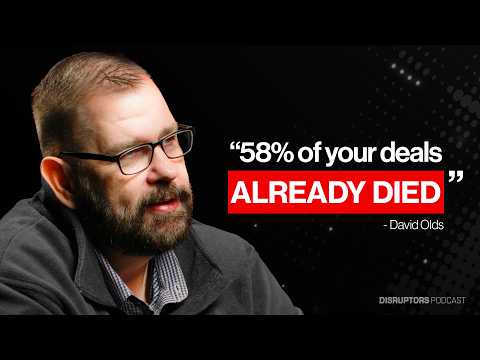
”“After the dust settled, it was probably close to 150 k between buying, marketing, lost time, lost revenue along the way.”
”“I'll always ask this one question, and it's really helped me, weed out the ones that weren't a good fit for me to work with. I'll say let's say we fast forward twelve months and we're tracking KPIs. We're trying to figure out if this was a successful campaign. Yes or no. What are some of the things that we're looking at?”
”“We can take any inbound channel and make it a good one if we filter out enough of the nonsense.”
”“We are an extension of your company. We're just the marketing department.”
About the Guest
James Heartquist
Property Leads
James Harkless is a co-founder of Property Leads who transitioned from managing construction crews in low voltage cabling to real estate investing. After losing approximately $150,000 in his first real estate coaching program, he gained valuable experience in sales and real estate that prepared him for his current role at Property Leads, where he helps generate leads for real estate investors.
Full Transcript
15390 words
Full Transcript
15390 words
James Heartquist: After the dust settled, it was probably close to 150 k between buying, marketing, lost time, lost revenue along the way. At some point, I joined a real estate coaching program, did that for a couple years. When I said yes to it, it wasn't like I had it. Yeah. It was like one of the things you say yes to and you're like, I'll just figure it out.
Interesting. That was the first time I'd ever done that. Even though that was a challenging time for me, it did prepare me for what I do with Property Leads now. What I thought I wanted to do, I didn't I didn't wanna scale a large real estate home buying company like I initially thought, but I did wanna do a couple deals a month, a deal or two a month, maybe buy some rentals because I actually went back in production. And I was doing that for a couple years.
And then
Steve Trang: Welcome, and thank you for joining us for today's episode disruptors where millionaires are made. Today, we have James Harkless of Property Lease and James flew in from Boca Raton, Florida to share how one in four motivated homeowners reach out to them before selling. Guys, I'm gonna mention you create a 100 millionaires. Information on this show alone is enough to help you become a millionaire. In the next five to seven years, if you take consistent action, you will become one.
And if you're already a millionaire, we do wanna recognize you here on the show, so please scan that QR code on that screen. Before we jump in, if you're here to learn how real entrepreneurs are building real empires, hit that subscribe button because every week, we drop in lessons that create your first or next million. And right now, you have a 100,000 quarter million or more sitting in your CRM. Resurrect all your old and, dead leads with objection proof AI calling agent text cash to the phone number 33777 to unlock the money that's just hanging out in your CRM. Ready?
Yes. Alright. So,
James: just
Steve: go ahead and get right into it. What was your life like right before you got into real estate?
James: Yeah. So, right before real estate, I was working in construction. I've been in construction for a lot of years. I feel like everybody sort of takes that similar path. They they read your dad, poor dad.
They They start listening to the Bigger Pockets podcast. Mhmm. And then that transitions into the next thing, which is trying to buy houses.
Steve: So Right.
James: I was doing that. I was, you know, trying to learn as much as I could while, you know, continuing to work. At some point, I joined a real estate coaching program, did that for a couple of years.
Steve: What kind of construction
James: were you doing? I was a low voltage cabling guy, so I was running data cabling, you know, audio visual setups, large commercial jobs, you know, hundreds and hundreds of lines, you know, big crews, stuff like that.
Steve: Right. So You're running them?
James: I was running them. Alright.
Steve: So you're managing, like, the the subs? I
James: was managing yeah. I was managing all the all the subs and
Steve: Okay.
James: The, you know, the, I guess, laborers, they call them.
Steve: Right. Well, I only say that because, like, that's, like, the one thing I hate the absolute most. Like, when they're like, you should flip, like, no. I don't wanna flip because then there's more people to manage.
James: Yeah. It's, it was interesting. You know, this construction is historically pretty high turnover.
Steve: Mhmm.
James: There's guys coming in and and going. So that was always interesting. You have a crew of guys on a job, and then, you know, they're moving to the next company or they join the union or whatever the thing is. And then there's new guys coming in. You gotta catch them to speed.
So
Steve: Yeah. Yeah. Got it. So you did that. I did.
And then you read you while you're doing that, you read Rich Dad Poor Dad.
James: I did.
Steve: And then you decided to get into real estate.
James: Well, I listened to the audiobook. Okay. I wanna clarify. I can barely read. Yeah.
So I listen to the audiobook. Got it. And I was like, oh, this is interesting. Like, I had never heard this concept before. This these topics were not things that we talked about as a family when I was growing up.
Steve: Right.
James: This is very foreign. So, reading that book, it kind of opened my eyes to a different way. Yeah. Which is really interesting. So, that's what kinda started me getting the bug for real estate and wanted to get into that world.
Steve: Right. How do you go from that to joining a coaching program?
James: Yeah. I think I heard somebody on a podcast say the most logical thing if you've never done this before is you obviously have to hire a coach because how else are you gonna learn how to do it? And I was like, oh, yeah. That makes sense. You go to school to learn stuff.
Mhmm. So naturally, you should hire a coach. So then I was sort of vetting different coaching programs, trying to figure out which
Steve: one was approximately 2017, 2018. So 2017. Yep. All right. In real estate, I'm going to hire a coach before doing my first deal.
James: Correct.
Steve: Okay.
James: Yeah. Looking back, I wish I had gone a different path. But
Steve: Well, I'm not saying that's necessarily the wrong choice.
James: For sure.
Steve: Right? Like, there's good and bad. There's, like, I would like to say, if someone came into my program for the first program, I'd work pretty well. And then we have a mutual friend, RJ Bates
James: Yes.
Steve: Who shares that he was just massively ripped off in his first program. Yeah. He joined. And, you know, for him, the the story is basically, you know, he joined a he went to a conference. Rah rah.
Let's go ahead and put all this on a credit card. Yep. And it was not happy ever after at that point. So you decided to I wanna get find a coach, and you did your research.
James: I did. I did what I thought was research. I I didn't necessarily know what I was looking for. You know, the one that I sort of had a similar outcome to RJ wasn't what I expected. A lot of lessons learned there for me, which is it was a good thing for me to learn those lessons.
Mhmm. I didn't really know what to look for. I just happened to find somebody that I was like, oh, I feel like I can resonate with this human. So he's probably the most logical one for me to work with.
Steve: Right.
James: What I didn't know was to ask for what they had done Mhmm. To be successful in the real estate space Yeah. Which is the the those are the things you should be asking your coaches before you join. What have you done? Right.
You know? I mean, so huds, whatever the thing is that's important to you.
Steve: Alright. So let's just go ahead and look at, a much younger James and then older, wiser James. So much younger James when he was doing his due diligence or the questions he was asking.
James: I literally didn't ask any reasonable questions.
Steve: What was your criteria in selecting?
James: Also a problem. I had no criteria. I was very, I was very naive to the to the world, so I didn't know what questions to ask. I will say some of the really valuable lessons that I took from that are before I do anything today. Mhmm.
I'll always ask this one question, and it's really helped me, weed out the ones that weren't a good fit for me to work with. I'll say let's say we fast forward twelve months and we're tracking KPIs. We're trying to figure out if this was a successful campaign. Yes or no. Mhmm.
What are some of the things that we're looking at? Right. If they can't answer that question, they're 100% out. Right. And I've had people that I've talked to about whatever the thing was I was thinking about doing at the moment, and I ask them that question.
And if they can't answer it, I just say, Hey, I'm sorry, we're not a good fit to work together.
Steve: Right?
James: There have been folks who I've asked those questions too, and they're like, we're gonna do this. We're gonna do this. We're gonna do this. And I'm like, awesome. Let's go.
Steve: Right.
James: And then there's, you know, kind of feedback loops and and connection points along the way to make sure that we're hitting Mhmm. In our goals.
Steve: That's an excellent question.
James: Yeah.
Steve: It's funny because that's a question we ask when we're selling the coaching as well. Yep. You know, imagine twelve months goes by. What does success look like to you?
James: I you asked me that question when we were talking about signing up for your sales training.
Steve: Right.
James: But I closed you. Just so you know, you didn't close me. I closed you. Yeah.
Steve: Yeah. That's fair. I mean, that's what we want you to believe. What we're selling.
James: Yes.
Steve: Good. Yeah. Okay. So then, I guess, looking back now or not if you were to counsel someone out, I mean, that's a really good question. Right?
Like, what is your plan for me? But on top of that, you have a different criteria list for someone that's listening because we have a broad spectrum of people to listen. Right? We have people that, I don't think it's Richard Apporta that gets people in and out. I think it's Instagram now.
Right? Like, if there's something on Instagram, like, that's cool. But we have people that, you know, do that, listen to BiggerPockets, haven't done their first deal. Two, we have people that are doing a lot of deals, which is always humbling and and an honor to hear, like, you know, people are CG board and listen to our stuff. But for the newer group people, what should they be asking now?
Because there's still a lot of coaches out there selling education.
James: Yeah. I'm looking for student results, and I'm looking for, you know, an extended period of time that that current students have have been doing well. Like, are people making money? Yes or no?
Steve: Yeah. If
James: people are making money, there's an indicator that there's something good going on there. If there are people that are not making money, run for the hills.
Steve: Right.
James: Now there's always gonna be people who join and don't wanna do the work. Mhmm. We're gonna ignore those people
Steve: Mhmm.
James: Because they're not putting in the work. But, you know, the the the eighty twenty rule, you know, is there at least 20% of people in that in that community or that coaching group making money or at least moving in the right direction to where they're making money? Right? There's obviously some skill set deficiencies that people have. They've never been in sales, and they're trying to launch a real estate business.
There's obviously a lot of stuff to learn.
Steve: Right.
James: And there's a time frame it takes to learn that. So as long as their skill set is improving over time and there is a ramp up of some sort of money making activity, then I think it's good to go.
Steve: Gotcha.
James: My gut tells me.
Steve: So you're looking for, success stories, which is interesting because, Darren Bentley, who is great, you know, know him. I mean, knew him before Family Mastermind, but we got him know pretty well through Family Mastermind. He's instrumental in Tom Kroll's, programs and, and and wholesaling it and so on. I think probably he's the reason why Wholesaling Inc. Blew up.
He put a post last week, which is, like, kinda, like, floored me, which is, like, you know, here are 10 things that gurus do, you know, like, to watch out for. But, like, I think it was number two. Number three was, like, they get testimonials they require testimonials from failed students as part of their, like, refund program. It's like, I won't give you a refund on my on this failed coaching program unless you record a testimonial for me. It's like like that, like, shattered, like like, as jaded and as broken as I am, that jaded me even further.
James: Yeah. I, that's interesting. So I've when you told me that that was the first I had heard of that being a thing Yeah. I would I think I'd rather just take the l on the cash personally. Yeah.
Just take the l. Yeah. Keep the money.
Steve: Then sell your soul for a bad testimony.
James: Yeah. I don't. Yeah. Yikes.
Steve: Yeah. And the reason why I'm bringing this up is, like, I mean, I don't know if you're comfortable sharing. Like, how much did you lose that first coaching program you joined?
James: I would say after the dust settled, it was probably close to 150 k between buy in, marketing lost time.
Steve: You
James: know, lost revenue along the way. Right. Quite a bit of money. Wouldn't mind having that back.
Steve: We might have that back. But eventually you're able to recapture claw your way out of it because you put it all in the credit card or a lot of it.
James: I did. And when I said yes to it, it wasn't like I had it. Yeah. It was like one of the things you say yes to, and then you're like, I'll just figure it out.
Steve: Mhmm.
James: So that was interesting. That was the first time I'd ever done that in my life. Just like, go for it. Figure it out
Steve: Mhmm.
James: Along the way. You know, it's interesting. Even though that was a challenging time for me, it did prepare me for what I do with property leads now. Mhmm. So there there definitely was a silver lining.
Like, if I never did that, I don't think when we all got together to launch property leads, I would have been the right fit for that. Mhmm. You know? I did learn, I would say, some basic sales abilities, basic abilities. I also learned the real estate space so I could speak the investor language, and that's what we needed at property leads at the beginning for me since I was front facing.
I had to be able to speak the language, at least understand the marketing, you know, at a kind of a baseline level. Mhmm.
Steve: If
James: I didn't do that, I don't think I would have been ready for that. Yeah. So silver lining is that.
Steve: And I hear you on that because, like, I did get I I did need a a large number of humility lessons
James: Yeah.
Steve: To get to where I'm at. Sure. Because the the the the success we're having today is a result of learning from all the stupid decisions Totally. Made along the way.
James: 100%.
Steve: Yeah. Okay. So then, so you did the real estate thing for a couple years? Couple years. Yep.
And you're like, this is not it.
James: So what I sort of learned along the way at the time was I what I thought I wanted to do, I didn't I didn't want to scale a large real estate home buying company like I initially thought. But I did wanna do a couple deals a month, a deal or two a month, maybe buy some rentals. That was, like, cool. It sounded cool to make rental a month. That sounds cool.
So what I was doing was I was building my own local site, trying to get organic SEO leads. Mhmm.
Steve: And that's
James: how I met Andy. Mhmm.
Steve: One of
James: the owners of Property Leads, heard him on a podcast, and I was like, oh, this dude sounds cool.
Steve: Mhmm. And
James: he's getting I think at the time, it's funny now thinking about it, 60 or 70 leads a month in his local market. I was like, wow. That's I'll do some weird stuff to get 60 SEO leads in my market. Yeah. And, I added him as a friend on Facebook.
Mhmm. And we started sending each other means and we became friendly. And then he started, like, asking me these questions, like, what do you do for work? What like and I'm like, man, why is this dude courting me? Like, what's going on here?
And what was going on was he had property leads that was sort of going on behind the scenes. It was in a, I would say, like a beta testing phase at that point. We had a few people that were trying it out, and it was starting to take off because leads were good, and he needed a front facing person
Steve: Mhmm.
James: To do the, you know, the onboarding and sales, to do their, you know, retention stuff, to do process refunds, pretty much anything front facing.
Steve: Right.
James: He needed somebody else to do that.
Steve: So before we get there, you were talking about, like, you thought you wanted to run a big team. Yes. And then you realized you didn't.
James: I realized I didn't.
Steve: So What were the things that made you realize you did not?
James: The ability to lead a company and especially a sales team. So lead a company's one skill set. To lead a sales team's a different skill set. I think there's
Steve: definitely some overlap. Completely.
James: Yeah. But I didn't possess those skills. Mhmm. You know, coming from a construction background, like, I could run a construction team because I knew how to do the the tasks. So it was very simple.
Like, you three guys do this, you three guys do this, and they would just go and do it. And if they didn't, I'd say, hey. You leave and bring somebody else in.
Steve: Right. You treated like commodity is what it sounds like.
James: I definitely did. Yeah. Very common in that in that space. The construction world is how do we find the most talented person for as cheap as possible? That's that's the game that that we play there.
So so shifting into, you know, running a home buying company, I just didn't possess the skill set to be able to do it. I just didn't. So, that's when I determined, like, I don't think I wanna do this.
Steve: So I
James: actually went back to construction. Yeah. And I was doing that for a couple of years. Mhmm. And then But your ear was still
Steve: or your heart was still in it somewhat because you're listening to the podcast about real estate.
James: That is true. Yeah. I was, so I shifted. You know, it's it's that's an interesting take. I'd I'd shifted from listening to, like, real estate specific podcasts to listening to marketing podcast because the marketing that we learned in that coaching program was one thing was calling, like, expired listings with, you know, expired listings, withdrawn for sale by owners and stuff.
Steve: And Not a complicated list.
James: For sure. What I what I realized, though, is I didn't understand, like, how to generate leads. And I was my thought was, like, there has like, people are doing this. Mhmm. No.
I'm not. Yeah. So, like, like, what are they doing that I'm not? And that's what sort of led me down the path of on the marketing side. And then I was like, oh, this is the marketing side's fun Yeah.
To me, it's a lot more fun than buying houses for me. But there's obviously advantages to buying houses. So I like, you know, I like the idea of both. But at the time, I was exploring different marketing channels, or different ways to generate better leads because I was like, well, I suck at sales. So if I can get better leads, maybe I can still buy some houses.
And that's what led me down the path of organic SEO leads and, you know, paid ads and stuff like that.
Steve: Yeah. Well, that was me, for a long time for sales training. Before I taught sales training, before I received sales training, that was me. It was like, if I could just get really good at marketing, then the sales is irrelevant. Yeah.
Okay. So then you hear about, Andy. What podcast do you remember?
James: It was I I listened to Andy on the carrot cast.
Steve: Carrot cast?
James: Yep. With Trevor. And was really impressed with what he had to say. Super smart guy. Understands the details of of growing it.
So I added him on Facebook as a friend, which became friendly. And sort of tying in what I told you earlier about how I vet companies or people that I work with now, I had a fellow reach out, found me online through my website, and he was trying to sell me SEO services. Yeah. He had a couple calls with me, and it was just cheap enough to where I was like, I could do this. But it was not expensive enough to where I was like, why isn't this more?
Mhmm. And we're going back and forth. We had a couple sales calls. He was telling me all the cool stuff he's gonna do for my site and all this stuff. One of those days, we had a sales call.
I actually got added to a Facebook group that Andy was running at the time, and, they were just helping people, you know, put things on their site to help rank better. Yeah. Same day, I had a sales call with him, and I asked this fellow that question. I said, hey. Listen.
I said, fast forward 12. We we're I'm trying to figure out if this is a a successful campaign or not. What are we looking at? Yeah. And he couldn't answer the question in a reasonable he just said, well, what leads or leads?
And I was like, well, I'm already getting leads. So, like, I need more than that. And he was, like, really upset with him. He's like, really he's like, how you I thought you were gonna do this. You told me you were gonna do this.
Steve: And I was like, I'm not.
James: Didn't I didn't do any of that. Yeah. But it was just interesting to me how I heard Andy on the podcast, got out of this Facebook group, had this fellow that was trying to sell me SEO services. Same day I got added to the group. I had a sales call with them.
I asked them the question that tied into the previous, you know, sort of letdown I had, and he couldn't answer the question. And I was like, hey, dude. Not for me.
Steve: Right.
James: And that was the end of that. Mhmm. And then I, you know, was in Andy's group taking action. They would do live calls, you know, weekly and say, hey. This is what you need to do.
They would kinda do, like, site roast. So they would pick apart your site and just be like, hey. This all the stuff that makes no sense. Here's what you should change. Change this.
Bring it back next week. You've made the changes. We'll pull your side up and look at it again. If you didn't, don't waste our time, which I appreciated.
Steve: Right.
James: So I took full advantage of that because it's just, like, free free information.
Steve: That's free SEO coaching
James: Yeah.
Steve: In a Facebook group. Yep. That's pretty solid. Yeah. Yeah.
Okay. So one guy is, like, hounding you, getting you to sign up. And he's like, here's everything for free. Here's everything for free. So made it easier to trust them.
Yep. Okay. So then, at what point do you decide, hey. Instead of doing real estate because I know you're kinda, like, gone back to construction. At what point do you say, like, I'm gonna do more real estate till, like, you know what?
Screw it. I'm just gonna hand my house property leads.
James: So we we laugh about this today. I I wanted to make sure before I left my job that property leads was gonna take off.
Steve: Mhmm.
James: So I put in, like, a six I was working part time at first. I'd work my construction job during the day. I'd come in the in the evening. I would take sales calls and onboard people. And Andy was like, alright, dude.
Like, enough is enough. Like, come to us. Mhmm. And I put in, like, a six week notice with my company because they were in a tough spot when I was leaving. The construction world is suffering right now to find people who will show up, do a good job.
Right. And I felt bad leaving, so I put in, like, a six week notice, worked there for six more weeks. We were on a big job. And, thankfully, Andy was patient with me while I while I wrap that up. Yeah.
And that was in 2022. I would say, like, summer summer going into the fall is when I shifted into full time. I wanted to make sure property lease was gonna take off and that it was gonna, you know, keep keep going in the right direction. And it it did. It was it took off
Steve: fast, and it's been growing like wildfire ever since. So paper lease business is is tight. It's tough. Right? Like, all on the way, there's been multiple PPO providers.
Yep. What did you need to see to know that Property Leads was the company for you to basically go all in on?
James: Yeah. That's an awesome question. One thing that made my life a lot easier at the beginning was my calendar for sales calls Mhmm. Was full every day. So for me, I was like, well, if my calendar is full, these are people that are interested in buying.
Yeah. Which tells me that there is a massive need for this. Mhmm. And to me, that was the you know, if I was when I think back, if I had to do a lot of outbound, a lot of cold calling, there was some of that for me at the beginning. But if I had to do a lot of that, it may have changed my perception a bit.
Steve: For sure.
James: But my calendar was full. There was even one point when we onboarded kind of the first big coaching program we ever worked with where my calendar was full from, like, 8AM until 10PM every single day.
Steve: Wow.
James: And because I was the only one, I just had to open my calendar because, as you know, when you get booked out too many days, that's when you start seeing more no shows. Yeah. It's the only way to combat that was for me to just work more hours. So
Steve: Yeah. Okay. So you felt confident because the the man was there. Was the I guess at that point between CaraCast, the Facebook group, coaching program that you're working with, was there, like, there was enough, like, social proof that this is it as well?
James: For sure. And, you know, there was a almost an instant trust level between all of us at the beginning too. I think it's really unique in that in that sense where, like, you were strangers a couple weeks ago, and now you're not. Now you're on this journey to grow this this company. And we we were all just sort of down at the beginning to, like, work hard, work a lot of hours.
We all instantly connected that way, which also was, like, a cool thing for me. Yeah. So there was a trust factor to where I was like, maybe I shouldn't trust these guys as much as I do, especially with my past of choosing coaching programs. Mhmm. But I do trust these guys, and I think there's something here.
So I'm gonna I I remember talking to myself. I said, I'm gonna give this all I have for twelve months. I'm gonna I'm gonna do everything I can. I'm gonna do everything they ask me. I'm gonna do everything the client asks me if they text me on a Saturday, and they're like, hey, dude.
I got this thing that is annoying. I'm I'm gonna respond. I'm gonna take care of them. I'm gonna treat them. I'm gonna treat every customer like it's our last because you never know.
And that's that's what helped us, I think, take off the way that we did. The leads were good. There were really smart people working behind the scenes, Andy and Liz. And then on the front end, I was doing everything I could to make sure that people know that we cared, when they did have an issue that I fixed it. And yeah.
Yeah.
Steve: How do you demonstrate that? Because, like, this is, you're a a vendor. You're a service company. And, you know, I was saying, like, when you started in in '22, but I think it's just as true today in '26, if not more true, that competition is stiff and fierce. How do you demonstrate that you care today?
James: For me personally, when I see a comment in a Facebook group where somebody's saying, you know, property leads stinks Mhmm. Or whatever the thing is that they're having trouble with, I I get not offended and, like, a couldn't possibly be that way, but I'm like, dang.
Steve: Yeah.
James: Like, this person trusted us and something got missed. Something got dropped along the way that that made them lose that trust a bit, which bothers me a lot because, like, I've been burned in the past. Mhmm. And I don't want anybody to ever feel like they got burned. I've learned that you can't make everybody happy as we move.
Not. But what I do try to do a good job of is if we do make a mistake, which we have, then we make it right. Mhmm. Because at the end of the day, that's all we can do. Hey.
You're right. We should have done a better job here. Yeah. I'm sorry. You make it right, and you move on.
So for me, demonstrating it, I think, is easy because it's genuine. Like, I genuinely care if people win or not. And when I hear that they're not, I'm like, dang. We gotta fix this.
Steve: So it impacts you personally? It does.
James: Yeah.
Steve: Yeah. Yep. So that's healthy. It's good to know. Right?
As a client, I would wanna know that.
James: Like, you know,
Steve: one of the chief guys at the company, like, actually hurts his feelings.
James: I'm sensitive.
Steve: Yeah. But it's good because, like, is there's there's real money being spent here. Right? Like, PPL is not like, you know, I'm gonna spend a few $100 a month left as right. Like, this is, like, your own money.
Like, if this doesn't work out, like, I could've used that money somewhere else. Totally. I mean, we have folks who literally run on
James: the platform with an unlimited budget.
Steve: Yeah. Really.
James: They will take whatever we'll give them. Wow. And they've been doing that for years.
Steve: Yeah. So That's a sign of faith.
James: Yeah. One of the funniest ones that I've seen was we have a fellow who buys leads from us, and he's he was being funny. He set his monthly budget to a million dollars. Mhmm. And one of our sales guys sent me messages like, look look at this.
He sends it sent it to a million bucks. I was like, dude, it's unlimited. He's being funny. Yeah. But that's he's been a client for a long time.
He trusts us. Mhmm.
Steve: You
James: know, he's always like, hey, dude. I need more leads. I need more leads. And I'm like, we're working on it, man. Yeah.
We're working on it.
Steve: So I'm gonna talk about later on about some of the things you guys have added. But, like, the one question, and, you know, we've had other PPO providers come on our show. We've had, Leadzilla. We've had, Motivated leads. Come on.
There might have been more. And the question always is and I bring this up because I tried the paper lead service as well. I hated that business. It turns out I don't like that avatar. Anyway, the, and we'll talk about that in a second.
Why? The the greatest challenge that I see a lot of PPO providers is there's a lot of demand for our product, and there's more and more demand because, like, the consequence of being good is you get more demand, more clients, and people saying, hey. I want your services. Totally. How do you satisfy and satiate everybody without diluting because the the theory for me is that there is a max number of people that will opt in to your marketing.
Sure. How do you guys keep that quality high? If you're a real estate investor with a sales team and you're stuck babysitting reps instead of growing your business, this is for you. Right now, your reps are burning through your expensive leads like their practice numbers. They're making costly mistakes you won't catch for weeks, and 70% of your potential revenue is walking to competitors because of inconsistent follow-up.
That's why over a 130 operators are now using objectionproof.ai to automatically review every single call within minutes, train reps with AI role play sessions, and never miss another follow-up. Stop watching your competitors pull ahead while you're trapped doing manager work. Click the link in the description and book a call with my team to see how we can help you install a self managing sales team this week.
James: Yeah. So we we've learned some tough lessons here. The game that we play in the PPL space and the property leads is how do we increase lead volume without sacrificing lead quality. Yeah. So what we've learned is we can take any inbound channel and make it a good one if we filter out enough of the nonsense.
Mhmm. No timeline for selling. No no reason to believe they're motivated, you know, like a pre foreclosure sitch, divorce, relocating, whatever the thing is that they choose on the web form in terms of reason for selling. We found that by asking the right questions in the process, we can determine if a lead is more than likely to sell to somebody in the next six months. Yeah.
And I think that's what separates us from some of the others is we've figured out a really good system for that. And it it came out of us not being great at it at one point, being able to determine what was an actual lead and what wasn't. And I give Andy and the marketing credit a ton of depart the marketing department a ton of credit there, Because while this was happening, I was a lunatic behind the scenes saying, hey. We need to fix this. We need to fix this.
And they they they grabbed it, and they fixed it, and they did it fast. So now we have an amazing process internally for determining whether or not a lead is more likely to sell to somebody in the next six months. Mhmm. We believe that they are more than likely to sell. We're gonna send that lead out.
If we're not sure, we don't even sell that lead.
Steve: Got it. So there's a what I'm hearing is an element of, like, let's say, for example, Facebook. Right? Because, like, if we wanted to, we can get Facebook leads super cheap. Yep.
James: Right? 100%.
Steve: Dollar lead or whatever. We really want it to. But that's terrible quality. Sure. So it sounds like you're adding more filters to ensure that the right quality is coming through.
James: Yep.
Steve: Then I guess, follow-up question. I'm just being curious here. I think an average PPC Google PPC lead versus an average Facebook lead, the quality for Google PPC is gonna be higher Totally. Than average Facebook lead. Are you qualifying based off the questions differently based off the lead source to ensure consistent quality?
James: There'll be yeah. So there'll be a a question qualification and then, generally, like a like a text opt in
Steve: Mhmm.
James: Where like, let's say we're not a 100% sure it's not a spam lead or something. There's something that flags it as may not be lead. We're gonna text them and say, hey. Are you selling? Press 1 for yes, 2 for no, 1 for yes.
Perfect. Timeline for selling, press 1 for thirty days, you know, 2 for for sixty. And at that point, if they've now filled out a form and they're responding to our follow-up questions
Steve: Mhmm.
James: This all happens within a couple of minutes, We have enough belief at that point that it's a quality lead. Yeah. And we're gonna send that out to an investor so that they can lock that deal up.
Steve: So there's an element of more activity afterwards for qualification. Because one of the things we've talked about before is, in our sales training component, all all the people that we train, is that cooperation is part of the qualification process. A million percent. If you're willing to, like, answer my questions without being rude, you're willing to meet me a certain time frame, whatever, that qualification means you're more motivated. And so it looks like you guys have taken that principle and had them do the text follow-up to make sure that they're
James: Text, it could be a phone call. Mhmm. Sometimes it's it's one or the other. But we wanna make sure one thing that we learned early on is that when people get annoyed, whether it's justified or not in our viewer opinion is irrelevant. So, like, a lead that we send out where the seller says, I'm not selling.
They just fill out a web form. So we're genuinely confused as to what they mean. Yeah. But that investor is like, hey. This is annoying.
This this is costing me time. So what we try to do is figure out how we can create more friction in the sales process to make sure that we're not sending out nonsense, but also less friction so that when the handoff happens, it is a seller who actually wants to sell in the next six months, preferably sooner. But timeline is seller that wants to sell within the next six months.
Steve: Got it. So fine dance, you gotta fine line, you gotta dance on. Yep. And this is very different. I remember, you know, I was gotta go back to my old stories.
So, like, back when I was still wearing my realtor hat, right, Zebra was, like, the hottest thing. Okay. It's, like, really cool. Right? Sure.
It's, like, $49 a month or $98 a month. It was, like, unlimited blah blah blah. Wow. And it was, like, really cool. And then, like, a month or a year into it, you're like you're talking to people.
I didn't fill out a form. Yeah. I posted my house for sale on Craigslist.
James: Okay.
Steve: So someone was manually, like, oh, Craigslist. Yeah. Taking this information, putting on the website, and then you as a realtor get to call that that was, that was not a text. Press 1 for yes. Right.
Press 1 for thirty days.
James: And if you're talking about it now, you you had a feeling about that.
Steve: Oh, I was pretty angry.
James: Yeah. When it happened. So we're trying to avoid that right there. Yeah. So we wanna avoid it.
Steve: But I still remember this really.
James: Yeah.
Steve: Like, what do you mean you just fell out of Craigslist for?
James: Right. And I'm sure you got deals from that provider. Right?
Steve: We did. It was when when we first got into it, it was big because this is before I mean, even, like, wholesalers use it now. I think I hear every once in a while. But, like, it was like this, like I still remember, like, you know, I wanna say maybe in 2005 or '6 when Zillow came on the scene, it was like, oh, you gotta check out this thing. Like, Zebar was like, oh, you gotta check out this thing.
Sure. No one says that anymore. But there was a time where it was that, and then it very quickly became diluted because they had Right. The fill quota and so on.
James: Worth noting, though, that you're telling the story about that and not about all the deals you got. Right. So that's that's that's probably my biggest lesson along the way. Mhmm. You could do everything amazing for twelve months and make one mistake.
Steve: Mhmm.
James: Now somebody's, like, on Facebook telling everybody about it.
Steve: Exactly. So Well, I didn't have to because a lot of other people were.
James: Sure. Yeah.
Steve: Yeah. Okay. So then, a lot's happened then in the last few years. There's been innovation for what what you guys are doing. And and it's impressive because, again, like, this is not a this is a cutthroat field that I hear people say, like, I wanna get into this space, and I just always think, like, just good luck.
Gosh. Good luck in this space because, I mean, I know some really, really intelligent people who ran, like, ecom businesses. They're able to generate leads and, at a high volume. But once you get to a certain point, there's only so many you can scale. I'll give I'll share another example.
So, you know, some of you guys watching might have found us through our Facebook ads. Right? Like, I'm we have our AI tool. We Mhmm. We we run ads and so on.
And I was good enough myself personally running my own ads by a $100 a day. By a $100 a day, I can run this profitably. Wow. But after a $100 a day, this is not a profitable venture. Had to bring in smarter people Yep.
Who can scale this to a thousand dollars a day. Because what? The the skill to be at a $100 a day is one thing. Scale it a thousand dollars a day is another skill. To get to $10,000 a day, which we're not there yet, that's gonna be a different skill level to get people willing to click on the ad and engage.
Totally. So you guys are I've I've I've kinda broken through, it seems like, another layer higher. And I'm just curious what's happening to do that, and it was, like, what, like, the the things you guys have added.
James: We just had to find more talented people that knew how to do it. Yeah. We went through multiple team members Mhmm. To to land where we landed, and they're amazing. They do a fantastic job behind the scenes.
There's a great feedback loop between, like, myself, the sales team, and marketing. So the marketing team always knows what's going on out in the wild. If something seems off, we're sharing that with them. They're looking at it. They're making adjustments and fixing things along the way.
They also genuinely care if people win and not win. You know, when we when I see deals that are posted in, like, RJ's group and these other coaching programs that we work with, I always make sure to do my best to send that to everybody so that they know behind the scenes that what they're doing is making a difference. Yeah. Because if they never hear that, they have no idea if if what they're doing is impacting in a positive way or not. So we try to share that stuff with them so that they know.
And I've never seen a time where I haven't shared a deal where everybody was like, oh, that's awesome, man. Everybody gets real jacked up when it happens. So, actually, I realized I haven't shared anything with those guys in a bit. I'm gonna go find a couple of deals today to to share with them.
Steve: Yeah. So so then moving forward right now, what are you guys doing today to sell, separate yourself from the rest of the pack?
James: Yeah. I love that question. So within the last few months, we've launched live transfers.
Steve: Mhmm.
James: We can get the seller on the phone. Well, let me rewind. So we had a scenario where we saw a ton of leads were getting submitted for a refund for no response, which is a a valid reason for somebody submitting a refund on our platform. It's one of the reasons they can submit. They reach out.
They, you know, they call them a 100 times. They send 370,000 text messages. And for some reason, the seller just will not answer the phone. A lot of these were sellers who called in from the number on the site or we had them on the phone, and we hung up and said we're gonna have Steve Trang reach out to you. And then you do your outreach, and you can't get him on the phone.
So, Andy, who's great at forecasting what the next thing is for us to stay ahead, said we need to start live transferring these folks. We're creating friction in the sales process and in the pipeline by hanging up the phone and then having the investor call. So now if we can get them to call in from the site or, you know, thank you page, something like that. We're gonna answer that call live, keep them on the phone long enough to get them over to the investor so that they can answer that phone call live and and close that you know, hopefully, close one call, close that person, or at least get out to an appointment.
Steve: So, so you guys had a problem where people were requesting refunds. And what are you guys' refund policy?
James: So no response is a big one. If they're listed on the MLS when the lead's delivered Mhmm. That's something that we'd we'd refund for. We try to going back to the not being annoying thing, we try to remove as many of those as we can, but sometimes some do still sneak through. So no response.
MLS listed. If it's a wholesaler trying to dispo a deal, we'll refund that. Mobile homes and parts are on rented land. Any spam leads, so if somebody puts, like, Hulk Hogan in with a fake phone number, obviously, that's nonsense. We're gonna refund you for that.
Yeah. Vacant land, and I think that's it.
Steve: Okay. So, no response. You guys have a a measurement, though, for that?
James: We yes. So we have a general guideline where we'll say, hey. We'd really like you to reach out. So there's a seven day window for all refunds. Mhmm.
From the day you you get the lead, you have seven days to submit it for a refund. So what we ask of folks is they they follow-up for four to five days, 15 to 18 touch points, couple touch points a day. It's kind of a baseline. And then if they can't get a response, they can submit that for a refund. Mhmm.
We're gonna reach out after to see if we can get them on the phone. Yeah. If we are able to and they confirm that they're selling, we are gonna decline it and kick it back. But if we also have no luck getting them on the phone, we're gonna approve that refund so that they can buy another lead Yeah.
Steve: If the
James: seller wants to sell.
Steve: And I'm bringing this up because I've seen other companies do it differently in non ideal way. Yeah. So, there was a company who would just they would rank their clients based off their refund rate.
James: Oh, interesting. Okay.
Steve: Right? And then they would give them, like, a badge. And then, like
James: I see.
Steve: Once you had enough negative badges, they just, like, sorry. Like, you've you've exceeded the quota for refunds
James: Oh, interesting.
Steve: Which makes no sense. Right. Which brings back the z buyer thing. I'm not gonna say the name of the company
James: Okay.
Steve: That that did this, which is a horrific, horrific business model. Yeah. Right? And they pissed off a lot of their clients, because, like, what do you mean? Because your quality went down and I'm requesting more refunds.
You're gonna penalize me Sure. And not issue refunds. Yeah. You guys took this problem and said looked at it a different way. Right?
Like, you you you rotated the the the image. You looked at it. It's like, well, what if we did this? And I really like the solution, which is like, well, why don't we just go ahead and call the lead? Yeah.
And then see if the client is ready to talk to them. Totally. Reducing the friction Yep. Versus, penalizing them. Correct.
Which, of course, is smart on you guys then because you wanna make sure, like, refund rates are down, but you're also providing a positive experience for the client. Yep. So, so how does that work right now? Thought of form. I put the my information in, and then what happens?
James: Yeah. So there's a few different scenarios where a live transfer can occur. So, one would be they call the number on the website or whatever the thing is they're seeing. Mhmm. We're gonna answer that phone call, and we're gonna transfer them.
The second one is they fill out a web form. Thank you page pops up and says, you know, hey, Steve. Thanks for submitting a web form. If you wanna talk to a home buying specialist literally right now, just call this number. Mhmm.
They're gonna call in. We're gonna answer that call. We're gonna transfer it live. The third would be a refund request for no response or not selling. That happens sometimes.
Often that means they didn't wanna sell to you. You made your offer. They said no. Yeah. They're selling.
They're just not selling to you. Mhmm. But we will take that and live transfer that back Right. If we can get them on the phone.
Steve: Gotcha. Okay. So it seems innovative. It also seems common sense. It's like it's not like you discovered another, isotope of uranium.
It was like, hey. Why don't we just do this? But, obviously, it's it's made an impact, I imagine.
James: It has. Yeah. I mean, I think sometimes the biggest needle movers, at least from what we found, were things that, like, after we roll it out, we're like, why didn't we do that two years ago? Like, it's just basic stuff Mhmm. That I I don't know.
I don't know. I don't know why we missed it earlier. But, yeah, it's it is something that is very like, it solves a lot of problems.
Steve: Right. If we
James: can get you on the phone with a seller that wants to sell right now, that makes all the sense in the world. Why wouldn't we do more of that?
Steve: Exactly. So, so then did you guys have to, like, hire up a bunch of, overseas staff to service this?
James: Yeah. We have we have full teams, full call teams that that service this twenty four hours a day.
Steve: Yeah. And then same question that you mentioned earlier. So someone calls in right now
James: Mhmm.
Steve: And they say, hey. I'm interested in property lease. Twelve months from now, what kind of results am I gonna get?
James: Yeah. Amazing question. So
Steve: I wonder why you feel that way.
James: Yeah. I love this question. Sort of baseline for for tracking performance metrics. Mhmm. And And and we talk about this on the onboarding calls because we wanna make sure that there's enough buy in.
When somebody comes to us and they say, well, I just wanna try a couple leads and see how it goes. It's like, hey. Time out time out. Like, we already know this works. So what are we testing?
We look for a baseline of, I would say, a 150 to 200 leads purchased Mhmm. Over the course of six plus months. Along the way, we're gonna monitor and see how things are going. Feedback loops for us are really important. We always feel really sad when, somebody buys a bunch of leads and then they cancel, and we don't know why.
Because we can solve every problem. If if we had a situation where somebody got a bad stretch of leads and we owe them a credit, it's super easy for us just to fix that. Yeah. And, like, we can give as many credits as we need to to get it back on track, and we're always willing to do that because, like, we don't want anybody to leave. Like, don't ever cancel your account.
Like, just stay with us forever. Mhmm. Stay with us. Yeah. Let us let us solve the problem.
So we're gonna look and see how many houses sold to somebody. So if somebody comes to us and they say, hey. I bought 200. I did everything you told me. I bought 200 leads.
I didn't make any money. We're gonna look at, from the leads we sold them, how many sold their house to somebody. We call that title transfer data. So we're gonna look at the title transfer of the leads and see how many transferred from one person to the next that indicates a sale. And if they had enough shots to buy a house, we're gonna show them not so that we can be right, but so that they can see where the holes are in their sales process, and then we're gonna try to talk about a solution.
And if it's on us, we're gonna get them a credit so that they can carry on. And I've had both conversations with people. I've had conversations where it was on us, and I was like, hey, dude. Like, I'm I feel terrible. We did a not a good job for you here.
Like, we owe you a credit. Mhmm. And we we did it, and they still buy leads today. And then I've had people where I'm like, dude, like, a ton of these transferred title. Like, where did these 30 properties fall off?
Because these sold off market to somebody. Right. And a lot of times, they're like, wow. Like, I didn't even know this. I didn't even think to look at this data.
This is incredible. So that's what we look at. From the leads we sold you, how many sold to somebody. So if you fast forward twelve months and somebody says, hey. I'm not making any money.
Mhmm.
Steve: We're
James: gonna take a look at that. Now if somebody says, well, I want a six x and not a five. Not sure there. But I, you know, we've had that happen. Well, I really want a six instead of a five.
And it's like, well, that's an extra two deals a year. It's like, from these properties that transferred, like, could you have locked these up to get to that six x?
Steve: Yeah. Okay. So then, where was I gonna go with this? Oh, so you're we talked about the tower transfers. So how are you guys quality controlling your data right now?
James: On the title transfer side?
Steve: Yeah. I mean, like, it's because it's I don't know. Like, in a lot of data to keep an, keep an eye on. It's a lot of work. Disclosure, nondisclosure, all this other stuff.
James: Yep. The data is never gonna be a 100% accurate. Right? Right.
Steve: We
James: try to get it as accurate as possible. We pull the information from multiple sources. We cross reference. That helps. You know, when when I'm looking at an account, we have sort of two well, I guess three.
Didn't sell, sold probably on market, sold probably off market. And I've been looking at data with somebody live, and I'm like, well, these sold off market. And they pull it up, and they're like, well, actually, it's sold on market. It's right here. And I'm like, okay.
Cool. Like, data is not a 100% perfect, but we can usually get it close enough to where we can tell if we did a good job or not.
Steve: Yeah. There may
James: be a few properties that get missed. But at the end of the day, like, you're not gonna see a huge swing from, like, a, you know, 4% title transfer rate, which would be god awful, to a 30%, which would be good and enough for somebody to win over, like, some missing properties to transfer title, if that makes sense.
Steve: Okay. So then, 25% sell within six months. That's the
James: It's gonna vary from sort of market to market, local counties. The data is gonna be a lot better than, like, super rural.
Steve: Mhmm.
James: The properties that are rural don't record as well as some of the localized ones. Generally, about yeah. Roughly 25% are gonna transfer. There's some areas that are higher, some areas that are right around 25, maybe a little bit lower. Mhmm.
Steve: And then how many clients are you guys working with right now?
James: I mean, we've we've got a couple thousand at this point. Couple thousand? Yeah. It's a lot. Yeah.
Yep. It is.
Steve: You don't think you're close to, like, tapping out, like, the total addressable market?
James: I don't. I really don't. There's there's a ton of coaching programs that we've not started working with. Some of them are newer. Yeah.
But they have, you know, three, four, 500 students in the coaching program, and they're not quite ready for pay per lead or property leads yet because it is more of a a premium service. Yeah. Those are 500 people that have the desire to do real estate deals that are not buying leads from us right now. Mhmm. So they're out there.
We just have to get them into the funnel, and then we have to make sure that they win when they're in.
Steve: Right. Got it. Alright. Any other new features, you guys released in the last twelve months?
James: One of the coolest things we're working on right now is we call it home seller experience. We received some really amazing feedback from a really fantastic operator who we both know in Collective Genius recently where he said, you know, sure. You guys do a good job with your clients that buy leads from you, but you don't treat the sellers like they're like their clients. We were like it was like that thing we were talking about a little bit. It's like, duh.
Obviously. Obviously. So now we're we're taking steps to create a better handoff. Mhmm. On that thank you page, can we add information about the person that's buying that lead so that when that seller calls them, they've already seen their name Mhmm.
Or a picture of their logo or something that makes that handoff a little bit cleaner. So we call that home seller experience. We are now looking at the home seller, like their client as well, and we're trying to build kind of a trust bridge from from that point where they filled the form to the investor because it can be confusing. And it's funny. I experienced this on completely unrelated to anything property leads.
You still have this, like, old Corolla, and the key broke. So I went on Google, and I searched for a mobile locksmith. So I don't wanna go to the dealership for the those prices of the dealership. Oh, yeah. So it was definitely a a a pay per lead service because I got a bunch of calls.
Steve: Mhmm.
James: And I did what I'm guessing a lot of people do, and they're like, like, like, stranger danger.
Steve: Mhmm.
James: And I remember I got this guy. I was in Massachusetts at the time. He's calling me from a Florida number, so he's already got a strike.
Steve: Mhmm. And I
James: was like, no. I'm gonna think about it. I gave him the old sales of I'm just gonna think about it. I gotta talk to my wife.
Steve: About a key?
James: About a key. Right? Grow grow up, James. But he was great. He's like, hey.
He's like, I'm sensing some hesitancy, which I totally understand. Mhmm.
Steve: He
James: was, I'm a stranger. I'm calling you. I got a Florida number. He was like, can I throw out an idea? I was like, sure.
He goes, how about I just stop by? I'll take a look at what you got going on. I'll give you a price. If you wanna do it, I'll do it. If you don't, I'll just leave.
I was like, well done. Yeah. He came over and sold me a key probably for more than I would have paid at the dealership.
Steve: For sure.
James: And he was in and out. Yeah. But at that moment, I realized, like, I had all these things. I was like, ah, like, straight like, that's what these folks are experiencing. Yeah.
So, like, how can we make that handoff easier? So that's what we're working on right now. We're we're in the process of rolling out kind of v one. It'll be a name and, like, a company name. You know, Steve from said company will be reaching out to, you know, make an offer on your house.
Steve: Mhmm.
James: And I I would I would expect that over time, that handoff will get better and better, cleaner and cleaner. There'll be more features and and fun stuff that we can work in there.
Steve: Yeah. I'm thinking, a, do you make that guy an offer? Say that again. Did you make that guy a job offer? I I should've.
I should've. Were you sales manager this time?
James: I was not. No.
Steve: Oh, okay. No. The and but what the the seller experience, this part makes total sense because, like, this is my website that I created. It's branded, and then the handoff process is gonna be great. Totally.
Well, ideally. But your APPL, so you don't know necessarily who you're gonna sell it to yet. But there was that thing that happened during the Biden administration Yes. That required a disclosure that Trump, like, I think the day before, I was like, ah, forget about all that. The twelfth
James: hour. He's like, just kidding.
Steve: Right? Which was that the the you, as a lead provider, had to disclose who you sold the lead to. Right? More or less?
James: There had to be, yes. We had to disc so disclose it to the person filling out the web form who was gonna be calling. Right.
Steve: Correct. Yes. So you guys kinda have the infrastructure
James: in place now? We we did, and and a lot of work leading up to that for our software team. I still remember the message going out in Slack Yeah. Where they said, this is canceled. And our poor software guys were like, literally, what?
Spent the last three months of my life Mhmm. Building out all these things. So, yes, that that piece was sort of a a blessing because we had a lot of stuff that was already set up. So, yeah,
Steve: it's a
James: great point. Yeah.
Steve: So you guys already have the infrastructure in place? Yeah. Yep. So just just fire it back up.
James: Yep. Awesome.
Steve: Anything else that we haven't talked about there?
James: No. Those are those are the two most exciting things. I mean, with with the live transfers, we, there's we definitely wanna increase. We're we're live transferring about 25% of the leads that we generate right now. Mhmm.
One of the things that we're running into is that there's a really low answer rate, which is really interesting to us. Some people say that they don't want the live transfer.
Steve: Low answer rate from your clients.
James: Right. So we're live transferring, and they're not answering the phone when we live transfer. Some of the feedback is, well, like, you guys are sending the lead at the same time. Like, maybe there's a few second delay for the lead getting delivered and and, you know, be like a text or another CRM. And then the live transfer happens, so they feel a bit unprepared.
So I thought that was kinda interesting. No no no criticism there by any means in terms of, like, adjusting to that. It's more just like a it's like a wheeling and dealing Mhmm. Kinda atmosphere versus like a you get the lead delivered to you. You pull it up on Zillow.
You call them. You have it. You know, you're doing your comp over here. You've got the so, I've tested this myself because I wanted to feel it. It I can't relate.
And And I've been out on a walk with my dog, and I get this live transfer, and I'm like, hey. I gotta be honest. I'm walking my dog right now. I have no idea what the address is that you're calling about. Yeah.
Steve: Can you
James: just give that to me right now so that I can look it up while while we talk? And they're like, yeah. Sure. No problem. Mhmm.
So I think it's just a it's just practice. They just need more practice. Yeah.
Steve: Well, you you've broken their routine. Because, actually, I've had the same thing as well because we do, automated call. Right? So, like, they fill out a form and then RA calls them right away. Mhmm.
And, what we're having is, some, not some. A lot of our clients have a two page setup. Right? Like, the first one is just the address and phone number, and then the rest is, like, all this information. Right.
And the feedback we're getting is like, hey. Like, your AI is calling so fast, and I finished in page two. And I was like, I know. That's great.
James: That's the yeah. That's actually amazing.
Steve: Like, that's great. They're you're talking to them. You got them on the phone. But not everyone goes that way.
James: You know, if I was talking to somebody and and they they said that to me, I think maybe the thing they're not considering is that if if you're able to keep if your AI is able to keep that person on the phone, sure, they're not filling out the step two or finishing, but they're also not fill filling out another web form.
Steve: That's what that's what I said. Yeah. Yeah. So defense.
James: Correct. So there's if you can do two things, if you can keep them on the phone long enough Mhmm. To whatever your process is, one call, close them, get out to an appointment, whatever the thing is Yeah. And and also prevent them from filling out another web form because there's a trust level there
Steve: Mhmm.
James: You will win most of the deals.
Steve: Exactly. I mean, we know, the the numbers at least say 80% of people sell or work with the first person that talks to them.
James: A 100%.
Steve: Which is still seems really high to me. But 80% is the first person they'll work with. So, like, if we can get them on the phone beforehand, that's always a a win. So, yeah, you were saying there was a disconnect or and the change of routine from when they got a new lead to a, a a live transfer, like, well, I'm not ready yet. Were there other other obstacles?
James: Yeah. There were some early on where we would live transfer them, but there was no, like, notification about, like, who the live transfer was. Mhmm. So we've adjusted. Now we'll send a text that says, like, hey, Steve.
You know, James from 123 Main Street want wants to talk to somebody about selling their house right now. Like, call them call them ASAP.
Steve: Mhmm.
James: And that's in addition to, like, just the basically delivery that's, you know, text, email, and then CRM if it's integrated properly. That's just like an extra step just so that they know, like, who actually was just live transferred to them so they can make that one a priority.
Steve: Yeah. So we do that through Slack. But now that you say that text message makes sense as well. But, yeah, right now, we just send it through Slack. It's like because, right now, majority of our our clients, are run bigger operations.
Totally. Have a Slack. So it goes it's a free for all. It goes to everybody and then whoever answers first, but then they just go to Slack. It's like, alright.
We didn't know this while they're on the phone with them.
James: My gut tells me go with both. Yeah. Anytime you can do more versus less, that's that's probably where I'd go with that. Yeah. I could see somebody I could see that being tricky for a team who has, you know, five salespeople.
Steve: Mhmm.
James: Everybody's getting a text message, but the lead is assigned to James and not the other four. Yeah. And then they're like, well, I don't know who this is. So Right. I could see that.
Steve: Well, it's a free for all. So whoever answers it gets the lead.
James: That's my favorite way. Yeah.
Steve: That's the
James: way it should be.
Steve: And another thing that was interesting you guys shared that 15% of your leads, actually still do a transfer title. 15%. 54.
James: Yes. So so yes. What that is is 15% of approved refunds. Mhmm. So if somebody submits the lead for a refund, we approve it.
15% of those Mhmm. Still sell to somebody. Yeah. Now some of those are gonna be MLS listed. Right?
They were on the MLS who we refunded, but a lot of them are not. Yeah. So what that tells me is that you need to follow-up forever because somebody got that deal. And some of them are the people who got the refunds. They get that deal eight, nine, ten months later, which is awesome.
But it's it's not like a we don't share that stat to say stop submitting refunds. Mhmm. We actually want people to submit refunds for the right reasons because we want your cost per deal to be accurate. But we share that because it's it's proof that you should follow-up literally forever until they tell you to stop.
Steve: Yeah. So one more reason you guys should be following up. Because at this point, it was refund. It's free leads at this point.
James: Yep. Playing with house money. 100%.
Steve: And then you're saying there were some common misconception, misconceptions as far as meta, PPC, SEO.
James: Lead channel. Yeah. You see that a lot where somebody says, why? I don't want you know, I only want this lead source. I don't want this one.
And going back to where where we found success in filtering certain channels is and I gave this example the other day in an event. You could take a 100 SEO leads and a 100 meta leads. I think almost everybody would agree that the SEO leads will outperform the meta leads. Well, if you take 80 of the meta leads and you just remove them from the funnel because they don't meet the minimum criteria for what we consider a quality lead, well, now that title transfer long term from those 100 SEO leads are gonna be very similar.
Steve: Mhmm.
James: And we found that we are able to replicate title transfer for every single source within a couple of points or a couple percentage points just by filtering out the nonsense. Yeah. And that's what we do.
Steve: Is is an element kinda like, I mean, Brandon Bateman on here. I was talking about lead sculpting. Right? Like Yep. Hey.
You take these leads, but if you chip off these bad characteristics Yeah. They'll all turn out to be the same.
James: He's a smart guy.
Steve: He's very, very smart guy. And then so if someone was interested right now, in getting, in in working with property leads, there's a free credit you guys offer.
James: We are gonna yeah. So anybody that listens to this and is like, cool. I'd love to work with those guys. Mhmm. There's gonna be a link that will provide that when they fund their account, we're just gonna give them a free $250 lead credit as just a thank you for signing up.
Steve: Yeah. So check out the link, guys, in the description, and then you get $250 in free credit for, trying you guys out. And, you know, the it's we're in the same masterminds. Right? And it's always great to see, like, here are the providers that we're working with.
Right? And you hear, like, is all these PPC providers? Is there direct mail providers? But what I always see consistently on the top is on the PPL providers is you guys. Yeah.
Right? Which makes it easier. I mean Yeah. I was actually on a call with your team last Wednesday. Yep.
And I was sharing with, Josh and Steve. It was like, you guys have a competitive advantage. They're like, what's competitive advantage? Like, your stuff's better. It's just better.
It should make it way easier to sell. Yeah. Right? Like, we had, like, we got, Ethan on our team. Love this kid.
You know? He's, like, 22 years old. Love this kid. And I remember, like, one of the first things he said when he started working for us is, like, man, this is so cool to work on a at a company where, like, our stuff helps people. Like, what?
Wow. Like, you work like, all these other sales companies we worked at is, like, you have to sell things because, like, that was just your job. Yeah. Right? It's like, oh, you actually sell things that actually benefit people.
But, yeah, it's like for you guys, it's able to sell things that actually help people.
James: They actually help. Yeah. And if somebody does catch a bad stretch of leads, we're gonna make it right. So Yeah. Yeah, it's it's definitely an advantage.
It also makes me feel good.
Steve: Right. So, and then, we, I believe, first connected through the family mastermind.
James: I did. Yeah. So I saw you speak, and I was like, I need that guy in my life.
Steve: Right.
James: I I cornered you in the hall, and I closed you. Yeah. Closed you live.
Steve: But the the thing that, I believe that jumped out to you was not the sales training, which we also do, but it was, like, how to lead a sales organization. Yes. So talk about that journey.
James: Yeah. I've sat in multiple seats of property leads. Anything on the sales and customer success side, I've done it. Mhmm. Been the sales manager.
I've since handed that off to somebody who is amazing. He's newer to the team. He's done a fantastic job. When I saw you speak, the thing that stood out to me was you were talking about how to get the sales team to work hard based on their goals. Mhmm.
And I will say, like, I never was able to fully execute it the way you taught it. But I'm seeing now that the the new fella is and I can see it. I'm like, okay. This is fantastic. Yeah.
And he's got a ton of experience. He's done it for a long time. I'd never done it, but I'm able to see it firsthand now. Mhmm. And all he does is he says, hey.
Like, you told me you wanted to do this, but here's here's what's happening. So how are we not in alignment here, and how do we get back on track? Yeah. And he's crushing it with those guys. So Yeah.
Which makes me so happy to see.
Steve: Oh, yeah. And he got I work with Casen. It's it's fantastic. You can see he's a pro. He is.
Unbelievable. The, well, on the sales management side and then the sales training side as well. Because, like, what's really cool is I get to work with your salespeople. Yeah. But also, like, your customer success people.
Totally. And you can see, like, retention. So, like, a, deposits are going up, but retention is good, which I think probably shows a pretty good ROI in your guys' investment in our training. Yeah. Retention's
James: arguably more important than onboarding. Yeah. Because if people leave at a higher rate than your onboarding, at some point, you just run out of people to sell stuff to.
Steve: Right. Particularly, again, like, there's only so many people in this space.
James: Right.
Steve: And I know that there's more to capture, but capturing is worthless if they're going right out the back door. I agree with that. Let's see here. Is there anything that we haven't talked about that you think the people that are listening should know?
James: I mean, we've we've touched on it a little bit, you know, but just a an emphasis that, you know, we we really care property leads if people win or lose. And, you know, I I I've some I sometimes see scenarios where the investor feels like it's us versus them.
Steve: Mhmm.
James: But, like, it is not. Like, we are on the same team. We are an extension of your company. We're just the marketing department.
Steve: Yeah.
James: And looking at it as we're growth partners instead of, like, adversaries where I need to get better leads, you need to just send me better leads so I can make more money. How do we how do we meet in the middle and figure out how to how to, you know, move the needle together?
Steve: Mhmm.
James: And I remember early on people being really jaded on sales calls with me, and I didn't get it because I wasn't in the PPL space before. And I was just like, why is everybody so mean to me? I don't get it. But it's because they had been burned in the past. Mhmm.
And I just remember saying early on, if we can just always answer the phone when people call and do our best to make things right and just keep sending good leads, like, we're gonna dominate this niche by a by a long shot. So just an understanding that, like, we genuinely care. We gen we genuinely want you to win. We wanna hear when things aren't going good. We also wanna hear when things are going good because that makes us feel good.
Yeah. So I'd say that's that's the one thing I'd I'd want anybody listening to know is that there's a high emphasis of property leads on. Are people winning? Yes or no? And if they are, how do we do more of that?
And if they're not, how do we solve this problem in the next thirty six seconds Mhmm. So that they can get back on track.
Steve: Yeah. And I think as a as a client, that's all you'd, all you can really ask for. Yeah. So, again, guys, you guys are interested, $250 credit. Click on the link in the description.
Any last thoughts you wanna leave all the listeners with?
James: I I really appreciate my time here. I love, you know, getting to share, what property lead is up to. You know, we've had the I feel very fortunate to have been able to work with you over the last year with sales training. I know, like, I've my skill set is up leveled, I think, tremendously since since that. And, I don't think it's a mistake that as property leads grows and, like, our skill set improves on the sales side that those two are are connected.
So, you know, having a good sales process, staying up on on good sales training. You know, we we work with you as you know. And then, you know, picking a a marketing channel that sort of encompasses all of that, and they work together. Good sales process, good sales training, and good leads. You have those three things, it's really hard to not be successful.
Steve: Yeah. If you go to marketing, you're good at sales. Yeah.
James: You got it.
Steve: You got it. Especially in wholesaling. There's no reason not to make it work.
James: Totally.
Steve: Awesome. Well, thank you so much. Yeah. Thank you. Yeah.
Thank you guys for watching. See you guys next time. Out Steve train. Jump on the Steve train. Disrupt us.