Key Takeaways
Focus on tasks that meet three criteria: you enjoy doing them, you're good at them, and they provide monetary value to your business
TV commercials require only 10-15 leads per deal versus 50-100 leads for cold calling and texting, making it far more efficient
Inbound marketing channels like TV build instant credibility - prospects already respect you before the first conversation
Marketing channels work together synergistically - someone may claim they found you on Google but actually saw your TV commercial first
Respond to leads within 15 minutes maximum, with 3-5 minutes being ideal for maintaining competitive advantage
Quotable Moments
”“Do I like it? Does it bring value to the company monetarily wise? And am I good at it? Those are the things that I keep and that I do in my business.”
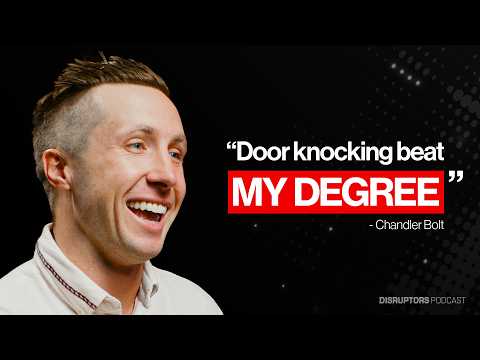
”“TV commercials to me are the thing that really build credibility for everything. You have people calling you. It's very hands off once you have it set up and dialed in.”
”“With TV commercials, it's closer to $5 per thousand people. You're able to get a 100 times more impressions with TV compared to postcards.”
”“When someone's wanting to sell their house, it's a good deal. Get out there as soon as you can. If an hour later, twenty four hours later, but days later, that's there's no excuse for that.”
About the Guest
Full Transcript
19553 words
Full Transcript
19553 words
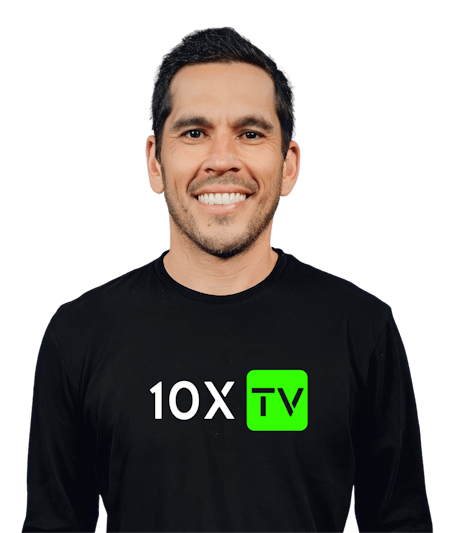
Steve Trang: Everybody. Thank you for joining us for today's episode of Real Estate Disrupters. Here we have Tony Javier with ten x TV and Tony Flynn from San Diego to answer the most pressing question. What is the number one marketing channel to scale your business? Now I am on a mission to create a 100 millionaires.
The information on the show alone is enough to help you become a millionaire in the next five to seven years. If you'll take consistent action, you'll become one. And this show is brought to you by our sister company, InvestorLift. Get access to millions of cash buyers across the country. Go to investorlift.com, put in disruptors to get 10% off.
And, guys, if you get value out of the show, please hit that subscribe button. That way we can all grow together. You ready?
Tony Javier: Do it.
Steve: Alright. So the last time you were here, we were talking about, you know, what's changed in TV marketing and this and that. But before we even do that, we're talking offline about working smarter inside your business. What does working smarter inside your business mean?
Tony: Great question. I love talking about this topic because for the first ten to twelve years, I worked really hard Mhmm. And I didn't work very smart. And I feel like I've dedicated the last especially the last five to seven years with working smarter. Mhmm.
And to me, smarter means what you get out or what you put in is exponentially less than what you get out of it. Mhmm. You get exponentially exponentially more when you, you know, what you get out. Mhmm. And so for me, there's probably two to three things that I think have allowed me to go from working sixty to eighty hour weeks in my real estate investing business to working just a few hours a week in my real estate investing business so I can touch on some of those.
The obvious is people. Right? You know, a lot of people try and do a lot of things themselves, which in the beginning, you kinda have to. Right?
Steve: Right.
Tony: But as time goes on, you realize that you probably aren't the best at everything. Mhmm. Right? I mean, there's times I'm sure likely
Steve: you're the best at everything.
Tony: I'm sure you remember, like, I have to do this because it needs to be done right. Mhmm. To me, it's like somebody else needs to do something now Mhmm. Because I want it done and done right. I just to me, I don't have the time necessarily to put to try and do everything.
Steve: Yeah. And
Tony: I can typically find people that are better than me at doing certain things. You know, I don't wanna go run a PPC campaign. I don't want to, you know, remodel a house. I don't wanna take sales calls. I mean, those are things that aren't my genius.
And so finding people that, can do what you're not good at and what you don't wanna do, and then take the things that you're really good at and keep those. So for me, it's taking the things that, one, I enjoy doing, two, that I'm good at, and three, that provide a lot of value. Those are the things that I Mhmm. That I keep and that I do in my business.
Steve: Say that list again.
Tony: It's, do I like it?
Steve: Mhmm.
Tony: Does it bring value to the company monetarily wise? And am I good at it? So am I good at it, monetary, and I like doing it.
Steve: Yeah.
Tony: Right? Things that bring you joy. And you you've heard the term, you know, if you do what you love, you don't work a day in your life. Right?
Steve: Yeah.
Tony: So I love working on marketing. I love working on ideas. I love working what we just talked about a little bit ago and taking over the world. Right. What can we do next to take over the world?
Right? So those are the things that I love to do. All the little stuff like like implementing things, like, that's not my genius. Right? I love seeing things.
I love visualizing them. I love talking to people about them and then working some kinks out and saying, you know, go do it to my team.
Steve: Yeah. So a couple different things. So first, this is something that kinda evolved into. Right? It's not like tomorrow, you say you go do this, because you hear the message, do do what you love, you'll never work a day in your life, which is true eventually, but not when you start.
When you start, you gotta wear all the hats. So how long did it take to go from wearing all the hats to now you get to do what you love as valuables to the company, and you're good at it. So I
Tony: started in 2001. Mhmm. YouTube wasn't around. Facebook wasn't around. Masterminds weren't around.
So I had a pretty big disadvantage. Mhmm. But I guess the advantage I have is there wasn't nearly as much competition.
Steve: Right.
Tony: So from 2001 to 2010, I worked really, really hard in my business. I put my nose down, kinda went to some conferences. I kinda, you know, went to some meetups, things of that nature, but I was just I was grinding away. And I thought that's what you had to do. I thought if you went to networking events, you know, you you're you're, you know, you you didn't get as much done that if you It was an abstraction.
A 100%.
Steve: You're giving away secrets.
Tony: And if you ask for help and you tell people you're struggling, you're weak, you know, all that all that stuff.
Steve: So so
Tony: I just put my head down and just worked. And I hit a bottom point in 2010 where I fired my whole staff within a thirty day period, and that was the third time that it happened. Mhmm. And so from then, I was like, okay. I gotta make some changes.
And luckily, I found someone who ran a successful real estate investing business that didn't look at houses, didn't show properties, didn't meet with buyers, didn't meet with sellers, and had one or two other successful businesses on the side. Mhmm. And when I heard that, I was like, how does he do that? There's no way Yeah. You can be successful in real estate without meeting with a seller, without managing the projects, without keeping your your hands on things.
Steve: Mhmm.
Tony: And so I hired him as a coach and got in my mind, like, you can do this business without working in every single aspect of your business. Mhmm. So, eventually, I just kinda chipped away at it. Right? I, hired, I actually took, hired my sister.
Mhmm. She's been with me now thirteen years, and I leveled up. So talking about people, I leveled up my game with people. So she she was the most I'd ever paid at that time by a long shot, and now I pay her three times that amount. So she's really grown helped me grow the business, and I've rewarded her in the process.
And, you know, I I just came from pain. It came from hitting rock bottom and saying I need to make a change. And then, luckily, I found that coach, and then, again, I just chipped away at it. You know? What are the things that I could hire for and kinda start giving people?
And it and it took me from, I think, 2011 or 2012 was when I hired that coach. In 2015, '14, I think. So two to three years, I was able to once I had it in my mind
Steve: Mhmm.
Tony: That I could have a business successful that ran without me, I went, went from Wichita, Kansas and moved hundreds and hundreds actually, over a thousand miles away to Tampa, Florida for a year, and then I'm I'm now in San Diego. But I was able to move far away from my business after a few years of just, one, having the vision that it can happen Right. And then, two, just chipping away at it. It's not overnight, like you said, or like you insinuated. Yeah.
It takes some time.
Steve: Yeah. It takes some time, but you also have to have the skills. Because it's not like you you you listen to the show. Like, you're listening to this, in your job. Like, oh, if I quit my job, it'll take me two, three years to get here.
You had to have cut your teeth, made some mistakes, had some big wins, had some big losses along the way before you had the idea of of removing yourself from the business, I imagine. Mhmm. Right? So if someone's listening today, right, they've never done a deal. They're, like, they're on the cusp not on the cusp, but they're they're thinking about quitting their job to get into real estate.
What would you speculate? I'm curious because I have some ideas too. What do you speculate it would take from someone that just quits their job to being completely removed from their operations?
Tony: What steps does it take?
Steve: How long do you think it would take?
Tony: Oh, how long? That's tough Mhmm. Because we actually have people that are running TV commercials with us that have a full time job. Mhmm. And they do that purposely because they want a consistent income, but they wanna invest in real estate.
And Fascinating. They you know, some of them, I think, are kind of trying to work themselves into, you know, out of their job, and some of them just like that safety and security or have been with that job so long that they just like it.
Steve: Yeah.
Tony: And so, I would say the it's so situational. It's all about, you know, is it's the skill. It's the execution. It's who you surround yourself with. It's how much money do you have to invest in coaches or systems and and operations.
Yeah. I would say that for someone to go from working nine to five, let's say they'd never done a deal before, I'd say the average person could do it in twelve months. Yeah. Because in real estate investing, it doesn't take that many deals to make good money and replace your income.
Steve: It does not.
Tony: The average household income is, what, 40,000, I think. If I'm being 40,000, you have
Steve: to have 42, 43,000, which is crazy to even think about.
Tony: Mhmm.
Steve: But yeah.
Tony: Yeah. You make that on one deal. Yeah. Right? So we actually, I had someone, 21 years old.
In his first three deals, I think he made over $200,000 in in three deals.
Steve: Yeah.
Tony: And I don't I don't know if you had a job beforehand, but, I mean, think about it. Mhmm. You make that much money on two deals that gets you going. Right? So I think it it's situational, but it can happen in a very short amount of time.
Steve: Yeah. Let's think about this. Right? Just a thought experiment. So I'm working at Intel.
Right? This back in those days. Mhmm. I I called Tony. Like, hey.
You know, I wanna get into real estate, and I wanted to start with TV. So what would be the budget you would recommend to someone? Let's not say a major market like Phoenix, but like a mid market. With the budget to get started in the TV.
Tony: Great question. So first of all, TV is not for everybody. We do have some investors that we've gotten started with TV commercials. We're pretty picky about who we, want to do TV because, it is an investment and there's a commitment to it. Mhmm.
But I started when I started TV commercially, if you remember the story I told last time, I started with $3,000 a month. Alright.
Steve: I was
Tony: able to get hundreds and hundreds of commercials for $33,000 a month. My first month, I made $35,000.
Steve: Yeah.
Tony: Right? We have a minimum now, that we that we have. It's at least 5,000. Really, it's priced 7,500 a month, but 5,000 a month is probably what you wanna spend. There's some small markets that we can't even really spend 5,000 a month, and it doesn't make sense for us to spend more than that.
Yeah. So I would plan on at least at least 5,000 a month for sure.
Steve: Okay. So let's say 5,000 a month. And then do you have an idea let's just say again say, you know, a mid tier market or mid sized market, what their typical fees are typical, assignment fees are.
Tony: It's all over the place. I mean, we've had someone that's invested $5,000 a month in a market, and they were making consistently a 100 to 200,000 a month for their first, like, six months. Yeah. It was crazy. Right?
Mhmm. And then some, we have spending a lot more than that that their months aren't as big. Right? So the numbers are all over the board on what to expect. But if you do the math, let's say you spend 5,000 a month and you're making $25,000 on a deal on average, which is probably what most investors are making now between wholesale and and fix and flip, some higher, some lower.
You only have to do one deal every five months to pay for the ad spend. Obviously, you don't wanna just pay for the ad spend, but, if you do one deal a month, you're five x ing your money. You do two deals, you're 10 x ing your money. Mhmm. Right?
So it doesn't take that much to get your money back from TV. And the great thing about TV is that it just like when I launched, twelve years ago, eleven years ago now, TV commercials, it performed very quickly, almost every single person that we launched because it's we get them so many commercials. We get so many eyeballs on their commercials. They're typically doing at least one, if not three or plus three plus deals in their first month, and they're off and going. So, yeah, it can it can perform very quickly, and it doesn't take that many deals to really, see a good return.
Steve: Okay. Because, again, I'm just I'm just just going through the thought experiment. So five k, 25. Let's just assume maybe it takes you three months, right, to get your first deal. You still have 10 k, right, over three months if you're spending 5 k a month.
Do another deal or two. You're getting pretty positive pretty fast. At this point, you can hire an admin and hire an assistant. Eventually, you can grow your you you you've got the marketing figured out if this is working. Right?
Then you can work in your sales skills. One of the skills, I think, pretty critical, pretty crucial to learn. You get your sales skills down. You get your conversions up. You can start eventually hiring salespeople and transaction coordinators.
So it doesn't seem like I think you're saying twelve months. I don't think it's unrealistic to be able to get to that point. I think the greatest challenge is gonna be the individual. I'm sorry. We didn't bring brought up coaching it.
And you guys have coaching element within your your group. It's like a little mini mastermind.
Tony: Yeah. Yeah. We do, biweekly calls with our with
Steve: our clients. So there's so on top of that, there's a little bit of a, there's coaching included in your in in your services. So between all that, it really is up to the individual how well they can absorb all these life skills, business skills. Right? Because it you said '2 you you started 2001 when you say?
Mhmm. Yeah. Right? And I started looking back. I bought my first rental prop or investment property in 2005, but I didn't really start actively until 2007.
Mhmm.
Tony: So it
Steve: was a compress, you know, the sixteen years that I've been actively in it. Twenty two active years, you've been actively in it. How quickly could someone absorb the the, the experience, the wisdom, the don't do that. That's a bad idea. Because, I mean, how how many bad ideas have you had, Carla?
You were to get
Tony: a I have some every day, I think.
Steve: Right? Just these tragically horrible decisions we make. Like, okay. Well, we're gonna have to spend the next three, four months undoing that mistake. Mhmm.
Right? I think we're gonna get to some of those mistakes later on. So I'm just wondering, like, maybe is it is it two years, is it three years, is it five years to get to a point from day one, I'm quitting my job, I'm I'm all on TV to, like, I am no longer involved at all, or I'm involved less than four hours a week.
Tony: Man, again, it's situational. I think Yeah. I've had some I've had some really smart people that have been started, TV with us
Steve: Mhmm.
Tony: That I looked at their business, and I'm like, you're only in this business for two years now, and you're doing over a 100 deals a year. And you have x amount of people working for you, and you'd you I mean, I think they're maybe a little bit more hands on in the business, but, but they did in a short amount of time.
Steve: Right. And I
Tony: think a lot of it has to do with education out there. Mhmm. There's just so much education out there. You know, when I started in 2001, I got CDs I had to put in a in a computer in order to to get the data and and read the workbook
Steve: Mhmm.
Tony: Because I bought Carlton sheets back in the day.
Steve: Gotcha.
Tony: So it's a workbook and CDs. These days, you can literally pull up your phone, listen to a podcast, watch a YouTube video, get this great idea, call Tony or whoever to to get their marketing going.
Steve: Right.
Tony: And then they're a real estate investor. And then then they have masterminds they can go to.
Steve: Mhmm.
Tony: And then they have people that they can call. They have all kinds of content that they can consume.
Steve: Business coaching.
Tony: So, again, it's down to how dedicated are they to consume that, how fast can they implement it. There's so many different factors. But I would say
Steve: Yeah. So are they willing to invest? Are they willing to put in the work? How quickly can they absorb?
Tony: Right. And I would say the average and I'm gonna I'm not gonna say the average person because there's there's no offense to anybody, but there's there's people that you just know aren't gonna be able to make it.
Steve: Yeah.
Tony: That that is just not gonna work for. So I'm gonna take the ones that I feel like are motivated and above. I would say, within twelve months, you should be able to replace your income. Mhmm. And to get to a point where you're not working in the business anymore, that could happen in another year as well.
Mhmm. There's a lot of different things that come into it. Like the gentleman, the 21 year old, he made $200,000 in his first three deals. Let's say someone else makes $30,000 in their first three deals. It's dramatically different the amount of capital you have to reinvest.
Steve: Right.
Tony: So it's very situational. But I would say, again, just to answer your question, it can happen within a year to two years where you can go from never investing in real estate to investing in real estate to a business that maybe doesn't run without you. But it also depends on how big you want your business.
Steve: Yeah.
Tony: Like, you and I, we don't want to just sit back usually. I mean, I say I work a few hours a week in my real estate investing business, and I take the other thirty seven hours and do other things. You know, I've cut it luckily back to a, like, manageable forty hour week. Mhmm. But, yeah, I mean, it's it's it's it's very situational.
If I make a $100,000 in my first deal, it's a lot different than if if I lose $30,000 in my first deal. Now I'm gonna be out of the business most likely,
Steve: right, which I see a
Tony: lot of people do.
Steve: Yeah. You know, you you talk about, there's a group of people, larger number that we have not a lot of hope in. There's a handful that that that we see have potential. It's interesting. I was listening to a podcast.
It was, Impact Theory. He has a CIA agent. I've been meaning to watch it forever. I finally watched it this past weekend. And he has this he says the way the CIA recruits is they look for individuals that have experienced trauma as kids.
Tony: That's usually the people that are crazy enough to start a business. Right.
Steve: Yeah. So you have to have a situation, and there's, like, all sorts of different trauma. Right? But it does have some sort of trauma, but not too much trauma.
Tony: Makes sense.
Steve: Because you have too much trauma, you now require external coping mechanisms, and now you're forget it. Mhmm. But if you don't have any trauma, then you're totally fine just living the normal life. Right? Like, we look to see, like, the schooling system and go to college and then go get a good paying job and then work until you're 55, 60.
Those are the people that, I guess, are not as broken or screwed up as we were when we were kids. I mean, according to the CIA.
Tony: So would you, in an interview, ask people about their traumas?
Steve: I'm thinking about it. I don't I
Tony: don't know how I mean, that's the first thing that comes to my mind. Yeah. I I mean, whether they would disclose a 100%, but I I think if you dig enough, people would probably disclose somehow that they had some kinda
Steve: Yeah. And and the and the truth is, if someone asked me, I was like, I I didn't have trauma. Right? Because, like, my parents were they love each other. They're still married.
Right? They worked their butts off, and they put six boys through college who all have engineering degrees. So it'd be pretty hard to make the argument that there was trauma. At the same time, they were never available because they're both workaholics. So I did have to fend for myself.
Right? And that's that part where you're a problem solver is that if your parents are never home, then you do have to take care of things. Not not for lack of love, but lack of attention.
Tony: Mhmm.
Steve: So you need to do some certain things. The other thing he talks about in that episode as well is that, if mom and dad are super busy in his case, his mom was super busy because she was a single mom. If mom and dad are super busy, how do you get their attention? Either positively or negatively. Right?
Either you do something really bad and then that's not good, or you have to excel.
Tony: For me, it was excelling. It was sports. Mhmm. Mainly sports. I mean, I played four sports all year round and Right.
You know, that that was my thing. So yeah. Totally.
Steve: So you have to excel in order to get mom and dad's attention. And I actually just hired a recruiting company. I haven't inked everything yet, but, yeah, like, what they look for are college athletes.
Tony: Right? I love college athletes.
Steve: Because we run a sales organization, we're actively looking for people that play college sports.
Tony: Mhmm. Even high school, I think, is good enough if they played at a high enough level, but definitely college. That takes, I played college football for a year. It's it's a different animal. Yeah.
Different animal for sure.
Steve: Well, I didn't play you, though. I didn't I didn't play I didn't play college. I didn't play high school. Yeah. So but, anyway, it was interesting that this idea of how the CIA recruits.
Mhmm. So now you like to do inbound marketing versus outbound marketing. Talk to me about the theories of of marketing.
Tony: Yeah. So there's a lot of different marketing methods. Right? So what I'm gonna do is I'll go from the top to the bottom. And what I mean by the top, the top is those that don't take quite as much time Mhmm.
And that perform well and that you have people calling you. Mhmm. And then all the way down to the bottom is you're reaching out to them, and it's a lot more hard work with these marketing methods. Right? So the top, obviously, is gonna be TV commercials.
TV commercials to me are the thing that really build credibility for everything. You have people calling you. It's very hands off once you have it set up and dialed in Mhmm. With the right scripts, the right shows and stations, and things like that that we feel like we've done really well. You don't have to touch it for at least six months, if not twelve to eighteen months.
Mhmm. I was actually talking to Ryan Pineda the other day, and he's running the same TV commercial for four years.
Steve: Yeah. He
Tony: hasn't touched it for four years. And so, so you have TV. That's inbound marketing, and you have to only take or only have to, get about 10 to 15 leads per deal.
Steve: Mhmm.
Tony: We actually have a lot of clients that said it's actually between five and ten leads, to actually get a deal.
Steve: So that's what I would've expected.
Tony: Right. And so that's that to me, that's the top. Now working down Mhmm. Radio. We do radio as well.
Radio is very similar to TV in the fact that you have people calling you. It is credibility. You're getting and I I didn't mention with TV. Radio is the same way where it's a broad reach broad reach, but you can dial it in with the stations and shows that you're targeting, but you're getting so much more exposure. So I'll give you some math here.
Direct mail, if you send a direct mail, campaign out, let's say a thousand postcards, it's gonna cost you about $5 or, excuse me, $500 to hit a thousand people.
Steve: Mhmm.
Tony: With TV commercials, it's closer to $5 per thousand people.
Steve: Gotcha. So you're
Tony: able to hit get a 100 times more impressions with TV compared to postcards. Right. And not only that, people hate postcards. Right? I mean, you you know, obviously, they work if if you hit the right person at the right time.
Mhmm. And so you you're getting a lot of bang for your buck with those two channels, and people are calling you. Mhmm. Then you start getting into the channels that are still inbound, but they still can take a lot of it still takes some time and effort, more time and effort. So then you have postcards.
And I I let me back up. Billboards is in there somewhere. I don't recommend billboards for everybody. I know that a lot of people have tried it and failed.
Steve: Yeah.
Tony: My opinion on billboards is you have to have a lot of marketing out there to make billboards work because then that billboard is just the extra thing that
Steve: It's omnipresence.
Tony: Yeah. Exactly.
Steve: So Until you have everything else going, billboards are worthless. Yeah. Once everything's going, billboards add value.
Tony: Exactly. Yep. So with direct mail, direct mail is still I could consider an inbound channel. People are calling you. Mhmm.
It is a little more intrusive because you're actually physically sending them the postcard that they don't want, most people. The time and dedication to it, even if you have a a mail house doing it, you still have to approve the message. You still have to approve the postcard. You still have to say, what is my you know, is this working? Do we need to change it up?
You have to know what list you're hitting. There's still, you know, some things that you have to do with that even if you have someone else fulfilling it.
Steve: There's more cognitive burden.
Tony: It is. A 100%. Yeah. And, you know, for me, again, working smarter is how much how little time can I put in and get a lot out of? Right?
Been working our way down, Google PPC Mhmm. And Facebook. Those are things that you're probably gonna hire out. Probably less time dedicated to it, but there's still it can change dramatically. Who who mentioned someone mentioned the other day or maybe it was earlier today.
Oh, no. I think it was you. PPC. Right? Mhmm.
Your PPC is going well, and all of a sudden, you have a big hedge fund that comes in and spends a crapload of money.
Steve: I'll spend you.
Tony: Then you're
Steve: Spend your lot of business.
Tony: What do I do? Do I do I, you know, do I change keywords? Do I add more to my budget? I mean, there's just so much, like and it could change overnight.
Steve: Right.
Tony: Right? And so, and Facebook can be the same way. Mhmm. Right? And then working our way down, cold calling and texting, you know, I I mentioned that a lot as a channel that I just think is really hard.
Mhmm. One, you have texting is obviously taking a hit the last few months with with regulations. I think calling is gonna be the next one that's gonna they're gonna, even regulate more. But you have to get through, and you I don't know if you know numbers on this, based on your clients, but 50 to a 100 leads typically to get a deal with Facebook or, excuse me, with, cold calling and texting.
Steve: I think numbers are worse than that. You have to have typically a certain number of conversations. So it's not, leads. So you get contacts that turn into leads, and the leads that turn into appointments. So, yeah, it's it's more than a 100.
If you if we're going just, like, straight, like, a a list of people, it's more than a 100.
Tony: No. No. I'm sorry. It's actually people that say raise their hand and say that I wanna sell. Yeah.
Steve: So So people that say
Tony: And then you and then you start having the conversation. You start digging into it.
Steve: Yeah. So 70 to a 100. Okay.
Tony: There you go. Exactly. And so how much brainpower does that take? If you have your team doing it, it's 100% brainpower. Even if you have someone else doing it, let's say you hire a company to do it, they still have to send you the leads that you have to sift through and say, are we gonna make offers on these?
Are we gonna go out to the appointment? Mhmm. People ghosting you. I mean, there's all kinds of different things to it. Right?
So it can be high return, 100%, but then your the time and dedication it takes to it, to me, is, like, we'll never do texting, cold calling. Well, you're
Steve: not you didn't even take into account the quality control. Yeah. Yeah. Listen to the cold callers. You gotta review the text messages.
Are they saying things that open us up for liability?
Tony: Good point. Yeah. A 100%. Yeah.
Steve: It's the reason why we have a deli we it's the reason why we create an LLC in Delaware. That's that's the reason. Yeah.
Tony: Yeah. And then, down there is driving for dollars, which, you know, could be a a great source. I don't know too many people doing that these days.
Steve: There are a few people doing it, and when they do it, they they crush it because it is laborious.
Tony: There's actually AI that does that now, I hear. Mhmm. It'll actually go into Google Maps and, like
Steve: Not a surprise.
Tony: Look at looking at houses and then automatically just send letters out. But,
Steve: anyway I've heard something about that. Yeah.
Tony: Yeah. Yeah. Yeah. So again, we're, you know, going back to working smarter
Steve: Mhmm.
Tony: Would you rather put something out there that you don't have to manage that much, that builds a lot of credibility, that does a lot for your business outside of just direct ROI Mhmm. That you have to spend less time working leads. And when and then the other thing is those leads that come in Mhmm. You're having to not have to build so much credibility for yourself. It's Right.
Not saying who am I, here's what I do, here's why you should use me. Usually, they already respect you out of the gate. They know you're spending money on TV. They think you're spending probably tens of thousand tens of thousands of dollars a month.
Steve: Or more.
Tony: They think you're way bigger than you are. You know? Yeah. There's a lot of different things there. And then and then just moving all the way down is how much time and effort does it take even if you're getting a 10 to 20 times return on investment Mhmm.
And you can only spend so much. You only have so many lists you can hit. You know? There's I've I talked to people that are in smaller markets, and they're like, we go through the list and, I don't know what it is, a few months or whatever it is, and then we have to go through them again. And then eventually, those lists get worn out.
Mhmm. And then where do you go? Right. So for me, it's we do every single one of those except for the bottom tier. We don't do driving for dollars.
We don't don't do cold calling and texting. We do Facebook, Google, direct mail, billboards, radio, and TV. Right? And so one of the things that I've been pressing our clients to look at is what you should keep and what you shouldn't. Because it frustrates me when someone starts TV with us Mhmm.
And they're getting a 10 to 20 times return on investment texting and cold calling. They come in with TV. Three to six months, they're getting the three times return on investment, right, which is kind of on the low end of what we typically see. But still, that's not bad, especially considering all the other benefits that TV has. And then they'll be like, we're thinking about taking that, you know, $5 or $7 or whatever it is and putting it into texting and cold calling.
I'm like, why don't you just add more to texting and cold calling? Why would you get rid of TV that's giving you a three times return on investment? And so I've had this conversation with a lot of clients is at what point do you cut TV? And I'm like, to me, if it's even breaking even to two times, it's probably worth it Mhmm. For many reasons.
One is all the other benefits you're getting, the credibility, the branding, your personal branding, you know, all kinds of different things. On top of that, you don't know if there's deals that you're getting from a lead channel, especially TV, that, could have been attributed other places.
Steve: So
Tony: there's many times a year where we get to the closing table. They said they found us on Google, and they'll swear by it, conversations because my team usually does a pretty good job of, like, asking them multiple times where they came from. And then they'll get to the closing table, and they'll be like, man, I'm just so glad I saw your TV commercial. It's like, okay. Now now you tell us.
Like, we asked you so many times where you found us, and they squirt with Google. Mhmm. And so, so that's one. And and the other and the biggest thing is all the channels work together. So we don't get a killer return on Facebook.
We don't get a killer return on Google. We don't even get a killer return on on postcards. We get, like, a two to three times return, which isn't horrible, but it's not great. TV is our best lead channel. This year, we're six times return, and we've been up to 12 times return.
But now I'm like, if we can break even on a channel, I'm just gonna keep it because of those things that I mentioned. But on top of that, some of those things that haven't ran long enough to really see the benefit or to really see, like, what it does on, you know, on a on a longer term scale. Mhmm. So for me, twelve months is a decent, gauge of where you can be on a marketing channel.
Steve: Yeah.
Tony: But, really, you probably would need more data than that. And so I look back at, Google and and Facebook, and we didn't get a great return, but we never ran for more than about, I wanna say, eighteen months at a time. We'd kinda, like, do twelve months, and we started in eighteen months. And it it was just kinda, like, back and forth of, like, we're not getting a great return. But now I'm like, you know what?
We have the money to do it. We have all these other marketing channels that are working well.
Steve: Right.
Tony: If it's at least breaking even, we're gonna keep it. Now if you're breaking in on texting and cold calling, absolutely wouldn't recommend it. But once you get to those higher tiers of marketing, then you can be a little bit more forgiving on your ROI.
Steve: It's hard to measure how much each one benefits the other. It really is because the how many people will be googling Tony Javier if Tony Javier isn't on TV? Like, why would they Google that? Right? So then how many SEO leads, quote, unquote, SEO leads did you get that you attribute the SEO and your brilliant SEO team versus TV or radio.
Tony: And then if you're great at Facebook retargeting Yeah. They saw you on TV. They went to Google. Googled you, went to your website. You were targeting them with Facebook, and all of a sudden, hey.
I saw you on Facebook.
Steve: Yeah. It's a great Facebook lead. Yeah. Right? It's hard to truly attribute.
And then the other thing too, like, I know, like, we had Gino Paloma. Right? He's one of our, star, star students, in the past. And then we talked about TV. He's like, yeah.
I don't know. It's like, you're building a social media brand. Right? You're letting everyone know in your market you're the guy. When you go to a meetup, when you get your teams out there and you're talking to these other wholesalers, you automatically have more credibility amongst other wholesalers.
You're more likely to get other deals sent to you from those other wholesalers. I mean, it's just like PPC. One of the things that just pisses me off, right, for as, like, forever was some new wholesaler Googles sell my house fast, clicks my ad, and calls me. Right? Like, how much money did you burn there or my money?
Tony: Mhmm.
Steve: But people do the same thing. With TV, it doesn't cost us anymore. I mean, how many wholesalers call you? Like, I got deals to move.
Tony: I'm not sure. My team doesn't really I mean, we don't really buy properties from wholesalers, and my team kinda knows that. So they probably get those calls and they're like, we don't wanna deal with you just because Yeah. It's it's like texting and cold calling. I mean, we've we've been through hundreds of leads, and I bought one deal from a wholesaler
Steve: just
Tony: because they don't they don't run their numbers right. It's just it's a waste of time for me.
Steve: They don't run their numbers right. And I haven't worked take that back. I have we did do a JV deal. It was like a 50 k wholesale fee. Us.
They don't run their numbers right, which usually is to our detriment. But every once in a while, extremely to our benefit
Tony: Mhmm.
Steve: They don't have to run their numbers.
Tony: Actually, to to to compound on that point, Dean Rogers, you've had him on the show.
Steve: Yeah.
Tony: We got him in the family mastermind and and, he was on the show here. So he he, he's been running TV with us for three years now. He started TV. He had a very small meetup grip. He wasn't getting much traction from it.
Started TV commercials, and then all of a sudden, the credibility and, you know, people just started coming to his meetups. Same thing started happening as people would call him and be like, hey. I see you're on TV. We've got a wholesale deal, you know, yada yada. And so he grew this massive meetup group in Fresno.
Steve: Mhmm. It's huge.
Tony: And he has friends with benefits. I think he's talked talked to you about that. Yeah. Just super cool and super funny. And he did he didn't tell me what his stats were last year, but I think it was the year before.
Did an extra million dollars that he didn't do the year before with JV deals
Steve: Mhmm.
Tony: From his meetup group, which again came from, you know, a lot from TV. I'm not gonna say it's all from TV, but you know what I'm saying?
Steve: Yeah.
Tony: So you're a 100% right. There's so much outside of just direct people sellers calling you
Steve: Mhmm. That
Tony: you get benefit from. We've raised a lot of private money in our, in our, in my hometown in Wichita. Anytime I get a referral from another one of our private lenders and that person calls me and says, oh, I've seen you on TV. You can tell the conversation's way different Right. Than if someone refers me to someone that's in California, and they're like, what do you do in Wichita?
And, like, you know, then you have to explain it, and then you have to build that credibility with them. So, yeah, it's just it there's nothing else that can do what TV does other than maybe social media. Mhmm. But it takes a lot to to build a social media presence.
Steve: Not just dollars.
Tony: I mean, you're talking you're talking about dollars and you're talking about years Right. To to build unless you I was
Steve: saying on TV is just dollars. That's it.
Tony: It's dollars. Yeah. You're right. You're right. Joe Schmo Yeah.
Who had never done a deal before and get on TV and people are like, oh, wow. Look at that guy.
Steve: Yeah. Yeah. And there's something we talk about in our sales training process where we talk it's, and we have these these goofy terms in my sales training. But one of them we call it, stranger danger. Right?
And it's like, how long does it take to go from a stranger danger to you and I are having a comfortable cordial conversation where we're laughing at each other's jokes.
Tony: Mhmm.
Steve: How long does that take? Inbound lead, thirty seconds, minute and a half. Cold calling, texting leads, like, three to five minutes to get this guard down.
Tony: I'm surprised it's not more than that.
Steve: Yeah. Well, maybe some of the stuff we're doing. But, yeah, to get the guard down, it takes quite a bit of work. If it's, if it's an outbound lead versus an inbound, you get instant credibility. So you mentioned, the return marketing.
So I'm curious to get this perspective. So, you know, growing not growing up. I I've heard forever in this business. You wanna have, like, four x, five x marketing at least, right, or or ROI at least. Because if you're not getting that, you gotta cut it.
And I was like, you know, one x, two x. Like, if I'm breaking even, I'm feeding my team. Like, it's fine. Right? It's kind of the the mindset I've had for the longest time.
And then, I do, a whale club with Paul Sparks. And one of the things he talks about is we generally run most businesses anywhere from a 20 to 40% profitability. If you're at 30%, you're actually in a upper echelon of business. Right? Most people are probably in 15 to 20%.
And if that's the case, that means that if you have a let's just say a $10,000, that's a low number, but just for easy math. If $10,000 comes in, right, 8,000 of it's already gone due to expenses and so on because that's your profitability if you're running 20% profitability. You only get to keep 20 the 2,000 net. The 8,000 is already spent before it came in. As for that reason, you have to have a, like, at least a five x ROI if you're running a 20% margin business.
Or else, if you're running a 20% margin or if you're running a 20% profitability business, but you're getting a two x ROI, By the time that money comes in, you're already upside down. Curious what your thoughts on that.
Tony: So there's truth to that. Here here's what you're not considering, and maybe you have thought of this, is what we're doing now. Let's say you're doing five deals a month. Mhmm. Right?
There's a certain overhead that it takes to do five deals a month Mhmm.
Steve: Or
Tony: 10 deals or whatever the number is.
Steve: Yeah.
Tony: If you add another marketing channel that brings you another deal a month Mhmm. Are you having to spend what is that number? 10 to 20%? So from five deals to six Mhmm. So adding one
Steve: Mhmm.
Tony: That's 20% more deals. Are you adding 20% more overhead?
Steve: Not more overhead. No.
Tony: Probably not. No. So there's a point where you have to look at it from a net income perspective, but then there's a certain point once you start adding things on, you're not you're not spending 80% of that money Mhmm. From overhead. Right?
So if I add another 2,000 or let's call it $5,000 a month of PPC, it's bringing me 10. That's a 2 times return. Mhmm. There's an extra $5,000 coming in.
Steve: Mhmm.
Tony: How much of that extra are you spending with that one extra deal? It's probably an extra, commission with your people, and there might be a little bit of extra overhead with TC and things of that nature.
Steve: Right.
Tony: But I think once you start doing more deals, then you have to look at it from perspective of how much extra that deal is taking in overhead compared to the whole business itself.
Steve: Yeah. It's a great point. So we never really debated it, so I just wanna get your perspective because we were just talking about that specifically. Now you get you have a a 100 ish, 110, 115 clients with you guys right now. Mhmm.
So I imagine in having that many different clients, you get a chance to see what's working and what's not. Do you ever see operationally whether it's, sales, processes, whatever, some of the biggest differentiators between the the operators?
Tony: Well, it's interesting because when we talk to a client and they come on as as a client Mhmm. We can typically I don't wanna say pinpoint, but we can pretty much pinpoint the ones that are gonna do really well.
Steve: Mhmm.
Tony: Usually, it's because they understand, they're really excited, and they almost have no hesitation. That's part of it. And that's part of their personality is, like, we're gonna make it work. Let's go. Let's do it.
We'll figure it out. Right? So that's part of it. And then you look at the other side of it as, man, this person, they're they're doing deals, but they're maybe not as dialed in as some of the other clients that we have. Right?
And so, I'm sorry. What was the question again?
Steve: As far as, like, how you can see, like, the difference, in processes, in sales, whatever.
Tony: And what's working, basically?
Steve: What how do you what's differentiating? What what are the differences?
Tony: Yeah. And I I think it comes down to the operator. You know, I mentioned before we started that, you know, we've, listened to some of our clients' calls in the past, and you can tell who's dialed in and who's not. If their team is answering the phone, hello, or they're having the conversation with the client and you got babies being screaming in the background
Steve: You will not answer hello.
Tony: That's different than, hi. This is Tony with professional home buyers. How can I help you? And then, you know, and and then the whole sales process. I mean, you you know all this, the right questions to ask, setting the appointment, building rapport.
I mean, there's all types of different things. I think the sales process is the biggest thing and usually comes down to the operator, Mhmm. You know? Because usually, it's either the operator that is taking the calls or it's the operator that's trained their salesperson to take the calls because they used to and they had to train them.
Steve: Right.
Tony: And I think that's the biggest downfall. I think it's it's it's interesting because you heard this before. People say PPC doesn't work or TV doesn't work or radio doesn't work or whatever. I used to take that with, oh, crap. That doesn't work very well.
But now it's like, it's the operator, number one. You know? Did they work the deals? Right? Because when if someone does TV with us and they said we got 90 leads our first three months and we did one deal, that's not a TV issue.
That's a sales issue.
Steve: Mhmm.
Tony: Right? And it goes all the way down the line. So I think I think sales is probably the biggest part of it. And, again, it's the operator and the mentality of it. You know?
It's it's interesting because, I mean, you're in sales. When you when you contact a company
Steve: Mhmm.
Tony: And you you you you analyze their sales process, 90% of businesses in this maybe even more than that I
Steve: was gonna say it's more than 90.
Tony: Don't really even have a good sales process. Yeah. Like, there's a guy I'm not gonna name his name. Maybe I shouldn't. Anyway, he he services he he has over a 100 employees servicing real estate investors.
Mhmm. Right? And I got on a sales call with one of his people, and I'm still confused at what they do. And they didn't ask for the sale. They didn't ask me to sign up.
They didn't and it was anyway, it was it was it was it was really bad. And that that happens with so many businesses. Like, if you call and and and and I I would have you guys try this. Go online and find 10 businesses and call them. Mhmm.
Probably half of them don't answer their phone. Mhmm. Leave a message and probably 10% of them return your call, maybe 25%. And if that person answers the phone, they're not asking for anything. Even if it's a restaurant, it's like, oh, what's your name?
I can get you in at this time even if you don't take Reserva. I mean, there's so many different things that you can do with getting people to commit once they get to a certain point. Mhmm. They're raising their hand and saying, I wanna sell my house. Like, we we've heard sales calls before where someone's like, I don't know anything on the house.
I bought it for $50,000 thirty years ago. If I can just get 50,000 out of it, then I'll sell it to you guys. Okay. Well, let me run the numbers on it, and I'll get back to you. And it's like, what are you doing?
Schedule that appointment. I knew that from the very beginning, and that's probably my personality of just you know? Yeah. But when someone's wanting to sell their house, it's a good deal. Get out there as soon as you can.
If an hour later, twenty four hours later, but days later, that's there's no excuse for that. Yeah. And, so, you know, you know the term speed speed to lead.
Steve: Oh, yeah. And it's it's particularly painful. And I forget the sell side. Right? I'm just thinking as a consumer.
Every time I need something fixed, it's just a nightmare.
Tony: And you want it now. Right?
Steve: Right. I wanna I want a a refrigerator repairman over here. I got something wrong with the pool equipment. Whatever. Like, I'm right here right now.
I want this problem fixed, and just forget about it. That will never happen. Right? Like, I've got to call it four or five different refrigeration refrigerator companies, and then I'm gonna have a window of time between, like, you wanna, like, you know, from 8AM to 12PM or 12PM to 5PM. Like, it's just this this whole thing.
It's like, oh, well, we don't take voice mails. Can we just email an inquiry? Don't you guys want my money?
Tony: Yeah. Yeah. My my wife spends hundreds of dollars a month at this coffee place, and the app wasn't working. And so she called in, and she's like, can I just call in an order? Oh, you have to do it on the app.
Steve: And
Tony: we're like, the app's not working. Well, we have a policy we just can't do. It's like, why would you not let your customers call in for a, this is California, $7.50 for a latte, or a small latte. It's not one of the big ones. It's not the grande.
Not the carpet, you know?
Steve: It's a small
Tony: it's a small latte for $7.50, and you won't let us call in an order. I mean, it's just little things like that that just drive me crazy.
Steve: Here's my money. Please take it.
Tony: Yes.
Steve: Yeah. So we have we've had, all sorts of different friends in this industry. Right? We had Jason Lewis with Invest Machine, Stephen Badgers with Left Main, David Richter, Profit First. And we had this whole deal last year when, like, what the heck is going on in this market?
Mhmm.
Tony: And we
Steve: kinda saw this kinda slow roll from the West Coast where these vendors or not vendors. Our clients were like, hey. Business is tough. I'm gonna have to cut back. And kinda rolled all the way to the East Coast.
I don't know why is how it rolled out that way last year, but it did. What did you see as far on the TV side?
Tony: Well, first of all, I don't understand why people cut back when times when they're bit like, they're doing less business. Mhmm. Unless, like, literally, the cash is not coming in and, like, they just have to stop for a little while. I understand that. But when people do that for long periods of time, it's like, if you're still getting return on your marketing, keep doing it.
Steve: Right.
Tony: You know, if there's one chance you may have to look at some channels and go, okay. This one isn't performing as well. Maybe we need to stop this one for now. Let's concentrate on these. Let's build some cash back up or do some more deals.
Like, you know, there there's there's that whole thing to go through. But I just don't understand people who just go to all their marketing and say, we're gonna cut this and we're gonna cut this, and and then all of a sudden, they're spending 50 to 50% or less of what they were spending before. Mhmm. What's gonna happen? Less business is gonna come in.
Right? So that's my my thought on that to start with. It's interesting because we did see about this time last year a dip in our clients. You know, we we lost about five to 10% of our clients by closer to 10%, and some of them end up coming back Right. When interest rates started rising.
Mhmm. But it was usually with those that were, fixing and flipping, and they just got caught with more inventory because interest rates went up. There was a low on the market, and people got scared. And so that that's where that whole cutback happened. Luckily, this year, we have had very few people cancel and especially in the last six months, and we've actually had a lot of clients, add anywhere from 20% to a 100% to their budgets going from, you know, 10,000 to 12,000 or 10,000 to 20,000 or 10,000 to 15,000 or 5,000, 8,000.
And that's I think that's partially because the market's still been good, and we have, you know, some really good operators in our program. Mhmm. And so once they start doing well, then they start adding. And to give my overall perspective on the market, there's still a lot of uncertainty, but the fact is is that there's still low inventory. Mhmm.
There's still, people with three to 4% interest rates, 35% interest interest rates. They don't wanna give those up. Mhmm. I even bought my house last year at a six and a quarter interest rate. I don't even wanna give that up to go pay 8%.
You know what I mean? It's like so you have very few people wanting to sell, and there's just a lot of other factors that come into play. You know? I I think you saw, Jason Hartman give this statistic. I think it's it used to be 30 to 30% of the houses were paid off in The US.
Now it's closer to, like, 40%, I think.
Steve: Yeah. That's what I heard as well.
Tony: And then the amount of defaults is is still down, and people say, well, there's 50% more defaults. Well, if there's one default now or two defaults and now there's three, obviously, that's 50% more. You know what I mean? I'm exaggerating a little bit. But I think, you know, if you go on YouTube, there's all these doom and gloom videos.
In fact, I kinda got sucked into them about a month ago. I I didn't really pay attention to them, and I started listening to them and I started going, holy crap. Some you know, something's probably gonna happen. And then I'm like, this is just instead of, you know, Fox or CNN, this is YouTube people trying to get people to click and listen. So in my opinion, if something happens, it's gonna be fairly slow.
Mhmm. And so I think if people want to prepare for it, they just need to make sure they're lean. Meaning, you know, there were there were, back in 2019, we were consistently doing five to 10 deals every single month, juicy deals. And, I got complacent, and we had 15 people working for us. And then after analyzing it after we laid off a bunch of people, we probably only needed maybe 10 of those.
Mhmm. And so long story short, we had a few months that were, like, really slow, so we ended up cutting back pretty quickly. We went from 15 employees to, like, three. Mhmm. We're back up to, like, I think, 10 or so in in that business.
So I think that's one thing is looking at your business and say, what am I spending money on even if things are really good that you don't need?
Steve: Right.
Tony: And then, and then just being smarter with the deals you're doing. So, we may or may not get into it, but, I funded some deals this last couple years. And one of the things that I did wrong, big things, is I funded deals in a certain price point that now that things have shifted, or or interest rates have changed, I should say Mhmm. The upper price point properties are getting hit
Steve: Hard.
Tony: A lot more than if lower priced properties are getting hit.
Steve: Yeah. I mean well, when you say high higher price points, I mean, like, what what kind of numbers are we talking about here?
Tony: Well, that's all market specific. A million dollars is not much in San Diego. A million dollars is is a mega mansion in Wichita, Kansas.
Steve: Right.
Tony: So in Wichita, Kansas, a Midwest market, I don't even know what our median price point point is. I wanna say it's probably a 180 to about a 180,000 give or take. And so to me, in in Wichita, Kansas, anything above $2.50, we have to second guess. Okay. Is it in the right area?
Is it gonna you know, is it show well? Is the floor plan okay? I mean, there's a lot of different factors. Whereas if we flip something that's a 150,000, that's a lot more forgiving. Mhmm.
And then again, in San Diego, a million dollars literally. Like, you have to spend $2,000,000 to get, like, a pretty nice house. It's it's insane. And so I think that's that's one big thing is making sure that the price points you're choosing
Steve: Mhmm.
Tony: Are ones that if the market does, take another hit or something happens, that there's gonna be a lot of buyers in that pool. Because once you go to the upper price points, one, interest rates are gonna hit those properties more Yeah. On a monthly payment. Two, is there not there's not as many people in the upper price point. Whereas if you hit that first time home buyer range, there's just always gonna be people in there.
And in a bad market, there's always people that will move from an upper price point down, but it they're not gonna move down to up.
Steve: Well, I mean, I know I've left countless amounts of money on the table. I know that for sure. Because I never wanted to have a large flipping company. Just didn't wanna do it. Mhmm.
Right? I saw too many people lose everything in o seven through o nine. Right? I got to witness it firsthand. The other thing, and this is just my own paranoia, is I never wanna do anything higher significantly higher than median.
Like, no more than, like, 50 past median because you never know when the market's gonna shift. You just never know.
Tony: Mhmm.
Steve: But when it does, median below is always safe.
Tony: 100%.
Steve: Median above, you just don't know. You have to have a killer product. If it's above median, it's gotta be a killer product price grade.
Tony: Mhmm.
Steve: Otherwise, it's just gonna kinda languish out there.
Tony: Yep. And then the other thing is just not taking on big projects.
Steve: Right.
Tony: You know? Our average rehab is probably 50,000, which is pretty decent, I guess, overall, especially in Kansas. In San Diego, it's a kitchen remodel. Yeah. But, just not taking on big projects.
You know? If if you have a flip project, try to do something that's forty five to sixty days, I would say, at the most. And then, you know, anything over a hundred thousand remodel, I'd second guess just because things can happen. And if it pushes out to four months to six months, then there's more more chance of the the market changing and, you know, the the margin slipping pretty
Steve: Yeah.
Tony: Pretty easily.
Steve: I have a pretty crazy risk tolerance, but, like, big rehabs just scare me. Right? And so, like, we had a deal. We canceled on it. It's like, you know, what was the problem?
Galvanized piping. That was it. But I don't wanna replumb a whole house. I don't know how long it's gonna take. Right?
I don't know what we're gonna have to do, redry wall and this or that, retile. Like, I just I hear galvanized pipes, and I was like, I don't I want nothing to do with this house. Right. Right? And so I'm not sure it's necessarily smart.
I just know that I am not qualified to turn that property around quick. Right? Because who knows what else is behind that, beyond the governance piping. Oh, so one thing I've noticed, right, because I get to keep my ears close to the grounds, get to hear other people, what's working their business, what's not working. I've noticed that you guys are picking up quite a bit of momentum, in the TV advertising space.
Tony: Mhmm.
Steve: What would you attribute that to?
Tony: Well, just like anything, I think you just need time and success, success stories. So, like, when I bought the Carlton Sheets no down payment system back in the day, I saw all the testimonials. Like, you know, this person would be like, oh, I bought the program, and two years later, I've got 10 properties worth x amount of dollars and this much cash flow. And I remember I remember vividly I don't remember the exact number, but I remember someone saying that they had 50 properties cash flowing x amount of dollars, and it was they had millions of dollars in equity. And I think that's probably one of the things that got me to call Mhmm.
And and order at that time. I don't even think you go online and order. And so when we go to our website, see dozens of testimonials. I mean, people that are just absolutely crushing it, big names in the game, and I think that just trickles down. So Right.
You know, you're a part of Collective Genius. You know, I'm a part of a family mastermind, investor fuel, all these masterminds. Mhmm. Once you start getting success or events for instance, investor fuel, we, joined there two and a half, three years ago.
Steve: Mhmm.
Tony: And it it took a little while to get our first client. And then once that client got success and they came back and they're like, guys, I'm crushing it. Then we had two or three people sign up.
Steve: Right.
Tony: And then all four people, the next meeting come and they're all crushing it Mhmm. Then it just it just trickles and flows.
Steve: Yeah. So all effects.
Tony: Yeah. And, you know, the space, it's kind of a big space, but it's small at the same time. So I think once you, get results and people start talking about it Mhmm. And you provide killer customer service. Our customer service is the best of any provider that I know, and the reason being is that I told the story last time, but I teamed up with my media buyer that helped me with TV eleven years ago, and he is the number one vendor I've ever had Mhmm.
Because he shows up on like, whenever we did a video shoot, he was he was always there early. Like, I would show up ten minutes early. He was already there. Like, that's just the kind of guy he is. You send him an email.
He's gonna get back to you usually within an hour. If he's if it's twenty four hours, I'm, like, texting Drew. I'm like, what's wrong with you? You know? It's like and so killer customer service, and I and it's not just his media team, but, you know, my side of the team as well.
I I just I teach killer customer service. So if you can get a client good results and you can have great customer service Mhmm. One, they're gonna stay with you for a long time, and two, they're gonna tell other people about you. Yeah. And so I think it just and, actually, honestly, we had results out of the gate, and I think a lot of it had to do with and probably the third thing is is it's hard to get on TV.
There's so there's so many factors to get on TV. You have to write the scripts. You have to shoot the commercial. You have to figure out what shows and stations Mhmm. To to be on.
And if you don't have any of those dialed in, and even if you have one or two of those dialed in and you don't have the other ones dialed in, there's there's a lot of things that can happen. So for that reason, there's little to no competition in a lot of markets. Mhmm. And so, you know, every everybody's getting hit with, I've got a PPC company. I've got a Facebook company.
I can do SEO. Right? You can you can throw a a rock and probably, you know, hit someone that's doing one of those channels that can do that for you. The TV commercials, I mean, it it's it's hard to do. Mhmm.
And there's really not many people that are helping other people do it.
Steve: Talk to me about the customer service component because I think this is huge. So, you guys might be tired of me talking about this already. Right? But, like, our our vision for 2024 is just to take over sales, like, in not real estate, just sales, right, all across. Mhmm.
And one of the things I said in our in our, strategy meeting a week or two ago was we're gonna be a world class sales organization. And what that means is that we wanna model the exact product we wanna sell. Right? If you call our company, I want us to sound exactly when they listen to, like, I want my company to sound like that. Mhmm.
Right? Which make it easier for the buyer product. So for you, when you're talking about delivering world class customer service, what goes into delivering that level of service?
Tony: I think number one is just communication. Right? Like, if I have a problem and and, Steve, I bought your product, if I email you, text you, you know, whatever form of communication that I I sent to you or your team
Steve: Mhmm.
Tony: And I don't hear back in forty eight hours, I'm going, what's up? Are you avoiding me? You know, there's all kinds of thoughts
Steve: about it. Money no good here anymore?
Tony: Exactly. Are you screwing me? Are you like, what's going on? Right?
Steve: And the stories we tell ourselves and the lack of responsiveness.
Tony: Oh, a 100%. And even if you email a client and you're, you know, something, you're still thinking to yourself, is the client mad at me? You know? Mhmm. So people these days expect immediate.
They want immediate. You know, you get on an app and you can get food in twenty minutes delivered to you. I mean, people just want things right now. So we have a rule that twenty four hours is our our response time a 100%. With people that call in just on the real estate investing side, people that call in, if they fill or if if they call in and leave a message or talk to our call center or they fill out a form, we wanna talk to them in fifteen minutes.
That's like our drop dead time. I don't know what you recommend on that. But, ideally, five minutes, ideally, a minute.
Steve: So say, like, our target's three minutes. I would not say we're excelling there.
Tony: Yeah. Yeah. It's it's hard. It it is. But fifteen minutes is is forgivable.
Mhmm. Right? If if I call a company and they get back to me in fifteen minutes, even if they get back to me within the hour, I'm pretty forgiving. Mhmm. If I call out here till the next day, I'm like, am I not you know?
Right. You know, do you not wanna serve me? Right? So that's part of it, just communicating. Like, if someone has a problem, if we get back to them, it's just gonna relieve them that we're there to help them.
We're gonna help them solve it. And then we don't cut corners when it comes to helping them. So if we launch someone and after thirty days, they're like or even two weeks, they're like, our like, we had a guy. He he launched in, on the East Coast, somewhere in Alabama. And he's younger, and, he was like he called after, like it was either two weeks or three weeks, whatever it was, and he's like, my phone's not ringing much.
And I'm like, that's weird because we have we we ran TV commercials there. We know You've
Steve: got the data.
Tony: We yeah. We know So, anyway, so we changed the commercial. We put me in it just to test it out, and his phone just started ringing. And I'm not saying it's because of anything that I did necessarily face. Or it could be.
Could be my baby face.
Steve: Yeah.
Tony: But I just connected more with them somehow. Right? And, you know, in other scenarios where people have said something's wrong, we're not just gonna be, like, give it time. I mean, sometimes you have to give it time if the phone's ringing. But we may go back to the stations and say, like, we like, back, election year, when was that, 2020?
Mhmm. Whatever that was.
Steve: '19.
Tony: So when, when that was happening and people were like, what's going on? Well, we found we'd go to the stations. We found out their commercials were getting kicked off because,
Steve: Presidential campaigns.
Tony: Yeah. They were paying more money for commercials. And so digging into that and understanding that, be able to communicate that to them quickly rather than finding out a month later when we get the post reduction report and we go, oh, you know, your your commercials weren't ran. Mhmm. So it's just a lot of stuff like that where it's like we actually dive deep into, you know, what the problem is, and try and solve it as quickly as possible, whether it's, you know, maybe writing a new script, putting someone else in the commercial, changing the usually, the stow shows and stations we have are pretty dialed in, so we don't really change that much.
But I think it's just showing them that you care and actually trying to solve the problem with them.
Steve: Gotcha. If someone wanted to get a hold, right, try TV in their market, like, what's the best way for them to try that?
Tony: Yeah. Then go to our website, remtv.com. Again, remtv.com. You can go on there. You can see our testimonials, our clients.
You can fill out some information and and see if your market's taken. Mhmm. And, and then we can quote how much it is, to spend in that market, and what it'll take and just show you what TV is all about and how we can, crush it for them.
Steve: Gotcha. So when you were here last time, we were talking about expanding to different industries.
Tony: Mhmm.
Steve: How's that going?
Tony: So I try to take over the world in in TV, not just in real estate investing. So truth is we have over a 100 real estate investors that are running TV with us, outside of real estate investing, so we can service any industry. Mhmm. So we we decided to go out and just target any business. Mhmm.
And we were just getting every like, just the low end of businesses that we're applying Mhmm. And and taking our time. And I think what was happening is number one, I I have a lot of credibility, and and I've known in the space. I've been in the business twenty two years, so I think I've got some credibility there. Outside of the real estate space, people maybe don't know me as well.
Mhmm. And, it just attracted just anybody and everybody. Yeah. So just all kinds of random businesses from, a urine company.
Steve: A what company?
Tony: Is that what you call them? Urens where the the ashes go in, urines?
Steve: Urns.
Tony: Urns. Urns, for pets.
Steve: Oh, man.
Tony: You know, just stuff like that. It's like they're like, is this good for TV? And I'm like, I just don't think that's gonna pill the masses. I'm sorry. And the other thing is real estate investing, investors can make a lot of money very quickly.
Steve: High margin business. Right? So High margin business, my understanding, high margin business, advertising a time slot where everyone else is selling low margin. Right? Like, I'm kinda picturing this.
It's like Lerner and Rowe or personal injury or drunk driving or I mean, is Home services.
Tony: Home service.
Steve: Yeah. We watch Price is Right. Right? Or, trade schools. Like, I'm trying to think of, like, what I used to always like, when you're homesick, what do you see?
Right? Like, those are kinda ads you see. Mhmm.
Tony: And I
Steve: think I'm imagining there's a lot of correlation between selling a house for cash and those other, services. So I think those are maybe lower. And this is completely conjecture. Put me in my place if I'm wrong. But these are typically time slots where people aren't having to pay as much.
Right? Because this is typically someone a market that isn't buying something expensive. Right? Like, if you're if you're if you're buying, again, trade school, if you're buying personal injury attorney, if you're buying, you need plumbing services, whatever, typically not a person that has a lot of money.
Tony: Right. Right? Yep.
Steve: Versus someone that might be watching, I don't know, American Idol after work. They probably have a job. They probably their spending habits are probably a little differently.
Tony: Mhmm.
Steve: So I'm wondering if this
Tony: No. You're right. You're right. So I'm gonna give you some statistics. The average person still watches two to three hours of TV every single day.
Today? They still
Steve: two to three hours.
Tony: Average person. Yep. Here's another great statistic.
Steve: How are they spending how the how how will they find their way to Facebook and and and YouTube and Instagram?
Tony: Well, they might be multitasking. I don't know. Maybe they're watching TV while they're scrolling Facebook. I don't know.
Steve: Yeah. I do I do hear, like, the average person has, like, two or three screens open at all times.
Tony: Yeah. Yeah. Yeah. And and which is I I actually am very sad for our youth Yeah. Growing up with devices.
Like, I'm so glad I didn't grow up with devices when I was younger. Yeah. But here's a here's a a killer statistic is 65 if if you're 65 and older, you're watching more than four hours. I think it's, like, four hours and twenty two minutes a day.
Steve: 65 and older?
Tony: So as age goes up, the more TV watch. Mhmm. And you know why that is?
Steve: What else are you doing?
Tony: What else are you doing? Because, you know, you may be retired. You're not working as hard. I'm sure there's a lot of other reasons. They just totally slipped my mind.
But the fact is is that we are trying to reach an avatar of 50 and older. Mhmm. Even 65 and older is probably even better because they're gonna downsize, go to retirement home, their spouse is gonna die. There's a lot of different things that can happen when they get older. And so who's our avatar?
And, it's older people and and lower income. Mhmm. And they're watching TV. And so not only is TV great for most businesses, especially if they're higher ticket items, but it's especially good for real estate investing just because our avatar is watching so much TV. Oh, and I was gonna say, it's also because they grew up with TV.
Mhmm. I mean, think about it. When a 65 year old was 10 years old trying to do the math. What was that? You know?
July, whatever it was. TV was, like, a big privilege. And if you had a TV, that's what you were doing during dinner. I mean, that's what we did.
Steve: And you were wealthy if you had a TV in the sixties.
Tony: Right. And so that's how they grew up, and that's how they're they're always gonna be. And a lot, you know, you and I who are, high d personalities in the DISC, for those who are familiar with it, a lot of people are s's and c's, and they do the same thing Mhmm. Over and over and over. So if they grew up with it, they're just gonna continue to do it for the rest of their life.
Yeah.
Steve: Yeah. And I think I'm just thinking as far as, like, your services. Right? Like, you're trying to sell TV to other people. They have to pay quite a bit more if they're gonna be in, I don't know.
I guess, what what do you typically sell? You sell, like, car commercials? I think, like, when you watch prime time, you're generally watching, oh, pharmaceutical ads. I mean, I watch, like, you know, yesterday was NBA kickoff. Right?
And and the Diamondbacks, I I I finally watched the game. Alright. It's game seven NLCS. Finally watched the game with the Diamondbacks this year, and watch the Suns game. And there's all these pharmaceutical ads and car ads.
Like, that's so it's gonna be hard for you to compete in this arena because prime time is typically for, like, these giant conglomerates that don't really have a, return on investment is not important. Right? Like, it's just blanket brand awareness marketing.
Tony: 100%.
Steve: Right? But then you go on this other side, TV or, real estate is high margin, and fortunately for us, low cost in those time.
Tony: Yep. And and we get quicker returns, so we, you know Right. We get the money back quicker.
Steve: A lot better.
Tony: Yep. Yeah. Yep. Yeah. And that's a great thing.
So to give you a statistic, when someone does TV with us, they get anywhere from usually the low end 300 to 400 commercials a month to a thousand to I think with my market, because it's pretty small, we spend a good amount of money. We get, like, 1,500 commercials every single month.
Steve: Yeah.
Tony: So that means 50 times a day, our commercial is being played. Like, the chances of someone not seeing our commercial, if they're watching t the four hour three two to four hours of TV is probably pretty slim. Yeah. And so that is a great point is that we get commercials for inexpensive because not a lot of people wanna hit a high higher end or higher age and a lower income demographic.
Steve: Right.
Tony: Right? And so we can get a lot more a lot more bang for the buck.
Steve: So then right now, then what is the state of outside of real estate for TV? Is it, like, we're just giving up on that We'll
Tony: still take on clients if they come to us, but I'm not pushing it. I mean, I I I just it's
Steve: it's lifting.
Tony: It's like I talked about working smart. Like, we could go and work really hard to find all of these clients outside of real estate, and the time it takes us to find one client that may or may not do well.
Steve: You find, like, five real estate investors.
Tony: We can find five to 10 real estate investors that will crush every single day of the week. Right?
Steve: Right.
Tony: Yeah. Yeah.
Steve: No. That makes total sense. Because I I I and, you know, when we talked about last time, like, I'm looking at the same thing. Right? Like, penetrating from real estate known as the real estate sales guy to the sales guy.
It's gonna be a heavy lift. We'll see how this goes. So what is your biggest struggle today?
Tony: Biggest struggle today? I think I think it's thinking about what the next thing is.
Steve: Mhmm.
Tony: And you and I talked about this again before we started, is you and I wanna do everything. Right? It's like an idea comes to us. It's like, how can I do that? How can I make that work?
And now it's it's a lot of saying no to those things. I'm way better even just, like, even than I was a year or two year year or two ago when I was last on the show, and saying no to things. So for me, I have to be very intentional. I think the the the struggle for me is not trying to take on too many things, I guess. And Yeah.
And so while I'm getting better at it, so really the next thing I'm doing is just gonna grow my social media. I haven't really concentrated on that. I've done a lot of podcasts, and I've, you know, done a lot of things like that on other people's, you know, and spoke on stages and things of that nature, but I haven't really grown my own social media following.
Steve: Yeah.
Tony: And I feel like, you know, I've got the experience, and I feel like I've got a pretty interesting life overall. And so I see some people that don't have very interesting lives that are building huge social media followings, and I'm like, why why why should I not be able to do it?
Steve: I mean, you have your own private plane.
Tony: That helps.
Steve: It should be easier. Right? That helps. Because we have a lot of influencers that are flying private. But you don't even know if they actually even took off from the tarmac.
Tony: That's funny because I I did I did someone did a presentation one time, and they they had a picture of them in front of a jet. Uh-huh. And they spoke about all these businesses, blah blah. You know? Anyway, so I ended up getting getting on a call with them.
I was like, oh, that's cool. Is that your plane, or do you charter it or whatever? I was like, no. That's my buddy's plane.
Steve: K. It's like Yeah. So you have these these influencers that aren't even flying private. You're just talking about flying private.
Tony: Yeah. Yeah.
Steve: Right? And you actually have a private plane. Yeah. You you should probably do something with it.
Tony: Yeah. It's it's good content for sure. That's that's one of the first things. In fact, I uploaded a a video yesterday, and it already has 700 plus views, which, you know, for a new channel is actually pretty good. Mhmm.
So, yeah, that's I don't wanna say that's a huge struggle, but, but, yeah, I think I think just figuring out what to do next without, sacrificing time or money.
Steve: Right. What would you say is the biggest lesson you've learned in the last twelve months?
Tony: Oh, shoot. I think probably that my wife's always right. To be honest with you, it took me almost ten years to truthfully, though, because, you know, we were talking about the funding business. I you know, last time, I think I was starting to wind down the funding business, and still twelve months later, I'm still trying to figure out to clean up a bunch of messes. Mhmm.
But she didn't want me to do that business, and she had a very good intuition on it. But when I told her about TV and wanting to start that, she instantly was like, I think you got something there. Yeah. Got funny, and she's like, no. And I and I ended up doing it anyway.
Mhmm. Luckily, she doesn't listen to podcasts, so she won't hear this. But, but, yeah, I think I think, again, the question was, what did I learn in the last twelve months? The biggest thing. I would say that and, smarter marketing.
Mhmm. That's why I, like talking about ROI compared to keeping the channel or not and just omnipresent marketing. So with, our real estate investing business, we're doing almost every single channel you can think of except for texting, cold calling, and driving for dollars. Bandit signs, we sporadically will do that, but, you know, it's it's a bunch of labor for our team, so we don't really do much of that. But almost everything else we're doing Mhmm.
And I'm I'm just gonna continue to do that because I just if someone is in Wichita, they're gonna know who I am. They're gonna know my brand is most likely. Right. And I wanna start doing that for our media company as well. You know?
Right. Before it was just podcast or we go to some masterminds, but now we're putting money into some Facebook. We're gonna start doing YouTube.
Steve: Oh, yeah. I'm seeing your Facebook ads.
Tony: Yeah. Yeah. I mean oh, you're in it. You're in some of those ads. Yeah.
Yeah.
Steve: Did you
Tony: see that? Yep. Your baby your baby face is converting very well.
Steve: Yeah. I saw Dean. That's the only one I saw.
Tony: Okay.
Steve: You
Tony: haven't seen yours?
Steve: I've not seen mine yet.
Tony: No. Okay. Well, you're in there.
Steve: Alright. Perfect.
Tony: So, yeah, I think, I think just getting smarter at marketing. And, you know, another thing I I I wanna get your opinion on this. So, again, it's it's what can I do next, but, also, what can I add value to our clients? Because we have a very good client base. So rather than going outside of our client base a lot, I kinda wanna figure out how to go inside of our client base and add more value to them.
Yeah. So we already do mastermind calls. We already hook them up with our service providers. I've got a great network I've built over twenty two years that I can connect them with people if they need it. I think the next thing that I wanna do is start a you have a you have c f CFO businesses, David Richter.
You have, you have, media companies that service real estate investors. But I don't know if anybody that really has a chief like, a CMO company Mhmm. Where someone could come in and help them dial in all of their marketing. Mhmm. I feel like a lot of people are very good at maybe, like, one marketing method, but they're not really good at seeing their marketing from a global perspective Mhmm.
And they're definitely not good at tracking their numbers. I mean, you'd be surprised at how many real estate investors that are doing deals at a high level that when when they come to us or when I talk to them, I'm like, hey. Share your numbers with us. They're like, we know we're crushing it, but and I'm like, well, what's you know, how many leads are you getting from TV? How well, we did a $50,000 deal last month and 30,000 this month.
I think I mean, I think it's doing pretty good. And I'm like, well, I I would like to see some good data so that way I know how our clients are doing. And so I think from people just don't that's, like, one of the biggest things. You could be the best salesperson in the world, but if you don't have the leads coming in, it could be
Steve: That's right.
Tony: It'd be detrimental to your business. So I think that's one of the things that I wanna implement next is maybe figuring out how to how to get I don't know if you call it a CMO company or what you call it, but something where we can help real estate investors dial in their marketing Mhmm. Because I I just don't think they're great at it.
Steve: Yeah. I mean, I think if you look at the masterminds and and and consulting, they have these what's the word I'm looking for? You know you need to do it. And they're in your face, you need to do this. But someone actually holding your hand and doing it, I don't know anyone else that's actually holding your hand and doing it for you.
Tony: Going into your dashboards
Steve: Mhmm.
Tony: And saying, you know, meeting every month, if not twice a month, What are the numbers on this? Mhmm. What you know, why are your numbers on it? And just because think about it. I mean, people are wasting and I've done it for many years too.
I mean, I I I can't say that I've had marketing dialed in forever.
Steve: Real estate for the longest time, you could get away with it.
Tony: You could. Because you could send a huge direct mail campaign, and it would get a five to 10 x every single day.
Steve: If you're if you're ever getting 10 x on your on your marketing, I mean, it's pretty forgiving. You need two and a half x on your marketing. Man, you're these dials need to start getting dialed in. You need to make sure that you're getting the right ROI. You're answering the calls.
You're getting back to people on time. You know your cost per lead. You have to know these things. If you're getting a two and a half, three x ROI. But we've been spoiled with five to 10 to 20 x.
I mean, texting, I think, at one point, I think we're, like, 40 x Dang. ROI on texting. Yeah. Right? You're 40 x on your ROI.
Like, every you just look like a genius. You don't have to have good systems. Yeah.
Tony: For sure.
Steve: Yeah. So I think yeah. I mean, I think that's something you wanna do. I think that's pretty cool. Yeah.
Is there anything specifically you're excited about for 2024?
Tony: No. I don't think so. I've never been, like, a New Year's resolution kind of person. I think every every year has its own, great things and its own challenges, and you don't know until you get into them. Right?
Is the market gonna change? Are we gonna start another business that's gonna absolutely blow up? I mean, you just don't know what's down the road. Mhmm. 2024, I think I think it'll create some more opportunities.
I think in the commercial real estate world, I can I I know almost for a fact that that's it's already taken a hit? I haven't really been watching it, but from what I understand and, I mean, you do the economics on it. We even have a a big commercial building in, Kansas, a co working space that we have a four and a half or 5% interest rate, and I'm pretty sure it's gonna go up to 9%. Yeah. And luckily, we can withstand it.
Whereas if we had 10 buildings that Mhmm. Our interest rates increased and, it it would it would be disastrous.
Steve: Yeah.
Tony: So I think if we wanted to shift some money and some time and, again, it's it's the factor of time and money. Do we wanna put time and money into something we haven't really done much of? Mhmm. I still think there's gonna be some opportunities that could be snatched up in the commercial world. So I don't know what that's gonna look like, but, it's it's gonna be
Steve: If you had access to a ton of capital right now or if you were just sitting on a pile of cash, the next three years in commercial could be, like, generation change in money. Mhmm. It could be. We really don't know. It could be, like, we're in 09/2010.
All those houses I didn't buy. Commercial could be like that in the next three three to five years.
Tony: Yeah. Yeah. And if you could buy at high interest rates and then interest rates end up coming down to be a reasonable Mhmm. And, you know, you buy it at what today's rates are and then later they adjust down to a lower rate, absolutely, you can make a ton of money. Yep.
Ton of money.
Steve: So I want you to think about the last thoughts you wanna leave everyone with. So, guys, you know, we I I will say that this is, exciting. We had Trevor Mach, Carrot.
Tony: Friend of mine. Yeah.
Steve: Yeah. We had Jesus Toledo, with $80.20 REI. We've got, I think, just three brilliant marketers in a row on the show. So if you guys are getting value from this show, please hit the subscribe button. Share these episodes.
Right? We can reach more people so we can create more millionaires. So please help us out. Help us reach more people. Hit that subscribe button right now, please.
What are some last thoughts you wanna leave everyone with?
Tony: Well, first of all, I wanna give you props on the show. You've built something amazing, and and just seeing kinda like we talk I talked about social media with, you know I think it was before we started hitting record. You put enough time and dedication into it. You know, for the first six to twelve months, nobody's really gonna listen to you that much. Oh, yeah.
Right?
Steve: For sure.
Tony: So props to you for not only getting through that, but then also just creating a great channel with, I mean, the names you mentioned, the people who have been on here have been unbelievable. So props to you for that. And the people who reach out to me from your channel, I think, are above and beyond some of the other channels that, I don't know. It's just the quality of people that follow you is is amazing. So I think that's great.
But for the audience directly, I would say, again, just think smarter. Like, how think about the time and money you're putting into something and what you're getting back out of it. I think that's something that I wish I would have done much earlier in the game is really analyze that. Mhmm. I didn't realize that you could let I mean, real estate is very great for leverage.
You can buy $10,000,000 worth of real estate tomorrow and have no money out of your pocket Mhmm. Just because you can leverage other people's money with it. But if you can go above and beyond and leverage people, leverage systems, and then leverage things that produce very high high level in marketing, the sky is the limit. You know? There's a difference between those that work really hard and those that work really smart.
I mean, a couple examples that come to mind, like Tony Robbins and Oprah Winfrey. I mean, you look at them, and they work really smart.
Steve: Mhmm.
Tony: And they do the things they love. They talk to people. They do seminars. Do you think that they're doing paperwork?
Steve: Do you
Tony: think that they're doing the books? Do you
Steve: think Collections.
Tony: Do yeah. Do you think they're calling someone that bought a $10,000 program and didn't pay all of it? And, you know, yeah. Absolutely. So I think just just thinking smarter.
And and it all starts with a vision because I before 2010, I didn't have a vision of really where I wanted my company to go. Mhmm. I just knew I wanted to do more deals. I knew that I wanted to do do certain things, but I didn't realize what I wanted from a lifestyle perspective.
Steve: Yeah.
Tony: So I think people get it wrong. They look at what they can do in their business, and then they adjust their lifestyle to it. Mhmm. And I'm in the mindset more. I'm gonna look at my lifestyle and then figure out how I can do the things in my business by still having that lifestyle.
I, I'm at home at 05:00 every single day, if not earlier. I usually take off Fridays at two or three in the afternoon. Wednesdays, I kind of block most of my day that I wanna go in the office and do stuff, I can, or I can go fly, or I can go play pickleball. Mhmm. And so I think just looking at what you really want in your life, because a lot of people get into business for what?
They want the time. They want their freedom. And they want yeah. And what do they get?
Steve: A lot of work.
Tony: Yeah. They they're broke. They're working too much, and they're just they're stuck to their business. Mhmm. And so that was a great question you asked of how long it could take someone to get from, starting in real estate to doing well in it and quitting their job, and then from that point to, scaling to where they don't have to be in the business anymore.
And I and I think it's a lot less time than people think.
Steve: Yep. You mentioned the the pickleball. So when Dean Rogers is on the show Yep. He's asking me about pickleball. Yep.
So I've told him I offend some people. Right? I'm just not ready to retire from sports yet. Now I fully recognize that pickleball is a very athletic thing. Right?
Tony: I actually got Dean into pickleball. So Yeah. Yeah.
Steve: Yeah. So I still play basketball. It's probably, like, it's a love hate relationship. Like, I love it when I'm playing it, but then you get these injuries. Like, why do I do this to myself?
Tony: Yep. 100%.
Steve: Pickleball, I'm just not ready. Because A
Tony: lot a lot less chance of injury in pickleball. And, yeah, yeah, it's not for old people. If you can't come and play with me, you'd you would
Steve: tell me something. For pickleball. Right? I have a very addictive personality. Mhmm.
Once I get into something,
Tony: I
Steve: am all in on it. There's just no more bandwidth in my life to add any more new passions. Right? I'm doing kung fu. I'm doing basketball.
I'm doing this. Right? Try my best to be a good husband and father. I add one more hobby. Like, it's just
Tony: Yeah. It's probably not the best then if you can't put a lot of time and effort into it because it is addicting. Once you get out there, you're like, oh, this is pretty fun, and you go again and you start hitting the shots where you kinda want to, and you're like, oh, this is cool. It's very social. You know?
You go like, in San Diego, we're spoiled. We can play a year round outside, and there's a a cool place in San Diego. You can just go anytime, put up your paddle, and and just play with people.
Steve: I mean, I know if I start, I'm gonna hire a coach. I just know. I'm gonna go and
Tony: Super smart.
Steve: And get obsessed with it, and it's just I just don't have like, it's the same reason why I don't golf. Right? If I'm gonna golf, I'm gonna get a coach, I'm gonna do this right, just don't have the bandwidth for it.
Tony: Yeah. Yeah. I get that.
Steve: One of the few things I'll say no to.
Tony: I get that.
Steve: Yeah. Someone wants to get a hold of you. What's the best way?
Tony: Again, remtv.com. If you want to go to my YouTube channel, love for you guys to see what I have going on there. Tony Javier TV is my handle there. So, yeah, they can reach out to me those ways, and, hopefully, we can be in touch with some of them.
Steve: Perfect. Thank you so much.
Tony: Absolutely. Thank
Steve: you. Thank guys for watching. See you guys next week. Shout out to Steve train. Jump on the Steve train.
We real estate disrupt us.