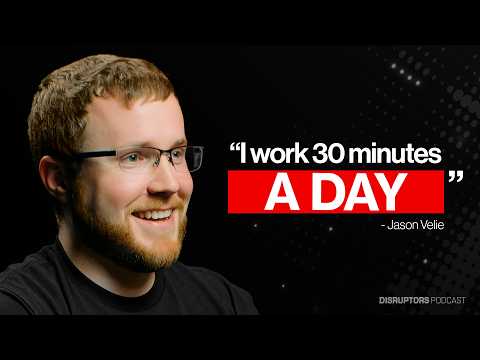
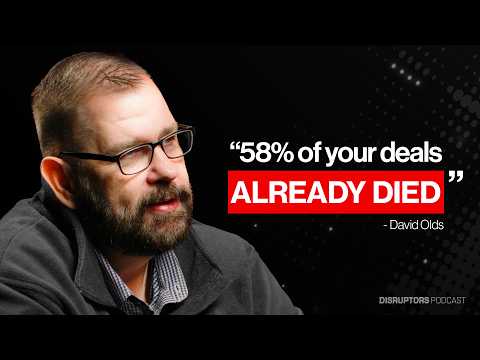
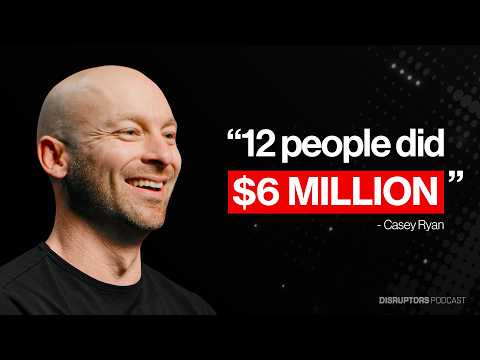
Key Takeaways
Focus on your core profitable business as the 'trunk' - only add new ventures that have vertical synergy and attach to your main operation
Implement Level 10 meetings from Traction/EOS to eliminate 'got a minute' interruptions and create structured weekly communication
Delegate relentlessly - successful entrepreneurs must learn to push responsibilities to others rather than wearing all the hats
Don't start a brokerage just because you're doing high volume - pay experts 1% commissions and focus your energy on what makes you money
Start flipping with cosmetic rehabs only - avoid moving walls or major renovations until you master the basics and have dedicated project managers
Quotable Moments
”“Delegation's an awesome word. That's my favorite word probably in business.”
”“If you don't have a supportive spouse, you know, wife, husband, or whatever, like, it it's hard, you know. Especially if you have kids.”
”“The information on this podcast alone is enough to help you become a millionaire in the next five to seven years. Take consistent action and you will become one.”
”“I think we've always decided to do it the hardest way. Right? Like everyone says don't have partnership.”
About the Guests
Brad Young
BC team
Brad Young is a real estate investor and entrepreneur who got his start in 2008 when his brother-in-law recruited him from Texas to Phoenix to work in the REO business. He began by managing rehabs and selling flipped properties, eventually partnering with BJ Gremillion to form the BC team. Together they run multiple 7-figure businesses in real estate.
BJ Gremillion
BC Team
BJ Gremillion is co-founder of the BC Team, a real estate investment company based in Phoenix. He transitioned from a financial services career at Edward Jones to real estate investing, where he has partnered with Brad Young for twelve years running multiple seven-figure businesses. His background includes extensive door-to-door sales experience, which he leverages in his real estate investment operations.
Full Transcript
19753 words
Full Transcript
19753 words
Steve Trang: Hey, everybody. Thank you for joining us for today's episode of Real Estate Disrupters. Today, we've got BJ Gremillion and Brad Young with the BC team, even more players from the Phoenix market. And they're going to share how they run multiple 7 figure businesses sanely, which I think is one of the biggest challenges, you know, for anyone who's running, multiple businesses. If this is your first time tuning in, I am Steve Trang, founder of the OfferFast Homes app, the only MLS for off market wholesale properties.
And I'm on a mission to create 100 millionaires. One question I get a lot is how do I become one of the 100 millionaires? So please allow me to answer it here. The information on this podcast alone is enough to help you become a millionaire in the next five to seven years. Take consistent action and you will become one.
When you hear a nugget, just type it to the comment section after the show. Identify your single biggest takeaway and focus only on that for the next seven days. If you get value today, please tag your friend below or share this episode right now. That way we can all grow together. And this is a live show, so please ask your questions for BJ and Brad to answer.
You ready? Ready.
Brad Young: I'll go for it.
Steve: Alright. So I
BJ Gremillion: don't know who wants to
Steve: go first, but the question is what got you guys into real estate?
BJ: I already know it's coming. Do you wanna do you wanna answer? Do you want me to?
Brad: Sure. I, yes. I was we were both doing door to door sales. And, in 2008, my my brother-in-law called me, and he was he's here in Phoenix as well. And, yeah, he just said, hey.
You wanna come out here and do some real estate with me? And so I moved from Texas to here, and and that's where it started. And,
Steve: Just just called you. I recruited you from Texas. Yeah.
Brad: He was like, hey, man. I don't he was doing a ton of REO business, and he just at the time, he was like, I don't have a ton of people that I trust with the accounts that I have because he was, I would say, he's one of the bigger players in in the REO business. And, yeah. So kinda came in, started doing that with him.
Steve: Who was that?
Brad: Travis Larson.
Steve: Yeah. His brother-in-law. Okay. Yes. Presidential Realty.
Yep. Yeah. Yeah. I'd he was actually one of the few REO agents that answered the phone back in the day when I would call REO agents. Really?
BJ: Yeah. That's funny. Yeah. He was definitely a big player. Yeah.
Steve: I know. He was huge. Mhmm. Very big.
Brad: Yeah.
BJ: They're awesome.
Steve: So you started working with him in the REO side of the business?
Brad: Yeah. And then, I I kinda I got into doing the trash outs, you know, tower tower carpet, do paint walls, do all that kind of stuff, kind of the the the trade side of the work, in the beginning. And then, and then we kinda teamed up and did our first flip. And, honestly, he he taught me from the beginning. Like, he was the one that introduced me to all of it.
And, and then, eventually, we just kinda got to a point where, I would find a deal or he'd find a deal, and then, I would manage the rehabs, and then I would sell them. And so then it kind of evolved. And then and, BJ and I met met a little bit later and and then we kinda started teaming up and doing the same stuff. Got it. Just different visions, kinda went different directions.
Steve: Okay. So he's not part of the BC team.
Brad: He's not. No. Got it. He's still actually wholesaling a ton and and flipping a ton now.
Steve: Is he still in the business? I figured with how much he made in our other days that he could have retired.
Brad: No. I think he's still crushing it.
Steve: So Oh, wow.
Brad: Interesting. Interesting.
Steve: Okay. And how about you?
BJ: Yeah. So I was actually with, Edward Jones for a while. That's I got married. I had no idea what to tell my father-in-law what I was gonna do. And so I was graduating and I was like, my buddy said he was going to Ever Jones.
I didn't know what that was. I don't know anything about finances. And I'm like, are they hiring or what?
Steve: I heard they got a good training program, so you're probably
BJ: on the right spot. They do. They absolutely do. So, yeah, went in and got the job somehow and, you know, come to find out that they pretty much take anyone with a degree, I think. So that's crazy enough to do it.
It worked. Yeah. They they hand you a phone book and they say start calling. Basically, that's how it works. And you go knock doors and not so I was a door to door bond salesman.
So that was pretty cool.
Steve: Selling bonds for Edward Jones.
BJ: Selling bonds.
Steve: Door to door.
BJ: That's how I got clients.
Steve: I've heard of Edward Jones going door to door knocking.
BJ: Yeah. I've never been selling. You were selling because you had to talk about something. You mean bonds
Brad: don't get you excited?
BJ: Oh, man. I was I was selling all these housewives. I'm like, hey. You interested in a 5%, you know, yield and, you know, paying on and they're like, what in the world are you talking about? I don't really know.
But,
Brad: you
BJ: know, just just give me your information. So, yeah, I started off doing that, and and it was actually doing pretty well with it. But, yeah, I was not happy. It would take me about an hour to get out of the car, you know, when I had to go knock doors. So I'd have to talk myself up.
But, and that's come from someone that, you know, both of us actually actually had experience. We for three years, we knocked doors, selling alarm systems. And then two years before that, we also served an LDS Mission. So like I paid I knocked doors for about six or seven years.
Steve: Were you also in Texas?
BJ: No. So I'm from Colorado Springs. My wife is from Arizona,
Steve: so that's why
BJ: I'm in Arizona. So, didn't do it twice there. Where were you
Steve: guys door knocking together?
BJ: We didn't do it together. There's actually a lot of commonality that we found out after It's
Brad: kinda creepy.
BJ: We, like, found each so we we found each other. After we
Brad: found each other?
BJ: Yeah. Right. Right. This is my partner over here. My wife always gets mad when we call it our second marriage, but it kind of is.
And so, we've actually been together now for twelve years as partners. Right? Business partners. Business partners. And so, yeah, it's kind of funny.
Like we started talking about our history. And so there's eight kids in both of our families. You know, there's both of us knocked doors. Both of us were dumped by our girlfriend when we went on a mission. Like there was a lot of like, just funny things that we were like, man,
Steve: this is weird. Dumped on your missions?
BJ: Yeah.
Brad: Yeah.
BJ: It was kinda that's kinda awesome. Yeah. Mine waited until it was, like, three months before I was getting home. She sends me the paragraph letter and was like, yeah. We're done.
I'm getting married in, like, a month. And I was like, oh, okay.
Steve: You know? At least you're able to stay inspired up until then.
BJ: Right. Yeah. Yeah. Maybe the last three months was worthless. You know?
Yeah. But, yeah. So so that's how we we met, at church. And then, you know, he was telling me about what he was doing. He was like, yeah.
Like, we're flipping homes. Like, it was like the Wild West.
Brad: You know
BJ: how it was because you're around 2008, you know, through 02/1112. So he's with his brother-in-law, and they're just crushing it. They're doing all these homes. They're flipping them, having a good time. And I'm looking at his lifestyle on mine.
I'm like, k. This is not adding up. I need to jump ship.
Steve: Selling alarms wasn't as as rewarding?
BJ: Yeah. Well, and Edward Jones at the time is what I was doing then. And I was like, man, I it it was while I was hitting all my goals, it just was not fun. Like, it was not for me. So it it was my passion.
So, JumpShip, went over, started working with them, and then, you know, just slowly, like, there were so many homes going on with the auction. So he was doing more of the auction stuff, and then I was finding homes on the MLS that we were, you know, flipping for clients and stuff. So Got it. So So
Steve: that's how we started. So Edward Jones, you say you're hitting your goals, I mean, just for everyone that's listening because there are a lot of people that listen to the show Yeah. That kind of either are still stuck in their w two or they got one foot in the w two, one foot trying to to make this happen? Mhmm. What were you making?
We decided to jump ship.
BJ: Yeah. No. I can totally relate because I actually had like, they would pay you a salary, and then they'd also pay commissions. And so I think I was it's right around, like, 60,000, you know? So, like, it was a healthy income, like and it was comfortable.
And it's funny that you you say it, like, one foot in, one foot out because I actually got my license, my real estate license, which you're not supposed to do, by the way, if you work for Everett Jones. They kind of own you. Right? They say that's like your own business, but really they take, like, 40% of everything you make, you get 60%.
Steve: They're generous. Yeah.
BJ: So, yeah, like, totally. And that never changes, by
Brad: by the way. You're always at 60%.
BJ: And so yeah. Turn and I knew that you can get other licenses, but I in my mind, I'm thinking because I live in the gray. Right? So I'm thinking, okay. So I can still get, like, go to school, get the license, just don't hang it with someone, and I'll be good.
Mhmm. And so I did that, and then somehow they do random audits, and they flagged me. So I had two dudes show up, like, FBI style. Like and I'm not even exaggerating, honestly. Like, they came to my office.
They called me. They're like, you need to get here now. So I show up, and they're in, like, black suit and tie, and they are, like, three hundred pound bouncers. And, like, I've never seen anything like it. So I go in, and they're like, alright.
Hey. Did you get your license? And I'm like, yeah. I did. So I was like, you know, that's against the rules.
Yeah. And so, like, okay. Well, you're done. And they called up Saint Louis, and they're like, yeah. Terminate them.
And so, yeah, it happened like that. And they were like, leave all your stuff here. Walk out. I mean, they changed the keys. They took my computer.
Like, it was it was legit. Like, I was like, wow. This is really happening. Okay. So I had to tell my
Steve: wife of having a boss.
BJ: Yeah. Right. Exactly. So I learned quickly. Okay.
That was not my business. They they really tried to sell you on that. Like, it's your location and, you know, you gotta be your own boss, but, obviously, that's not the case. You know? Like so, great business model for them.
You know? And I think that's great because I built up a book of business from a phone book
Brad: Mhmm.
BJ: For them. And then they're like, okay. Great. See you later. We get all the commissions, and it worked out great for them.
Yeah. But, but it was also good for me too because I think I needed that extra push. Like, because I was trying to just maybe I'll do a little bit on the side. Maybe I'll, you know, still stay here and make money because you had the mortgage to pay, and I just we had a child. You know?
And so I was like, k. I need to make sure I can pay the bills. So I can relate with that. You know? I mean, I had to be literally kicked out of my job Your course out.
To get it. Yeah. A 100% was fired. First time I've been fired. But thankfully a 100%.
And it was nice because the next day, I I went to our office that was about two miles down the road at Presidential Realty at the time. So I just went down there, started off, hit the ground running, and, you know, never looked back. Like, actually, you know, made more money, I think that first in the first two months there than I than I was with Evergeland. And from there, it's always been more. So it worked out.
Steve: It was good. So it was door to door sales selling religion. Yes. And then door to door sales selling alarms.
BJ: Yes.
Steve: So three years each, you both said?
Brad: Mhmm.
Steve: Yeah. And then for you, the door to door selling bonds. Right. Okay. So one thing I've heard is, if you're hiring Mormons Yeah.
They're great for door to door sales. Yep.
BJ: They are.
Steve: Because if you're selling religion, that's a tough sell.
BJ: That is a tough sell.
Steve: So how much of that translated
BJ: Mhmm.
Steve: To what you guys do now or just in real estate sales?
BJ: Yeah. What do you think?
Brad: Oh, I
BJ: don't know.
Brad: I I think, you learn human connection. Mhmm. You know, you go out as a missionary, and you kinda forget about the things that you might want in life, and you'd legitimately. It's weird because I I can recall those two years staring at a whiteboard thinking about these families that had said, hey. You know, I would like to learn more.
And so you're thinking about their individual needs. Like, what is it what is it that they want in life? And and and so a lot of times in real estate, you talk about building rapport with a with a with a customer or a client, and it's very similar. Right? Like, you're you're doing the same things.
You're finding connection and you're and then something is gonna make their life better. And, ultimately, when when when you're picking up a deal, like, especially an off market type deal, it's usually it's because it's making their life a little bit better. They've they're you're doing something they wouldn't otherwise be able to do. Got it. Yeah.
Steve: Did you guys have quotas, KPIs?
Brad: As, like, as missionaries? Yeah. I mean, you set your own.
BJ: Yeah. And you do have to report, like, like, the district leaders, zone leaders, mission president. Like, there was, like, a chain of command, right, to it. And and, you know, I think I think it honestly, it's a good thing for, for the sole purpose, in my opinion, of you finally, like, lose yourself. Right?
Because if you think about it, you take someone that's 18, 19 years old, like, who is more selfish, right, than at that point in your life? Like, I mean, I I was so selfish. Right? And so they take you You knew? Yeah.
Exactly. Right? Like, my parents were idiots. Like, you know, like, I knew everything. We had all figured it out.
And so you go there in this new environment, you get thrown to a place you you don't get to pick. You know? They're like, okay. Like, I went to Alaska. And they're like, okay.
I don't I don't know anything about Alaska, but whatever. I'm going there. And so, you know, you you show up, you get off the plane, and and I mean, yeah, you you're just thrown into a whole different world. But the whole focus turns from what do I want, what do I need? Like, you know, it's it's all about dating and whatever, all that stuff.
It goes from that to you grow up quick, you know? And and it's like, oh, these people, you know, don't have a home or these people are struggling with, you know, marital problems or or whatever. And you mature a lot quicker than most, you know? Because I I've just seen, so many young men come back, and they really do come back like men. Right?
Like, they're, they're battle tested. They've been out there. And it's hard. Right? Like, it's not fun.
Like, nothing about it is fun. I
Steve: can't really be fun.
BJ: From a worldly standpoint. Right? Like, it's not fun. Like, you don't see those benefits. You're not making money.
You're not, like, dating girls, all those kind of things. But in a in a weird way, it's all of us that go on missions will tell you that was the best two years of our life, you know. Got it. It's a it's a funny thing how that works. It's it's just because you you learn to forget yourself, and and it's all about other people and and not you.
And so, yeah, the empathy thing, I think, is definitely
Steve: And how does that having that different point of view affect your business? Like, how that impacting the way you guys run your business today?
Brad: You know, I think that, for me personally, like, I moved out here in in October 2008. The next week, the stock market crashed. Mhmm. My first time to ever buy a home, you know. I'm early twenties, and the only thing I'd known was a small apartment that was $375 a month, and we and we slept on a futon.
Right? So it was simple, simple, simple life. And now all of a sudden, we're supposed to be big homeowners. And and, you learn how to deal with, like, adversity. I mean, I I went to California.
Right? And, and you go there and people drive by in their truck and they shoot you with paintballs and they throw bricks at you. Like, that's real life. That happens. You know?
And so you think, okay. The fir my first, like, instinct is grab a boulder and throw it through their windshield. You know? I guess that's the first thing you wanted because you just rode 10 miles on a bike to get where you are. Mhmm.
But you have to step back and be like, okay. This just happened, and that was their decision. Now I I'm in control of mine. Yeah. And I think that so growing the business, like, we we star started in the middle of a recession.
So you're you're you're learning how to put pieces in place while things are still falling apart. And I I think that it those two, for me at least, was, like, yeah, being able to just, like, stay calm during a storm.
BJ: I think also, like, the the leadership, aspect is is huge. Right? Because what they do intentionally is they give you, you know, you're with a companion, but then kinda like what I mentioned, you have district leaders and zone leaders and APs and and, assistant to the president, and then you have the president. And so with that, you have responsibilities, right, for those people that you oversee and that you're you're helping out. And so I think that they really try to instill that leadership aspect in you at a young age so that it's pretty natural.
Right? You get used to talking to people too. Like, I mean, when it it comes to talking to sellers, that's cake. Right? Like, it's just fun.
And you can just have a conversation. Like, people that struggle on the phones with wholesaling and flipping. I don't understand that just because of my background and experience. Because I think I did it so long, you know, where I was, like, knocking on random people's doors. Like, there's nothing harder in my opinion than knocking on doors.
Right?
Steve: Your knuckles.
BJ: Yeah. Right. And and, you know, you get your feelings hurt. Right? Like, I mean, everyone slammed the door and you're, like, the scum of the earth and and no one wants to see you.
Right? Like, everyone's looking at the peephole and they're like, are you kidding me?
Steve: Well, now we're looking at you through the Ring app.
BJ: Yeah. Right. Now now it's a lot. I don't know how they do it. Like, they're still out there selling door to door.
I'm like, how is that possible with that technology? Because I look at the Ring app. I'm like, nope. Not answering. I don't answer it for any door to door salesman.
Steve: So Alright. So what is, so you guys went you guys joined forces because you guys met at the church. Right? Mhmm. And then you guys worked at Presidential.
What were you guys doing at Presidential?
Brad: So I was working for called Resume Mortgage Mhmm. Listing their their repos Mhmm. And then, kind of helping manage the trash outs, the re keys, all the stuff you you hear about. And, the thing that made me hate it the most was I was doing all of the cash for keys for the company. So, like, I was I delegated that.
Yeah. So because I spoke Spanish, I was I mean, I I probably delivered cash for keys to at least 500 to between 500 and a thousand families. And, like, I don't know if there's a time that scarred me more emotionally dozen people, and they're all crying. And you're sitting there like, here's a here's a thousand bucks. Can you get out of your house?
Like, it's not me. Don't shoot the messenger. But, like, man, you you hate your life at that point.
Steve: Did you ever ever have to do it right before Christmas? Yeah. That was the worst for me.
Brad: The worst.
Steve: Knocking at someone's door December 23. Yeah. It's like, hey. You got foreclosed on. Yeah.
Gonna have to leave.
BJ: Yes. You need to go right now. It was it was Oh.
Brad: That was not fun.
Steve: No. No. Those those are those are definitely trying times. So but you aren't doing the REO stuff.
Brad: Mm-mm.
Steve: So what were you doing when you started at at presidential?
BJ: So, really, I was I I've kinda found my niche in the MLS. Right? And and so it's funny because we say that now because, I mean, anyone that lives in Arizona has, like, MLS, you can buy homes on the MLS. Like, that really did happen. I'm like, yeah.
It did. It really did. Yeah. So in, like, 2008 through I mean, even all the way probably, like, 02/1516, pretty consistently, we were always finding homes, you know, for investors to flip. And so, you know, when you start out, you don't have money, so you're making other people rich, which is fun.
Like, it's a lot more enjoyable when it's your money. Oh, yeah. For sure. But it was really cool to learn on other people's dimes. Right?
And so, like, you could, so we probably did with presidential. I think we I don't know if we ever have looked at the numbers. Probably a thousand. Right? Between the auction, and the MLS deals and the stuff that we helped out different investors with throughout throughout the years we've been doing it.
We've probably done thousands of homes. Right? A lot of those were for other people. But it was cool to see the whole process start to finish. Oh, this I do a flip.
So eventually as you scrape together money, you know, then you do them for yourself, then you do another one. You just keep rolling them. And and then eventually, they all leave. Right? And so, like, eventually, we figured out, yeah, I think we're good.
You know, we're gonna go step out on a limb here and open up our own brokerage. And and there's a whole can of worms there that, you know, we we learned a lot of lessons when we did that.
Steve: Well, let's talk about those lessons because that's something that you hear a lot of, people that, are are, are doing volume. Mhmm. And they think, well, the next logical step is to open a brokerage. To which I always tell them, no. That's not the next logical step.
No. So what is what were the can of worms that you guys
Brad: learned? Okay. Well Where did you start? Yeah. So we move in and, like, I think it was thirty days later.
Right? We get robbed. So they break into our building. Like, they break into our building, and it was a super it was, like, very intentional, very strategic. They they come in, and they all they do is tear apart our network system.
There are four seats to the sun's season tickets. It's worth 35,000 at the time. They're probably worth $2 now. But you know what I mean? Like, they're kind of that's what it was worth.
And they were sitting out and they didn't get touched. There's credit cards. They didn't get touched. There's there's a stack of cash in it. Because the guy there's a couple of guys that rented spaces from us.
Nothing that get nothing that got touched. The only thing that happened was they took all of our computers and tore apart our our network room. So it seemed like
BJ: It was weird. It
Brad: seemed really weird. Mhmm. You think it was Travis?
BJ: No. No. I just,
Brad: but it was, was, like, it was crazy now. Guys. Yeah. But, yeah, they so that's what happened. And, I think looking back now, we've we I don't know if we'd ever start a brokerage again.
The the reason why we needed it was we had been so we'd get stuff the auctions all the time. Mhmm. And we would then say, hey. Yeah. We can help you get it and help you get it cleaned up, but you're gonna take your property management.
You're gonna go here. Mhmm. You know? And and we were we were sending everything to a specific group, and we just these people came back eventually and said, hey. You know what?
We just want you to manage it. And so when that came into place, that was where Travis and I, we didn't really see eye to eye. So we managed a couple dozen, maybe 30 or so properties when we were still together. Mhmm. And he just didn't want property management because he knew the liability, and that's where we really had a separating point.
And that's the reason why we had brokerage really was to
Steve: Mhmm. Yeah.
Brad: And do that.
Steve: And I still won't do property management.
Brad: I don't blame you. Smart.
Steve: Okay. So if you're saying you wouldn't open a brokerage, but you wanna do property management, and most brokerages, generally speaking Mhmm. Don't wanna touch property management. Mhmm. So then what would you guys do if you if you guys can open a brokerage?
BJ: I mean, if you look at the businesses that we run and operate, I mean, that is by far the least income producing side of it. Like, it it's almost like it doesn't even really exist. It's They're
Steve: lost there.
BJ: Yeah. I mean, it's it's nice to have it there so that, like, yeah, if if you have some deal come across, like, okay. Yeah. Like, there's some money to be made there. Because I think each door and property management, for instance, you average, let's say, $1,500 a year, right, on that.
So it's nice to have kind of and it's also nice because, like, our whole thing when we started off too, I think our vision was, hey, we wanna do like a one stop realty solution. That was our slogan for a long time. Like we wanted to kind of be able to offer all the solutions like because we were like, hey, like I don't wanna give anyone else, you know, money based. Like, I wanna keep it all. Right?
And so we were like, let's do property management. Like, let's let's see everything from start to finish. Let's start a construction company. Let's do a development company. Like, if you think about what we've done, it really is.
It's like, I think there's something inherent in us that we hate having to pay other people to do. We're like, oh, we can do that. Yeah. Right? So then we'll just start it up.
I think as we're getting older and a little bit more mature, you know, not a
Brad: whole lot more mature, but At least older.
BJ: Yeah. We're at least getting older, lose my hair and stuff. But, like, I think that we're we're slowly being like, hey. We need to simplify. Right?
So you go from I wanna take over the world to, like, oh, now I need to, like, narrow my focus and get really, really deep and really good at three or four things, you know. And so I think 2020 has been a big year for us in that regards. Whereas, like, hey, focus your energy, talents, and everything and just, you know, go hard at those things as opposed to trying to so just a perfect example. Speaking of all the opportunities that we come up with. So we're all entrepreneurs, Steve.
I know I've listened to your show for a long time. I know that you have a ton of ideas. You're very similar minded to us.
Brad: Right? We're gonna lose this. You're a
BJ: very kindred spirit to us. And so, like, how many ideas do you come up with every month that are, like, genius?
Steve: I mean, I guess it's it's a lot, and then they get rejected by my partners.
BJ: Okay. So, yeah, we're the same way. Like, we actually have so we do, do you level 10 meetings? Absolutely. Attraction.
Okay. Absolutely. So we have our meetings. On our meeting board, we have a a a section that is opportunities. Right?
We did that because we realized all that we need to do is just get it off our chest. I just need to tell you, like, how great of an idea this is, how much money it's really gonna make, you know, and all the all the great vision that I have for it that I just thought of on the toilet, like, ten minutes ago. And, just need to get out there to everyone, tell you how cool it is. And then we're like, okay. Let's put on opportunities board, and maybe we'll revisit it.
You know, if it's a good idea, we'll come back to it. Well, I don't think we've ever come back to that opportunity board. And it's just super long. It just keeps growing, you know. But I think it's a way for us to just, like, get it off.
Brad: You know?
Steve: Just release it.
BJ: Yes. As opposed to, okay. Alright. Yeah. Well, let's figure it out right now.
Like, let's scratch this out on paper and business has started tomorrow. We got the website up and running. You know?
Steve: I know. You can
Brad: you can get it up
Steve: and running real fast.
BJ: Yes.
Steve: So let's just take a step back. So there's someone right now that's listening and he's like, man, I am ready to start a brokerage. What is the word advice to that guy?
Brad: It now is this someone who wants to go into traditional real estate?
Steve: Someone that's got a, that's doing, lots of flips, and it's like, well, you know, this is the next logical step. What what what what are you telling them? Because you're saying it's open a can of worms.
Brad: What are they paying in commissions? Like, what are they paying to get to unload all these lots of flips?
Steve: I mean, I think usually I think we hear a lot is a 1%. Mhmm. Right? Commissions.
BJ: That that's one of those things. If you've got a really good real estate agent, just go there. Right? Like, that to our point, what we're talking about is you start to realize like, hey, pay guys. We were just talking about this before the show.
Like, pay the experts. Right? Like, that's what they do and be happy with that. Right? Like, just just give it to them.
Like, they take that stress off of your plate. And then it actually alleviates so much more of your energy. And so you have a lot more time to go deeper. Right? And and to get better at what your master craft or what whatever it is that makes you money.
Right? So, you know, for us, yeah. If we didn't have a brokerage and we're paying an agent and they were doing a great job, why the heck would you stop that? You know, and and do that. Like, our our if you asked me that question five years ago, that went out for the same answer, probably.
Steve: No. I actually
BJ: think we've learned.
Steve: I had this conversation with someone, on Monday with my bookkeeper. Because, like, when I first got started, you know, they're saying, like, the riches are in the niches. Alright. Don't don't be the jack of all trades because that guy doesn't, he just doesn't get paid. You know?
That guy is always, you know, looking for the next deal or whatever. Yeah. I look at these old guys. Like, what do they know? Yeah.
BJ: Right. Right. Yeah.
Steve: And now now that we're much older, it's like, oh, man.
BJ: There's something to that. Yeah. I should've done that. Like, we're envious of the people that have, like, that one stupid niche business that just makes millions of dollars and they have, like, two employees. You
Steve: know, like,
BJ: how did you figure that out so quickly?
Steve: Yeah. Alright. So was so then the brokerage was the first business you guys started. Mhmm. Alright.
And that was roughly is it 2016? 2011. 2011. Okay. Completely off.
Alright. So then what was the next business? Because we're talking about lots of ideas. Mhmm. Lot multiple businesses here.
What was the next I mean,
Brad: whole wholesaling and flipping was definitely, like, I would say, the first thing. And then when we moved over, we had to start a brokerage because we had property management under a different firm. Mhmm. And then, Construction was after that. Yeah.
I would say construction kinda came after that.
Steve: Okay. And so that was around when?
Brad: 2013?
BJ: Yeah.
Steve: Okay. So not too long after. Mhmm. Okay. So and that venture is still up and running.
Brad: Mhmm.
Steve: That's still good. Yeah. Alright.
Brad: It just evolved from small rehabs to now neighborhoods that we've Neighborhoods? Yeah. Wow. So if you I mean, so it just changed a lot. So who's running that?
It's probably a combination of me and my brother. Mhmm. So, of course, he's got he's got a bunch of guys that work under him. But
Steve: Got it. And then after that, the construction. Mhmm. Well, actually, before we we we move so you guys were, did the construction. And something something you and I talked about Mhmm.
There's a couple of things. First, you guys are doing custom builds. Yeah. Not because you necessarily say, hey. Let's do custom builds.
BJ: Mhmm.
Steve: But for other reasons. That people are saying, hey. I love your work. Yeah. You wanna talk about that?
Because I actually had that same exact conversation with Tucker. Mhmm. He was on the podcast about, seven, eight weeks ago.
Brad: Is it Merritt
Steve: Merritt? You?
Brad: Yeah. Okay.
Steve: Yeah. And it was the same exact thing.
Brad: He's like, I don't beautiful homes.
BJ: Yeah. He does.
Brad: He does. He he does.
BJ: The layout. Yeah.
Steve: He's like, it wasn't like, hey. I'm gonna set out to build a construction company. It was like, hey. We see you guys on Instagram. Yeah.
We see you're we we're walking through your houses.
Brad: What would
Steve: it take for you to build a house for me?
BJ: Yeah. Yeah. I mean, it it was it was similar along those lines. I think, think like we started off with spec homes and using other contractors, you know, and then we realized again, like, hey, I think we can build this out and do it ourselves, you know? And so we started, doing some spec homes and then yes, like I think, from those we would have open houses and that at the spec home sales.
And then it'd be like, well, what else do you guys have? What other land do you have? And then it's like, oh, well, we don't really have any land, but we could get some land, you know, if you want us to build for you, then, you know, we don't wanna turn on any opportunities. So then, you know, that, yeah. So it evolved to that.
I don't think we I don't know if we envisioned it to be where it is right now. It it definitely has taken on a life of its own in a good way. There's a lot of learning curves on the real on the construction side, though. I mean, it's completely different. The wholesale operation, you can run a very lean operation.
You can run, like so our operation right now has, like, four or five people. Right? And that's the whole business. And it's 7 figures, and it is great. But you can do that with just, you know, a couple guys and a, you know, assistant and transaction coordinator kind of thing.
So, construction, can't do that. Right? Like there's there's the especially when you're doing custom builds for clients, like they expect you to be there on a daily basis, you know, and maybe not move them daily, but, like, weekly, you have to update them. And and they wanna know what's going on. And so we've realized our sweet spot for, you know, project managers about four homes, you know, on average.
And so Per per project manager. It is doing private homes.
Steve: Oh, four. At a time.
BJ: At a time. Just four projects they can run at a time. Got it. So when they finish one, we'll give them another one. But, but with that, there's so many other things that goes with it.
Right? You have a selections coordinator. You have an assistant. You have, like, the general contractor. You've so, you know, when you when you look at and you have all the trucks and, you know, all the equipment that goes with it.
So so when you're running that construction operation, it's it's no joke. On the overhead side, it it gets to be expensive.
Steve: So you have the same profitability like you do in wholesale and flipping?
BJ: No. No. How about what would you say it is?
Brad: I think it's close, but it it it's definitely not able to run near as lean. The difference is, like, you you might go do 15,000,000 in gross revenue on your on your construction business or, you know, whereas you might do a few million in gross revenue Mhmm. On your on your wholesale flipping business.
Steve: But you're saying the profitability is still, like, in the
Brad: I mean, it's still decent. But, I think for us right now, we're still in I would still call it I don't wanna call it infancy because it's it's been running for a while, but we're still learning. You know? And I think that if I think Yeah. There's guys that get thirty, forty years into it, and they've really dialed it in.
And I think then you could see some things that are really cool. For us, we're we're more concerned with the experience. Mhmm. Right now, just trying to make sure it's a good experience for us and for the customer. Yeah.
But I don't know if we run as lean as we could because we're trying our best to not skip beats, you know.
Steve: So, like, for us, our wholesale business, we're we're targeting a 50% profitability. What do you guys target? Awesome. What do you guys target on your construction?
Brad: Right now, I think we're running a 30. Yeah. Like, and that's for us, that's a good that's a good thing. So if we can if we could keep that, it would be a pretty good thing. There's some jobs, and it's why we stopped doing remodel work because no one wants to pay for a remodel, and no one knows that's open heart surgery.
And it's just like it's really there's a few jobs when they're cosmetic. Yeah. You have a good return. But when you start ripping things out, you know Change orders. Change orders and customers get a little grumpy because they don't realize that they just told you to tear down 17 walls, but your job should still be completed on the same date.
Mhmm.
BJ: You know
Brad: what I mean? Like and why did my budget just shift even though you just added Viking blinds to my kitchen? You know what I'm saying? Like Right. That's what that's, like, the, like, the the bummer part of that.
So we just stopped. We don't offer remodels to anyone because people don't value it.
Steve: Yeah. No. I I think that that totally makes sense. Everyone underestimates how much work is involved Yeah. In in a remodel.
Mhmm. So then the other thing, because at Unite so we're both we're all in in CG together. So we were, funny enough, on the same flight there.
Brad: Mhmm.
Steve: So we're talking. And one of the things I said is, like, I hate flipping. Mhmm. And you basically said to me, well, you're doing it wrong. I I was like, because I don't wanna do any work.
He's like, what was your response? Do you remember?
BJ: I don't remember what my response was.
Steve: It was basically like, you shouldn't be doing any of the work. Yeah. Right? Like, I should all be delegated. Yeah.
BJ: No. Delegation's an awesome word. That's my favorite word probably in business. Like, I mean, if and and, you know, you get to a point where you have no choice but to delegate. Like, when you're running multiple business and you know this.
Like, you you run multiple businesses just and and you do a phenomenal job at it. And so, you know, when it comes to doing that, there's no way you can do everything. You can't wear all the hats. And I think sometimes that does frustrate maybe some of the employees when they see, like, oh, man. You're just pushing these responsibilities off, you know, to us.
But it's like, hey. You know, in this eight hour window, we gotta deal with this whole plethora of different businesses. You know? There's problems. There's fires always that you're putting out in any business.
And so just compound that by, you know, four or five and
Steve: Oh, yeah. The level of complexities.
BJ: Yeah. So yeah.
Steve: So then so we got the construction in 2011. Then what was the next business?
BJ: Then I think we kinda took a little, you know, hiatus for a minute on, like, creating the new businesses. I know we we brought on the development side of it because it it kinda goes hand in hand, obviously, with the construction side. And then since then, we've also added a plumbing company as well, which has been a great experience. We found a there there's a a good friend of Brad's, that has been here for about twenty years. And so, you know, he just had some frustrations with not having the processes, the people, the technology, you know, kind of that pyramid.
So, we obviously came from that background. So and and I think that we're we're pretty good at it. We're working on a lot of things always. But I think we saw it. That was a really good, relationship.
So plumbing's awesome because turns out it's recession proof. Like, people always have to poop. Right? So, I mean, there's always going to be a need for a plumber. It's like owning a funeral home.
Exactly. Yeah. Yeah. It's it's one of the best businesses. And there's so many, you know, different ways you can make money in the plumbing.
Right? Like, new construction service, you know, remediation work. And so, so that that's actually been really fun for us to to work with with that. It's the first time we ever merged with someone, and and it's it's, growing like crazy. We're just hiring nonstop.
It seems like we're always trying to find plumbers, which are really hard to find. But if anyone on the show, if if anyone here knows a good plumber, we are looking to hire. So seems like perpetually so, yeah, that that's kind of the I guess, all the businesses that I can think of. Is there anything I missed? I thought
Steve: there was another one. No? That's it. That's all of them?
BJ: So HVAC is coming next year.
Steve: That's what
BJ: it was. Plumbing always has to have the HVAC component to it. So and there's another good friend of ours that, he had an HVAC company for a long time. So we're like, hey. We already have the plumbing side figured out.
We have the dispatcher in place. And the and the facility is there and everything. So it's like, hey. That that's the next
Steve: So what it sounds like is you've got your operations running. Mhmm. And because you got your operations running, people are coming to you. It's like, hey. Here's a business I have.
And you can look at it and evaluate each one and say, okay. Is that something we wanna partner with or not?
BJ: Yeah. Yeah.
Brad: Kind of a cool experience with that was Jason, the the plumber, the light the guy that was the license, you know, and and a good friend of mine. One of our meetings, you know, we're we're sitting here in an l 10, which is super foreign to him because he's never been in any of this. And he brings up, says, hey. I was just talking to a buddy of mine, and he he saw some things and how they were changing, and he's an electrician. Would you guys be interested in doing the same thing?
You know? And so we haven't pursued that because we're not ready, you know, for it. But, I mean, I think it just brings new opportunities all the time, and I think it goes back to your point of the of delegation. That's that's when you start realizing, okay. Time blocking becomes really, really important, and I'm horrible at it.
Like because I'm also one of those people that likes to be hands on all the time. And Yeah. Yeah. But, well,
Steve: I think that's one of the the fun things. Right? For anyone that's listening and that's as an entrepreneur is, like, you you wanna learn wholesaling. Right? You wanna learn marketing.
You wanna learn sales and and running a business and so on. But the really cool thing is once you get good at running one business Yeah. You can scale that into other businesses.
Brad: Mhmm. And
Steve: that's, like, the funnest thing. And I think that, you know, for anyone that's still struggling right now, like, that is the upside. Yeah. You know? Like, I'm not saying there's anything wrong with, like, you know, wanting to travel and having all that free time and work four hour work weeks.
I think this that's also an option. Mhmm. But for us right here where we're entrepreneurial junkies Mhmm. Like, starting the next business is fun and it's actually you have to have the discipline to say no. Yeah.
Hardest word. But when you find those opportunities, it's it's magic because you already have the systems in place. They've had a good business, and you can Yeah. Partner up.
Brad: Yeah. It was like to that point, it was like when we opened up Michigan. It was like we'd we'd figured out how to wholesale here. Mhmm. We had a sales rep here that we we loved, and he seemed great for us.
And it was working here, and then he needed to move back home. And he's like, would you guys consider opening a branch here?
BJ: So I knew I forgot one. What did we do? One.
Brad: What did what did we do? Since days later, we bought an office building, and we're up and running in another place, and we're like, holy crap. Yeah. This does work. Like, you can rinse and repeat this.
Mhmm. Yeah. Yeah. It is very, very different going that far away. That is something we're not Sure.
We we haven't figured out yet, I don't think, to run from a distance, but you you
Steve: gotta go there on a regular basis. Yeah. We're gonna be
BJ: learning that soon because
Steve: we're we're expanding to Albuquerque. Oh, nice. So one of the things we talked about is, you're running multiple 7 figure businesses
Brad: Mhmm.
Steve: Insanely. So let's talk about that because you've got four or five kids. Five. You got five?
Brad: So to see. Five. Yeah.
Steve: Oh, so you guys have a lot of things going on.
BJ: Even more in common. Right?
Steve: Yeah. So how do you guys balance all of that? So because you're talking about running your business family. Like, how do you run multiple businesses and balance that with family, and how do you keep everything sane?
BJ: Yeah. He mentioned time blocking, and I think the one one of the biggest things that we did, we got a consultant to come in. That was huge for us. That was in 2019 or '18? '18.
'18. Gary Hartburn,
Brad: a lot
BJ: of people have have used him in the show. I'm sure.
Steve: He's coming here next week for me.
BJ: There's your plug, Gary. But, no. He he did great for us, and and it was he kind of opened up our eyes a little bit. He helped us get traction going in the level 10 meetings. BC books.
Oh, yeah. BC books. Yeah. Sorry. As we're talking, we'll probably think of other things that are kinda going out now.
Brad: Service with some CPA services and tax strategy, but I forgot.
Steve: That's my next venture I'm working on slowly.
BJ: Yeah. Smart. Yeah. So, I mean, we, crap. I just lost my train.
Sorry. Where was I at?
Brad: You were talking about Gary and how you brought clarity.
BJ: Yeah. Yeah. Okay. So he introduced, traction, right, in level 10 meeting. So for people that, are not familiar, definitely pick up that book, you know, read it.
So what we did was we incorporated we had we went from pretty much never having meetings or just ad hoc meetings, right, whenever whenever we have a fire. Yeah. Man. Yeah. Yeah.
Exactly. Got a minute meeting? Yeah. So,
Brad: those those
BJ: are bad. He he's the worst of that. He'll always, like, pop in, like, hey. You got a minute? I'm like, oh, no.
No. No. This is an afternoon. This is this is not gonna go good. So, but yeah.
I've gotten better.
Brad: Yes. I repented.
BJ: Yes. But yeah. I mean and and really, I think a big piece of that was we actually put in, hey. Every week, you're meeting. You know?
And you have a level 10 meeting, and you get a rate to meet the end. Like, how was it? You know? How can we improve? And so, you know, people, I'm sure, think that we're always in meetings, but they're very purposeful, and they have, a very specific reason.
There's an issues list. Like, if there's ever an issue, like, got a minute? Hey. Put it on the issues list we're gonna talk about on Thursday. You know?
And so it gets to the point where you don't have those distractions because there's so many distractions as there is. Right? So so I think that was a big piece. And then what we did was we realized, okay. We have a core business.
That's like the trunk. Right? And then from that, as long as you feed that thing and as and any opportunity that comes our way, it can't be out in left field. It can't it has to be attached to that tree. Like so that's why we're doing HVAC, plumbing.
You know? Like, we have the construction, the property management. It it all it it all works together. Right? We're benefiting from all of those things with all the projects that we're doing.
Right?
Steve: Yeah. You got vertical, synergy.
Brad: Yes.
BJ: Yeah. Yep. Great way to put it.
Steve: Yeah. So So but then so level 10 attraction. So that's one part. That can't be the only part. That can't be the magic key.
Brad: For so for me for me, this might be cheesy, but I would say my wife. Like, honestly, like, our dishwasher went out yesterday, and I'm running to Lowe's pick up a dishwasher, and she's helping me install at 11:00 at night. Like, she's she's a trooper.
BJ: Your wife
Steve: can install a dishwasher. I mean,
Brad: she can help me. She she she, but you know what I mean? Like
Steve: Especially I can't install a dishwasher.
BJ: I can't either. Yeah. We would not be doing that. But, I mean, you
Brad: know what I'm saying? Like, we're just, there's not a whole lot I think that's gonna like, don't get me wrong. Her buttons get pushed if I, like, get tunnel vision and I go home and I'm still, like Mhmm. Can't focus on home. You know?
But but I think that that for me, I think that's what's helping with the with the sanity. Right? It's like, you you have five kids at home, and right now we're homeschooling our kids because everything is a little bit crazy. And Mhmm. And she's owning it.
Right? Like and she's, like, completely owned the the household. And I don't that's not a sexist thing or, like, anything like that. It's just, like, I couldn't do that. I couldn't do both, and I couldn't do I couldn't be involved on the other side as much as I am without her putting in what she's putting on that side.
Steve: Yeah. You mentioned time blocking earlier. Yeah. Can you expand upon that?
Brad: Yeah. I'm horrible at it, and, I really am. But I'm getting a lot better. Like, I'm it's something that I consciously make an effort to get better at. Mhmm.
Similar to not walking in and saying you have a minute unless I've taken a Zipfizz, and I can't contain myself. So, yeah, I I tell myself, okay. From these in these two hours, one, I've got a little bit of scripture study, and then I've got catch up on some emails. And then don't look at my emails for this long. And I actually got to where I turn my notifications off on.
Like, I don't get really notified on my watch, and I don't have them on the face of my phone anymore or on the status bar because I'm like, they were eating up way too much time, and it's not real effective time. And so then it allowed me to say, okay. I know that I'm going these three days to this project to look at development progress, and I know what times I'm gonna go in the morning. And so I kinda already know what to expect those days. And then there's always infill stuff, you know, stuff you don't expect.
But Right.
Steve: The fires that happen throughout the day. Yeah. Mhmm. Is there a third partner, or is it just the two
Brad: of you? There's a third partner. Yeah. So his name's Nick. Mhmm.
And, he is the license holder for the contracting side. It used to be my dad. He used he still holds an active license. And then, my brother's been there. And he's work we've worked together with him also for probably
Steve: seven, eight years. Oh, wow.
Brad: He kinda started out doing the maintenance on the property management side, and he's always been in the contracting side or, you know, that construction world and and got to the point where he's like, hey, man. Under this license, I've I ran the last 15 spec homes. And when we did this little development of seven homes, I was in the middle of it. Like, I'm gonna go get my license. Yeah.
So that's where it was.
Steve: Any other tips, you know, for people with lots of kids?
BJ: I mean, to his point. Yeah. Like And each business
Steve: is like a baby. I mean, so, like
BJ: It is. Yeah. I mean, I I I don't know any real successful entrepreneur, you know, that doesn't have an amazing wife behind them. Right? Like, they they don't get all the credit.
And if you don't have a supportive spouse, you know, wife, husband, or whatever, like, it it it's hard, you know. Especially if you have kids, you know. I I really sympathize, with with people that are having to struggle with, you know, having to do both. Right? Like, that I my hat is tipped to you.
Like, that's incredible. I have so much respect for you. But without question, like, if it weren't for our amazing wives, and it's funny, they also do, like, the design work, you know? So I guess that would be another business, you know, that we also have run. And and and they were running it off.
They did an awesome job. Kind of the same thing where people were like, hey, we love your homes. Who designs them? So there was a natural
Brad: strange thing they got pregnant.
BJ: Yeah. And then of course, you know, we ruined that for them. So, so they haven't they haven't been doing that for about a year. But I think that they'll eventually get back into it because they they really do love it. And they're business partners, which is just kinda funny.
Steve: That's awesome.
BJ: And so, yeah. You know, I think I think we've always decided to do it the hardest way. Right? Like everyone says don't have partnership. Right?
Like, and I've heard lots of people come in your show and and preach against it or for it or whatever. And and
Steve: I preach against all of it.
BJ: Yeah. Yeah. You do, actually, even though you have a partner.
Steve: I'm not partners.
BJ: So you've seen the light. But but it's also hard. My wife always hates it when I say it's like another marriage. But honestly, like, there's some thing I mean, it doesn't have the benefits of a marriage. I doesn't have the benefits of some of the merits.
But, there's there's Are
Brad: you going there for me?
BJ: We're live. Right? I have crap. But, you know, there you have to make sure that you're also taking time together and you have to, the the communication aspect of it is is crucial. Like and and we've had our issues.
Right? Like, it's not been pretty at times. Like, there's been some really rough patches. Like, if anyone wants some great stories, come talk to us about all the things that just drive each other crazy. But I think we've learned eventually to be like, oh, that's just who he is.
That's that's and then you have to learn just like with personality assessments. Right? Like, when you figure out, oh, this person profile. Right? And this is how they like to communicate.
And this is their love language. And this is how they wanna be treated. Right? And then we're all different. Yeah.
If you can figure that part out, then I think you're gonna be fine. You'll be successful. But you have to check your ego sometimes. Like, you have to be like, I'm gonna let you run with this one, you know? And I'm I'm gonna step back.
And and I know he does that with me, and and I try and do with him, like, hey. I want you to run with that business and stay in your lane, and then he's gonna run that business and stay in his lane. Because there's things that he knows when he starts talking about dirt work and, like, machinery, I literally it's like he's speaking Spanish to me. Like, he starts going off. I'm like, oh, yeah.
We need this for plumbing and blah blah blah. And we need to put this culver in. And I'm like, I don't even know what anything you just said. Right? I don't
Brad: know if you
BJ: need my construction, but I'm a construction company. And and so there's things that he says. And then if you were to ask us, well, what are your KPIs? Like, what are your marketing? Like, what's all that?
Like, you probably wouldn't know a lot of that because we just stay in our own lanes.
Steve: You know? So let's go back to I mean, what most people are listening to is wholesale and flipping. Mhmm. So we went through all your different businesses, but let's go back to, I think you said, the trunk. Yeah.
Alright. So let's talk about your business. K.
Brad: What what
Steve: does your wholesale and flipping company look like right now?
BJ: Like, how many people are in it? Like, what?
Steve: Volume and then, yeah, the organization. Yeah. So
BJ: I I think we're on track. Like, we were gonna do about seventy, seventy five homes, you know, that we're wholesaling and flipping this year. It's it's it's a weird year. Every year is so different. Right?
Like, I mean, Arizona is just, it's crazy. But the interesting thing is you can do less now and obviously make more money. And that's something that we noticed. So our average flip, is about 30,000. Wholesale is about 25,000.
So they're not too different, which is why a lot of people are going to wholesaling. So we went, we were doing a lot of flips, you know, couple years ago or even up to last year, we were doing flips. This year, we went to the wholesale. It just makes so much more sense, you know, just with the numbers. So that $5,000 difference doesn't, I mean, it's so worth it to take the money now than wait, you know.
Steve: With the risk and the headaches.
BJ: Yes. Yeah. So that's that that's kinda where we're at with that business. And and it's lean. You know, it it runs 50% margin mark.
But, you know
Steve: is it is it, where you have because we have you know, our average fee
Brad: Mhmm.
Steve: Is, I think, high thirteens, low fourteens. K. Average wholesale fee. Mhmm. Average flip profit is, like, 18 or 19.
BJ: Mhmm.
Steve: Right? Not amazing. Yeah. But part of that has to do with we will buy what we can't wholesale. Mhmm.
So, like Yes.
Brad: That's that's kinda where we're headed.
BJ: We're
Steve: we are reluctant flippers. Yes. So we only flip, like, the stuff where we're like, okay. We couldn't wholesale it.
Brad: Mhmm.
Steve: And so I think for that reason, our margins are that's the reason why I think our flip profit is so close to our wholesale fee.
BJ: Yeah. That makes sense.
Steve: Is that something that's experiencing that you guys experiencing with 25 to 30?
BJ: Like Mhmm.
Steve: If you guys were intentional with your flipping Mhmm.
Brad: It's like
Steve: we're gonna be flippers only, and we're, like, gonna buy the right ones. Sure. With that 30, it'd be more like $40.45.
Brad: Yeah. I think we can do that. And Yeah. One of the biggest things that helped, I think, on that side of the business was getting a superintendent dedicated to just flips.
BJ: Yeah.
Brad: So in the past, we had kinda crossed, cross trained, super that would have, like, one or two customer remodels mixed with our flips. Oh. And it was the wrong approach. Mhmm. He was super talented.
You know what I mean? But, like, yeah, when you've got a naggy customer, then all of a sudden your flips, which have a higher interest potentially carry cost, they get more profit. Back burn. Yeah. Right?
BJ: Yeah. We get back burn.
Brad: So Yeah. Making that not gonna
BJ: be that pesky customer.
Brad: Yes. And making that switch, I feel like, was such an awesome move. We got to where I was like, okay. We know we're gonna turn every home around in about thirty days. That's our average turn time.
And, that's really good. And we're we kill the budgets now. And so we might get more into flips. You know, if wholesales get harder to to do, but I don't know. That's that's
BJ: that's your role. I I think there's there's a piece of the reluctant. Right? Like, if we can't wholesale it, sure. We'll take it down, and and we're fine doing it.
Mhmm. But then there's also the piece you also have to make sure that that person has enough work, as well. So we always will even if we're like we could still almost make the same money, we're we're still gonna give him at least two to three projects to run because we know that's his number.
Steve: Yeah. Keep him employed.
BJ: Yeah. And just and he'll just keep going, and he's awesome. Like, we we've been super blessed to have him this year. You know? It just makes such a huge difference because it is.
It's a different gear like you said. You can't go from a a a remodel with a very needy customer to a flip.
Steve: Especially if you got, you know, you get the, the was it the degree, the squeaky wheel gets degrees. Right?
Brad: Mhmm.
BJ: So, like, even though percent. That's always been our frustration with flips. Yes.
Steve: Yeah. So you have to service her because you're gonna keep complaining. Mhmm. But you don't want a service her because you're not it's costing you money.
Brad: Yep.
Steve: So what does your organization look like as far as the, people in, in servicing all these different companies?
BJ: Yeah. On the wholesale side or or overall?
Brad: Well, I
Steve: guess we'll we'll go the wholesale flips.
BJ: Okay. Yeah. On the wholesale side, you know, we have a transaction coordinator. We had two two acquisition agents, and then, we have, yeah, like, our guy that's running the construction side. I think that's everyone.
Hopefully not. But we and then, of course, we like the accounting department that helps us out on that
Brad: side, but but they're also
BJ: overall the businesses. You know? There. But, that's it. Like, there's not there's not a whole lot of, personnel.
It's just not. Yeah. And and, of course, they're ten ninety nine, you know, where the sales guys are. So there's just not we've we've kinda gone back and forth with having a lead intake, as well as sales agents. And and I think there's definitely an argument to have lead intake so that, you know, you have checks and balances, and they're checking up on the sales guys and stuff.
So but then on the other side, you know, when you have a really good salesperson, they kinda like to be able to take the phone, and they know start to finish.
Steve: They run it right to the end.
BJ: Yeah. So Yeah. Done it both ways. There's not necessarily a right or wrong. It just depends on the company.
Steve: I think I think it depends on the person. Mhmm.
BJ: It does. Yeah.
Steve: And so, with with everything you guys set up right now, like, I guess, you got one person running the books. She's managing he or she
BJ: Mhmm.
Steve: Is managing all of it. Mhmm. Okay. Yeah. Because I kinda have that situation right now with mine.
And it's pretty convenient. Yeah. That's awesome. We slam all the companies into just one.
BJ: Yeah. Alright.
Brad: So Do
BJ: you just have one person right now doing all your books? Or do they have an assistant or anything like that?
Steve: I meet with her once
Brad: k.
Steve: A week for an hour. Oh. And she manages and she has one assistant that kinda does, like, the
Brad: Uh-huh. The data entry stuff.
Steve: The data entry stuff, and then I'll complain to her. It's like, hey. This is wrong. Yeah. Because I review it.
BJ: Yeah. Yeah.
Steve: But, alright. So we got, Marquis. Duquan wants to know, is fix and flipping still sexy in a down market?
Brad: First, it's always gonna be. Like Yeah. The thing is there's there's opportunity everywhere. It's just, some people start to look away from it. Like, I remember when we were getting going and repos are starting to dry up.
You probably remember that time, and it started to pivot into a short sell market. Mhmm.
BJ: And I
Brad: wasn't sure what to do, so I booked a trip up to Winnipeg, Manitoba and because I was looking at arbitrage, like, the exchange rate. You make they're making 30¢ every dollar they bring to The US. Mhmm.
BJ: So I
Brad: go up there and I meet with a bunch of newspaper, printers and and whatnot and find the guys that, hey. These guys send the most articles to this age group and help we held a little seminar, and they came down. And it was in a depressed market that was still going down. Mhmm. But next thing you know, 80 people show up, and we're still working with a bunch of those people today.
Steve: Yeah.
Brad: You know, where they just Oh, really? Yeah. The same investors. Like, in Wow. I get a call from one of them, last week, and he's like, hey.
So what's going on in Michigan? I'm ready to fire it up. And I'm like, and we just finished selling a couple of his homes and Mhmm. Here in Phoenix. And, like so I think in a down market, you just have to think a little bit outside of the box.
Yeah. Yeah. Because when we're down, other countries are up. So some of our investors, one came from he was in Saudi Arabia at the time. When we came down, we got him, and he things were good for him at that time.
And same thing with, like, Canada. So Interesting.
Steve: Yeah. So David Martinez wants to know, what do you guys do right now for wholesaling? Because this is a this is a competitive market.
Brad: Mhmm.
Steve: What are you guys doing?
BJ: Our marketing? Yeah. So on on the marketing side, we do postcards. We, we a lot of a lot of it, we were doing on our own as far as, like, getting, the lists and scrubbing them and then, you know, sending out the the mail pieces and everything. Now we have, you know, delegated that.
Mhmm. Investor Machine right now does, everything for us. And and so so Jason Lewis Lewis is a good friend of ours, and and he's been in some masterminds with us in in two different masterminds. So that that he he's just he's good at what he does. He's really, really smart.
And so he's, he's he's kinda figured out the list side better than what we could do, I think. And so or Oh, he's automated it. He has.
Steve: He knows
BJ: the list. We know the list. Yes.
Steve: We know which list to target.
BJ: Uh-huh. He's automated it. He's got a lot of VAs. He's he's mastered VAs. Like, he's like the the guru when it comes to that.
And so so yeah. Like, we started with him a couple months ago. It's been good. But as you know, I mean, like, it I don't know if it was the same way for you guys, but November was just hard. It was horrible for us.
And and it was funny because we were talking to all these other wholesalers, and and they're all saying the same thing. Like, I don't know what's going on. It's kinda crickets right now.
Brad: You know,
BJ: I think the elections and stuff had something to do with it. Yep. But it's pick back up.
Steve: All the marketing.
BJ: Yeah. Sure. It's crazy. So yeah. Postcards is is a big piece of it.
Facebook has also been really good. We we have a company that, we work with that's, you know, we probably get one to two, deals from that every month. And so, they've been good. And then we just started up with, another marketing agency in Scottsdale, and they've also been helping out with some of the Google Ads and and those kind of things. And so, it's been fun to see, you know, all these different approaches and and looking at, you know, the KPIs and what makes most sense.
So Yeah. You're always adjusting. Always. Right? Like, it's like on a monthly basis, you have to look at the numbers and say, oh, like, what's making money, what's not?
And then you adjust, you know, your budget. Yeah.
Steve: So Yeah. I know. That's the fun stuff. Right? So yeah.
BJ: It is. I love that stuff. The marketing. You have to love marketing. I think if you wanna be successful, you have to have or you have to have someone in your business that loves marketing.
If you don't, you're you're gonna be in trouble.
Steve: You need an analytical person.
BJ: Yes. And that too. Yep. Yeah. I I didn't know what a KPI was.
Like, full transparency, I didn't know what a KPI was until, like, I think, 2017 or something. Like, 2018, I was like, what the heck is a KPI? And I think it was because we went to a to a mastermind, and they and they were, like, spitting all these numbers. Well, what's your cost per acquisition? Like, what's your, you know, keep and I'm like, what?
Brad: And I'm like, it's a high end chocolate. Don't worry.
BJ: I was like, wrong place. Well so And
Steve: I think that's best evolution. Right? And I think also when everything's really good Yeah. APIs don't really matter as much. I mean, they matter, but they're not as as critical.
BJ: Mhmm.
Steve: But it's, you know, like what Buffett says. Right? When the water goes out, you can see who's been swimming naked, and that's the KPIs where it really matters. Yes. Because those that don't have KPIs Yeah.
Are gonna wash out.
BJ: Yeah. Yeah. I mean, if you're in this market in Arizona, forget it. If you don't know what a KPI is, you you're getting run over. Right?
Like, it's it's gonna hit you hard. Like, you just wasted all your money. You know? Like, that's just what it comes down to because it's it's so competitive. But back then, like you said, a lot of things, you could mask a lot of mistake because you're making money.
And so but you don't know all the opportunities you're missing out on.
Steve: Just because you
BJ: weren't looking at it.
Steve: I mean, that's my biggest regret. I mean, I had a freaking gold mine with with PPC. Right? I mean
BJ: You did. I did. That's right.
Brad: And I
Steve: completely blew it because I didn't know what I was doing.
BJ: Just what you had. Yeah. Like, how much was it per per click?
Steve: It was $2 a click, $12 per lead. For motivated sellers where there's no competition.
Brad: Whole blue.
BJ: You didn't know what you were sitting on.
Steve: I didn't know
Brad: what you were
Steve: sitting on. Just totally blew it.
BJ: Oh, it's funny. Really funny what's that.
Steve: Alright. So for, Marquis, has a follow-up question. Any tips for wholesalers trying to transition into fixing and flipping?
Brad: I don't
BJ: know if I would do it. I don't know why you'd want I mean, it it's it's good, kinda like what you talked about. If you if it's gonna be a matter of a deal or no deal, and you know that there's meat on it, then great. Take it. But, I mean, it it's tough to do the transition in this market.
And I don't know where he's, lived. Does it show where he lives? No. It doesn't. So it depends on the market.
But here in Arizona, there would be no reason why I would do that. So it's very specific to your market, just because there's plenty of people right now that you can sell to, and you can get almost any list and be able to sell it to to people right now. Mhmm. But if if he wants I don't know if you have any
Brad: Yeah. If you want the only feedback I would have is, is crawl before you walk. Like, if I was good if I could go back and say, I remember some of my first flips. They were very cosmetic. They were 2,008, 2,009 That's a good point.
You know, type builds or 2,007 builds, you know, even. It's really easy. You know? So it was really easy. Like, these are like lipstick on on pig, legitimately type, that type of deal.
So that would be my only advice would be, like, don't don't get in and try and move walls and rearrange plumbing and, you know, do something crazy. You know what I mean? Like Yeah. You're gonna overwhelm yourself. We're still good.
Steve: So I I I set a hard rule for Max, and he's of course, he stepped right over it.
BJ: He's pushing it. Yeah. Yeah.
Steve: So it's like, we're not moving any walls. Yeah. Like, we'll we'll if we're gonna take anything we're gonna take anything that we're not moving any walls.
BJ: Yeah. He's like, well, it's only one wall. Yeah. True salesman. Right?
Yeah. Yeah. No. I a 100% agree, for that reason. Yeah.
Start with a cosmetic. If you're gonna do a flip, make sure that it's basic. Right? Paint, touch up, and and then get into the crazy stuff. But when we did their look.
When we actually looked at our KPIs, we realized there was a massive it wasn't even close. The divide between the crazy rehabs, removing walls versus the ones that were cosmetic, I bet you there was, like, a 20,000 on average difference per house. Like, it was it was, like, substantially more. So But now you
Steve: gotta work your way up there.
BJ: You do. Yeah. I mean, now it's a lot better now. We have someone dedicated to it, and we can do that, but we still don't wanna we still wanna get the cosmetic ones.
Steve: Yeah. Yeah. Get the fast ones. Yeah. We wanna sell those to a flipper.
BJ: Yes. We can deal with it.
Steve: Alright. Leo Guar wants to know what is your why?
BJ: So I listened to a podcast by Ed Mylett. Is that how you say his last name?
Steve: Mhmm. Mylett.
BJ: Yeah. And, and and they were actually talking he had a a neuroscientist on there. And, he was talking about, the, pleasure zones in your brain. And he was talking about dopamine specifically, and and he was saying that the guys that are super successful in life and in business, and and and the guys that have just kinda been able to master, their their craft or or their themselves, like the David Gogans of the world and, you know, those, Navy SEALs, like, all these guys that we really look up to, they realized that it was not like, the the the huge dopamine releases did not come from the achievement itself. It did not come from, oh, I finally got the house, or I finally got that money, or I finally got the girl, or whatever it was.
Like, it actually didn't come at that time. It came through the process. Like, you have to realize, like, you have to enjoy the process, You know? And and the struggle is the fun part. Like, as soon as you start to embrace and enjoy the suck in life Mhmm.
And as soon as you start to actually, like, seek it out. Right? Like, I'm doing 75 hard right now. I would always make fun of people doing these challenges. Right?
I was that guy 100%. I'm like, why would you run a marathon? Why would you
Brad: So this is very true.
BJ: Why would you wanna, like, an Ironman? Like, you guys are idiots, you know? And so I would make fun of them all the time. And now I'm doing it myself, but I it's finally, like, clicking because Brad's always been super disciplined and super, like, healthy and fit and everything. And I'm, like, the slacker.
Right? And so but I think it's finally clicked.
Steve: With good genes over here. Yeah.
BJ: Right. I have
Brad: some really funny stories about that. If we had time, it would be you would it would be a good time.
BJ: Yeah. I'm known as the candy man in our office. And so yeah. Like, I I I love carbs, all that kind of stuff. But, but but I think it when it goes back to his question, I think, when it comes down to, like, our why, I think it's enjoying on a daily basis the grind and the struggle and and not looking at at things as as failures, you know, but looking at every like, you know, anytime you have a a really tough fire, you know, for instance, that had happened recently or anytime you have, like, something that really, what was a struggle, you I I think we we grow the most from those, experiences, and and it's the same thing in our marriage and and same thing just in life.
So I think my why is just, like, I love showing up to work every day. I really do. I love Monday mornings. I love going and and just embracing, like, the challenges. And and so, anyways, that was very long winded.
I apologize to whoever asked the question.
Steve: But I I I mean, I completely, agree with that. Like and that's for me, like, if anytime my wife's like, hey. You know, like, I need you to stay home on Monday.
Brad: Mhmm. Oh,
BJ: it's the worst.
Steve: It's not Monday.
BJ: Yeah. That's my day. Come on. It's not Saturday. No.
It's it's Monday. Yeah.
Steve: So how about you?
Brad: Yeah. I mean, to the whole grow through what you go through, you know, mindset, what you're talking about. I, I I watched my family kinda lose everything in the in the crash, you know, which is why a lot of us migrated here from Texas. And and so, I hate to say that my why is financial freedom. It's not necessarily financial freedom.
I think it's more like keeping peace, so to speak. Because I watched what it did to, like, the, like, the economics of of a family. You know? When you go from stability for thirty, forty years to complete instability to you know, where you're you're literally, like, digging a hole in your back pasture to bury possessions type of instability. Like, it I for me, it it just I went from that to doing cash for keys with people, and I just got to this point where I'm like, I want and anyone that I'm around, like, I really wanna see people succeed.
I don't wanna see any more of that. Like, I would love, I've been in a work environment where there's someone that wants to sit at the top, and they don't want you to they don't want you to elevate your game Mhmm. Which is why our why we we believe in elevate together. Like, that's our that's that's what we believe in. And I I think that is my my why is, like, I want like, I actually really loved it.
I never because I'm not a podcaster, truth be told. But when you said, like, you're on a mission to to help create a certain number of millionaires Mhmm. Like, I love that because because it means you're not all about it's not all about you. Like, I don't necessarily live in the fanciest home. You know?
And for five years, I cleaned horse stalls morning and night for a few extra bucks because it was an option for me. Mhmm. And I didn't need it wasn't because we weren't making, actually, great money. It was because I was like, oh, it's there. I'll do it.
Like, that's a little sacrifice. I'll I'll I'll take that for the I'll keep that for the family type of thing. You know? And so I think it was just I think it's more of that. Like, freedom for peace.
Like so when you do create a little bit of finish for freedom, you you can keep the peace, I think, within your home a lot easier. Yeah. And I I value that after seeing enough people have none of it. Yeah. And so
Steve: And you got to experience it on the on on, you know, the the traumatic side Yeah. On the cash for keys. Yeah. Yeah. And, actually, I mean, that was really painful for me.
So I actually stopped
Brad: Yeah.
Steve: Doing that all together. So Blake Kercher wants to know how important is mindset in being successful in your business?
BJ: You wanna go first?
Brad: You know, I think, this I think a lot of times entrepreneurs have we like, I'm sure I'm guilty of it all the time, but have a tendency to wanna be arrogant. Right? Like like, woah. Look at me. Look at me.
You know what I mean? I I I think we see that a lot, especially in this sector.
BJ: You know?
Brad: Right? Is everyone's, like, crouching in front of their new Lambo. You know? Like, let's, sorry if I just offended some people. I don't really care, actually, because I don't I don't really care about that.
But, but, yeah, I but just being true to who you are. Right? Like, so be true. So if your why is about whatever it's about, like, stay true to that, unless it's about just because you want a Lamborghini. You know?
I'm just kidding. But you know what I mean? Like, I yeah. For me, I think mindset is is just, that's what gives you the ability to get up every day and go pound through all your obstacles because you can look at it and say, yeah. Here's why I'm doing this.
No problem. Yeah. Sign me up.
Steve: Yeah. And I think that's something that's, understated is that mental toughness.
Brad: Mhmm. Right?
Steve: It's getting punched in the mouth and getting right back up.
BJ: Yeah. You know, and something else I've realized more and more is culture is everything in an organization. Like, your people are your most important valuable asset. Right? And so and it's and it's a struggle sometimes.
Like, I mean, it's it's something that we we work on every day. We're not perfect at it. Our motto is elevate together, and we make sure that everyone understands that and knows that. But I have realized, more so than ever that it starts at the top. You set the tone.
And so if you're a business owner and and you show up and you're in a bad mood, get over it. Like, you need to get over it and you need to get over yourself because it's not about you. Because now we have 35 different mouths to feed, you know, and and all our families with that. So there's a huge responsibility. So you need to show up to work, like, ready to go.
And you need to show up with a good attitude because, they're depending on you, you know. And and and they'll feed off of your energy. It's real. Like, I 100% believe in, like, the energy, you know, the aura, like, around people. Like, if he walks in someday and I know he's in a bad mood, I know something happened.
You know? Right? And I'm like, k. Don't go to his office because I know he knows the same about me, I'm sure. And and but, you know, it it's something that we struggle with.
We're not perfect at it, but I but I'm working on it. And and it is something that I've realized more and more, like, man, they really do pay attention to everything you do. They're watching you all the time.
Steve: Yeah. It's not just, what you say. Yeah.
BJ: 100%.
Steve: Yeah. So Ralph wants to know Ralph Pena wants to know, what does your daily schedule look like?
BJ: We're we're we're not good for that one, Ralph. So don't don't model us. You know, that's another one that, do what we say, maybe not what we do. But, you know, I think I think it is such a unique so so we do have, stuff that's concrete. Meetings that we have, you know, we know that those are, non negotiables.
We have non negotiables in throughout our day. But when you own all these different businesses, like, you're you're gonna find that there's different fires on a daily basis. Right? And so you do have to be a little bit more flexible and open. I'm at the office a little bit more just to, like, you know, be there for the employees and everything that's going on.
And and and so it it it's hard to answer that question because it does, on a day to day basis, change. Kind of do you have a schedule?
Brad: I mean, what is yours? I, I'm probably similar to that, but I, like, I have to exercise in the morning. So I get up my 05:30, I wake up. And, like, I I we I work out in the garage, and I can zone out there. So that's my space.
And I know that if I get a good forty five minutes to an hour in there, I'm good to go. And I get a little bit of reading time in. And then after that, it kinda like, then it just depends on what business unit, you know, I need to be in for for that day. Like, I'll have planned things prior to just like anybody. Right?
These meetings are coming because they've already been set. Mhmm. But, really, it's like a prioritization. Okay. I know that I have this this quarterly rock that's getting like, I'm behind.
Yeah. I'm gonna I'm gonna apply pressure here for the next two hours. You know? But as far as my morning goes, yeah, it's those are very set things. Just
BJ: That's the only thing we can control. Right?
Brad: Like, when
BJ: you have kids, you realize you have to just wake up earlier and earlier because, like, you only have your alone time for about an hour, hour and a half. Right. And and then the day is done. You know? But, like, that you can control what you can control until I a 100%
Steve: agree with that.
Brad: Yeah. So when the kiss wakes up, you're
Steve: in charge of the house.
BJ: Yep. Yep.
Steve: Yep. Exactly. XRP wants to know, have you found any deals from for sale by owner?
BJ: We were just talking about this actually out of the sales rep that just went to one of those appointments. Sale for sale by owner, those are funny bees because typically, what, what the norm is is is there's a reason why they're doing it. There's a reason why, and and it's usually because they want an unreasonable amount. So that that's the majority. But, like anything, it that's not, like, the rule.
It's not that you can't find for sale by owner deals. And if you're driving for dollars, we do drive for dollars. We take pictures of homes and send postcards to homes that are, you know, dilapidated. So if you found a for sale by owner and it was a piece of crap house with the roof caving in and those kind of things, yeah, that's probably a really good, like, lead. I would take a picture of that, skip, trace it, call them.
Brad: Mhmm. But
BJ: if it's in, like, an HOA neighborhood, you know, it's it's always worth calling. Like, if you're if you're driving, why wouldn't you call them and just say, hey. What's your number? Are you flexible? And then where can we go from there?
It's just like any other conversation you would have with anyone. But, you know, usually, they're gonna come back with, like, a crazy number. Like, I don't need to sell and blah blah blah. But, we haven't had, like, massive success with that. That's not been our our number one go
Steve: to list. But, I do know some people that have really good success with, or sell by owners for seller financing.
Brad: Oh, yeah.
BJ: Yeah. No. That makes perfect sense.
Steve: So for each one of you guys, what is your favorite best or most interesting failure?
BJ: Wow. How in the world do you choose from all all the failures that there are so many of them? Oh, man.
Brad: I have an easy one for me if you wanna think a little bit more because it's a Go for it. So, 2014, I had to fire my mom. K? So That's a good one. Right?
I don't want to beat that. I was under the impression that so for anybody that works with family Mhmm. Like, that's a tough that's a tough thing to do. Right? Especially from now that I look back at it, I'm like, you know what?
They've my parents have been through a ton over the last fifteen years. Yeah. And I look at it, and and she was she's always been a bookkeeper, you know, forever, and so she was doing that. And we had gotten to a point in 2014 where, like, oh, shoot. There's a couple reasons why we need to do this.
One, what we need from her, she can't deliver anymore because she doesn't under maybe doesn't understand some of this. And number two, she's a total peacekeeper, but she's a hub for family drama. You know? And so new I knew we all knew that it had to happen. Failure wise, how I did it.
So I thought that she was fully aware that it was happening and that she was, like, kind of excited to step back. Back. And then when when family get togethers happen, it was no talk we didn't there was no work related stuff. Yeah. That wasn't the case at all.
So it's like, yeah. Hey, mom. You know, type of thing. You know? Yeah.
We don't kinda I delivered it really poorly. We'll just leave it at that. You know? And and I but I really did think it was I really thought it was gonna go a different way. And What was the lesson?
Lesson I learned was stop. Like, don't do things too fast. Like, think about it. Yeah. I'm one of those people that I like like, I'll jump out of the plane before I check if I have a shoot.
Mhmm. You know what I mean? Like, that's just me. And that was a problem. In that instance, I should have checked my shoot and make sure that everything was ready and then jumped, and I didn't.
And and along the way, I hurt her. Right? So I got black cold for, like, a year. And I'm the favorite child. I can say that here.
So but but I, no. But I yeah. It was so it was a bummer.
BJ: Yeah. Man, that's good.
Steve: That's tough. Yeah. Well so that should be easy for you to overcome. Like, what's the
Brad: Right. Right.
BJ: I don't know. Top that one. I could not top that one. But, honestly, I'll just piggyback because I think anytime that you fire someone in in your organization, like, it it you take it personal. Like, it's almost like we failed them.
So sometimes you're like, hey. Don't let the door hit you on the back. You know, like, wow. Like, I didn't know that was your true colors, but it really is rare. Yeah.
So every time that we do a fire, I I think there are so many lessons that you learn, you know, from that. And it really does make you better. Okay. Like, for instance, we, we've had to do some recently. And so from that, immediately after it happens, it's like, okay.
What would I do different? How would I improve that? And so one of our mottos has been slow to hire, quick to fire. I don't think that we would, fire as many people. Like, I don't think that I think there's a way to keep from having to fire people if you're really, really good at vetting them upfront and making sure that that's gonna be a good fit.
The other piece that I think we're gonna incorporate that would help, hopefully, other business owners is you have to document everything, by the way. You guys like and if there's there's issues that you see immediately, you need to address that. And so we have, like, a ninety day, you know, policy where it's like, okay. The first ninety days, that's like a trial period for both of us. And it's okay for you to tell us, hey.
It's not working and same for us. But we're gonna have a quarterly review and go over that and and decide, k. Like, this is what I like. This is what I want you to work on. And and you give them something tangible to work on, and you write it out and you put it in, like, we use Zenefits, for instance.
So it's a software that will just keep track of the notes that we have, you know, for the HR side of things. We've we've learned that. Right? Like, that's not something that in the past, like you said, like, we would just call them up or just be like, you know, on a Friday afternoon, hey. You're gone.
You know?
Brad: It wasn't that harsh.
BJ: Yeah. Not maybe not that specifically, but I've done that specifically with with people. I've definitely failed on some high on on, you know, some sometimes where we've had to fire people. But, yeah, those those things have been huge lesson learned for us. And, and and you you have to document.
You have to have quarterly reviews too. That's another thing I would push for everyone to do. Like, make sure that you're doing that every quarter, that you're sitting down. They they know it. They expect it.
They actually employees look forward to that, I realize. And they come ready, like, with notes and, like, hey. You know, this and this bothered me when you did that. And and you said it this way. Oh, really?
I had no idea. Like, that's how it was. Mhmm. So you can shift and adjust. And in that way, there's no dispute what happened.
And I think then it comes down to, k. If they're gonna go their separate way, like, it's very clear. Like, they were given notice and there were, you know, clear ones that didn't be done. There was no surprises. That's the worst part Mhmm.
Is when you blindside someone, they had no idea that it's coming. That's bad. You never want that as a business owner. You wanna make sure that it it was they they come in your office, they sit down, they already know. You know?
They're like, yeah. I'm walking out. You know? Done. And so yeah.
Lots of lessons learned.
Steve: Lots of lessons learned for sure. Alright. So I want you guys to think about what you wanna leave listeners with. Guys, we have just a couple of quick announcements. So, please like, subscribe, share, comment.
It really help us out. We can reach more people if you guys do that. Next week's no show. We're gonna be a collective genius. And then the following week, we got, Sandy Cesaire.
She's gonna talk about how she's, doing 70 plus mobile homes a year, I think nationwide, without a buyer's list. So check that out. Last thoughts.
BJ: I would say learn how to adapt. You got it. And if you're in real estate and you enjoy this, you're gonna realize that we've been in it since 2008. And since then, we've seen everything, you know, from a crash, obviously, to, like, the boom, the bust. I mean, we're we're gonna see it all.
What we've learned though through that entire experience is, for instance, like, you know, this past, this past year, we've we've we've learned a niche. Right?
Brad: And you
BJ: mentioned manufactured homes. Like, that for us, became like a really cool niche that all of a sudden are like, hey. Wait a minute. You know? We have some cheap land.
Home prices are crazy. They're not affordable. And so there's a segment of the market that's being indoor.
Steve: FHA finances available?
BJ: Yes. Yeah. And now there's actually some really cool things with these manufactured homes. They can actually compare them to single family homes now and and get that same price. So there's a lot to that that we can unpack, you know, at a different time.
But, you know, that that was just one example of this year. I learned that. I didn't know. Like, that was something that we always kinda, like, knew about, I guess, but we never really did it.
Brad: Mhmm.
BJ: And so you learn to adapt. Like, yeah, the market's tough right now. You can't get a ton of wholesale deals. You can't get a lot of flips. Well, hey.
Shift gears. Figure out another way to make money. And so now that that's actually been a really good revenue producer for us. So just learn to adapt in this business. Awesome.
Brad: You know, I don't know if I have any words of wisdom necessarily. I just, I I find somebody that inspires you, find somebody that motivates you, and and then, like, cling to them. You know? Because, like, I'm I'm a weirdo, so I like to, like, as, strange as it might be. You know, he was mentioning looking up to a handful of Navy SEALs and things like that.
Like, I'm I'm one of those people that if I can I can listen to talks or things like that just a little bit, like, I'm not I can't go listen to a ton of things, but just give me enough motivation where I'm like, oh, man? Now I'm like, I'm super motivated. I'm energized. That's all it takes for me. Like, a very, very small dose of that carries me for days.
You know? And so I I think that, sometimes we get too caught up in the flashing of checks across, you know what I mean, across somebody's Facebook feed or whatever. Right. You know? And just like you'll get burned out in this industry.
Like, if that if that isn't you in a few months, are you burned out? Like so find something that just motivates you that's not that's long lasting. Yeah. You know? I don't know.
For me, it's simple talks.
Steve: Yeah. Well, I and I think there's a lot to it. You know? A lot of people are trying to find, like, the next big secret, read this next book. And, really, we already know what we need to do.
Mhmm. He's just actually gonna do
BJ: it. Yeah. Yeah. Yeah.
Steve: Awesome. Well, I appreciate that. Thank you.
BJ: Absolutely. Appreciate you having fun. Yeah. Thank you.
Brad: Thanks, boy, Steve.
Steve: Thank you guys for watching. See you guys in two weeks.
BJ: Can't nobody touch us. And, yeah, we about to give you game. Shout out to Steve Tran. Real estate disrupt us. They cannot touch us.
And, yeah, we about to give you game. Shout out to Steve Trane. Jump on the Steve Trane. Yeah. See, we real estate disruptors.