Key Takeaways
NFTs can make real estate syndications liquid by allowing investors to trade their shares before the typical 3-5 year hold period ends
Digital real estate in metaverses follows the same investment principles as physical real estate - location, traffic, and development potential determine value
Blockchain title will eliminate much of the fraud and inefficiency in real estate transactions by creating transparent, tamper-proof ownership records
Success should be measured by your ability to live your desired lifestyle sustainably, not just by income or material possessions
Focus on short-form content across TikTok, Instagram, and YouTube Shorts to build social media presence most effectively in today's market
Quotable Moments
”“Five years from now, I can promise you digital real estate is going to be a multitrillion dollar industry.”
”“The moment you start making something that's illiquid, like a fund liquid, dude, I mean, it's gonna pour more money into real estate.”
”“We're at that point and it might be we're at the point in digital real estate where Bitcoin's, like, $10.”
”“Success is, like, obviously, like, a mindset shift as well. And I'll tell you, my whole life, I've always felt successful even though it may not have seemed that way.”
About the Guest
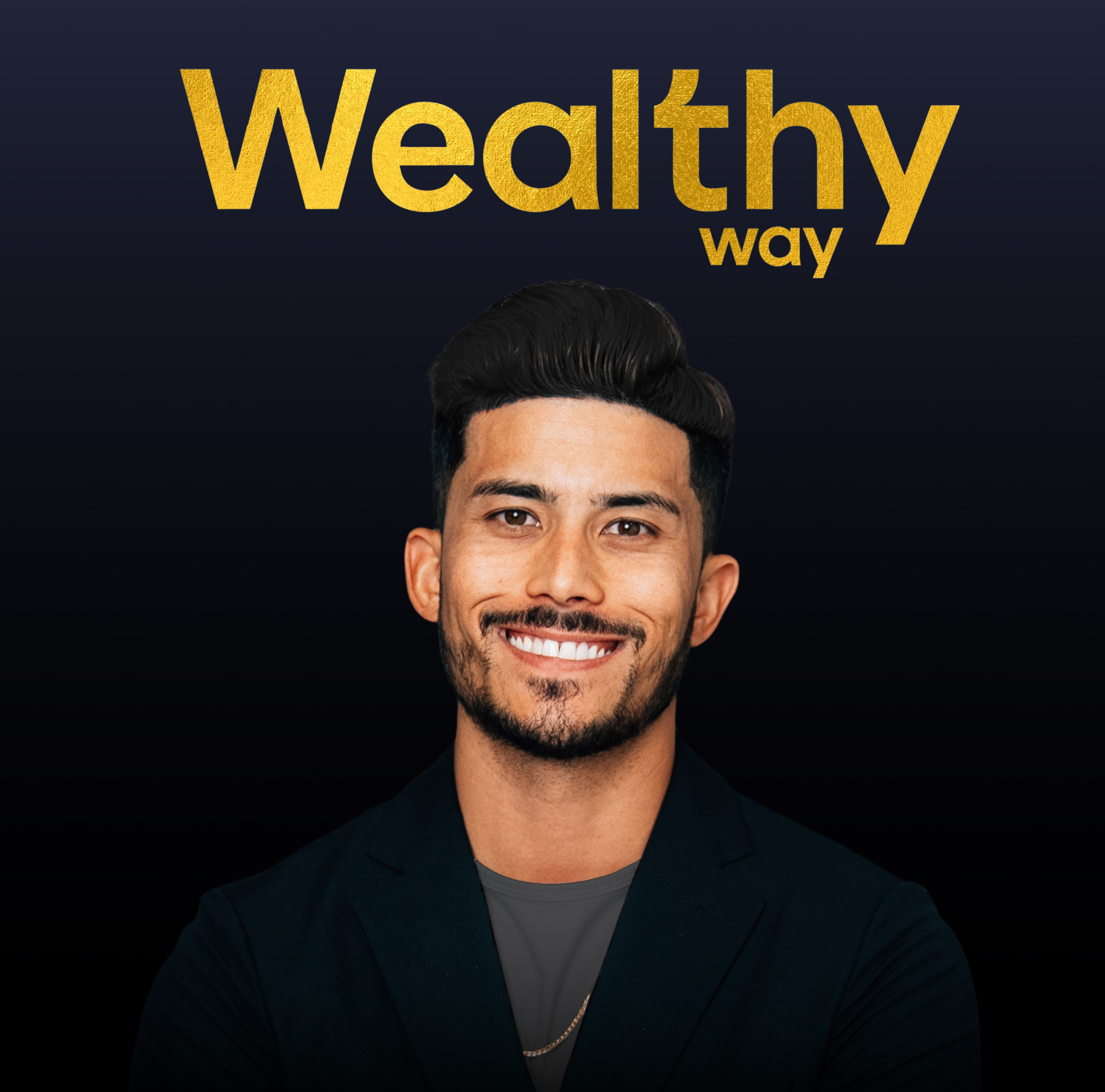
Ryan Pineda
Wealthy Way
Serial entrepreneur and real estate investor. Founder of multiple 7-8 figure businesses including Wealthy Way. Former professional baseball player turned real estate mogul with 459K+ Instagram followers.
Full Transcript
17034 words
Full Transcript
17034 words
Steve Trang: Hey, everybody. Thank you for joining us for today's episode of real estate disruptors and blockway in jail Blockchain whales. Wow. Today, we got Ryan Pineda back again for a fourth time. He flew from Vegas to talk about all the things he's done since he was on the show last year.
So we actually went through the list. It's too long for the intro. If this is your first time tuning in, I'm Steve Trang, sales trainer. And every month, we help hundreds of people buy more houses at deeper margins. If you want more information about that, DM me the word sales on Instagram, and I am on a mission to create 100 millionaires.
The information on this podcast alone is enough to help you become a millionaire in the next five to seven years if you'll take consistent action. You'll become one, and this show is brought to you by the Whale Club. This is a new venture I started with my buddy, Paul Sparks. If you get value today, please tag our friend below. Share this episode right now.
That way we can all grow together. And this is a live show, so please ask your questions for Ryan to answer. You ready?
Ryan Pineda: Yeah. And let me give a quick plug by Steve Sales Training. We we did that, and it's legit.
Steve: Yeah. So, I love it. I love working with your guys. You've got some massive killers, and then they ask the best questions on the calls. Good.
Alright. So when we talked last, we talked about a brokerage, CPA, education, influencer capital, ecom, and crypto.
Ryan: Yeah. So
Steve: have you done anything significant since then?
Ryan: You know, we we were, like, thinking when was the last time. So it's been a year since the last show. Yeah. And, yeah. So at that time, I had just started, a couple of those companies, with ecommerce.
We were just getting started. Today, we've got over 300 stores that we manage Wow. At Lunar Ecom. With the fund, we hadn't bought any yet. I was just getting everything squared away.
Since then, we've bought 460 units, and we
Steve: I think you've brought Austin?
Ryan: Yep. Austin. Yep. He's, one of my guys in the fund. Yep.
And, yeah, we've got four different projects under contract right now, so we should be able to get over a thousand here very shortly.
Steve: Wow.
Ryan: So that's going good. And I actually started a second fund with my buddy Graham Stephan.
Steve: Mhmm.
Ryan: And so him and I are raising money together and gonna be buying, some of the deals that didn't fit the model of Panayta Capital. You know? At Panayta Capital, we're looking for super deep value add real estate, you know, stuff that's beat up, stuff that needs a lot of work. Whereas with Creator Properties, which is the company Graham and I founded, we're looking for more stable stuff, more safe stuff, more stuff that, you know, doesn't need so much work. And in fact, we're here in Phoenix right now.
I just got done filming at a 44 unit we're buying here in Phoenix.
Steve: Yeah. You know? And it probably makes some sense because you you and he have very different risk profiles.
Ryan: Yeah. 100%. Well, it was such a great partnership because I'm super risky. Like, I love taking risk and doing these things, and so all the stuff we bought in Pineda Capital has been such. Like, we bought a 126 units that have literally no one in it.
You know, like, it's great because those have really high rewards, and I trust our operations to be able to do it.
Steve: That's a bold, bold move.
Ryan: That we roll. But, at creator properties, I realized well, before creator properties, I realized that we were turning down all these deals that were good. They were good deals, but, like, they weren't juicy enough for me to be like, okay. Let's go raise for that. You know?
I'm like, well, let's just wait for home runs.
Steve: Yeah.
Ryan: These are, like, the doubles that are just easy to do. And so I said, you know what, Graham? We get all these deals already. They'd be very easy to take down. They have way less work to do, and they're just more safe bets.
And I think your audience would love them. And so, at the end of the day, you know, we formed our partnership, and now we're taking down all these deals that I had otherwise turned down.
Steve: Yeah. Okay. So, Graham Stephan, for those that don't know, you wanna talk about him just a little bit?
Ryan: Yeah. I mean, I think he's the biggest, finance YouTuber there is. I think he's got, like, 4,000,000 some subscribers and, just a really good guy. Him and I met a couple years ago when I started making YouTube videos, and, he, you know, now lives in Vegas where I'm at, and we helped him buy his house. And since then, we've done a lot of stuff together.
Steve: Yeah. Because I remember you took his course. Yeah. And because you took his course, I took his course. Yeah.
And I was actually in this coaching program. I was like, hey. When you go to Vegas, make sure you connect with Ryan.
Ryan: Yep.
Steve: So alright. So you got that going. And then, you said the that was the fun. So you bought one with your existing fund, and you bought you're at four in a contract now with Graham.
Ryan: Two with Graham, two with the existing fund.
Steve: Two with the existing fund. Yeah. Gotcha. And then you were kinda dabbling with crypto at this time.
Ryan: Yeah. So, I mean, back then, I I guess a year ago, I've been I was buying a lot of Bitcoin, a lot of Ethereum. And, obviously, the last couple of days, it's been just terrible crashes and stuff like that. But, around November, I started getting really into NFTs and understanding that industry. Mhmm.
And so I threw almost a million dollars into NFTs, and it's just something that I've believed in the moment I understood the technology. And when I started to look at what NFTs are gonna do in the realm of real estate, I was like, holy crap. Like, this is literally going to change the world, of real estate and how we transact, how we fund, how we borrow money, how we syndicate. Like, all these ways, it is going to change it. And, I mean, it's not gonna happen overnight.
It's something that's gonna happen here, you know, I would guess, in the next five years. Yeah. And, like, I gotta go all in on this. And so, you know, I bought a bunch of NFTs that put me in these groups so I could learn how these communities worked and how it is, you know, buying NFTs and picking them out and all this stuff. And it's giving me a lot of good feedback and experiences for launching my own, which is, coming out here in the next couple of months called TYKES.
Yep. So TYKES is short for digital tycoon. Essentially, we are just trying to become the next tycoons. You know? Like, if you look in real estate today, the old school term was you're a tycoon if you own a lot of real estate.
Yeah.
Steve: It's a matter of land, Baron.
Ryan: Yeah. And it's like, man, the Wall Street is what is really the only tycoons today. These guys have all the real estate. And I just look at this opportunity of digital real estate, which, you know, I'm calling anything to do with crypto, web three, and real estate. You know, it could be buying land in the metaverse.
It could be, you know, all these applications I'm talking about in real world real estate with blockchain. And, you know, it's just this unique opportunity and time where you can literally become, like, this next wave of digital tycoons that just it's such an important moment in history that people have. And, like, people talk about it all the time. They're like, man, I wish I got it on Bitcoin, you know, whatever price. Right?
Then it was like, dude, Bitcoin not long ago was, you know, less than $500.
Steve: Yeah. Well, I remember, like, my brother is telling me that you should buy some Bitcoin. I was like, what is this thing? It's like, $500 or what? No.
We're not buying that.
Ryan: Right. And so we're at that point and it might be we're at the point in digital real estate where Bitcoin's, like, $10. Yeah. Right? And that's how I see it.
And I just see this enormous opportunity where there's gonna be so much wealth made in this space that people just don't really understand it yet, which is fine. Yeah. And, you know, for me, Tykes is, a project where we're not only going to be bringing together all the people who are interested in digital real estate, and and creating masterminds and real life events and these, you know, other cool things, which, can't really talk too much about yet, but also showcasing what's possible with Yeah. Digital real estate applications. So, you know, we're gonna be, letting people stake their tyke, meaning that they can lock it up kind of like you would lock up money in a bond.
Mhmm. And it's gonna produce, a cryptocurrency we're creating called tycoin. And, with that tycoin, it's basically gonna be the currency for the entire system that, or the entire ecosystem with tykes. You know, you'll be able to buy the trainings with that coin. You'll be able to, buy tickets to these events.
You're gonna be able to, potentially buy into what I'm calling a tyke share, which has never been done before. Essentially, the first tyke share is gonna be in Las Vegas. It's kind of like a hybrid between a timeshare and an Airbnb.
Steve: Mhmm.
Ryan: And, basically, I bought this one and a half million dollar home, all my own money. Like, I'm basically gifting it to the tykes community to go stay in, and, basically, they'll use their tyke coin to go stay there. And, it's like kinda like a timeshare, like I'm saying. Like, they'll have the rights to stay on those dates at the house.
Steve: You know what I'm noticing right now?
Ryan: Yeah.
Steve: Right? I've learned this space. Obviously, you've done really well in learning this space. I tried to explain what I'm doing here, and everyone was like, well, slow down. That doesn't make sense.
That hurts my head. Right? I've noticed that not only have you learned this, you've talked about it so well that you can speak it in a way that makes sense to people.
Ryan: Yeah. I'm trying to simplify it. You know? I'm actually speaking at, All in Freedom tomorrow about this concept. And my vision is, you know, if I can educate people on what's to come, like, there's gonna be people who say it's stupid, it's not gonna happen, and there's gonna be people who really buy into it.
Mhmm. And they're gonna be digital tycoons. Like, that's that's the gist of it. Like, you buy in and you understand what's happening. If you you can't lose if you buy Bitcoin at $500, like, you know, back then.
Yeah. And then interim, yeah, sure. It's gonna be volatile, and that's what it is. You know, at the end of the day, five years from now, I can promise you digital real estate is going to be a multitrillion dollar industry.
Steve: Yeah. So, we're in collective genius together, and I get chance to be in the room when you're explaining your vision of, like, the road map of where this can all go.
Ryan: Mhmm.
Steve: And, unfortunately, you won the belt again. I didn't really enjoy that part.
Ryan: By the way, I've never lost.
Steve: So three and o, whatever. Anyway, can you share a little bit of what you're talking about as far as applications? Because you really, like, you know, blew some people's minds.
Ryan: Yeah. So, man, how much time we got, dude? I could talk about this for days.
Steve: I got appointment at 05:30, so we got an hour.
Ryan: Alright. So, you know, I tried to kinda speed through what tykes was because, you know, I didn't know how many things we were gonna talk about. But, again, like, digital real estate, let's talk about this. As far as how people perceive it today, they would be thinking that it's about, metaverse. Right?
And metaverse is just one piece of digital real estate. Right? You guys probably you might if you've if you're in crypto at all, you might have seen, like, the Bored Ape Yacht Club just sold, plots of land in their upcoming metaverse.
Steve: Yep.
Ryan: It was the largest, like, NFT drop ever. It sold over $300,000,000 worth of, land. Absolutely insane. And there's other ones like Decentraland and Sandbox and these things. Right?
And the way that they are right now is kind of a mix of, like, the stems, Fortnite, you know, like, you can go in there, you can run around, you can, you know, do things. They're they're very much in the, like, first inning Mhmm. Of what they're going to be. The ninth inning, in my opinion, or not even the ninth, but maybe, like, the fifth inning, probably looks a lot like Ready Player One, if you guys have seen that movie. Right?
Like, people are going into the metaverse. They're hanging out. They're doing things. They're working. And I see that happening for sure at some point.
I don't know how many years away that is, but, you know, whatever. You know, the the eighth and ninth inning maybe look like what Elon Musk is trying to do with Neuralink where you instantly can just tap into the metaverse, and that's how it goes. Right? So if you understand that with that framework, you know, as far as it goes to real estate investing in this metaverse land, you don't really need to think of it other than how we invest in commercial real estate today. Because, you know, there are plots of land, and they each have their own value similar to how we look at land today.
How big is the land? What's it near? What metaverse is it in? Right? AKA, what city?
It's very similar in that way of, like, okay. What is the value of this thing? Yeah. Now as far as how do you make money on it? Like, that's the first question.
Well, just like commercial real estate, you can do whatever you want. You could lease the land to somebody else. I could go throw a billboard on the land and have it be an advertisement. I could go lease the land to somebody else. I could lease a billboard.
I could develop it into a giant building where, you know, I sell stuff inside of it. I could develop it into, you know, a club where people go and attend like, whatever. Like, I can make it a gaming, a casino, the the possibilities of what you're gonna be able to do with the land are, like, literally limitless because it's just code. You can code whatever you want on the land. And Whatever
Steve: you can imagine.
Ryan: Yeah. And so, you know, at the end of the day, if people are going to be there, that land will have value, and it's gonna have value based on the same principles that real estate has value in the real world. Now a lot of people will say, well, what makes it valuable? You know, anyone can go create metaverse land. It's infinite.
And it's somewhat true, but, like, the example I always use is, like, in the real world right now, land is pretty infinite. Only 10% of the land in the world is actually used. K? So there's a reason. You know, I live in Vegas.
You live in Phoenix. There's all this land in between Vegas and Phoenix, and it's literally, like, worthless.
Steve: It's just desert.
Ryan: It's just desert because nobody's there.
Steve: Yeah.
Ryan: And so there's gonna be a bunch of metaverses that are made in the interim, but nobody will be there because there's only so many people who are gonna participate in the metaverse.
Steve: Right.
Ryan: Just like social media. Right? There's a bunch of social medias that have happened, but there's only the ones that people participate in that people go to. There's network effect.
Steve: My my Myspace account is still doing really well.
Ryan: Yeah. Your Myspace is is killing it because no one's there. Yeah. Right? So at at the end of the day, there will be metaverses that try, but then there's just gonna be the ones that actually have all of the people.
Like Google. Right? Like, everyone uses Google to search something. They develop a a monopoly, and there's going to be metaverses that end up being kind of the monopolies.
Steve: Is Panettaverse Panettaverse gonna be a thing?
Ryan: Dude, it just might be. Tykes verse? You never know, dude.
Steve: Yeah. So alright. One of there was a couple different applications that you mentioned that that were interesting. First was blockchain title. Right?
Yeah. Everyone that talks about blockchain and real estate, like, that's, like, the first or second thing they bring up.
Ryan: Mhmm.
Steve: I'm of the opinion that there is so much money in title that you'll encounter a lot of resistance against it. It's probably a three to five year away thing at least. Yeah.
Ryan: I
Steve: agree. Your thought on that?
Ryan: Yeah. I agree. I think a lot of the stuff I'm talking about, like I'm saying, is have a three to five year time horizon. But, yeah, I mean, chain of title. Right?
Like, the way that we transact real estate is so dumb because it wasn't less than ten years ago that most title companies, you'd go sign at the title company. They would then go take your signatures to, you know, the county recorder's office.
Steve: Mhmm.
Ryan: They record it by hand, and then, you know, however long it took them to process it, then you own it the next day. Whatever. Right? And also too, you gotta make sure you wire before 01:00, whatever, and they have to receive it by 03:00 to go then do whatever.
Steve: To record it. Yep.
Ryan: Yeah. Like, it's just and you can't do it on weekends. Right? You can't do any of that. Well, later on, they started to realize, like, okay.
We don't necessarily have to go run it down there anymore. We can do an e filing now. Mhmm. And so that was like, oh, that's a new that's a nice change. They can just
Steve: Save this an hour.
Ryan: Yep. And so that was, like, pretty new. Then, you know, COVID happened, and it was like, well, we can, you know, we don't have to have a notary at your house. We can actually just do a virtual notary. And it was like, yeah.
Like, all these things are just continuing to grow technologically. And so the next, apparent evolution of title is going to be on the blockchain. And for those who don't realize this, you know, the the reason you get title insurance right now is because, you know, they're doing a lot of work to make sure that the person who is claiming to sell you this home does in fact actually own the home. They got it legitimately. They are who they say they are and all this stuff.
They're also giving you title insurance to make sure there are no other liens against the property and, like, any creditors or anything like that. And so that's why they get to charge a really high fee along with charging you for escrow and all these other things. Well, all that goes away the moment you start putting a house on the blockchain. And once it's on the blockchain, it is apparent who owns the home. K?
I cannot buy a house from Steve without Steve actually sending it from his wallet to me. Mhmm.
Steve: At
Ryan: that point, it it eliminates so much fraud. Like, somebody else can't pretend to be Steve because they don't have Steve's wallet. Right? Like, they don't have any of the stuff. Only Steve can send me the home, and it's just publicly recorded on the blockchain.
And once they start allowing that and they start allowing people to, you know, record their liens on the blockchain against the property and all that with smart contracts, then it just eliminates all of this need for title insurance because it's all right there. Everybody can see it.
Steve: Yeah. So it's just a matter I mean, we talked about three to five years, but I think before it's, like, normalized. But as far as ultimate conversion, we have to put every single property on the blockchain. I mean, this could literally be, like, forty, fifty years if we get every last house
Ryan: Yeah. I mean
Steve: on the blockchain.
Ryan: Look. If you if you go to, like, some older places, they still do title in the ancient ways of doing it. Right? Like, they they've yet to adjust like other major metros have. But, you know, you're gonna see places like Miami, you know, who are who is trying to be the hub for all things crypto.
Steve: It's fascinating that they're trying they're they're leading that battle.
Ryan: Yeah. I would guarantee you, they will be the first people to start putting all of their real estate on the blockchain. Well, I
Steve: think for good reason because that's probably the city that needs it the most. Yeah. Yeah.
Ryan: They they got a lot of fraud and stuff going on there.
Steve: They got a little bit of, like, where did this money come from situation Yep. In that particular city.
Ryan: So, yeah, that's that's gonna happen. But, yeah, you know, you you look at that and title, and it's that's the easiest use case. But, you know, a use case that I tell people about I was actually speaking at an event, about two weeks ago, for a fund, and I said, dude, the funds are the biggest beneficiaries of this technology with crypto and NFTs. You know, right now, like, I I just talked about my two funds with Panayta Capital and Creator Properties. When people want to invest with us, you know, they know going into it that, hey.
This is gonna be a three to five year deal. Like, they sign paperwork. They understand that. The money is gonna be tied up until we either sell it or we refinance and get all their money out. Right?
Steve: Mhmm.
Ryan: And they're okay
Steve: with that.
Ryan: Like, they know that going into it. But, you know, the the biggest downfall is that there's a lot of people who don't invest with us because they don't like that. Right? Those who are cool with it, they're cool with it, but there's a bunch of people who are like, dude, I love the deal. I don't love that I have to tie my money up that long.
Well, if you were to start NFTing the shares of a fund, it eliminates that issue. And here's what I mean. You know, instead of Steve giving me a $100,000 for this property we're buying in Arizona right now, by the way, if you we still got some slots open if you wanna invest. Appreciate that. So, if Steve wants to give me a $100,000, typically, right now, you give it to me and, like, it's cool.
He's gonna go be in our portal and get his dividends and all that stuff. You gotta
Steve: wait three years.
Ryan: But you gotta wait to get your money back. Yep. Right? But if I gave him an NFT instead and said, here's your NFT for all your shares, and, you know, it's worth a $100,000 today. Well, a year from now, let's say the market continues to be red hot.
It's going up. We're doing a good job as operators. We're getting the things stabilized even better. It's going great. And all of a sudden, your shares are now worth $150.
Well, you have the choice, at the very least, to go put it up on the market to sell those shares or to, you know, keep them or whatever you wanna do. Right? Maybe you just need the liquidity because, you know, you gotta get opportunity or things hit the fan, whatever. Yep. Or you think the market's gonna crash, and you're like, dude, we need to exit right now.
Well, you can go put it on the market. Somebody else can go buy it, and you get to exit. For us as the operator, we don't care.
Steve: Right.
Ryan: It doesn't affect us what you you choose to do with it. So it's a win win all the way around. And guess what? The moment you start making something that's illiquid, like a fund liquid, dude, I mean, it's gonna pour more money into real estate.
Steve: Right. It's gonna be a lot more valuable. So I imagine you had a lot of conversations with attorneys about this.
Ryan: Mhmm.
Steve: Because the things that and you probably already figured this part out. The questions that go through my head, right, is how did depreciation work? Yeah. How does accreditation work?
Ryan: Yeah.
Steve: How does the three touches work? Yeah. So is there anything you can expand upon in those regards?
Ryan: You know, with accreditation and everything else, in order for you to go sell that NFT, you would have to use a third party source to transact it to make sure that person you're selling it to is, So
Steve: this is not going on OpenSea?
Ryan: No. It ain't going on OpenSea. There are and I'll say this. There are people that are going to do this without realizing that what they're doing is illegal. I've already seen it on on the Internet.
People are talking about NFTing, Airbnbs, and all this stuff. And, like, yeah. You know, anyone can buy in, and you can share in the profits, and you can do this. And I'm like, yeah. You can also go to jail.
Steve: Yeah. They're waiting for a knock on the door of some people in suits.
Ryan: Yeah. Because you can't do that. That's a syndication. That's you're selling a security.
Steve: As a securities it's not fraud, but a securities violation, and they don't mess around securities.
Ryan: No. I ain't trying to deal with that. Like, look. I've already started multiple funds. Like, I understand what we're supposed to do on the security side, and I understand how it's supposed to happen on the crypto side
Steve: Yeah.
Ryan: As well. And so, yeah, for me, there's definitely a thing called know your customer. And so, it's interesting with blockchain because in the crypto world, anonymity or being anonymous is, like, a very, important thing.
Steve: I mean, a real thing. We've we've we've learned with with people that have done some really illegal activities have been very much been busted into real life. So that anonymity is kinda suspicious. Yeah. But, anyway And
Ryan: so, like, a lot of people value that, and that's fine. But, if that's you, you ain't gonna invest in real estate. It's just not gonna work. You have to, let you and like you said too, for the depreciation benefits, like, they gotta know who you are. Like, so
Steve: can't fire an IRS tax return if you're anonymous.
Ryan: Yeah. So all those things are going to, make it more mainstream. And I I think Web three and crypto will not be what peep what it is currently down the road. It will be much more organized and, I guess, call it corporate, whatever.
Steve: Centralized?
Ryan: Yeah. It will be much more centralized, but it will still be decentralized in that people have the ability to do what they want
Steve: Yeah.
Ryan: With their stuff.
Steve: So that's really fascinating. If they wanna find out more about what you've got going on there, how do they get more information about that?
Ryan: Yeah. So, go to tykes.io,tykes,.io. Join the Discord. If you get on an email list, we'll email you, when we're gonna drop. I mean, there's already so much demand for it because it just doesn't really exist with this.
You know, the, like, the biggest thing I get asked all the time is, like, okay, Ryan. I I agree with you. And this is what they asked us at CG too. They said, I get it. Like, this is the future.
How do I learn more about it? And I'm like, well, you you can't really like, I'm kind of, like, probably the most known guy talking about it.
Steve: Are you pioneering it?
Ryan: Yeah. And that's actually our slogan for tykes, by the way, the pioneers of digital real estate.
Steve: Yeah.
Ryan: But it just made me realize, like, in in all my businesses, whenever I see a problem that doesn't have an apparent solution, that means I can create the solution, and, you know, we can make a lot of money doing it. Yeah. So I said, you know what? You're gonna have the solution. Give me some time.
Steve: Right.
Ryan: And, that's why we're building up tykes. Like, I want it to be the premier mastermind for guys like Steve, guys like Kong who were who was here earlier, guys like, you know, who are in the Web three space but love real estate
Steve: Yep.
Ryan: And bring them all together in this place and let smart people develop businesses, invest, do things together that, are gonna change the world.
Steve: Yep. Absolutely. I'm excited for that. So I was out in your office back in December, and, we're kinda talking about some of the things that I'm working on. And you mentioned what you're most excited about was Wealthy Way.
Yeah. What is that?
Ryan: Yeah. So Wealthy Way is amazing. It's kind of like this way of life that, I've been living for a while, but I just didn't know how to, like, formulate it and, like, make an SOP for it. Because I just you know, it's just like, these are my philosophies on how I think you should live life and how you should, you know, do business and how you should take care of yourself and handle your faith and your family and all these things. And the and when I started thinking about it, you know, because I kept getting all these questions over and over again.
They were like, dude, how do you, like, run all these companies, stay in shape, still have time to golf, you know, go to
Steve: to golf, not go golf. Get paid to golf.
Ryan: That's true. The wealthy way doesn't cover that. But, you know, go hang with your family. I was in Malibu last week just with my family. Like, they're like, how do you do it all?
And I would start to, like, try and explain it, and I was like, this is, like, way too much for a conversation.
Steve: Yeah.
Ryan: And so I started writing it down of, like It
Steve: was a philosophy.
Ryan: Yeah. So I started writing it down, and, I came up with the wealthy white. That was what I called it. And I was like, you know what, man? Like, this is gonna change so many people's lives.
Like, I don't wanna charge for it like I would for any other course or thing I create. I'm just gonna give it to everyone for free. So, like, I created this entire course. There's literally no upsells. There's nothing.
Just going over, what the wealthy way is, how to live it. You know, basically, I I created this acronym of called WEALTH. You know, it stands for worship, education, affluence, lifestyle, team, and health, and essentially creating goals around each of those, categories, you know, kind of our core values as wealth builders. And it's been great. I also created a software, basically, that is my morning routine planner.
Basically, it has, like, a journal. It helps you set all your goals, lets you write things you're grateful for, you know, weekly goals, yearly goals. It helps you track it every single day. And once again, this stuff didn't exist. Like, it's not like there's not a journal out there that does all these things, nor is there a software out there that you can just use for free.
And I was like, I just went to my software team, and I'm like, let's just create it and just give it away. So we did that. Mhmm. Then we have a Discord community, and we're adding a ton of other stuff, to it. In fact, I mean, I'll reveal it on here.
Like, I'm actually gonna be changing my podcast name to The Wealthy Way Yeah. Because I'm just so passionate about it. And, like, you know, on on that podcast, once we make the official switch, you know, I'll be interviewing a lot of people, not just in business. Like, dude, I wanna interview the best health experts. I wanna interview the best, you know, faith based people, you know, the best pastors.
I wanna interview, people who are just living really cool lives. You know? And then, of course, there will always be business, and there will be, you know, all these things. But, yeah, that's what I'm really most passionate about. And, element
Steve: of Joe Rogan in there. Joe Rogan, Tim Ferris kinda deal.
Ryan: Yeah. For sure. But, you know, I think with those guys, there's not really, like, a philosophy. It's just like, yeah, we interview cool people, whereas the Wealthy Way is like, look. If you stumble upon this podcast, we actually have a blueprint of how to live the Wealthy Way, and it's all free.
So go check it out.
Steve: That's awesome. Yeah. And that was also around the same time where I shared with you. It's like, hey. I'm getting recruited to Keller Williams.
Ryan: Yeah. Or I
Steve: was like, hey. Like, they're saying because I've you know, we do the sales training. We help people buy houses. And I was like, well, the next logical leap will be teaching realtors Mhmm. Sales training.
Right? Yep. And they were basically saying, look. I can get you in front of Gary Keller, and he will push the heck out of your sales training to which I said, if you can make that happen, then I've been drinking KW Kool Aid this whole time. I just wasn't announcing it.
Right? And I tell this to you, and you say, well, actually, I'm looking at something else.
Ryan: Yeah.
Steve: So what were you looking at?
Ryan: Yeah. So, I don't think I plugged this, but for those of you who said who wanna go to Wealthy Way, it's just wealthyway.com to go get all that. But, yeah. You know, when you told me that, at the time, I had my brokerage. We had, you know, 150 to 200 agents.
And I had been considering a move for a while because I kinda was not fed up with it, but, like, mad that it just couldn't scale like my other businesses. You know? At the end of the day, a normal local brokerage is limited to everyone in that local market. And I'm just like, dude, that's so dumb. Like, if I could get everyone who wanted to be a realtor, you know, in our brokerage, like, how big will we be?
Right? It'd be it'd be amazing. And, you know, I started looking at these other business models, and, you know, I realized that there's other brokerages out there like eXp, where you can essentially have your own mini brokerage. Right? Like Right.
You know, anyone that you bring on EXP goes underneath you. Even though you're not a broker, you don't even have to have the liability or anything. Like, you still get paid for all the people underneath you. And I said, that's, like, actually a really smart model. And it's what's allowed them to grow to be, like, the fastest growing brokerage in the world.
And, you know, during that time, I talked to a bunch of people at eXp, and I was like, you know what? I just am, like, not really feeling this vibe and various reasons, which I won't get into. But, is that Bad because
Steve: that's what they ask you about those vibes, but continue.
Ryan: You know, one of the vibes I'll just say one of the vibes being, like, you know, they they kinda have this connotation of just being recruiters only. Right? Like, we we would get calls every freaking week from e x p people trying to recruit us over. I'm just like, dude, you have nothing better to do? Like, go sell real estate.
You know? But it it is just that. And I know that I've interviewed eXp people on my, podcast, and they're all great. They're all crushing it in real estate. So I don't even wanna say, like, that was the vibe even though that was one of them.
But, there was just a lot of things.
Steve: So, anyways Well, I mean, just to add to that, it's it's weird. You know? It's like whenever I get a call from an eXp agent, it's like I take a deep breath, like and then and then and I think for a fraction of a second, do I wanna take this call? Right? It's almost like
Ryan: Is he calling me to recruit me or, like, talk about a deal?
Steve: Yeah. Right? It's like when a title person calls you, a mortgage person calls you, you're like, am I in the right frame of mind to take this call right now? Yeah.
Ryan: Or should
Steve: I let this go to the voice mail, see what they say, and then maybe I'll call them back? Yeah. Yeah.
Ryan: Yeah. It's it's always like a sales pitch. Yeah. So I've thankfully, I don't take any of those calls. My partner, Nick, had to deal with them all.
Yeah. So yeah. You know, I I was like, I just I'm not really feeling it. And then, around that time, I started to hear about this new company called Real, which, very similar model in that, you know, you can go nationwide and create a downline and revenue share and all that. And the more I looked at them, I was like, man, this is really cool.
Like, they're newer. I think they have, like, 4,000 agents. There's a lot more opportunity for growth. The fees are cheaper, like, everything about it. And I was like, you know what?
And and, you know, I talked to the CEO and all that stuff, and I said, let's just convert our brokerage over there.
Steve: Yeah. You know?
Ryan: We're We're gonna lose some people who aren't happy about it, and that's fine. But in the long haul, it's gonna give us the ability to expand a lot. And so, my partner Nick and I made that choice to transfer all of the agents under Nick's name, and, you know, I'm happy we did it. But one thing to your point that we did, in conjunction with that was I started a new company called Wealthy Agent because I had been seeing the same things you were seeing of, like, man, realtor education is kind of I don't wanna say outdated, but the same stuff.
Steve: Yeah. You know? Really been revolutionized.
Ryan: Yeah. I mean, like, you can pretty much contribute the majority of realtor education to someone with the last name Ferry, and they both teach the same thing. I like it it's it's cold call. It's, you know, role play. It's expired and door knock and, like, whatever.
And it's great. Like, it does work. But the more I looked at realtor education, the more I was like, man, this stuff doesn't, like, make you wealthy. Like, this stuff makes you money. But if you were to ask me what I taught our realtor or our realtors at Forever Home Realty, it was very different.
I was saying, hey. It ain't about just making more commissions. Like, that's great, but how about we buy some rental properties?
Steve: Mhmm.
Ryan: How about some of these listing appointments you're going on? You actually try to buy the house. Like, that will make you way more money than shooting for a 1%, 2% listing.
Steve: Yeah.
Ryan: You know? Why don't we talk about building your personal brand and using social media the right way to go get leads and build a brand and get organic traffic. Why don't we talk about taxes and how you can just be a real estate professional and pay no taxes just doing these right things in conjunction with each other? And, yes, let's focus on being a realtor too and, you know, learn those marketing techniques, get better at sales and negotiations, and, like, yeah, we're gonna talk about that as well, but let's cover these things that actually make you the wealth.
Steve: Right. And And so when you reach out to me to talk about your vision
Ryan: Yeah.
Steve: Right, I was looking as those are all the same exact things I was trying to do at Stunning Homes Realty. Right? We had over a 100 agents, and we don't talk about, like, how to help people buy and sell houses to financial freedom. Right? We talk about, hey.
Like, that is important for active income. Yep. But what are you doing to create wealth for you and your family so that, like, the I I gave everyone in our office full permission. If you ever saw me at a continuing education class at the age of 60, shoot me. Right?
That we clearly missed the mark if that's the case.
Ryan: Yeah. Well and it's just like, you know, here and this is the truth, and this is the same as real and eXp and every other brokerage in the world. They don't get paid when you buy a rental property. Right? When you wholesale a deal or you flip a deal, they don't make money.
In fact, it's more liability for them. So you'll never see brokerages promoting you to do that stuff. K? With taxes, most of them have no clue. Right?
I own a tax company. I understand it. Like, I get why brokerages don't know because it's not in their best interest to teach their like, it doesn't make them any more money when you save money on taxes. Like, it's
Steve: Or if you if you are successful, outside of buying and selling homes
Ryan: Yeah.
Steve: Then you're no longer beating them.
Ryan: Yeah. Well and yeah. 100%. Right? Like, because you start doing things differently.
Same thing with social media. Alright? Like, Gary Keller, k, you used him as an example. I mean, the dude's obviously done very well for himself.
Steve: Yeah.
Ryan: He didn't use social media to get to where he's at. Right? I get more views than Gary Keller.
Steve: Mhmm. He is, though, the best example I've seen of, like, information marketing where, like, let me give you a book.
Ryan: Yeah.
Steve: Right? And then you will buy my product.
Ryan: Yeah. He's
Steve: probably the best I ever can.
Ryan: School marketer. Right? Like, that stuff works. That's direct marketing. It's it's fantastic.
I've learned a lot from him, so I'm not saying that.
Steve: Yeah.
Ryan: What I am saying is the way he got rich was in a different era
Steve: Mhmm.
Ryan: Than the way a new realtor is gonna get rich.
Steve: Absolutely.
Ryan: And so you wanna learn from Gary Keller who got rich away that's not relevant today compared to how you can fast track it? I don't know, dude. I'd rather go learn from the people who are doing it the way that you're gonna end up having to do it. And so I just looked at all this stuff, and I was like, yep. I mean, brokerages are not gonna teach social media because they don't know how.
Steve: Yeah. You know? Well, they're not qualified. It's like if, we talk about building companies offline right now here, but, like, we have great companies not because you and I are great videographers or great programmers or web designers or anything like that.
Ryan: Right.
Steve: Right? We have it because our people are awesome. So would you rather have your broker who doesn't know how to post an Instagram teach you?
Ryan: Yeah. And so, like, the reason I'm I'm I'm not even like, I guess, I'm hating. But, like, the reason I'm saying all this is because if you've been a realtor this whole time at a big name brokerage or wherever, even a small boutique brokerage, and they haven't taught you this stuff, and you obviously know it's important, you're watching the show, then you obviously have a different mindset than most realtors. Yep. But you're like, man, why am I not getting traction?
Well, it's because you're not learning the right things. And so to long story short, like I said with Tykes and all my other businesses, when I see a problem with no apparent solution, I'm like, well, I guess I'll create the solution.
Steve: Mhmm.
Ryan: And so I created Wealthy Agent. I really like the wealthy, like, branding.
Steve: I don't think it's gonna pull pull negatively in any survey, so I think you're good.
Ryan: Yeah. I really like it. So, you know, I created Wealthy Agent, which teaches all of those things. And, yeah, you know, we're teaching like, we have three Zoom calls a week. I have literally pulled all the best coaches from across the country, to train on different things.
And so, like, Steve is a part of Wealthy Agent as a coach, as a student himself, as everything, And he is training, all of the students in Wealthy Agent on sales. Right? I just did a training literally two days ago. No. Actually, might have been yesterday.
I did one yesterday. And it's it's ironic we're talking about Gary Keller. I was actually praising Gary Keller because, I was talking about his book, The One Thing, to them. And I was telling them, you know, really about how you can focus in on one thing on, their business and and really getting deep down into the marketing. But, you know, my previous call with them, I talked about personal brand and how to build that up in their market.
But, you know, we've got guys like us. We've got, you know, my partner with the CPA side. We've got people talking about flipping and wholesaling. We've got people talking about how to build a team for your realtors. We got people talking about, best practices with cold calling, best practices with, you know, door to door sale, like, everything.
Steve: KPIs, VAs.
Ryan: KPIs, VAs. Like, you name it. You know, we've got three calls a week from different people, you know, every single week. So, like, the perspectives you get, nobody has it. Like, it just doesn't exist.
Steve: So, Priscilla sells real estate is asking on Instagram how are we looking to expand to Texas? We are in Texas. So, there should be something on the screen. Joinreal.com. Put myself as a sponsor if you would be so kind.
And wealthyagent.io right now is what Ryan's talking about.
Ryan: Yeah. So, if you're interested in Wealthy Agent, go to wealthyagent.io. There, you can just say Steve referred you, and, that way we take care of Steve because he is the man at Wealthy Agent. And, you know, whether you join Real or whether you, just wanna be a part of Wealthy Agent, we can definitely help you out. So yeah.
Steve: So there's a couple questions here I wanna jump on. But before we do that, I wanted to ask you about something that seems to be interesting right now. There's a lot of talks on the crypto Twitter. Yeah. Right?
I guess there's some earthquakes in the last couple of days.
Ryan: Yeah, dude. It's interesting with crypto because unlike real estate you know, real this is why I like real estate because I don't have to look at what it's worth every day. You know, like, my houses, I'm like, yeah. They're they're whatever. I'll look at them, like, once a year to see, like, oh, man.
I gotta update my net worth because this thing has gone up quite a bit. But, in crypto, you're, like, looking at it every day, like, holy crap. Like, there it is. It's just dropping, going up every day. And, you know, I've been in crypto since 2018, and so I remember seeing that crash.
You know, I bought Bitcoin at freaking 20 k back then, and, you know, it crashed to, like I don't even know. $4,000.
Steve: 3,000 is what I heard.
Ryan: Yeah. $3,000, and I'm just like, yep. I'll see you later. And I remember Ethereum at the time. I don't remember what it was at 2018, but I remember buying it for, like, a thousand bucks.
Mhmm. And then it crashed to, like, 100. Right? And then I'm just like, whatever. And then, you know, crypto kinda falls out of the scene for a little bit.
Only the die hard stayed with it in 2019, 2020.
Steve: Did you? Did you saw anything?
Ryan: No. I actually kept it. Yeah.
Steve: Because I was fortunate.
Ryan: Yeah. I was just, like, what do I even care? Like, freaking it's worth a $100. Like, I'm not selling this. Yeah.
And so, it was funny because in 2020, I started to get interested in it again because I you know, we are going through the pandemic, and I started to read a lot about the Federal Reserve because I was really curious on what the government was going to do. And reading a ton about the Federal Reserve and crypto in general and technology. Like, all my books that year were around those topics. Are we
Steve: including in there, like, The Creature from Jekyll Island?
Ryan: Yep. The Creature from Jekyll Island, I read that year. I read a bunch of other, like, tech related books.
Steve: There's nothing exciting when you learn about the Federal Reserve.
Ryan: No. Yeah. It's it's a scam.
Steve: Pretty it's pretty depressing.
Ryan: Yeah. It's definitely a scam. And it just made me realize that, like, dude, crypto is gonna play a major role in everything that the the Federal Reserve is gonna screw up. And so, yeah, I ended up, getting back into it in 2020, and I I looked for all of my wallets. I was like, dude, where are those wallets?
And then and I found it, and then all of a sudden, crypto started taking off. And it was like, it just reinforced my belief of, like, dude, if you're into this for the long haul, crypto's fine. Like, it literally since its inception, you know, and whatever, twenty eleven, twelve, whenever they they invented Bitcoin to now, it's like you never lose if you just hold.
Steve: Mhmm. And if you
Ryan: just sit there and treat it like real estate, you don't look at it, you will win. And it the proof was in all that Ethereum I bought at a thousand dollars where I got hosed because it went to a 100. Imagine if I would have bought, you know, at a $100. You know, just bought, I don't know, like, $20 worth. Like Yeah.
Ethereum was at at the high, like, $4,700 this year or last year.
Steve: And And that's a and that we every time there's a dip, Corey Boatwright sends us a text, right, by the dip.
Ryan: Corey is one of the crypto people that, is always just looking at it every day. I'm not trying to do that, dude. It's, like, not good for my psychology.
Steve: But, anyway, so we're talking about yesterday or the last couple of days.
Ryan: Yeah. So yesterday, you know, it it freaking tanked so bad because, UST, which is what we call stablecoin, it's always supposed to be a dollar. Yeah.
Steve: It was a stablecoin.
Ryan: Yeah. Depegged, meaning it wasn't worth a dollar because people were just trading against it and all this stuff. And till it dropped all the way down to, like, 30¢, it was, like, nuts. And then I've been watching it the last couple days. It's been, like, 30¢, 80¢, 30¢, and it's, like, it's gonna be worth zero, like, at the end of the day.
And then Luna, which is, like, the company that goes hand in hand with UST, they were, like, a $100 a week ago, and now they're trading at, like, 50¢.
Steve: The 1 and a half this morning.
Ryan: Insane, dude.
Steve: 1 and a half cents. There was someone that posted. I think it was KSI. Like, he had 3,000,000 in Luna, and it's worth a thousand bucks.
Ryan: Dude, nuts. And, yeah. So, like, that was obviously a catastrophic event for crypto, and it it basically crashed the entire market. It was kinda like our version of, you know, 2008 when Mhmm. That crashed the entire market.
But, you know, unlike 2008 where that crashed the entire world Yeah. Like, this crashed just this smaller crypto market. And, you know, it is what it is, but
Steve: What do you think are the consequences of it? Like, for the next week, month?
Ryan: Well, I think crypto's gonna keep going down as of today. I'm definitely not an expert, but I you know, I'm usually a normally optimistic person who doesn't get scared by FUD or anything. But, like, just looking at it, I'm, like, understanding the cycles of crypto too because crypto does boom and bust. But over time, that boom and bust just keeps going up and up and up. Right?
Like, Bitcoin, at one point, was $30 and then busted to $2. Everyone's like, Bitcoin's a scam. Freaking $30. It's 2. I told you.
Yeah. You know? So, like, even though Bitcoin, I think, is gonna bust down to 20 k, it's still gonna be fine at 20 k in the long haul. Like, it will be worth $100,000. It will be worth half $1,000,000 at some point.
Like, I have no doubt that that will happen, at least as far as Bitcoin goes. Now a lot of these altcoins, not so much. They're they can be zero.
Steve: Yeah. Yeah. It's really interesting to see, like, the whole, the roller coaster and, man, like, I think, like, the the ulcers, the maybe losing your hair.
Ryan: My boy Kong over here is losing his hair with crypto. He's telling me before.
Steve: Yeah. So alright. So we have some questions here, on Twitter. So brand new flicks. What's the best way to buy land as an investment at 25, I'm assuming, years old?
Ryan: Are we talking about real land or metaverse land?
Steve: I'm thinking real land here. Yeah. I didn't think we were talking about crypto at this at this point yet.
Ryan: Okay. Yeah. I mean, the best way to buy land, I mean, there there's, like, a whole episode of, like, what you could do, but yeah. I mean, it just depends, like, what are you trying to buy it for the long haul? Are you trying to go flip it?
Are you trying to wholesale it? You know, can you go get seller finance terms on it? You know, can you identify a really good deal? Yeah. I the land I bought for my house, so I bought, like, a literal mountain in Las Vegas.
It was two acres, and I paid 620,000 for it. I got a loan. I put 30% down, so I put, like, $200 down. And, you know, I financed the rest. And I'm, like, still building and developing and stuff.
But, I mean, that land, I bought it a year and a half ago. I mean, that's worth it I mean, it's it's kinda priceless because it's so unique. So it's hard it's really, like, what someone gonna pay for it? But there are other lots right around there that are selling at, you know, $4,000,000 an acre. So that I mean, it could be worth 5,000,000.
It could be worth 10,000,000. Like, I don't know.
Steve: Yep. So I would recommend, we had Anthony Pappas. He was here a couple of weeks ago. So he talks about investing in land. I would definitely check that out, and I think he's I don't know.
He's 30 some. Play bass, MAJ says love our show. Appreciate it. What is the difference from a vast Vasili? What's the difference between blockchain and NFT?
Ryan: Blockchain and NFT. Well, I I don't I wouldn't say there's a difference. I mean, NFTs are on the blockchain. So best way to explain this, NFT stands for non fungible token. K?
So non fungible means that it cannot be, like, reproduced. Like, fungible would be a dollar. K? If Steve gives me a dollar, I'm willing to accept his dollar. I don't really care what dollar I get in the system.
All dollars are the same. Right? Bitcoin is fungible. It doesn't matter which Bitcoin I have. I don't really care.
Nonfungible would mean it does matter which one I have. And they could look alike, but they're different. Right? And the example I always use when I tell people this is like, you know, my phone. There's a there's a lot of Apple iPhones out there, many that are red, the same exact one.
But this phone is nonfungible because would you rather have a a phone that's got nothing on it from Apple? Or if you had my phone, you get access to all my bank accounts, my crypto accounts, my Twitter, my social medias, and you could do whatever you want. My emails, like, are even though the same phone, there's a difference.
Steve: Right.
Ryan: So, yeah, nonfungible would mean that, like, same deal with, like, art. Right? People always think NFTs are just art, which they are not. But, like, yeah, there's copies of the Mona Lisa, but there's only one Mona Lisa Yeah. Nonfungible.
So, you know, a token is just, essentially, like a piece of data on the blockchain. So, you know, nonfungible token means that there is this piece of data on the blockchain that cannot be replicated, and you have ownership of that data. Now that data can represent many things. Like, what I like to call that data is a receipt. That data is simply a receipt that you own this particular thing.
It could be the rights to this image, and that's what you own. It could be a ticket to Steve's next event. It could be, you know, a ticket to anything.
Steve: It could be a a picture of, Jack's first tweet.
Ryan: It could be a picture of Jack's first tweet. You own that. It could be, Do
Steve: you see what it sold for?
Ryan: Like, 3,000,000 or something crazy. What was it?
Steve: They resold it recently.
Ryan: Oh, what they sell for?
Steve: $27. No way.
Ryan: No way. Yeah.
Steve: Someone bought it for millions. I want it was 27 or $200.
Ryan: I think it probably missold. There's no way. No.
Steve: It was a it was a full auction, and he accepted that offer. There was no minimum.
Ryan: I would have bought it. Well? That guy should try and reflub it. It's worth more than that.
Steve: Yeah. So
Ryan: But but let me add to that last thing. Like, so that that's it's just a receipt and, you know, like, it it could be accessed into mastermind. It could be accessed to a course. It could be accessed to, like, anything and everything you can imagine. It could be a receipt that you own the house, like, we're talking about.
Right? Like, this is the deed now. So, think of an NFT that way.
Steve: Hiru. Sorry. I we're screwing up your name. How will the digital real estate be regulated? That might be a whole different episode.
Ryan: Yeah. I mean, it's going to be regulated. Yeah. You asked too, like, what's gonna happen from all the stablecoin stuff that just caused drama? Regulation.
That's what's gonna happen.
Steve: Yep. Unfortunately. Let's see what else here. Mark c Mark Baron on YouTube. So I see the Wealthy Way is an academy.
Can you elaborate on the program and what will be learned in it?
Ryan: Yeah. So, in Wealthy Way, it's all free. So, like, you could just sign up and go through it and find out for free. So it's not like you have to, like, understand it to buy it. But, yeah, I mean, it's like a four hour course.
We talk about the core values of being a wealth builder. We talk about how to set goals, morning routines, you know, discipline, all these things that I think are important to live the wealthy way. And then, it goes in-depth on each acronym of wealth and things that you need to understand about that.
Steve: Yeah. And when you told me about it, I was like, man, that's awesome. Because there are so many people that get into this business or real estate or whatever, and they're, like, distracted. And they go, like, all in on just one thing. Right?
Either it's just business or whatever, but they sacrifice their health, their family, and this and that. And going back to we mentioned Gary Keller earlier. I mean, I do I am a big fan of what he's done. Mhmm. He talks about, like, there's if you're juggling right?
All the balls you're juggling in the air are glass except for one, which is actually business. Can't sacrifice your health. You can't sacrifice your family. But for whatever reason, our industry attracts people that are really obsessed about business.
Ryan: Yeah. I think it just comes down to, like, why are you even in business in the first place? Right? Like, for me, anyways, most business is, like, number one priority is, like, does this business make money? Mhmm.
Right? Because if that's not the number one priority of that business, then start a charity. Right? Like, there's two things you could do.
Steve: I had a nonprofit. It was my brokerage.
Ryan: There you go. But, you know, if if you know that number one priority of a business is to make money, number two can be all of the other things we like to think about. Like, yeah, it's great. Like, at the Wealthy Agent, yeah, our top priority is, like, start this business to make money. But two is, yeah, we're gonna help so many people.
Like, realtors are gonna be helped. It's gonna be awesome. Same thing with all our other business. Like, they help people. They employ people.
They help the community. Like, all that stuff is great, but it's gotta make money to do those things. But if you wanna just start something out of the goodness of your heart because you're passionate about it, then either give it away for free. Like, actually, the wealthy way is is an example of that. Like, I spent all this money to produce it, and it's never made me a dollar as far as charging anything for it.
Mhmm. But, like or just start a nonprofit, and that's why you're doing it.
Steve: Absolutely. Follow-up question from Mark Baran is, where did Kong go?
Ryan: You know, my boy, Kong, I don't even know what he was doing here, but he he's like, can I sit in? And I'm like, I don't care.
Steve: Yeah. We love Kong's pieces. I mean, what's really cool one of the things I really appreciated is that I'm in a group text with, like, me, you, and Kong. Right? And we just talk about the most randomest of things, but I love Kong.
And, actually, tomorrow, you will see the episode we recorded with him.
Ryan: So this one's live. That one wasn't.
Steve: Correct. I got blasted by my team. They're like, you cannot have three episodes live in one day. So I Max recorded an episode earlier. He's like, this is unacceptable.
Like, we need to change it. I was like, alright. Well, okay. Whatever. On IG, Alex Ralph, for wholesaler, what do you think is the right step to make after fully saturating a market?
So I'm guessing, probably, he's entering a saturated market. Is there such a thing as a saturated market?
Ryan: So you're just entering the market?
Steve: Pretty much.
Ryan: Every market is, saturated.
Steve: Yeah.
Ryan: There's no supply anywhere.
Steve: Yeah. Every market is extremely competitive. Yeah.
Ryan: So how So you wanna invest in real estate.
Steve: So how are you, besides TV, separating yourself in the Vegas market?
Ryan: Yeah. So we spend a lot of money running TV commercials, which is very contrarian to what most people do.
Steve: Mhmm.
Ryan: But, man, we still get deals off the MLS. We still get deals from wholesalers. We just I think we're closing our MLS deal today. We got a $2,000,000 luxury flip from a wholesaler, like, week and a half ago. And, you know, we do a bunch of direct marketing.
But, you know, I'll be honest. Like, on our direct marketing side, like, historically, we've gotten a lot of deals from cold calling and texting and direct mail, but, like, TV makes up the majority of everything we do. And so it's like, our decision is always, like, well, if we wanna keep scaling, do we throw another $20 at TV this month, or do we try $20 something else? And it's like, well, let's just keep pushing TV to the max until it stops producing. You know?
Because if you know you have a cash cow, just keep feeding it.
Steve: Absolutely. The golden goose, why would you do anything else? Yeah. So follow-up question from Azili, on YouTube is how many companies do you guys own? So I'll let you go first, and then I'll just look bad after.
Ryan: Yeah. I mean, I think I have, like, 30 LLCs. But, now that I started those, if you count my social media personal brand with, like, all the sponsors and stuff, let's just call it nine if you include the wealthy way and all that. Yeah. Because we've got, man, okay.
We had Home Run Offer, Future Flipper, TrueBooks, Wealthy Agent, Wealthy Way, did I say Lunar Ecom? Lunar Ecom, creator properties. Yeah. I'm I'm just missing some. There's there's, like, eight or nine.
Steve: Yeah. So a lot fewer over here. So I can't even say the brokerage anymore. No. Right.
So that's gone. So, title, wholesaling, education, media. I don't know if we can't rent a property. It's probably not. And then, we're we we have our grand opening for our bank next Wednesday.
I'm really excited about that. And then we're getting into the NFT space. So
Ryan: Oh, yeah. That's what it was. It was yeah. You just made Paneta Capital, which I forgot, and then Tykes. Yeah.
Yeah.
Steve: So there you go. So it's not a competition, but I still wanna beat them.
Ryan: I I think the amount of companies you own is irrelevant. I mean, it's really actually, like, this is actually something we talk about in the wealthy way. It's not about how many companies you have. It's not about how many deals you do. It's not even about how much money you make.
For me, it's about setting what it is, like, you want your life to look like from the beginning. And if it's like, dude, you need half $1,000,000 to live the lifestyle you want, then cool. Like, do what it takes to not only live that lifestyle, but also have the reserves that make you comfortable as well. Because there are some people who are like, dude, I need, like, twelve months reserves. I need a million dollars cash in the bank.
Whatever that looks like for you okay, dude. If you need a million cash in the bank to feel comfortable and you wanna go spend half 1,000,000 a year, well, you gotta go make, you know, at least 1 and a half million dollars if you're starting from scratch. Right? Right. And, you know, like, figuring out where that is.
And, like, I've realized for me, I don't know what I spent a month now, but, you know, at one point, it was, like, 20 k. And I was like, dude, 20 k. Like, I live like a baller, dude.
Steve: Yeah.
Ryan: You know? I would guess it's now probably, like, 40 to 50 k because, you know, now we go on vacations. You know? Our lifestyle has leveled up. You know?
We're we're getting a nicer house now. So, like, it's probably close to that, but, like, I'm not stressing about it because it's still so far below my means. Like, there's a concept in wealthy way that we call margin. Right? It's creating margin in your life.
And so if think about it this way, if you have someone like me who, spends 50 k a month, and let's just say I made a million dollars a month, it's not like anything. Right? But if somebody is making, you know, a million dollars a year or, say, a $100,000 a month and they're spending 50 k a month, but they also have to pay taxes and all the stuff and, like, they have
Steve: less margin
Ryan: they have less margin to work with. But, like, on the flip side, like, just a normal person example, you see this a lot. Like, there are people who make 20 k a month, and they spend all of it. Right? Yeah.
They just live like that. So they have no margin zero. And then you see people who make, you know, 7 k a month, and they only spend 4 k.
Steve: Yeah.
Ryan: That person is living in a much better place because they know they can live on less. They're building up savings. They have margin. They're not stressed out. Whereas that person making 20 k super stressed because they're going to zero every month.
Steve: And that guy is looking like a millionaire on social media.
Ryan: He looks great. Like, you think his life is better, but it's not.
Steve: Another guy is the millionaire next door.
Ryan: Well, he's he's still, like, not making that much money, but he's it doesn't matter.
Steve: Yeah. So there's a couple things here. First, I recently learned a term, solvable problem, which has been trademarked. And I think it's, I can't remember who who came up with it, but more or less, like, the big thing is figure out what you want and then working your way towards that. You'll be much happier versus chasing and competing and comparing.
The other thing I wanted to ask you, this is a totally personal question here, is you're talking about traveling and so on. What are you gonna do when your kids are old enough to go to school? It's gonna homeschool your kids?
Ryan: Well, we don't wanna homeschool now. But what I'll say is it's funny. Like, I my perspective has always changed as I get older and, like, my situation changes. I remember when Mindy and I were first married and we were broke, you know, we both came from public school. And my wife was a public school, eighth grade English teacher.
We're like, yeah, dude. We're sending our kids to public
Steve: school.
Ryan: Like, freaking, of course. And we'd always get mad because everyone would hate on the public school system. And, like, as somebody who was a product of the public school system, my wife being a teacher in the public school system, we're like, dude. Like, that's ridiculous. And I still believe in the public school system.
But, you know, now with where I'm at in life, it's like, you know, it I couldn't send my kid to public school. Like, not even that I just don't believe in the system, and that just it wouldn't be like I don't wanna say safe, but, like, it's just not what you would do being wealthy and known. Yeah. So, yeah, I mean, they'll definitely go to private school. But, you know, as far as homeschool goes, I've never been a fan of homeschool just because I think and this is once again just a personal belief.
I think it doesn't teach kids social skills. I think they need to be around other kids and and do all that. And I'm sure you could, you know, put them on sports teams and all that stuff and, you know, outside of that. But, yeah, I I just think they need to be in school, and it's important. And Yeah.
Steve: Well, I'm just curious. Right? Because Chris Rude, who we're gonna be hanging out with over the next couple of days. Uh-huh. Right?
He just they're in an RV, and they're just traveling the country, and they're homeschooling. I think it's pretty cool. Right? Or other people that, move in Puerto Rico for tax savings, and they find a teacher here, and they just move that teacher with them The burger
Ryan: thing too. I mean okay. So, yeah, I I would say if I'm in Las Vegas and, you know, whatever. Right? Like, I doubt we would homeschool.
Like, I just don't see, like, why we would do that. But if, yeah, we were traveling and, like, you know, we got the Panay to Jet and we're just, like, freaking I don't know what we're doing and homeschooling is the only way, then, yeah, like, guess what? The the nanny we hire better know how to homeschool too.
Steve: Yeah. And I mean, even, like, you know, Grant Cardone. Right? He does the same thing. Yeah.
So let's see what else we got here. David DaSilva on Facebook. I'm getting a second real estate license in Idaho. I'm guessing Real would be good brokers to deal with that.
Ryan: Yep. Sign up under Steve.
Steve: Yep. Lock streamer. How can I become successful like you, Ryan? I'm 23 years old and a university student. What does it take to get your level of success?
Ryan: I don't even know. Like, that's such a broad question. Honestly, I think this is exactly why I created the Wealthy Way. Like, I think it goes into depth of, like, what success really looks like.
Steve: Yeah. You know?
Ryan: Because I don't think success is just making money. Well, I think how most people would define it.
Steve: This is something that I've come to grips with recently, is that we used to measure success by, like, material wealth, house, cars, and so on. How much money you make? Are you making more money than the other guy? Right? Like, that's how we measure success for a very long time.
And more recently, it's really, like, are you able to live the life you want every single day, and can you do that every like, sustainably over time? A lot of us are like, well or some people are like, I just wanna live on the beach. Like, well, you can, but at some point, you have to pay for food and Yeah. Whatever. So I think that at 23 years old, go get check out the Wealthy Way.
Keep watching our podcast. And at some point, I think you'll have a different idea of what success means.
Ryan: Well, let me add one point to this is that for me, success is, like, obviously, like, a mindset shift as well. And I'll tell you, my whole life, I've always felt successful even though it may not have seemed that way. You know, like, when I was playing minor league baseball, I don't even think I mentioned that, but I played pro baseball, and I was making a $1,200 a month. Even though I was broke, I felt so successful. I'm like, dude, I'm freaking playing minor league baseball and pursuing my dream.
Like, this is great. And, you know, whatever. Then I started flipping couches, and I started making couple $100 a day. And I was like, dude, I am balling. Like, this is so sick.
Like, I can't believe I'm making this much money flipping couches. Like, this is the best thing ever. And then, I don't know. I flipped my first house. I made $20.
I was like, holy crap, dude. Like, I'm so rich. And then, I remember the first time I made 6 figures. Like, you know, he's 23. I bet you he'll make six figures before I did.
I was 27 when I made six figures for the first time. And I just remember the day I made six figures. I was like, wow. I can't believe I made six figures. This is like I remember my wife and I were looking at each other like, we're never gonna have to flip couches again.
Like, this is great. And then I remember I made seven figures for the first year. And then, you know, last year, I cracked eight figures for the first time. And then, like, I'm sure at some point, I'll do nine figures in a year. Like, is if that's what it ends up being, you know.
But my mindset the point is, in the last ten years, my mindset has always been that I am very successful doing whatever it is I'm doing. And, I think that would be the biggest takeaway to the 23 year old. It's like, dude, you you're successful right now
Steve: Yeah.
Ryan: If you believe you are. You know?
Steve: Absolutely. I think it's my and also I think the other thing too is, like, celebrating the journey, because I think so many people are celebrating the destination. Yeah. Right.
Ryan: I don't even have a destination.
Steve: Like, I
Ryan: don't know where I'm gonna be. I remember, they should watch the podcast we did back in 2020, because I remember I had just started YouTube, and that's kinda what that podcast was about. Mhmm. You know? And I was like, YouTube's the way.
People don't get it yet. Like but this is the way you become known, and this is, like, the most powerful tool out there right now. And at the time, I had, like, I don't even know, like, 2,000 subscribers.
Steve: I was gonna guess.
Ryan: Yeah. And I was like, I'm gonna be a freaking YouTuber. Like, I believe it. I know it. And I'm so hyped I have 2,000 subs right now because this is great.
Steve: Yeah. Absolutely. So the mindset and it again, wealthy way. And you're welcome, hello. So Ryan Zolan's asking how do we see NFTs incorporated in the real estate space in the future.
I would say you have to rewatch this episode. Yeah. We covered it in pretty good detail. But you can also corner Ryan tomorrow at the All In Freedom event.
Ryan: Don't do that.
Steve: Carlton, who is someone who's also I've I've, talked a lot with, privately about, blockchain is, what chain are you gonna be using for your NFT sales and buys?
Ryan: Ethereum.
Steve: Ethereum. There you go. Yep. And then how do you build your social media such as IG, Facebook, YouTube, and TikTok?
Ryan: The one minute version is, as of today, what I said two years ago on YouTube, I wouldn't necessarily say is how it start today even though that's what I did. I think the focus should be on short form content. If you can make these TikTok style videos that you see Steve and I produce, that's gonna give you the best chance to get known right away. So, and it also gives you the ability to distribute it across all platforms.
Steve: You can post it as a
Ryan: YouTube short. You can post it as a TikTok, an Instagram, and, that's what I would do. And then, eventually, you can start doing long form like a podcast or, you know, a ten, fifteen minute YouTube video.
Steve: Michael Worthy. How much are you spending per month on your hair?
Ryan: Dude, a lot of money, man. No. I mean, honestly, I spent zero because my good friend, Alex Acosta or Alex Acosta. He's, YouTuber. He sent me a bunch of hair product for free because he has a brand, and, does zero.
Steve: And last question, from the folks online is, do you have a mentor, and what criteria would you have for a mentor?
Ryan: Steve is my mentor.
Steve: Appreciate that.
Ryan: Kong is my mentor. Like, no. Seriously. Like, most of my mentors are all peers. Like, they're people that I just ask questions to that, you know, are very much experts in whatever field they're in.
You know? So if I need sales training, I'm like, Steve, like, what do you think with my team? How should I do this? Right? Yep.
I don't really know what I talked to Kong about. But, no. You know what Kong was my mentor for initially was TikTok. Like, he was already doing it. And, Well,
Steve: he was the one that was in our ear.
Ryan: Yeah. Yeah. He was like, do it. Do it. Do it.
And I would go, how? Like, I don't know what to do. And so he would mentor me and tell me. And, like so, you know, Kong was my social media mentor. And, you know, just like all these different peers have been mentors to me along the way.
But, you know, I actually I just started, kind of like a a mentorship with my pastor because I've been trying to really grow in my faith, this season of my life. So, that's the only call that I'm having right now, like, as far as, like, hey. Every week we have this scheduled, like, really, mentoring me.
Steve: I think that's powerful. Yeah. And takes a certain amount of humility because it's really easy. Right? Like, to say, like, I've made it.
I've arrived. I don't need any more help.
Ryan: Yeah. Yeah. I think people just it's ego, and we all struggle with it. But, I don't know, dude. I I just have always wanted to learn and get better.
And I think I learned that from baseball because in baseball, you know, we were always trying to get to the next level. We were always trying to get to the big leagues and get better. Like, there was always something we could do, whether it was our our body, our conditioning, our skills. Maybe there was a new swing we could do. Maybe there's a new drill we could do.
Like, I'm looking for an edge to get better all the time. And when I got into business and, you know, my career ended in baseball, I started thinking about that. Like, how do I get better every day? And it doesn't have to be in in making money, but, like, how do I build the foundation for what I'm doing to be better? And, there's a lot of things that you build that don't reap benefits for a long time.
And I knew that, with social media as, like, a a good example. I was like, dude, I know I'm gonna spend so much time trying to get this off the ground. I know I'm gonna spend all this money, and it's definitely not gonna give me a return right away. And I was willing to do it for years with, like, knowing that. Now granted, it did end up going way quicker than I thought, which I'm grateful for.
But, like, the mindset was, like, I'm just gonna do this, and I'm gonna stick it out because I know it's the way.
Steve: So I want you to think about what you wanna what last message you wanna leave the listeners with. Guys, if you got value today, please like, subscribe, share, comment. We want to reach more people. Right? The more people we can help, right, the closer we can get.
My goal, create a 100 millionaires and your goal, creating wealthy people.
Ryan: Truly wealthy people.
Steve: Truly wealthy people.
Ryan: How many millionaires have you created? So can account for?
Steve: Can account for? We're doing a really lousy job of tracking that KPI. So I know for sure double digits, but I can't say beyond that. You know what's interesting? We have the plaques that we hand out.
Yeah. And the people ask us about the plaques. Like, oh, I wanna give you a plaque. So can you send me something from a CPA that verifies you're worth a million dollars? Yeah.
And no one will do that. We've
Ryan: had Weird.
Steve: A handful of people. Right? Like, we asked for HUDs to come on to the show. I'm gonna send you a plaque out of my own pocket. Yeah.
I wanna know that you're a millionaire.
Ryan: Yeah. We're not just giving you that. I'm a millionaire.
Steve: Yeah. So, unfortunately
Ryan: Well, Steve, can I have a plaque? Because, again, I was a millionaire before I met you, but you've made me at least a million dollars.
Steve: Absolutely. Absolutely. That would be my honor. Yeah. It'd be my pleasure.
Ryan: I'll take and I can't verifiably prove that you made me a million, but I can tell you the sales team, everything else, like, they've made more than a million dollars, and you've been training them.
Steve: Awesome. I appreciate that. Yeah. For sure, we'll do something like that. Oh, we'll do too.
Ryan: Well and Is Sean Bob is
Steve: Sean Bob a millionaire yet?
Ryan: Sean Bob's a millionaire. You made Sean Bob a millionaire. We're gonna go with that. Yeah. The two.
Two plaques, please. Yeah. But, also, this is my fourth episode on the show. Right? You said this was a record.
Steve: Tied the record.
Ryan: Who is who's the who else has I've been on here four times?
Steve: Jamil.
Ryan: I have to kill him. Like, I'm just gonna have to
Steve: I know he lives.
Ryan: Yeah. We just can't can't do anymore, and I have to do one more now. So, but no. Being on the show four times, though, I can guarantee you has made me over a million dollars too just in, like, people hearing about stuff I do.
Steve: Yeah. Absolutely. And I it's an honor for me because we're in alignment in so many ways. Right? I mean and, you know, we're kinda joking around, like, the mentors, but, like, the the the group text has absolutely been helpful and helps me have clarity on the direction I wanna go as well.
Ryan: Yeah. Yeah. I remember you, there's a lot of things that you were thinking about doing where we were like, I wouldn't do that. And, like, no. But to your benefit, you listen.
You're like, alright. Yeah. I'm not gonna do that. Like, I'm glad you brought that up because no one else would have told me to not do it.
Steve: So there's some feedback where I said, like, well, that was unnecessarily direct.
Ryan: I feel like that is really stupid.
Steve: Yeah. So what is what's the last message you wanna leave everybody with?
Ryan: Man, we talked about a lot of stuff. I mean, look. What I would say is I I don't even know which rabbit hole I wanna take this down, but I would revert back to if you're listening to this and you are like, man, dude, that's cool what Ryan's doing, but, like, I can't do all that. I personally couldn't do all of it, like, until recently. Right?
It took years to become what I've become and, you know, hopefully, ten years from now, what I am today is, like, kind of a laughing stock of where I am ten years from now. Like, that's the hope. And I'll look back at it and be like, yeah. I mean, it took me twenty years to get to this point. So, like Yeah.
You know, I just wanna put in perspective that I got into real estate in 2010, and I didn't make 6 figures until, 2016. Like, seven years, basically. Six, seven years. And there was a lot of failures along the way, a lot of procrastinating, a lot of false beliefs of, oh, man. If somebody just gave me some money, I could do this.
Yada yada yada. Lot of excuses and a lot of me not even seeking out the answers. Yeah. And, you know, I think part of that too was I've never really cared about money. You know, I was, like, fine making $1,200.
I'm just like, whatever.
Steve: You're successful in your mind.
Ryan: I was. And so I wasn't, like, necessarily seeking answers. But to the point of if you are, like, wanting to be, you know, rich and successful in business, You're obviously watching this podcast. Like, you're seeking out more answers than I sought out, like Yeah. You know, back then.
And I would just say, like, you know, take the jump. Get around where successful people are at. Like, so if you're a realtor, join Real with Steve. Like, if you are trying to get in the crypto space, join Tykes. If you're trying to do something, like, else that we don't even know about, dive into that community, that mentor that is excellent at that, and learn exactly what they do, and just copy it.
Steve: Awesome. Simple. How can someone get a hold of you?
Ryan: Easiest way, go to ryanpineda.com. You can see all my companies, my social medias, and, you know, you can contact my team too and, see how we can work together.
Steve: Awesome. Thank you so much.
Ryan: Appreciate you, bro.
Steve: Thank you, guys. See you all next week. Shout out to Steve Trane. Jump on the Steve Trane. We've real estate disruptor.