Key Takeaways
Social media marketing for real estate requires actual skill and creativity, creating a sustainable competitive advantage unlike traditional marketing channels that anyone can replicate
The education market has dramatically shifted - information that used to cost $10,000 is now worth $97/month due to free availability and changed economic conditions
Focus on your core niche first before expanding broad - Ryan found more success returning to real estate-specific content and services rather than general entrepreneurship
If someone says they want to sell their home, go see it regardless of their price expectations - many 'market value' sellers will accept lower cash offers in person
Consistent content creation in your niche is essential for paid marketing success - if you stop making content today, you become irrelevant tomorrow
Quotable Moments
”“If you stop making content today, you'll become irrelevant tomorrow.”
”“Most people try to make content. It doesn't work. Like, it takes actual skill and talent to do it.”
”“I'm on a mission to become one of the best, if not the best, digital marketer in the world. I'm gonna just burn the boats and go all in.”
”“Information is so freely available now that it's not valuable anymore.”
About the Guest
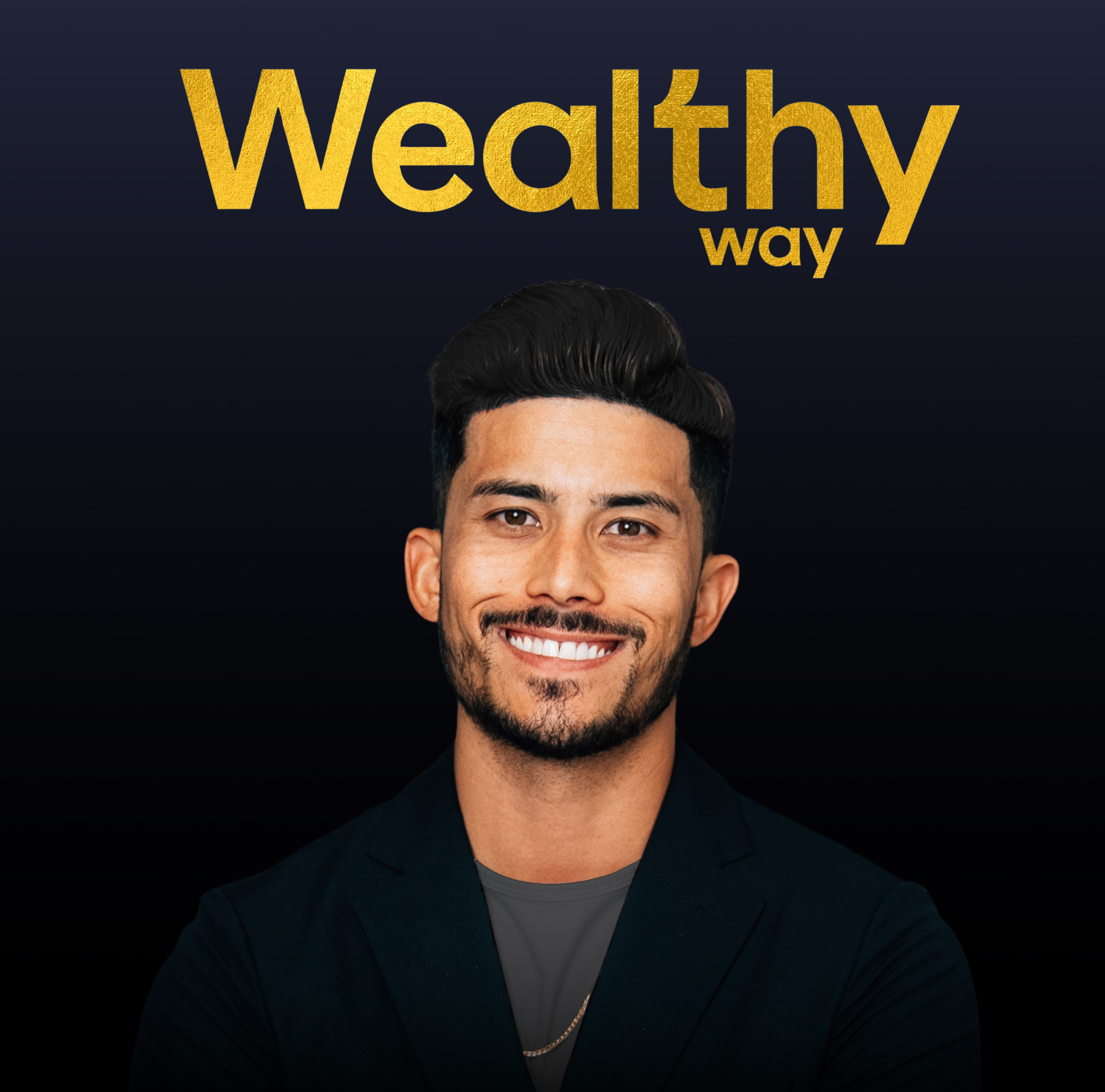
Ryan Pineda
Wealthy Way
Serial entrepreneur and real estate investor. Founder of multiple 7-8 figure businesses including Wealthy Way. Former professional baseball player turned real estate mogul with 459K+ Instagram followers.
Full Transcript
15784 words
Full Transcript
15784 words
Ryan Pineda: I'm on a mission to become one of the best, if not the best, digital marketer in the world. I'm gonna just burn the boats Mhmm. And go all in. I've spent millions on social media marketing. Most people try to make content.
It doesn't work. Like, it takes actual skill and talent to do it. Very few people are so good at organic and so good at paid. If you stop making content today Mhmm. You'll become irrelevant tomorrow.
Steve Trang: Hey, everybody. Thank you for joining us for today's episode of disruptors. You might have noticed that I said disruptors, not real estate disruptors. We got a slight rebrand. We'll be talking about that in a second.
Today, we got Ryan Pineda coming in with Wealthy Way, and he flew him from Vegas to talk about how to get motivated, sell leads at a reasonable cost in this crazy competitive market in 2024. Guys, on a mission to create a 100 millionaires, information on the show alone is enough to help you become a millionaire. In the next five to seven years, if you take consistent action, you will become one. When you guys get values out of the show, please hit that subscribe button. Please share this with your friends so that that way we can all grow together.
So thank you for being the first guest.
Ryan: Dude, I'm honored. Rebrand. I'm honored. I know I was on real estate disruptors three times.
Steve: That's right.
Ryan: So I'm honored. I'm the first here, baby.
Steve: First one. First one. And I thought of you to just be the first person to be part of our rebrand because you've gone through a few evolutions.
Ryan: Yeah.
Steve: Right? A few changes. So when we when you first came on, we were talking about, like, your real estate journey from baseball to real estate. Yep. And then we talk about how on the other episode, how social media has opened up all these venture possibilities.
Ryan: Yep.
Steve: And you've gone through to launching events Yep. Communities Yep. And so on. So let's talk so let's talk about your journey, and we'll talk a little bit later on about the reason for my rebrand.
Ryan: Yeah.
Steve: So it's been a couple years. What has transpired in the last two years for you?
Ryan: In the last couple of years, a lot of things, man. Obviously, the real estate market shifted a lot. Mhmm. And so real estate investors had to deal with that, myself included. So, I would say on that front, it was actually very difficult.
You know, anyone that tells you otherwise in real estate is probably not being truthful. And so dealing with that was tough. But, you know, I always tell people tough times force innovation. Right? Because you either just keep sticking with things that aren't working because the world and the markets and, you know, marketing, they all shift.
And so I'm thankful to have gone through it because it's forced a lot of different things. You know, one thing we had to do was take all of our marketing in house. You know, we always relied on agencies for years in all my businesses. And so, by taking everything in house last year, it created all these new different opportunities and products and things that we do today that I'm excited about.
Steve: So talk about that. Bringing marketing insight. So what were you doing before, and what are you doing today?
Ryan: Well, let's just go with two different forms of marketing. Right? So we had social media organic marketing. So I always did that in house.
Steve: Mhmm.
Ryan: And I think that that's why we had so much success. Yeah. You know, we got over a billion views on social media in just, like, three years. Mhmm. And there's always all these agencies that will do social media, and I've hired them too.
But we were always core in house, and that's what allowed us to have so much organic traffic that's Right. Generated tens of millions. Mhmm. But on the paid side, I never wanted to focus on that. Because, I mean, honestly, you can only focus on one thing at a time.
Very few people are so good at organic and so good at paid. Right.
Steve: I
Ryan: could probably literally count on one hand Mhmm. How many I know. And, I was, like, finally, like, alright, dude. At some point, I'm gonna have to learn the paid game. I'm gonna have to understand what all these agencies do that we're hiring because to me, anyways, it didn't seem like rocket science.
Steve: Yeah.
Ryan: I'm, like, if we could figure out this organic side, this paid side can't be that much harder. And so that was kind of the journey I went on.
Steve: All the agencies are listening. Just tune out.
Ryan: Well, but look. I mean, it it's true. Because look at how many agencies there are. Mhmm. And then look at how many, like, real stars on social media they are.
One is clearly harder than the other. Yeah.
Steve: And I
Ryan: tell us the real estate investors too. They're like, dude, should I should I do social media? Should I do coaching? Should I do this? I go, how many 7 figure real estate investors are there versus how many stars on social media are there?
Steve: Yeah.
Ryan: There's far more 7 figure, like, thousands percent more.
Steve: Mhmm. So let's talk about the the agency model. Like, why don't you think that was working? And I'm I'm rehashing conversation private conversations you and I had Yeah. But everyone else that's listening.
Ryan: I think the agency model is tough for many reasons. One is they don't make a ton of money, like, off the clients. Right? Like, they'll charge a retainer, and then they'll charge a percentage of ad spend in most cases. Some may have a profit split deal.
But the agencies, the problem is they have to work to an individual client for every client they bring on. So if I'm like, hey, Steve, dude. I got an agency. I wanna work with you. Mhmm.
It's like, dude, I gotta study your brand. I gotta understand your products. I gotta get you to make content and ads and creatives. We gotta write a whole new webinar, a script. Dude, there's a lot of work to get you just going, and we don't even know if it's gonna work.
Right. Because it's not proven at all, and we don't even know if your product is any good. Yeah. And so, like, all these factors play into it. And then guess what?
If it's not working, you fire the agency. And if it's working too good, you're like, dang. I should probably just take this in house. I'm paying these guys too much money. So there's, like, no in between where it's, like, this long term solution
Steve: Right.
Ryan: For most people. So, that's why it's tough on a traditional agency perspective, whether they're trying to get a, you know, educator or, somebody to get real estate leads or somebody a service based company, it's hard. Now where I do see agencies work is when it doesn't have to be individualized. Mhmm. And, you know, I've seen agencies work for service providers who are like, hey.
We help AC companies get leads.
Steve: Mhmm.
Ryan: And it's like, they don't need the founder to make content. They don't like, dude, we're just gonna get you AC leads, and we're gonna you leads. Yeah. We're gonna just do it for you. So that that does work.
Steve: Yeah. So just to add, you know, further context. Right? So let's say I hire Ryan Pineda's agency. Yeah.
Right? And, like, I'm I've got some organic content. I'm doing okay, but I wanna grow, so I hire you. Right? And I pay you 30%.
And it works. Right? If I'm making a 100 k, you make 30 k. Okay. That works.
But now you're really good.
Ryan: Yeah.
Steve: And now you're making me 500 k a month.
Ryan: Yeah.
Steve: Now I'm starting to think, like, well, Ryan's paying Ryan a 150 k. What kind of talent could I get
Ryan: Yeah.
Steve: For a 150 k a month? Yeah. That's the downfall. So
Ryan: your job too
Steve: good. Yeah. You're too good. And the reward for being too good Yeah. Is you get replaced.
Ryan: Yep.
Steve: I think the other thing too is, like, remember how good
Ryan: the COVID
Steve: money was? Right? Oh, yeah. Right? When everyone was
Ryan: getting
Steve: I need some more of that COVID
Ryan: money. Yeah. When all that
Steve: stimulus money was going out Yeah. Everyone was buying this product, that product. Right? So, like, as as an agency, you didn't you didn't have to be that great. As a star, you didn't have to be that great.
Ryan: Yep.
Steve: Right? Like, if you're creating content, you're selling courses, you're making money.
Ryan: Oh, yeah. 100%.
Steve: Four is a little bit different.
Ryan: Way different.
Steve: Right? Can you talk to me about the environment that's changed? Most business owners waste their time and money on solutions that never fix the root problems. They'll address all the symptoms due to slow revenue. And because they're only fixing the consequences, the real problem stays hidden and the cycle of wasting time and money continues.
It's like having a lingering headache that won't go away despite trying every over the counter medicine, when in reality, should have just gone to the doctor and had them figure out exactly what was causing the headache. And that's what's so difficult about business. You can see and feel the symptoms, and yet struggle to find it. Now imagine you can find a prescription that doesn't just mask the symptoms but actually addresses the root cause. Where would your business be if you address that right now?
That's what our sales event is about. Your marketing doesn't suck. Your leads aren't bad, and your operations aren't terrible. It's that you haven't addressed what actually makes you money in wholesale, which is the conversations you have with homeowners. It's critical that you build trust with sellers, demonstrate that you fully understand their situation, know exactly what's keeping them up at night, and paint the ideal outcome that leads them to a better future by working with you.
That's what it takes to get signed contracts and keep your business going. Simply put, at our event, you'll walk away with the framework, phrases, questions, documents, and process to close more sales and buy more houses. Join the hundreds of others who have come to our live event and dramatically grown their business. Our event is happening soon and is available for you to join only if you're willing to take the pill.
Ryan: Way different. Right. Can you talk to
Steve: me about the environment that's changed?
Ryan: Yeah. I mean, in the education front, once again, people won't talk about it. And if they're not, then they're just lying. Mhmm. But, dude, I mean, here's the thing.
Information is so freely available now Yeah. That it's not valuable anymore.
Steve: Mhmm.
Ryan: So it's like things that and we've seen this in the last ten years. Right? It used to be there was no educate let's just take real estate as a grand example. You know, ten years ago, education was hidden. You had to go to these big seminars and everything else to It'll
Steve: be 25 k.
Ryan: To even learn about it.
Steve: Yeah.
Ryan: Right? To even know what wholesaling was.
Steve: Right.
Ryan: Then, you know, bigger pockets and other things came around and sort of become more freely available. But still, like, even they weren't properly teaching. They didn't they weren't doing any coaching and mentoring and stuff. So people had a hunger for that. Mhmm.
And so, you know, pre COVID, post COVID, you know, myself included, people start selling education and, you know, you could sell $5,000, $10,000, $30,000 programs. And for the most part, people are willing to buy it because they had COVID money. The market's good. Rates are low. Everything is in favorable conditions.
Well, today in '24, things are a lot different because the market's bad. People don't have money. Mhmm. Also too, information's just more freely available. So people are like, oh, dude.
Like, I know what wholesaling is. Mhmm. So what are you gonna do? And then, like, even another thing is like, well, okay. There's community.
And, yes, I'm a big believer in community. Don't get me wrong. But even that is not as valuable as it used to be. Right. Case in point, like, we have something called wealthy universities, $97 a month.
And you get education, information, you get weekly calls, you get community for 97 a month. Mhmm. That used to cost $10,000
Steve: Right.
Ryan: For a year. Now this is great for the end consumer. But if you're an education provider and your 10,000 thing is now worth 97 a month, what do you do? Right. And and it it becomes tough to compete too because if a guy like me says, this is what it's now in my mind worth Mhmm.
And you're still trying to sell the same thing or worse for 10, good luck. That's what the market is.
Steve: Yeah. This is that, we keep moving the the bar. Right? Because, like, there was, like, wool was free. So before wool was free, I was like, here's how you wholesale.
Ryan: Yeah.
Steve: Right? Now it's like, well, now here's how you wholesale. Here's how you motivate your people. Right? Here's how you track KPIs.
That's all free on YouTube. Right? So then what do you get in the community? You just see a little more access, a little more information.
Ryan: Yeah.
Steve: And you're trying to sell that all for $10,000. Yeah. That model that the the the what's the word I'm looking for? The value of someone's willing to pay, the price someone's willing to pay today
Ryan: Yeah.
Steve: Has grossly shifted.
Ryan: Grossly shifted. And so it's great for the consumer. Mhmm. And it's actually great. Like I said, I'm not mad about it because I will pivot and I will adapt, and I'll create a whole new model where it's like, dude, you know, instead of helping, say, a 100 people at 10,000, why don't we help 10,000 people at a 100?
Steve: Right.
Ryan: And all of a sudden, the numbers are the same, except now you have recurring revenue Mhmm. In one model, and you help way more people in that model.
Steve: Right.
Ryan: And you create the opportunity to ascend Mhmm. And give them more help beyond just information. True help with implementation. One on one help with helping them figure out what's going on in their business. Because that's what people will pay for.
Steve: Mhmm.
Ryan: They will always pay for implementation. They will always pay for done for you. They will always pay for services. Mhmm. But the idea of education has dramatically flipped.
Steve: Right. So you mentioned that being really good organic, it opened quite a few opportunities for you. Yeah. Getting good at pay now has opened up additional opportunities. What are some of the opportunities you're excited about at the moment?
Ryan: Well, I'm excited about that opportunity. Right? Like, I mean, for 97 a month, like, it's crazy, the value you get. But, also, it allows me to now sell it without a sales team. Mhmm.
You know? Because you you can sell it on your own. You don't need, you know, this call to sell a $97 thing. It's a
Steve: problem if you're doing that.
Ryan: Yeah. And, like, you know, labor is tough to scale. Mhmm. But if you build a great funnel where you can all of a sudden sell 90 sevens and self liquidate them Mhmm. Meaning that if I spend $97 to get a customer and then they give me 97 Mhmm.
That's a win because, yeah, I don't make money this month, but every month thereafter Right. We make money, and we help more people. So it's actually created a new model I never thought about before. And, so I'm excited about that. And it's all pure marketing, whether or not you can just be great at getting that customer for 97 and getting them to buy the thing.
Yeah. That's all landing pages, VSLs, ads, all that. But then the second opportunity came actually in the real estate space because I just got tired of seeing cost per lead go up on everything. You know? I got tired of like, I've run TV commercials for four years.
And, dude, I mean, like, I literally never changed the TV commercial in four years.
Steve: I still remember. So we had an event Yeah. In, in Scottsdale. Right? This is, like, peak COVID or, like, you know, this is August 2020.
Right? And so we host an event. Right? You came in, Carlos, Jamil, Ace, all of us all came in. Right?
And you're like, guys, I just joined Collective Genius.
Ryan: Mhmm.
Steve: There's this guy, Darren. Yeah. He sells TV ads, and, I'm doing it. And, it's just crushing. You guys should be doing TV.
Yeah. Alright. So you guys had this, so talk to me about, like, what was the cost per lead back then on TV, and then, like, what did it evolve to this year?
Ryan: Yeah. So, I mean, like, I started doing TV in January 2020. Mhmm. And, dude, I don't know that I remember what the cost was back then. Mhmm.
Maybe it was in, like, the the 2 hundreds. Mhmm. And at the time, nobody was doing it, and it was great. And, like like I said, literally, I ran the same commercial for four years. But I've just watched it continue to increase to 300 to 400, sometimes five 100, and, like, you see the same thing happening with PPC.
PPC would have been couple $100 to three hundred to four hundred days.
Steve: It was $12 a week when I was doing it.
Ryan: $12. Right? Now in many big markets like Phoenix or Vegas, it could be 800, 1,000.
Steve: Right.
Ryan: Right? And I just I'm looking at this, and I'm like, dude, at some point, it becomes too much. Mhmm. And, basically, your margin's gonna be what it is. Your your ROAS is gonna be stuck at what it is.
And, you know, look. I've always taught students. I'm like, guys, if at scale, if you can get a three x, you can make good money. You know, if you could spend 50 k, make a 150 k in revenue, yeah, you got commissions and other things, but you'll net 30%, and that's fine. Yeah.
But I don't know. I just started to think about it. Like, I thought about social media years ago, and I was like, there's better ways. And finally, I made the choice in January. I was like, you know what?
I'm gonna just burn the boats Mhmm. And go all in. I'm gonna cut off all the things that we've been doing, and I'm gonna just run ads for myself on social media because nobody's doing it. Right. Like, every time you ever hear someone talk about doing social media ads on Facebook or something, it's always negative.
They're like, oh, yeah. It didn't work. And I'm like, that that's honestly what's prevented me from doing it all these years, and plus, you know, all the other stuff was working fine, so I didn't wanna worry about it. But then the more I thought about it, the more I was like, how many people say making organic content doesn't work? Majority of people.
Steve: Mhmm.
Ryan: And I'm like, you know what? My guess is these guys are just bums. They just don't know how to do it. Yeah. Because clearly social media works.
Yeah. Clearly everyone's on it. These motivated sellers are on Facebook. It's not like they just don't want they only list they only look at direct mail, and they only search BBC. They're actually on social media way more than those other things.
Steve: Right.
Ryan: So why is it not working? It's more so it's a problem of skill.
Steve: Sure. So what did you do then? So you turned off TV?
Ryan: Yeah.
Steve: The TV's off? Yeah. It's it's just your Facebook right now? Yeah. Alright.
So you realize you came to the real realization
Ryan: Yeah.
Steve: And it's a skill issue, so You went all in on it. Yeah. So what have you done since?
Ryan: Well, let me tell you. It it wasn't all freaking roses right off the bat because you don't know what you're getting into. Mhmm. Right? Like, I've spent millions on social media marketing, paid and organic.
So, like, I I already had, like, a pretty good idea of what needed to happen. But what I didn't realize was I made a a few big mistakes on my front, which is good because it leads you to the conclusion quicker. Right. First mistake I made was I didn't do it in Vegas initially where I'm at. So just those who don't know, I'm in Vegas, and that's where we've done pretty much all our deals.
Steve: Mhmm.
Ryan: I got so just mad at, like, what Vegas costs were on other forms of marketing that I was like, I'm gonna go, like, get the cheapest leads imaginable Mhmm. And I'll figure out Dispo to close them, and I'll create this crazy model. So I just started going nationwide marketing.
Steve: USA. What's the target? USA. Yeah.
Ryan: Basically. Right? And, dude, I was getting leads for, like, $20.
Steve: Mhmm.
Ryan: And I was like, this is crazy. An inbound lead for $20.
Steve: Mhmm.
Ryan: And, like, we were locking up deals like gangbusters. I was like, I'm about to be the richest person in real estate. This is crazy. And sure enough, we realized that, like, most of these deals could not sell because they were in too rural of areas. And, you know, because of that, I was like, alright.
Well, this isn't working. So I spent about two months realizing that because you you just don't know. Like, you lock up these deals in the first, you know, bunch of weeks, then you're trying to move them for a month, and then you realize, like, oh, man. The same thing is happening over and over again. So, basically, after two months, I was like, alright.
Marketing's good, but we're just in the wrong markets. Let's try, like, a step up. Let's get what I would call a tier two market. You know, maybe not the a Vegas or a Phoenix, but let's go after a, like, San Antonio. Reno.
Tucson. Whatever. Right? And so that's what I did. I started targeting those markets, and then I started to see cost per leads at, like, $60.
Mhmm. And I was like, alright. Like, that's still, like, super cheap. Yeah. And so we lock up deals in those markets.
Now this ends up being better, but still, like, not optimal. We locked up a bunch of deals in these tier two markets. We closed some. Others fell out. What I realized was, now this is this is your arena.
We had a sales issue. Mhmm. Because we didn't actually know what the properties are worth. Because even though they look great on all the apps and softwares and everything, dude, everything is local. You just don't know what somebody's willing to pay.
And we got all the tools. We got investor lift. We got everything to find all the buyers, and we would call them and everything else. You just realize there's so much you don't know about other markets until you're there.
Steve: Yeah.
Ryan: On top of that, I do believe, because we've always been an go in person appointment kind of company Mhmm. That because we were closing so many well, all virtually over the phone, I think we had higher fallout even when we did have a buyer because there's just more skepticism. Mhmm.
Steve: We
Ryan: never met in person. We're not local. We don't live there. Are you real? Yeah.
Like, they're like, is this really happening? Like so I think you run into those issues. Mhmm. Now like I said, we still close deals. We have a ton in our pipeline right now that are out of state deals that, you know, have been assigned, that are closing and everything else.
But I just realized I'm like, dude, that was dumb. I should have just went with the the constant that we know, Vegas, and tested that. Get rid of that. So, anyways, I do that for a couple of months. Then I go to Vegas.
And I'm like, alright. Let's run them all in Vegas now. Let's stop all this stuff. You know? Like, those deals will continue to happen and close because of the pipeline built up.
Mhmm. But let's just go Vegas. And so we go in Vegas, and, you know, we're getting leads for sub $150 a lead, and these are inbound leads. Yeah. And, you know, I literally asked my team.
I go, hey. Legitimately, guys, tell me about the quality of these leads versus everything else we've ever done. You get my team's been with me for five plus years. Mhmm. Like, how's it compared to TV and PPC and these other forms that are the cream of the crop.
Right? Yeah. They're like, honestly, they're the same, dude. Like, they wanna sell. They all want market value.
Everybody wants market value. Shocker. Right? Like, people aren't dumb if they're on the Internet. K?
And so they're like, but they're motivated. They wanna sell. Mhmm. And so we start sending them out on appointments again, and then sure enough, we see, like, yeah. We we're seeing pretty much the same kind of ratios.
And maybe they might not be as motivated, but, dude, you give me five more at bat, five times the many at bats, it's a way better model.
Steve: Yeah.
Ryan: So, anyways, that's what we're currently doing. And like I said, we're locking up more deals than we ever have before just because the cost per lead is so much less Right. Than our other channels. And I'm really a big believer in it because I've just realized now after thinking about it and seeing the results, I'm like, oh, man. This truly is, like, a competitive advantage.
Yeah. Because think about this. Real estate, as we know, is, like, the most ancient, like
Steve: Integrated system.
Ryan: Yeah. And so every marketing channel you've ever been taught Mhmm. Think about how uncreative it is. We're like, hey. Go pull a list of foreclosures or any of these other, you know, things and cold call them and text them.
Steve: Mhmm.
Ryan: There's no competitive advantage. It's just cold call and text them. Whoever cold calls and texts a lot
Steve: Whoever does the most effort.
Ryan: Yeah. Can win. There's but there's no competitive advantage. Yeah. Think about direct mail.
We all send the same postcard and, like, there's not really anything to it. K? TV, I ran the same commercial for four years. I didn't have to change anything.
Steve: Yeah.
Ryan: It was just a matter of, are others willing to come in this space and do more? And and guess what? People did come in the space once they realized, oh, man. There's a good return here. And so now, like, in 2024, we would have, like, four people in Vegas running TV commercials versus none Mhmm.
A couple of years ago. Right? And I just started to realize, like, TV takes no freaking, like, there's no competitive advantage. And then you realize with PPC, it's the same thing. You just bid on some keywords.
Like, it's not rocket science.
Steve: Right.
Ryan: So I thought about all that. And then I thought about social media, and I was like, dude, you know how hard it is to compete in social media? I have to make ads every week to keep the cost per lead down. I have to be good on camera. I have to have a good copywriter and scripts.
And we gotta constantly do new ads and creatives. We gotta have good targeting on the media buying side. Mhmm. We gotta manage the budget properly every single day. You know, like, there is true competitive advantage to this Mhmm.
That others just don't understand how to do. I only understand it because I've been making ads forever.
Steve: Right.
Ryan: You know? And sure enough, like, I just look at it. I'm like, dude, these guys could try to do it, but they won't figure it out. Mhmm. It's the same way with organic social.
They can try to do it, but they're not gonna figure it out.
Steve: Yeah.
Ryan: The best of the best. Like, there is true creativity to it, unlike all the other marketing channels.
Steve: Saying, like, my picture of a house with, like, a red circle on it and an older couple on it. That's not
Ryan: Bro, let me tell you why these other agencies don't work for social media. They literally hire actors from Fiverr Mhmm. And, like, do the ad. And then, like like
Steve: Do they? I've never seen that.
Ryan: That's what they do.
Steve: Okay.
Ryan: Do you think these digital marketing nerds are out there doing the content themselves, filming ads No. For sellers? Do you think they've ever even been in a seller's house and had a negotiation or even know what to say? No. That's why they don't work.
Steve: Yeah.
Ryan: That's why it most people try to make content. It doesn't work. Like, it takes actual skill and talent to do it. Yeah. And so, you know, it's just like, I've realized I'm like, oh, bro.
I'm gonna kill this for a long time because You're
Steve: taking your success from your ability to create content organically Yeah. Applying it over here to give yourself competitive advantage. Because they could go and hire copywriters. They could go and do, the the media buying and this and that. Yeah.
But the creativity is probably where the biggest competitive advantage.
Ryan: The ads and then also landing page optimization, all these different things that VSLs on the landing all the same thing I've had to do on the education side to throw big events, to throw you know, make money in coaching and other services. Like, we do it over here, and there's skills that I've spent millions and years learning. Mhmm.
Steve: And
Ryan: so you do it over here, and you start to see, like, oh my gosh. Like, nobody is doing this. It's the same thing I was saying on your show four years ago when I was on TikTok and every I was like, guys, nobody is doing this. You need to do it. Mhmm.
It's where the world's going. And I'll tell you why it's going the world will inevitably end here. Because when you just look at the other forms of marketing, the cost of it's just attention. Right? We're just buying attention.
And so when you look at the cost of attention at other mediums, TV, for instance. Right? There is a fixed number of eyeballs that are on TV, and we know that it's declining.
Steve: It's going down.
Ryan: Right? So inevitably, right, if more people want to do TV and less eyeballs are there, the cost goes up because demand is high for advertising space, but there's just not a big supply. So the cost is gonna go up. This is why PPC costs are going up. Because when you just think about how many people actually search cash offer for my home Mhmm.
In your market every month, It's low. I would argue it's probably not changing. It's probably pretty static Yeah. All the time. But if there's more investors coming in because they hear PPC is good, that cost is just gonna keep going up.
Right. Here's the thing. Social media is not changing. Right? Like, more attention is going to social media.
More people leave TV and go to social media. Right?
Steve: Mhmm.
Ryan: So we know that social media is this massive pool of eyeballs and attention way more than all the other channels probably combined.
Steve: Right.
Ryan: Right?
Steve: Well, even if they're watching TV, they're still on their social media.
Ryan: They're on both. Right? But my point is social media has no demand of people advertising on it for real estate investors because they think it doesn't work.
Steve: Yeah.
Ryan: Yet it has all the supply of eyeballs.
Steve: Right.
Ryan: That's why its cost is so much lower than everything else. And we could go after this podcast, everyone could be like, I agree with Ryan, and they can go try and do it. They're still not gonna saturate it because there's so much supply of eyeballs.
Steve: So now that you have figured this out, how long have you how long have you gotten it to work in Vegas? There are two types of salespeople out there. They're the convincers, and they're the sales professionals. For the first nine years of my career, I was the convincer. Convincers are always out there trying to convince people to meet with them and buy from them.
Their strategy is to try to push hard and never take no for an answer. And by focusing on this strategy, they spend a lot of time on cold calling, the next marketing gimmick, features and benefits, how they and their company are the best, following up until their prospect buys or dies. All of this requires time and energy. The problem isn't the model itself. It's that their approach pushes prospects away.
And this is the same exact thing that happened to me before I figured out the close more sales formula. The solution, sell customers exactly what they want to buy. That's right. I said it. We sell customers exactly what they want to buy because I would rather get an easy sell with a happy customer instead of a difficult sell from a customer who felt sold.
No. Thanks. I did that before, and it sucks. So here's the deal. I explain everything in the closed mortgage sales course.
It's an 11 module course that shows you everything you need to know to close mortgage sales. The best part? You can use this in any industry, not just real estate. So no matter what you're selling and to who you're selling to, this formula will lead to easier sales. Go to closemoresales.com/sales master class, one word, closemoresales.com/salesmaster class.
Work in Vegas.
Ryan: I've been doing Vegas now for a few months. And, I mean, like I said, dude, with I mean, you know, in real estate, you're not gonna actually have closings until months later. But we've locked up the same amount of things. Everything is the same, except that our cost is way different.
Steve: Yeah. And you've had multiple students inside your program that have had success with it?
Ryan: Yeah. So what I did was, you know, when I started this journey, you know, back in January, I always just share with our students. I'm like, guys, here's what I'm doing. Like, I'll let you know how it goes. Like, I do.
I'm just, like, transparent. Like, hey. I'm doing this social media thing. I'm doing this thing. I just tell them before it actually happens.
And I'm like, every week, I'll report to you guys what I do. So, anyways, a bunch of them saw what I was doing. And, eventually, they're like, dude, can you teach us? And I just was like, really? I can't.
Like, it's just it's just too hard. And I was like, you're better off just hire an agency, but, like, I don't even know who can do it. Right. So, eventually and this is how I always start businesses is when you have just so much demand Mhmm. That nobody's fulfilling, you just do it.
Right. And so I was like, alright, guys. You know what? Let's do, I'm a take 10 of you guys and, you know, first 10 to do this, and I'm gonna run my ads. So you don't even have to film nothing.
I'll run my ads in your market because I've already been running ads in all these other markets.
Steve: Yeah.
Ryan: It's like I already know it works, but you already have market knowledge. You already have sales team. You already have boots on the ground. Let's do it. So I start running ads for 10 people.
They're all in just random markets. And I see the same thing. I'm like, dude, the cost per lead is, like, way less. You know? One of my students, his name is Eunice, out in Saint Louis.
This dude's got a crazy story. He's actually 20 years old. He's been shot, and he was stabbed, like, 27 times.
Steve: Jeez.
Ryan: Yeah, dude. He had, like, a rough upbringing. But in his first month, he locked up eight deals in Saint Louis, and I was like, holy crap. He came to my office. He's like, bro, this is insane.
I was like, how the heck did you lock up a deal? That's crazy. Yeah. And then I saw the same thing, like, across these other markets. Like, cost per leads were way less.
You know, one of our guys in Hawaii, he's like, bro, I I paid $1,500 for a PPC lead in Hawaii. You know, Hawaii is probably the most expensive market.
Steve: Yeah. That's that's not unreasonable at all in Hawaii.
Ryan: No. His average cost per lead, like, over months was $250. And I was like he was like, this is crazy. Yeah. And for him, you know, I had to actually, like, help him revamp his sales team because he's not used to, like, having so many leads.
For real. It's a problem. It actually becomes a problem.
Steve: It's a fantastic problem.
Ryan: Yeah. But the problem is, you know, and he's still actively working on it, but it's like, bro, all these guys wanna sell. And guess what, dude? In Hawaii, your homes are like a million dollars. Worst case, get a listing.
Steve: Right.
Ryan: You make 30 g's.
Steve: More than a wholesale fee.
Ryan: Yeah. I'm like, just just you should at least be running every appointment, getting a listing. And Yeah. But, like, you know, that's kind of been the mindset shift that a a bunch of these people have had to have because they've never done inbound marketing at a high level. Right?
They've bought from wholesalers. They've bought from relationships. And so it's having this shift, and and you teach it with sales training where it's like, guys, if they wanna sell the property, it's just strictly how good are you at sales? Yeah. How good are you at giving them options?
The listing, the creative deal, the innovation, the cash offer. Because if somebody tells me they wanna sell their home and I don't get the deal, that's on me.
Steve: Right. Right? A 100%. That's one of the things I've I've I've harped on quite a bit in our sales training. Like, if they said they wanted to sell, you walk out with something.
Ryan: Yeah. And we're so okay. So long story short, just to get to why I'm saying this. So we have great success in the beta. I'm like, alright.
I'm going full force on this. So I launch it to the masses, you know, sign a bunch of other clients. The company is called Lead Kitchen. So, you know So
Steve: if someone is interested that's not in your program, that's an option now. Now Yeah.
Ryan: To join. Yep. So anyone can join. You can just link to
Steve: it down below this. But I'll put the link
Ryan: in the in the show notes. Yeah. And so now we're doing it for clients everywhere. And it's a unique model because it's not like pay per lead where, you know, with pay per lead, one of the problems is there's no transparency.
Steve: You
Ryan: don't know if the lead's being sold to somebody else. You don't know where they got it from. You don't know what time of day they got it, which to me is the biggest problem because if we know that speed to lead in sales is, like, probably the most important thing Yeah. If I don't know when you got the lead, that's a massive issue. Yeah.
So we don't do pay per lead. Like, everything goes directly to the client. Like, we set up an ad account with the provider, so it goes directly to you. There's full transparency. And then we just work off of a profit split.
So we just take 20% of the profit. That's it. So, like, it's a unique model in that way because I would rather
Steve: model.
Ryan: Yeah. I'd rather them get more at bats, and then I make more on the back end Yeah. Versus just charging them upfront for the lead like paper lead would.
Steve: Yeah. Well, you're accountable to the results.
Ryan: Yeah. Like and that's why back to the example in Hawaii, I'm like, bro, I'm pissed you're not doing better. Like, you should be going on every appointment because your guy doesn't wanna go on these appointments. Yeah. Because he's like, oh, well, you know, they want market value.
And I'm like, bro, what are you doing? Like, go on every appointment. If somebody tells you and this is for anybody listening. I don't care if you use us or not. If somebody says they wanna sell their home, I don't care how much they want.
Go see their home
Steve: Yeah.
Ryan: And try to do a deal. I can't tell you how many deals we've done over the years. We're like, yeah. I want market value. And then we get there, and they take some crazy low cash offer.
Steve: Yeah. That if they're not saying, I want market value, there's something wrong. Right? Everyone should be clamoring for market value. It's up to us.
Ryan: All I care about is do they wanna sell the home? Yeah. And if you do, you have a qualified, great, amazing lead.
Steve: Exactly. So, lead kitchen, we're gonna put the link, down below. Now one of the other major major pivots you've done, and and I wanna talk about this before we talk about my rebrand
Ryan: Yep.
Steve: Is you've gone all in on the Wealthy Way. Yeah. But talk to me about the rebrand.
Ryan: Yeah. So, you know, I wrote the book, The Wealthy Way, at the '22, so in about a year and a half.
Steve: Mhmm. And Because you were Ryan Pineda.
Ryan: Yeah.
Steve: Ryan Pineda show.
Ryan: Yeah.
Steve: Long run offers.
Ryan: Yeah.
Steve: Right? Like, you've got all these other, entities. Yeah. And kinda consolidate consolidate everything into Wealthy.
Ryan: Yeah. Yeah. So like I said, I wrote the book, and
Steve: it was
Ryan: just the the idea of the book is that, like, life is so much more than just making money. Right? That's kind of always been my brand. Like, hey, dude. I'm a leave the office at five.
I'm a hang out with my kids on the weekends. You know? I'm gonna be a family man, a man of faith. I'm gonna, you know, stay in shape. Like, being wealthy is being great and having abundance in all areas of life.
Now, obviously, making money is a huge part of it too, but that was kind of the message of the book. But as time went on, I just started to realize, like, it's easier to, like, really go all in on one brand and one word and everything else. And so, thankfully, for me, that word is wealth, which is, like, a great word to own.
Steve: Pretty good thing to own.
Ryan: Right? Yeah.
Steve: Because, like, if you think of Kleenex and Ryan, that'd be a pretty good situation. Like, Kleenex and Wealthy Yeah. And Ryan.
Ryan: Yeah. So, you know, I've really kind of just, like, taken that word just like Cardone has taken 10 x and others have taken, you know, these other words. Right? And so, yeah, we just started naming every company either Wealthy or Pineda, and it actually made my life easier because I didn't need to think of, like, all these crazy names anymore. So that was a good byproduct of it.
And, yeah, I just think that when you really just go deep on a word or a brand, like, people start to just associate it with you all the time. Now I will say because somebody's probably wondering why'd you name it Lead Kitchen. Mhmm. Why not Wealthy Leads or Wealthy Kitchen. You know, The Wealthy Kitchen.
Honestly, the only reason I named it Lead Kitchen is because I have an intention to build it to sell. And so I still wanna keep my core stuff, and I do wanna build this to sell one day. Yeah.
Steve: But you rebranded The Ryan Pineda Show
Ryan: Yeah. To Wealthy Way. Mhmm.
Steve: Yeah. How's that journey been?
Ryan: It's great, man. I think that like, once again, right, Wealthy Way is just the it just sounds good. Mhmm. And it emulates what I want people to do. I want them to live the wealthy way, and it fits in with all the businesses.
They're all wealthy university, wealthy investor, wealthy creator. It just all fits, man. I just think that when I think about branding and other things and marketing, there there's, like, different forms of it. And I've heard Gary Vee talk about this in his newest book, day trading attention. You know, it's like, okay.
Ryan Pineda. That is a person who is also a brand. Then you have the wealthy way and just all the wealthy brands. And so it's like, people don't really wanna wear a Ryan Pineda shirt. Okay?
The only time that ever works is in sports
Steve: Right.
Ryan: When you wear somebody's jersey.
Steve: Yeah.
Ryan: Right? But they will wear a wealthy shirt, you know, and, like, all this merch and everything else. And then I
Steve: think Russell Brunson was funnel hacker and that kind
Ryan: of stuff. Like, you'll identify as a funnel hacker. You'll identify as a wealth builder. Mhmm. And then, like, another piece to that is a mascot.
You know? I I you learn this in sports, and so it's like we have Judah, the lion. You know, if you ever see me wear my lion stuff oh, actually, he's right here. Yeah. So, you know, Judah.
That's Judah. And so next well, you know, and and speaking of our events, they're called WealthCon, which you're speaking at, by the way. Right. I forgot we didn't even talk about that.
Steve: Yeah. Next month.
Ryan: Yeah. So, you know, WealthCon, I wanna actually get a Judah, like, mascot walking around.
Steve: Oh, that's
Ryan: awesome. Can take pictures with and all all that stuff.
Steve: Yeah. That's brilliant. I mean, I can see how well that's already gonna work Yeah. On social media.
Ryan: And think about, like, you know, if he's just some goofy mascot, like, freaking having fun and, like, doing backflips and stuff Yeah. That'd be tight.
Steve: Yeah. Because I think we wanted to let people know that you're associated with wealth.
Ryan: Yes. Right?
Steve: Like, no one's gonna, ugh, I don't know about that brand.
Ryan: Poverty. The poverty podcast.
Steve: Yeah. So rebranding, packaging, everything the wealthy way, this has been, impactful and and and, what's the word? Not consolidating, but, like, really focusing the attention that you're building.
Ryan: Yeah. It just reiterates this wealth and this association. And, like, every wealth con we throw, it's just more brand association. Yeah. But, you know, it's a funny story.
Even, like, as much as, rebranding is tough because, you know, originally, my education was called Future Flipper, and we had, like, everything, just a different random name. And so when I brought them on under the wealthy brand, it made life easier. But, you know, like, people always would call it future flipper and other things in the early, let's just say, first six months.
Steve: Yeah. The transition.
Ryan: Yeah. Now nobody does that. Right? And WealthCon, like, I've been doing WealthCon for, like, four years every quarter. It just was called lots of different things until finally the rebrand happened.
I'm like, what else? And I was like, dude, I'm a call it WealthCon. Oh, that's a tight name.
Steve: Great name.
Ryan: And then just, like, it's been that ever since. And, yeah, it's exciting, man. So they should definitely come. They're gonna see you speak. Yeah.
Steve: We're gonna be talking about sales. So, so I'm doing the rebrand. Again, I asked you to come on Yeah. Because you've obviously gone gone down the same exact journey. Right?
I mean, you've gone through all these different ventures. So for us, we're really focusing like, we've done real estate disruptors Yeah. For, the six years now. Right? We launched it in May 2018.
Ryan: Yep.
Steve: And we've been extremely consistent with the real estate disruptors brand. But as we've been offering sales training to more and more people, I saw like, I personally experienced this. Right? All my clients are in real estate.
Ryan: Mhmm.
Steve: And when real estate went through some tough times
Ryan: They cut you.
Steve: I was an expense Yeah. On that on on their p and l. Right? So I said, okay. Well, that a, that sucks.
And b, we gotta do something.
Ryan: Yeah.
Steve: And so in '23, we rebranded not rebranded, but we added more, people that we would sell to. Right?
Ryan: Yeah.
Steve: Well, other industries you'd be on. So for me, I'm looking instead of real estate disruptors, it's disruptors. And disruptor for me is an entrepreneur. Right? Someone that's gone through the journey.
Someone that started and, had the struggle.
Ryan: Yep.
Steve: And now he's experienced success, and now they can share the story of the success. So it's not gonna be, what's the word I'm looking for? It's not just a another podcast. It's still gonna be the same story.
Ryan: Yeah.
Steve: But now whoever comes on so let's say Ryan, the disruptor Yeah. As his audience, that may see value in sales training. Yeah. And that's someone we can capture on the back end with our podcast.
Ryan: Yeah. Yeah. So my my initial thoughts and feedback is, like, and I've had to go through this personally, so take for what you will. Mhmm. We both start out in real estate.
Steve: Yeah.
Ryan: K? And real estate is still gonna be always the core of what we do, I would imagine. K? And I've done lots of things beyond real estate. Right?
Steve: Right.
Ryan: Both successes and failures. And what I keep finding myself going back to is real estate Yeah. Ironically. And I actually have this from Neil Patel. So Neil spoke at my last WealthCon.
He's been on my podcast a couple of times, and Neil is worth hundreds of millions. If not, he's a billionaire already. He's under 40. And this dude for Yeah. 40?
Yes. For for anyone who doesn't know him, he's just, like, the premier go to source for digital marketing.
Steve: I look at him as SEO guy. Am I looking at it wrong? Like, he's, like, the king of SEO. Yep.
Ryan: Yep. So let me so that's a great point that you bring that up. Right? So, Neil, just to give some context to where he is today, he manages billions of ad spent from, like, Apple, Microsoft.
Steve: Really? Okay.
Ryan: Massive Fortune 500 companies. He manages their ad spend. He's an agency. Yeah. Okay?
Gary v is the same way, by the way. For those who don't know, Gary v makes his money as an ad agency. So, clearly, there's a lot of money in marketing, which led me to thinking Lead Kitchen's probably a smart thing to do Yeah. And be the best agency for real estate investors. Right.
Total side thing. But with Neil, he started out as the niche of the niche of the niche, SEO. That's just such a small niche of marketing.
Steve: Right.
Ryan: Right? And That's
Steve: a small niche that people don't wanna spend money on.
Ryan: Yeah. And so he becomes the best in the world at SEO. Nobody can touch him as far as his content, his results, everything else. But then, you know, obviously, within SEO, you're gonna learn other aspects of digital marketing. Right.
And so he learns all the social media platforms and all these other forms of advertising. And then, you know, they want him to do those things for them too. Right? And now if you look at his content, still, clearly, he's gonna talk about SEO, but that's not only thing he talks about like it would have been in the early days. So I think what happens is, as disruptors, we have to start within a niche of a niche of a niche Right.
And just own it. So for me, I started out as a house flipper. That is a niche within real estate. I wasn't, like, an apartment guy. I wasn't, like, even a wholesale guy even though we were doing that.
I wasn't a creative guy. I wasn't a, you know, Airbnb guy Yeah. Like, house flipping. I was like, I just wanna be the most known house flipper on YouTube and TikTok. That was my goal.
And I felt like I did a pretty good job of that after a couple of years.
Steve: For sure.
Ryan: And so then I said, how do you broaden out? Just like what you're asking yourself. And so I said, okay. I'm a broaden out into the just like the pure entrepreneur space. And so, you know, I start teaching people content and social media and branding because that's what people wanted from me.
Steve: But I was one of your $500 course buyers
Ryan: There we go.
Steve: Social media.
Ryan: There we go. There we go. And I've had so many people we've made millions teaching people social media too. And so it's not like it's this just side hustle.
Steve: Right.
Ryan: Like, a lot of people still to this day will come to us to learn personal brand. Then we started realizing that people wanted us to teach them just general business. Like, my lawyer is with me here today. He started as a client. Right?
And so now I'm a client of his. Yeah. And so it's just like I started to get all these random industries reaching out to me about branding, about building offers, about marketing, all this good stuff. And so, you know, I've been in this broad, kind of just entrepreneurial niche. Then I started getting more outspoken about faith, and I started just incorporating faith into my events, into my content because that's just what I felt God calling me to do.
And so, you know, I started a nonprofit, and I was like, man, this is kind of where my heart's at. And I think in the end, you you keep going upstream into more broad. And so it's like, for me, it was house flipping to general real estate to entrepreneurship to now faith. Like, faith is a huge segment. And I think when you look at let's take a guy like Patrick Bedavid, he starts in insurance.
He starts in, you know, then entrepreneurship. Now he's in politics. Politics is another huge one. I think those are good, if you desire to reach, like, a massive amount of people. But what Neil Patel would argue
Steve: You spent countless weeks going back and forth with a homeowner only to lose a deal because the seller changed their mind, another wholesaler made an unreasonable offer, or what the seller needs from the sale, you just can't pay. Now imagine you've got the ultimate control on a property that you just locked up, meaning you're on title and every decision has to go through you, eliminating virtually every external threat. That's why the installment method was created. Through installment payments, you have full control of the property as your name is now on the title. Any decision the seller wants to make now has to be approved by you.
No longer can they pull out equity, go with another buyer, or change their mind. And manage and combining the best creative financing with the flexibility of marketing the property on the MLS to collect the most amount of revenue possible, all while having total control of the property. This is just a tip of the iceberg. The concept here is simple, but implementing is challenging. So visit wholesale2024.com to learn more so that you'll never have another deal blow up.
Ryan: But what Neil Patel would argue is that you will make less money doing that, and he's right. I I now believe that he's right after just doing it myself and saying that he's like, if you just go super deep on real estate, Ryan, he's told me this multiple times. He's like, you will make more money. The question is just, do you want to, and is that part of your purpose? That's the only two things you gotta decide.
Steve: Yeah.
Ryan: And I was like, well, I mean, I wanna make more money. Like, I think we all do, but I also like these other things. And so long story short, where I'm at with all of it is I find myself going back to the core of what I do, which Lead Kitchen would be an example of that. Like, let's service all these real estate people because that is what I've been doing for over a decade. Yeah.
I will always be known for it regardless of whatever other avenues end up playing out. And I just know it better than anything else I know.
Steve: Yeah.
Ryan: So, like, it's an interesting thing I've gone through.
Steve: Yeah. So I can say for myself, a the joke I've always made before was, like, I love everything but real estate except for houses and people. Right? If we could just eliminate the people that make things difficult and houses, I would love real estate. Right?
Ryan: But then you wouldn't need sales training.
Steve: Right. And so for me, as, my biggest struggle, you know, as a as a engineer in the past is was the sales component. Right? So I've gone really deep into sales, human psychology. And so when I teach sales, the people that we teach have consistently said, like, we can teach it better Yeah.
Than other people. Right? So I'm passionate about human psychology, passionate about entrepreneurship. And so I see sales within that niche Yeah. Of entrepreneurship.
Ryan: Yeah. And I think that if sales becomes your now new niche Mhmm. Right? Once again, you could niche of the niche, real estate sales. Yeah.
You know? You could do, you know, from there, just entrepreneur sales. And I think, like, there's lots of examples of sales trainers. I've interviewed all the top guys on my show. I've talked to Jeremy Miner.
I've talked to Andy Elliott. I've talked to Cardone. I've talked to, Dale g.
Steve: I've
Ryan: talked to Cole. Yeah. So, like, even if I look at them, they still have a niche Mhmm. In sales. Yeah.
You know, I would say, Cole Gordon's is for, you know, course creators and coaches. High ticket. High ticket. Andy's is still car sales guys. A big chunk of what he does is car sales.
Cardone, he's also in the car sales world. He's got a huge chunk of car sales people still people don't realize. I
Steve: didn't know that.
Ryan: Yep. Jeremy, I'm not too sure what he's doing. I would say
Steve: more b to b.
Ryan: Yeah. Seems like. Yeah. I would guess he's probably very similar to Cole if I had to guess. Yeah.
So, you know, the one one thing I haven't seen, but I have friends who are in tech. Like, nobody's a tech sales guy, but there's huge money in tech sales.
Steve: Yeah. Yeah. I think Cole dabbled in that for a bit, and I see some of his because, you know, you go you do that media library search ads, or you can see, like, he's targeting that. So, like, for me, here's my journey, you know. I've I've been known as the real estate sales trainer, right, for the last few years.
Ryan: Which is a great niche.
Steve: Fantastic. Extremely lucrative niche. Right? Yeah.
Ryan: And there's not many people in it.
Steve: There's not. Right? And so, like, I've tried to broaden out, and so I've started doing my own marketing. Right? So you now had a conversation about
Ryan: Yeah.
Steve: Marketing. So I started doing my own Facebook marketing.
Ryan: Yep.
Steve: Right? Which these people don't know me.
Ryan: Yeah.
Steve: And so as I've gone through there
Ryan: By the way, how hard was it? So I
Steve: have not mastered yet with them. Yes. Right?
Ryan: Well, this and this is my point about why I I just knew with what I was doing lead kitchen. Like, bro, people my my students, like, do King teachers. I'm like, no. I can't. Like, it's just way more complex than you could even realize.
Steve: It's a lot of complexity. So, like, you know, not everyone knows. I used to do my own Facebook ads back in the day. Right? Like, seven years ago.
Yeah. So I have some foundation, but lots has changed. A lot has changed.
Ryan: Nothing's the same. A lot has changed. I thought,
Steve: oh, yeah. I already done it before. It should be fine. But the the the greatest challenge is getting the language correct.
Ryan: You know?
Steve: The the getting the sales copy is, so I hired a coach. Right? And just a few things, just a few words can make all the difference. Right? You can go from, like, a 1.3 click through rate to a 1.8 click through rate.
Just changing a sentence.
Ryan: Yeah. Right?
Steve: And so yeah.
Ryan: Like, dude, I can't tell you what I know today now that's just like I said, it impacts the real estate business. It impacts education. It impacts any business I ever wanna start going forward. Yeah. And that's why I just knew it was gonna be it was gonna be the skill I had to learn.
Right. And if, like, anyone listened to my podcast at the '23, I was like, guys, I'm on a mission to become one of the best, if not the best, digital marketer in the world. Mhmm. And Billy, well, that's a weird goal. And I was like, because that skill is where the money's at.
Like, that skill is where Neil Patel got paid, where Gary Vee got paid, where everybody wants the skill Mhmm. Whatever the case is. And, over the last six months, you could go look on my my, account, but I've had the best in the world come to my office for a reason. I'm like, I need to learn what they know.
Steve: Mhmm.
Ryan: You know, I got to spend a full day with Russell Brunson Yeah. And just, like, learns. Dude, the one day, who knows what it'll make from from that from just everything. And he
Steve: charges up to a 100,000 to coach with him and just just No. No.
Ryan: No. Dude, he charges $2.50 to, like, be to get his number and to, like, have access to but, you know, you won't even get to spend a full day with him one on one. Yeah. I don't know what you would charge for that.
Steve: Yeah.
Ryan: But it was free, so it was great. Yeah.
Steve: No. It's fantastic. So but, yeah, the other reason why I'm going hard. Right? Because I also hired agencies, and it just didn't work out.
It was not a pleasant experience. Right?
Ryan: Yeah.
Steve: But I'm looking at this. What is the number one skill in real estate?
Ryan: Generating leads. Generating leads.
Steve: Yeah. Getting motivated homeowners to raise their hand.
Ryan: I don't care if good your sales is if you have no leads.
Steve: Right. That is the number one skill. You've gotta learn that skill. Yep. Right?
And so I looked at this as an entrepreneur, as a business owner.
Ryan: Yeah.
Steve: I need to get good at this marketing component. Right? I need to become world class at it because this is the skill that sales critical skill. Right? But without the leads, sales are irrelevant.
Ryan: Yeah.
Steve: Yeah.
Ryan: Yeah. And if you have a lot of leads, you can be bad at sales because you have more ads. Yeah.
Steve: If you're excellent. If you're good enough yeah.
Ryan: Dude, I'm telling you. Like, when I first started doing social media organic, I had these are the hottest leads of the hottest leads. Right? Organic social media leads. Nothing gets hotter.
People have been watching your stuff for however long they've been watching it. They responded to a call to action. Mhmm. They're basically like, here's my money. Just, like, sell me the right thing.
Steve: Right.
Ryan: Right? And you can get by having bad sales team. Like, I had a very bad sales team early on because I just didn't know. And then I remember we started running paid. They're like, these leads suck.
And I'm like, well, yeah. They're not, like, just handing you their credit card, like, within two minutes.
Steve: Yeah. You're not walking into Best Buy.
Ryan: You're not an order taker anymore. You know? You gotta actually be a salesperson. It's I know it sucks, but that's what you gotta do.
Steve: Yeah. You actually have to do your job.
Ryan: Before you were an order taker. You you weren't a salesperson. You were an order taker.
Steve: Right. Yeah. So and that's the exact experience I'm having. Right? So now that I'm doing Facebook ads, like, these people don't know who I am.
Ryan: They have no idea.
Steve: So I had when I went back to my coach, I was like, hey. Like, what I'm struggling here. Like, what's the problem? It's like, well, the problem is is a very high awareness of sales training. Yeah.
You need to niche now. It's like, okay. So I'm going back to real estate coach. So now my marketing, if you look at it, it's like, I'm a real estate Exactly. Sales trainer.
Ryan: And this is exactly That's what I'm making. Yes. It's exactly the point I was making. You end up going back to the thing that is your core niche. Mhmm.
And I'll I'll even take this a step further. So I was talking to Leon and Collective Genius yesterday Mhmm. About, getting Lead Kitchen into Collective Genius. And so we're having this conversation. It's great.
And he was like, hey. The thing I really like about what you're doing with Lead Kitchen was that your because he asked he goes, do you do PPC? Do you do the other stuff? I go, no. We just do social media.
He's like, I actually really like that because you're saying, this is what we do. This is all we do. We're the experts at this. Clearly, my track record in everything I've ever done on social media is better than everyone. So, like, there's just such great alignment with your marketing Yeah.
Of, like, dude, you want social media marketing for real estate? Name somebody. Who you gonna bet on? Right? Yeah.
And he was like, I like that you don't have PPC and all these other things Mhmm. Because it kind of just dilutes the brand. And you get agencies who do this, agencies who are like, yeah, dude. We can do some PPC for you. Mhmm.
We'll run some Facebook ads. We'll do a little bit of this.
Steve: You know, I've seen companies that do this. Exactly. There's a there's a big one.
Ryan: Trust them? No. But I'm just saying, like, you can't be good at all of them. You just can't. No.
So, like, you have to show, like, yo, I am the best Right. At social media ads for real estate investors. Mhmm. I am not the best at social media ads or course creators or sales trainers.
Steve: Right.
Ryan: But that would be a niche for somebody. Yep. My ads crush for sales trainers. Yeah. And you you would buy it.
If somebody had that, you'd be like, dude, can I please try that agency?
Steve: Like,
Ryan: they understand what I'm trying to do.
Steve: Exactly. Yeah. So and, hopefully, you know, everyone's watching. Right? Like, you have to hear, like, you know, your journey Yeah.
That last, I mean, really four years of this just constant evolution.
Ryan: Yeah.
Steve: And I don't know how much more evolution it'd be because it sounds like you really nailed the message. And then this is my journey. Right? Going to organically more broad, but unpaid, going back to my niche.
Ryan: So my question is, though, like, should we bring back the Real Estate Disrupters podcast? Because this is how I view paid in terms of any marketing. And I even do this with home sellers even though it may not seem congruent. But, like, in some of my ads with home sellers Mhmm. I'm like, yo.
I wanna buy your house. We'll give you a cash offer, you know, all this stuff. And I go, and, you know, hey. My name is Ryan Pineda. Here's what I've done.
Here's how many houses I've bought. You know, we we've bought over a $100,000,000 of real estate, and I want yours to be next. And by the way, if you want, go feel free to look me up. You can go find me on YouTube. You could find me on TikTok, Instagram.
Go look me up. See that was legit and, you know, whatever. Right? Right. And is all my my Instagram and all this stuff ever talking about, like, buying houses from homeowners?
No. Right? But they're gonna see credibility of like, oh, dude. This guy's, like, a real person who's putting out content. He has real people on the show.
Like, he buys houses. Like, he talks about buying houses and, you know, whatever else. So what I believe and that's that's just a homeowner example. And education is even bigger. Right.
Because it's like, hey. You should learn to do real estate with us, and then, you know, they're gonna go watch all this content. Because paid is cold, it requires more nurturing
Steve: Right.
Ryan: Especially with buying education. And so it's like your organic in my mind these days. Yes. It can get leads, and, yes, it gets conversions, but I think it confirms the paid. Mhmm.
And then they see the paid again, and then they're ready to buy.
Steve: Right. Absolutely.
Ryan: So I do think that, obviously, like, disruptors can be, a broad brand like Wealthy Way. Mhmm. But even for me with our content, like, I'll tell you, I have to be conscious now to do more real estate content because it's not my first instinct. Because most of the people I bring on my show are not real estate. There's only so many cool real estate guys.
Like, it just it is what it is. Right?
Steve: And most don't have a 90% of them.
Ryan: Yeah. Like and and most don't have a following. Right? There's a lot of beasts, but they just no one knows who they are. Right.
Right? And then just at the end of the day, dude, real estate freaking there's like, oh, so you got the house for under market value. Amazing. Like, what happens after that? Oh, you found a buyer?
Cool.
Steve: Yeah.
Ryan: Like, it's the same conversation over and over again. But I have to find myself doing that because I I don't interview a lot of real estate guys. Mhmm. So what do I have to do? I have to go do my own solo podcast and solo trainings about real estate concepts.
Steve: Right.
Ryan: And then that's the content that gets them into all these other things.
Steve: Yeah. Yeah. It's interesting. So I have And by
Ryan: the way, that content won't get a lot of views, which is totally fine. Right. Because they get the right views.
Steve: Yeah. The right people are finding it. Yeah. So, you have in part of the in, in, I guess, as as part of the, you know, this nurturing sequence. Right?
Having them look do their research on you. You've got, you know, seven years or so, right, for your body of work. You don't think that is enough? You think you have to create current content around real estate?
Ryan: Yeah. Yeah. It if you stop making content today
Steve: Mhmm.
Ryan: You'll become irrelevant tomorrow. Yeah. Like, Cardone talks about it all the time. Mhmm. His whole job for his company is just staying relevant.
Steve: Right. No. For sure you gotta stay relevant. Right? But, like, you know, you're you're talking about how he still sells car sales training.
Ryan: Yeah.
Steve: Is he creating content around
Ryan: car sales? I mean, look. This is another trap that people fall into is they compare themselves to Cardones and Gary V's and stuff who they do things their way at their level. Right. We can't do things the way they do it.
Yeah. So we can't really look at what they're doing. Mhmm. What we really wanna look at is people that are, like, a level above us, not 10 levels above us. Yeah.
And so,
Steve: Well, that's why you're here. You're the one that's at the one level above me.
Ryan: Perfect. Right? So I'm the perfect guy for you to listen to.
Steve: Yeah.
Ryan: Right? So I think that for us anyways, we still need to make a lot of content Mhmm. To the core niche Yeah. If we wanna make money.
Steve: Sure. Alright. So that's good to know. Right? Because I am I am creating creating content consistently on Instagram.
Right? It's about sales, but we'll mix in more real estate.
Ryan: Yeah. You're and you're gonna have to do that. Right? Because you're gonna just talk general sales. Mhmm.
And, I mean, just think about it. Right? Okay. I'm a customer, and I have a real estate company. Okay?
Let's say I've never heard of you before Mhmm. Which is who you want. So then I see you got the show called disruptors. It doesn't tell me that you do real estate sales training or anything. And, you know, you enter the the one episode I watch is you and somebody else, not a real estate guy.
Steve: Right.
Ryan: I'm like, okay. This guy teaches sales. That's cool. Mhmm. But then let's just say there's evil Steve who teaches sales training nonstop to real estate.
Mhmm. It shows real estate disruptors. His ads are always real estate. His content is always real estate. If I'm a real estate guy, I'm picking evil Steve
Steve: Yeah.
Ryan: As my guy I wanna buy from. So it's like a double edged sword.
Steve: Right.
Ryan: Because as good Steve, you're gonna have to hope that by the people you lose Mhmm. You make up for it with broad people too.
Steve: Yeah.
Ryan: Yeah. And you're the only one that can answer that. I don't know what the the answer is gonna be.
Steve: I know. You got my wheels. You got my wheels turning for sure.
Ryan: Because that's that I mean, that's it. Like, evil Steve will have less of a following Mhmm. Than, you know, broad Steve.
Steve: Right. But he might have the 100 raving fans.
Ryan: And he might make more money.
Steve: Yeah. Yeah. Definitely something to consider. So, yeah.
Ryan: But that's what Neil Patel will tell you. I'm just learning stuff I've learned from Neil Patel and then having my own realization and Yeah. Seeing how easy it's been to sell lead kitchen because that is my core audience, and I'm the best. And, like Yeah. It's just like yeah.
If you're the best real estate sales trainer, which I believe you are, do I think you're the best sales trainer in the world? Well, that's a freaking big that's a big competitive pool.
Steve: Yeah. We'll we'll find out we'll find out in a couple years.
Ryan: Yeah. Like but today. Today. Right?
Steve: Because Today today, I am not your brand name.
Ryan: Okay. So today Yeah. You could be the very best in this niche, and everyone in this niche, which is a big niche
Steve: Mhmm.
Ryan: Would buy from you. Right. But then now you gotta compete with all the other people I mentioned in the broad niche. I know. And so it's like
Steve: I'm like I'm like, what was that what was that Adam Sandler movie where he went back to school and he's got that list?
Ryan: Happy Madison?
Steve: There you go.
Ryan: Or Billy Madison? Billy Madison. Happy Madison is the brand. Yeah.
Steve: Yeah. Yeah. I was like, alright. Here's a list.
Ryan: Yeah. I'm gonna kill this guy. Yep. But, like, dude and this is for anyone listening. This is just, like, an evolution I've had to go through because I think the the mistake we make is trying to go broad too quick.
Yeah. And, we look at guys like Gary v and Cardone and whoever else and, like, they're broad now. Mhmm. But we we forget Gary v did wine for fifteen years.
Steve: Yeah. I still remember, like, someone sent me, like, a YouTube video link. Like, there's this crazy guy who's just screaming about wine on YouTube. Right? Like, this is back when he started.
Yeah. And I watched it. I was like, this guy is crazy.
Ryan: Yeah. He did wine for fifteen years, and, it just goes back to you you have to just link to my episode with Neil Patel down below. Yeah. Because he he summed it up so good. He was like, Ryan, you just have to decide what you wanna optimize for.
You wanna optimize for, like, being bigger and having more views and having more audience, or do you wanna optimize for making Yeah. Because in most cases, they're two different paths.
Steve: Yeah. You
Ryan: know? And, yeah, you're gonna see a lot more real estate content for me. Now I do still have, like, a big audience, and it's fine. Like, I'm glad I've done what I've done. Yeah.
But I'm gonna go all in on lead kitchen and audience and real estate content because I believe that just like I believed when I was on your show a couple years ago with TikTok, I believe there was this unique point in the world where, like, TikTok was primed to explode. YouTube was primed to explode. And, like, I just went all in on it.
Steve: You did.
Ryan: And I believe there's this unique time right now where nobody's gonna really figure out social media marketing for real estate investors specifically, and it's super undervalued compared to all these other freaking channels that people are paying crazy prices for. Yeah. And I'm just gonna go dominate it.
Steve: Yeah. Well, I I love I love your ability to, like, see around the corner. Right? And I still remember, I think it was your first or your second TikTok video of you, like, sliding across the house on the chair. Yeah.
Right? It's like, guys, I'm doing TikTok. I don't know what I'm doing, but here's my first video.
Ryan: Yeah. It's just like, dude, this this is, like, addicting. People are gonna use this. Yeah. The sellers are on social media.
Why is nobody trying to get them?
Steve: They don't know how. They they the the amount of work because you just mentioned the amount of work necessary to get there is, like, I'd rather just hire somebody else out. Yeah.
Ryan: But they don't know how either.
Steve: Yeah. So, the links will have a a a link. If someone's interested in lead kitchen, a link to the Neil Patel
Ryan: Yeah. Yeah. I'll give you that link. Yeah.
Steve: And then also a link to WealthCon.
Ryan: Yeah, dude. WealthCon. July 19 to the twenty first. Yeah.
Steve: Me So
Ryan: Me and Steve will freaking hang out. You you wanna come to the diamond dinner?
Steve: Sure.
Ryan: Absolutely. So, Steve, you're gonna be at the Diamond dinner if you guys want a Diamond ticket.
Steve: Yep. So go sign up, Diamond ticket. You'll be having dinner, Ryan and me.
Ryan: Yeah. And others. We're gonna we're gonna have Andy Elliot, you, me, Sam Prim. And a pretty loaded list there. I can't remember.
This is it. Carlos. This is gonna be a lot.
Steve: Yeah. It's it was like 20, like, big names you attracted. You've managed to attract a lot of incredible people to to this.
Ryan: Oh, Brandon Turner's. I forgot Brandon Turner.
Steve: Yeah. You know, that that whole that former Bigger Foggies guy.
Ryan: Right? The godfather. Yeah.
Steve: You know, the whole open door fund. Whatever. That guy.
Ryan: Yeah. Billion dollars of real estate. He's pretty good.
Steve: He knows what he's doing. Cool. Perfect. Alright. Thank you so much.
I appreciate this. Appreciate you, bro. Pleasure. I'll see you guys next time. See you.
Ryan: Out to Steve train. Jump on the Steve train. Disrupt us.