Key Takeaways
Convert dead wholesale leads into subject-to deals by offering higher prices with seller financing terms instead of discarding them
Start with expired listings for subject-to deals since sellers already have pain and are more open to creative solutions
Use the PITI-to-rent spread formula: only buy subject-to deals where monthly rent exceeds mortgage payments by at least $400
Exit subject-to deals through lease options to maintain ownership, collect large option deposits ($7,500-$17,000), and avoid predatory lending issues
Structure seller protection with performance deeds that automatically return property if you default after day 31
Quotable Moments
”“I told my wife, you just watch. 2019 is gonna be a foundational year for us, and I will absolutely destroy that human that put us in that situation, but only through our own success.”
”“I'm paying way more than you are. The house is worth $200. You're offering them $1.20. I'm coming in offering them $1.70, $1.80. Who's really the hero?”
”“We went from doing 10 to 15 wholesale deals a month to nearly 30 contracts in one month off the same ad spend, but 17 of those were subject to or seller finance.”
”“For every 10 wholesale you do, you need to be buying and keeping a subject to. In two years, you should be financially independent. You should never have to do another wholesale deal.”
About the Guest
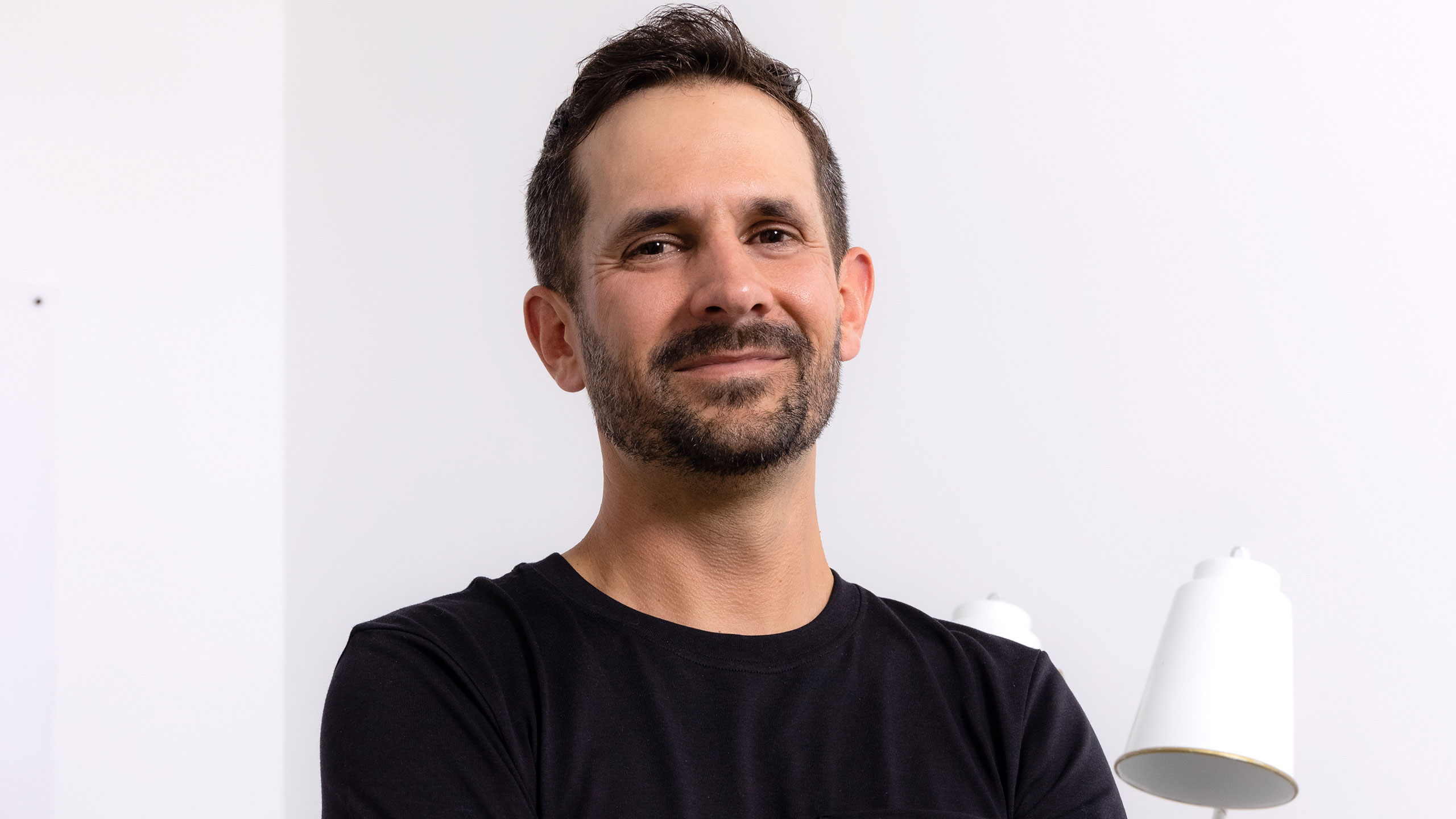
Pace Morby
SubTo
Full Transcript
23450 words
Full Transcript
23450 words
Steve Trang: Hey, everybody. Thank you for joining us for today's episode of Real Estate Disrupters. Today, we have Pace Morphey with PCGS Management, one of multiple businesses that Pace runs. And he's gonna share how he's gone to about 20,000 a month cash flow in just four short months. If this is your first time tuning in, I'm Steve Trang, and I help entrepreneurs create businesses that support their family lifestyle and goals through mentorship.
I'm on a mission to create 100 millionaires. If you want to be one of those millionaires, drop me a message on Instagram. If you're excited for today's show, please give me a wave, give me a thumbs up. As a friendly reminder, I don't charge a dime for this show. I don't make any money doing this, so here's all I ask.
This is what it costs for you to listen to this show. If you get value today, please tell a friend. You can share this episode right now, tag your friend below, or tell them your best takeaway from the show later on. That way we can all grow together. And this is a live show, so please ask your questions for Pace to answer.
And I guess my first question is it looks like you brought a guest.
Pace Morby: Yeah, dude. I was wondering when you were gonna introduce my guest here. Boom. You know, is this is actually amazing. When we walked in here and I started talking to you, I don't think a lot of people have watched me from a year ago.
So my first time I was on the show, was a year ago this week. And I don't think a lot of people realized what I was going through at that time in my life. You did because you were a personal friend of mine. A lot of our friends here locally knew what I was going through. I had just gone through one of the most stressful years of my life where one of my biggest customers filed bankruptcy on me to the tune of nearly $1,000,000.
And that's not not like fictitious money. That's money that's like I was not just not getting paid on jobs, but I was pouring money into his business to keep out of my account to keep his business alive because I had dug in so deep. In October, November, right before I came on the show, so two months before I came on the show, I got a letter of him filing bankruptcy on me and my entire company. Yeah. And what this means to me, and I want you to tell people what this what your what your goal is here because I don't think you highlight this well enough, and I don't think you talk about this as much as you should.
But this means so much to me is that basically being tied into your network and being tied into the same sales team and the same, basically the way that we're all getting and the network and collaboration of the Phoenix market, I was able to get this in basic I was able to
Pace: earn this in less than nine months
Pace: from that time.
Pace: It is.
Steve: It is nuts. Right? So I still remember because for those of you guys that don't know, right, like, we connected through Templeton.
Pace: Right.
Steve: Right? Like, I'm Templeton is an agent in our office, and I'm like, hey, what's this contractor hat thing? Because I need a contractor.
Pace: Right. And it
Steve: was a camouflage hat with I don't remember what it says on it.
Pace: AZ contracting. AZ contracting.
Steve: It was like, okay, well, you know, hook it up, send me your guy over. And you were doing, like, crap jobs for me. You know, I remember you did a roofing job for me that was, like, $700. It wasn't, like, a roof job. It was, like, patch a roof.
Right. Right?
Pace: It was a Binser that you had or something like that. Yeah. Well,
Steve: it was a client that had closed. And like two years later, she had a roof leak. So she reached out to me. I was like, Let me send my guy over there.
Pace: Right.
Steve: And so And she was ecstatic. She loved you. And I remember we were having lunch and you kind of dropped this bomb on me that, hey, I'm a home investor. I got you.
Pace: Yeah.
Steve: And I said, well, send me your deals. And you said to me, I can't send you my deals because I need this other guy that owes me a lot of money. He needs to make money so he can pay me back.
Pace: Right. I was basically wholesaling for two years, giving him my deals, and out of portion of his profits of selling my deals, he would pay me a portion of the million dollars he owed me.
Pace: Yeah.
Pace: And so I was like locked in. And I think now looking back, it's like that guy had the most brilliant plan. How do I refuse to pay this guy in his construction company so that I can get him to bring all his wholesale deals and just just pay him a portion back? Dude, it was a crazy world I was in. Crazy.
Masterful manipulation on
Steve: his part.
Pace: Yes. Absolutely. He filed bankruptcy on me and 48 other people all at the same time.
Steve: Yeah. Other friends that we have.
Pace: And the nearly million dollars that I lost, I was number three in line. Somebody else lost 1.6 and somebody else lost 1.3. And, man, it was a tough time. So I came on the show. And because of your friendship and the collaboration and what we've done together and, all of the businesses that I've been able to utilize, things that I've learned from this show and things that we've talked about, dude, I can't tell you how much this means to me.
Steve: Yeah.
Pace: This last year in 2019, I told my wife when we were going through all that, I said, you just watch. I could get to I could almost get to tears. It's, like, so emotional for me. I told my wife, I go, you just watch. 2019 is gonna be a foundational year for us, and I will I will absolutely destroy that human that put us in that situation, but only through our own success.
Yeah. I will go out, and I will be so successful that that is how I will destroy that individual. And with your help and with this show's help, that's how I was able to do it.
Steve: Yeah. Well, that means a lot. And I know, like, it means a lot to you. I could tell, you know, like, when we presented the plaque. Right?
Pace: Like, I see My jaw couldn't have dropped any further. There's
Steve: I don't think I've ever seen pace speechless before.
Pace: Oh my yeah. That's that's a good line. That is a great line. And I don't think people understand what you're doing here and what the goal is here with the show. People look at this and they consume this content
Pace: Mhmm.
Pace: And and applause to them for actually going and consuming this content because I don't know how you do it. You get all these people that come in here and they break down their entire business, and they tell you where their leads come from, how they're closing, how much money they're actually taking home, things about their personal life. They just give it all to uncle Steve. Right? So uncle Steve is pulling all this information out, and if you wanted to learn how to be a real estate investor, a wholesaler, whatever you wanted to be, this is the show to watch.
And what your goal is tell me what the goal is. Let me interview you for ten seconds. Sure. What is the goal and what does this plaque I know what it means to me, but what does it mean to you and what are you trying to do with this plaque and and this movement that you put together?
Steve: So I remember when I start, think and grow rich. Right? Right. Andrew Carnegie. Someone interviewed him and said, hey.
You've got these 18 millionaires that work for you. How did you make that happen? And his response was, you're asking the question the wrong way. None of them were millionaires until they started working for me. Right.
And so, Carnegie, right, the richest man that ever lived, at least for a short period of time, his goal was to impact people. And so, creating 18 millionaires for him, like, that was just a part of the story that stuck out from the Think and Grow Rich. Well, for me, when I started the brokerage, I said, You know what? I wanna be like Carnegie. I wanna create 18 millionaires.
And I know we've created at least two in our office. Right. Right? And then once we started the podcast, like, well, if I'm gonna have this voice that could be listened to across the country, then eighteen's a really low number. Right.
So let's just do a 100. And I personally believe at this point, we're gonna probably grade a thousand.
Pace: There's no doubt. There's absolutely no doubt. I mean, just the people just the people that you have had on the show and the people that this show has directly impacted, you'll surge way, way past all of that. It's unbelievable. Yeah.
Thank you
Steve: for making
Pace: me the king of closers, by the way. I mean,
Steve: I don't think that's wrong. Right?
Pace: I I mean, I don't know. I'm I'm I'm really grateful now. Like, going back to what you said about Carnegie, I'm really grateful for, 2019 was a foundational and pivotal year for me primarily because of books like Rocket Fuel
Pace: Mhmm.
Pace: Where I know I have superpowers, but I wasn't harnessing them properly, and I was trying to be everything, and I was trying to do everything. And now when I get involved in a group text or a group email, I say I tell my team, take me out of this. You're using my energy incorrectly. And in fact, I was in a meeting with Annie, Evo, Jesse, Brent Daniels this morning, and they asked me, hey, Pace. What's your input on this?
And I go, while I do have an opinion, and I will talk till the day you die Mhmm. This is not something my superpower should be leveraged for. And they immediately diverted away from me and talked about it outside
Pace: of me. Mhmm.
Pace: And so in 2019, I I meet Cody Barton, my partner, in my wholesale business and one of my partners in my subject to business. Cody Barton, how did he find me? He reached out to me because of our show a year ago, and he sent me a text, and he said, I I can't close deals. I need somebody to help me go close deals. Well, guess what?
He shouldn't have been closing deals.
Steve: He should not be closing deals.
Pace: He should not be closing deals. He loved Cody too. He should not be closing deals. He should be doing what he's incredibly, incredibly good at. And between him and I, we had a phenomenal year.
And then between five or six other partnerships, I had a stupendous, unbelievable best year of my life in business. And a lot of that, if not all of that, that, has to come down to my relationship with you and other people in our local market.
Steve: Well, what was crazy to me, I remember when you gave your cell phone on the show. I was like, that's
Pace: just It
Pace: was the smartest thing I ever did. It really was. I mean, the the team we have now, if you if you guys go back to my, Instagram, a couple days ago, I posted about how I didn't do the acquisition on the house. I didn't do the title work. I didn't do the basically, the whole Instagram thing.
And I put all the people on my team in that Instagram post. I tag everybody there, and I put all their names there. Everybody on there, including Carrie Persons and and Sheree over at the title company that you own. Mhmm. They take so much off our plate and allow us just to go do what we need to be doing.
So thank you so much for that. But that was one of the biggest changes in my life is I said, I'm going to focus on what I am uniquely good at, and I'm going to find people that are better than me at other things and just admit that I'm not as good as them. And I think that was the hardest thing is just saying, as a, like, super alpha male, I want to I don't want to admit I'm not good at something. It's not a good feeling. Mhmm.
But now I look at that differently. I look at it and I say, I'm not good at it, but I'm good at finding the right person. So I can still get a little bit of credit, get that emotional income that I talk about all the time. Mhmm. Get that emotional income, find the right person to do that job, and together we all excel.
Steve: Right. So I think that's probably a good point, the transition. Right. Because you're here because we're talking about sub two and creative financing. Right.
And you reached out to somebody that was
Pace: on the show. Yes. I did. That is that's so before I was even on the show, everybody that, knows Eric Sage has, knows he's one of the best people. I love him like a brother, one of my favorite people.
So he was on your show. I think he was on your show about the time that I got filed bankruptcy on, and I'm trying I'm swimming. I'm trying to figure out all that stuff. I didn't file bankruptcy. I got filed bankruptcy on.
So I was having to react. And one of the things I looked at is I said, Man, if I would have built my entire life, the last five or six years, towards cash towards cash flowing assets rather than building a business that requires me to be there every single day, I would have been fine. And Eric Sage comes on your show three or four days later. It was like a life changing experience. So before I came on your show, I went out and purposely sought a a relationship with Eric Sage based on golf and creative finance.
And I said, I'll bring you deals. I'll bring you deals. I'll bring you deals.
Pace: And
Steve: he's pretty good at golf.
Pace: He's phenomenal. He's literally the best person I've ever met at golf. And so it's kind of embarrassing. He took me to, like, some tournaments. It's so embarrassing to play golf with him, even though I'm halfway decent.
So, I sit down with him. He sits through a bunch of deals with me, and during that time, I bought my first Subject To deal. This was about a year and a half ago. I bought my first subject to deal through Kegley, and Sage helped me walk my helped me walk through that. And that's still one of the best cash flowing deals I've ever bought.
Steve: And I watched you talk to Jamil and buy this deal. You
Pace: did? Yeah. It was at your event.
Pace: Yeah. It
Steve: was the three of us kinda chatting. You're like, hey. You got anything?
Pace: Right. I mean, it's so it's amazing. I don't see any event you know, Jamil and I are traveling across the country. I don't see any event nationwide that's as good as your event by bringing people all together that and helping each other excel. And that's the funny thing.
You go to these events. I don't go up to people and go, Hey, what'd you have for lunch today? Or, What's going on? How's the kids? I go up to people at your event.
I go, How can I help you? Or, What do you have that I can look at? And maybe we can partner together on some stuff.
Steve: Right.
Pace: It's an unbelievable event. I love it. Well, even just yesterday,
Steve: we were having this conversation. Right? I was like, I've got this crazy idea. Right. Right?
I want to I suck at flipping. I admit it. It's on air. Right? But I was like, you know what?
If I had a flipper to just move deals to
Pace: Right.
Steve: That we could JV on or or whatever.
Pace: And
Steve: it's we're just talking shop. You know, like, I'll be your flipper.
Pace: Yeah.
Steve: I'd love to. So there's opportunities that happen just and us just talking about, like, crazy ideas that we have. Right. Yeah. Okay.
So you partnered with Sage, and you started doing So
Pace: I started doing, didn't know the difference between seller finance and subject to. K. I just was like, are they the same thing? And I wasn't quite sure. And Sage, unfortunately, because of how busy he is with other things, it was hard for him to articulate everything I needed.
So I went out. I paid for some coaching. I paid for him some stuff. I got super educated.
Steve: So that's important. Yes. I know a lot of people are opposed to paying for coaching.
Pace: I have learned just recently that if you have not paid for coaching and you wanna go on a
Pace: ride along with me, I will
Pace: reject you because the you're also the guy that won't pay for YouTube premium that's $19 a month. You would rather sit through 45 commercials every week to get the content that you're getting for free than you would save that forty five minutes by just paying $19.
Pace: Mhmm.
Pace: And I get a lot of people who request the ride alongs, and I was saying yes to everybody. And now my filter is if you've paid for any coaching, whether it's anybody in our network or outside of our network, if you can verify you've paid for coaching from somebody else, I will give you a free day where you just shadow me, go to my projects, go to my meetings, go to seller appointments, do everything that I do on a daily basis. But if you haven't paid for coaching, I've learned Brent Daniels actually gave me this statistic. He said the likelihood of success from somebody that has paid for coaching and hasn't paid for coaching, it's not it honestly isn't the coaching itself. Mhmm.
It's the commitment to moving forward and taking
Steve: action. Person.
Pace: And it's they're 80% more likely to actually be successful. Yeah. And they're a 100% more likely to be way more successful even if they are successful without coaching. So, in that process, I was paying for coaching, and I I didn't wanna leverage Sage too much. In that time frame, him and I also went and started an assisted living business together.
Pace: Mhmm.
Pace: And we acquired and renovated and built up four houses, and that was a that was a great business and amazing part of my 2019. I could do a whole entire podcast on group homes, assisted living, and behavioral health, and I get a lot of people ask me those questions all the time, but we won't go into that today. So I went outside of, Sage, and I was getting educated, and I started buying deals with my own money. Then I got more creative. Then I got more creative.
Then I got more creative, and I created my own method of how to do all of this and the own my own way of being it's kinda like people on your show. There's not many people in wholesale that literally wholesale the exact same way. Right. Right? Creative finance and subject to and seller finance, which is the umbrella of creative finance, and there's more stuff in there like notes and stuff like that.
But inside that umbrella, it's that magnitude of how people do business differently is exponential. You can't even track it. So you'll get gurus and you'll get people going, No, my way is the only way. Mhmm. That's the beautiful thing about creative finance.
The guy the guy two streets down doing it his way, as long as he's doing it legally, he he can do it that way. There is no only one way to do creative financing. So when I started, I didn't know the difference between subject to and seller finance. So let me tell everybody what that is. Subject to means there's a debt in place.
It doesn't mean that it's only the mortgage. Like, we subject to an air conditioning unit the other day. I don't know if anybody like, I don't know if you saw that on my Instagram. But I could have just paid the air conditioning unit off at close of escrow, but I was like, why would I pay that off right now? That's $12,000 so freaking George Brazil took advantage of this person.
They've got a loan against they've got a lien against their property. I'll just take that over sub two. And then when we get a little windfall cash, maybe I'll pay that off. But subject to is taking over somebody's existing debt and taking title to the home. You are the owner of the property, but the debt stays in their name.
K? And I explained this to a seller yesterday in person. I'll get into that in a second. So that's subject to. Seller finance means that somebody owns something free and clear, and they are then turning into the lender and lending their equity to you at a certain installment payment or a set of payments.
Right?
Steve: Right.
Pace: And you can structure that however you want. A million dollars, a dollar a month for a million months, or a million dollars for whatever. It doesn't matter. You can structure however however you want, and you can be ultra, ultra creative, which is why it's fun to be in that niche. Yeah.
So I figured these things out. I divided this out, and I go, Oh, my gosh. If I want to make $20 a month, I'm going to back this out, and this is how many houses I'm going to go do, and I could literally live on $20 a month the rest of my life, it was like this thing in my mind. How fast can I get to $20,000 a month in pocket cash flow? Yeah.
How fast can I do that? And so I assembled a team. I brought my integrator, my my partner, my business partner on board, and we did that in four months.
Pace: Yeah.
Pace: We actually did it in three and a half months. We like, December 15, we shut off.
Steve: Well, I still remember the because we run together in the mornings. Right. And you had this, like, you just couldn't wait to share, like, I know how I'm going to get to $20,000 a month. Right, right. You're so excited.
So, I think We talk about sub two. I think for some of the people that are listening, right, they're wholesale, predominantly wholesaling. Right. Right. Some flippers, not a lot of creative financers.
Financiers. Right. So when is the right time to bring up subject to?
Pace: Okay. So the the right answer for that, not the answer that I wanna answer, the right answer for that is bring you go in first as a wholesaler. Right? You go in and you go, okay, the seller won't allow me to buy the house at the price that I want. Maybe they want too much money.
Or, primarily, it's I want too much money or I've got so much arrears and I got all this stuff. You go in there when wholesale doesn't work. That's the simple answer. When wholesale doesn't work, this is what most wholesalers do. They get the lead, goes into Podio, they call it, oh, you want 200,000 for a house that's worth 200,000?
You throw that away. I hear that, and we just divert it to the long term wealth strategy of let's buy this house subject to or sell or finance. And that's why we're converting at a much higher rate. Like October, from our own lead flow, our own lead flow in our wholesale business, we contracted 17 subject tos because of, we had proven the model for, like, several months before that. And then in October ago, we're going hard, and we just got those leads directly from our wholesale.
So we went from doing, you know, 10 to 15 wholesale deals a month to nearly 30 contracts in one month off the same ad spend, but 17 of those were subject to or seller finance.
Steve: Yeah.
Pace: And it was like, oh my gosh, we never actually have to market for these? We don't ever have to market for these?
Steve: They're already
Pace: there. Dude, they're there.
Pace: Yeah.
Pace: And that's the thing is, like, most wholesalers take home less than $30.40000 a month. So in in the course of a year, you could literally replace your entire wholesale business by just taking your, sorry for the lack of language, but your shit leads Mhmm. And turning them into way better leads than you could ever make from wholesale. So here's the problem. The problem becomes when you get really good at this, like our team has gotten really good at this, you actually start mentally going into every appointment saying, I wanna buy everything subject to.
Because you realize, yes, I could make $20 from a wholesale deal, but if I could convince the seller to give me the mortgage, I could make $200,000 over the course of three to four years.
Pace: Yeah.
Pace: And that's enticing. And when you're stacking, stacking, stacking to the point where, I had a ride along yesterday with a kid named Edwin, and he's in my like literally, you go on a ride along with me, you sit in my partnership meetings, and you hear our challenges. Our challenge right now is we have so many houses that we own that I have not personally had the time to go to them because I'm the contractor of the team where I go and I say, Yes, carpet, paint, this, that, and
Pace: the other, and I send it off to the team, and I disconnect, and Anna manages it. Mhmm.
Pace: The team is mad at me because I was behind, like, three or four days because I was traveling with Jamil or whatever, and so now I've got to fix that bottleneck. But the team is mad at me like, Dude, we need to renovate these so we can turn around and and exit on these, and you haven't made it to the property. So they tell me the address. I go, Never heard of the house. That's amazing.
We own like four or five houses I had to physically go drive yesterday that I've never even heard of. We acquired them. The team took care of them. We closed escrow. We funded them.
And I went and walked them for the first time. I'm like, Wow. This is unbelievable. I wish I knew this three years ago. If I chose to do so, I would have been done working.
Steve: Yeah. So I heard recently from somebody. I can't remember who asked it. But they said that subject to is unethical.
Pace: Oh, interesting. I agree. I agree to 0% of that. I think that it's the opposite. I think that it is a way better solution for a seller at the end of the day because think about it.
And this is interesting. I get a lot of wholesalers go, How are you pitching it to the seller to get get their mortgage? And I go, Bro, I'm Here here's the answer. I'm paying way more than you are. The house is worth $200.
You're offering them $1.20. I'm coming in offering them $1.70, $1.80. Who's really the hero? Mhmm. Yes.
I felt great that I was the king of closers, and I still we still are. We do a lot of wholesale. You I mean, you own the title company that does all my title work.
Steve: Yeah.
Pace: We do a lot of wholesale. However, the solution subject to provides is a way higher value point for that customer and for that seller every single time. Yeah. Unless the seller needs the cash right now for whatever reason, which is somewhat the case, but you can give them some cash up front if you choose to do so. Yeah.
But it solves problems that other things can't solve. And like this logo, okay, for anybody that doesn't know where this logo came from, I had a seller that had their house listed, had no equity in the house. His name's Dave. No equity in the house. He had the list house listed for five and a half months, and the challenge he had is he wasn't behind on the mortgage, wasn't going through a divorce.
In fact, him and his wife are amazing people. We're planning on going to dinner in the next couple weeks. He sent me a referral sent to be approved and moved into the new build was looming, like, in two or three weeks. He's sitting there blaming his agent, blaming his agent, blaming his agent, and, yes, she wasn't doing everything she could have, but the reality is he didn't have a lot of equity to sell the house. There's not a lot she could have done.
So we came along and said, Dude, we'll put a little bit of money in your pocket, we'll take the mortgage over, and we'll talk to your underwriter on your new mortgage so that she can take the DTI off this or your debt to income ratio and get you approved for your brand new house. If I got Dave, and Dave will come to one of our meetups, when I get Dave there, if somebody told him, Hey, do you think subject two is unethical? He would be like, Who do you think you are? This thing, subject two, saved my life. So Dave and his wife were sending me text messages.
And where this logo came from is instead of and I know the word is t o, not t w o, but it was kind of funny. He took the emoji piece, and he wrote, I'm so grateful for subject to, and he put that in a text. And I go,
Pace: and he wrote, I'm so grateful for subject two,
Pace: and he put that in a text. And I go, Oh, my gosh. It's such a great brand, is to be able to, like, tell people this is the subject two logo. And so that came from one of my sellers who was like, I am so grateful for subject two. So, so grateful you got me to my next step and into my new house and all that stuff.
Steve: So there's an interesting debate Mhmm. About exiting. Mhmm. Right? There's you could do a sub two.
Pace: Right.
Steve: You could do a lease option. Mhmm. I don't know what the other options are.
Pace: So here's here's all the options if you wanna break them down. And, for anybody that, actually wants to learn all this stuff more in-depth, I get a lot of requests, and I find myself answering the same question over and over and over. And people that know me, I'm literally, like, driving and recording myself talking so I don't have to drive and text. What I'm doing is I'm putting a library together of all of these answers. Okay?
And it's gonna be on pacemorby.com. It's just gonna be a library of all the answers. So if you guys wanna go there and learn all this stuff, every week, I'm gonna put all the answers on there. So, and some of this stuff is just too boring for YouTube. Right?
YouTube's like, Hey, I bought this house and
Pace: blah blah blah blah blah blah.
Pace: But sometimes you just need to get into the nitty gritty and focus on how how the numbers actually work and get truly into the real deal. Mhmm. That's actually the name of our YouTube channel is the real deal. So, the exits. K?
There's multiple exits. So I buy every house subject to. K? That's how you acquire the house. Selling the house, you don't really do it subject to.
It would be called a wrap, where I'm taking the the terms that I bought from the seller, I'm wrapping them and selling them off to somebody else. That is where there's a lot of debate because the buyer on the end of that where I'm selling them the house and I'm giving them a higher rate I'm giving them higher terms than what I got the house at, there's nothing wrong or illegal about that. The challenge is the ethic conversation is, is this buyer a credible buyer?
Pace: Mhmm.
Pace: Are they somebody that can be underwritten properly? And if they can't, then technically you are lending you're taking somebody else's mortgage, and you're lending that mortgage somebody else and putting yourself in as the bank as an additional bank, and you're lending money. Right? You're now a lender.
Pace: Yeah.
Pace: And you're lending money to somebody who has no ability to pay that money back. That's called predatory lending. It's illegal.
Pace: Mhmm.
Pace: And so, the third deal I ever did, I got a call from the district attorney. I don't think I ever told you this conversation. Mhmm. I had a seller that was or a buyer on the back end. I didn't take them through underwriting.
I didn't know about that. Again, I've been learning this for a year and a half. I had to learn all this stuff myself. I had a seller or a buyer that took I took the house subject to. I sold it to them on a wrap.
A little bit higher payment, higher interest rate, so I was making cash flow. Right? Now that person stopped making payments. So what do I have to do? Now I have to go foreclose on that person.
So I go to foreclose on them, and they called the district attorney and said, PACE, this guy PACE gave me a loan, and he didn't he never got me underwritten and blah blah blah blah blah. And he knew I had no ability to pay the house, and he's taking his my deposit, and he's foreclosing and taking the house back. He did this as a he was preying on me. So there's a lot of conversation about that. Mhmm.
Which is why my main exit strategy is not that. K? Because there's actually a lot there's very, very few buyers that can get can, can get financing from you and actually qualify. So here's the exits.
Steve: Well, because if they could qualify,
Pace: they probably have $30,000 and they have a good job and they can get underwritten through a traditional bank, then why can't they, like, why can't if they can get qualified through you, why can't they go down to Bank of America and get a mortgage? Right? So here's the here's the exits exits that we focus on. I take a house subject to, I take it down, I take it I take title. We fund the deal.
I own it. My company, PCGS, owns it. We are the owner of records. It's on title. Your company does all my title work.
Okay? So we take title. We then we'll do the renovation, and typically we'll do rentals, which we hate because we don't wanna manage rentals. Primarily, we are doing lease options. We also can do Airbnb exit.
So if it's in a good area, well, Airbnb, the cash flow is crazy. You can do group homes. So one of the houses that we took over from Actually, we bought this from Cody Sperber in Brianopolis. I bought a house subject to, and the underlying mortgage is 1,300, but my net cash flow on the deal is $6,000 a month because I turned it into a group home, a battered women's shelter.
Steve: Yeah.
Pace: So you can get ultra creative on your exits, but, typically, it's a wrap, which means you're selling it to an end buyer. That end buyer lives in the house and you gave them a loan. Their payment's actually paid down. A lease option, they basically you're renting it to somebody with an option to buy. Right?
What I like about that is that I keep the depreciation. Anybody that wants to know what depreciation is, Google that. Depreciation, I keep the depreciation, I keep the mortgage pay down, I keep the cash flow, I get all that stuff, and I don't have to foreclose on them if they default. I just kick them out out, and I get to go back and lease the house back.
Steve: And they'll still show the same pride of ownership.
Pace: 100%. So here's the cool thing about lease options. When I did my first lease option, I showed up to the house three days before they were supposed to move in, and they're replacing the roof, putting cinder block walls around. They're doing a tile and kitchen. I'm like, you're putting $40 into a house you are doing a lease option on.
You do you know you're not the owner? Did we did we not do the disclosures properly? And they're like, no, we're just so happy about the house. So Yeah. Lease option buyers typically have pride of ownership.
They already are committed in their mind that within five years, which is how long our lease option is, within five years, they're going to be taking that option and owning the property once their credit gets fixed and all that
Steve: kind of stuff. So with someone something like that, let's say they execute the option. Right. They buy the property. Mhmm.
It's no longer existing to the sub two. Now they're getting their own mortgage and you're paying off that other
Pace: That is correct. I am never financing them. I am never putting myself in a position where I'm the lender on the deal. I am giving them the option to buy it from me. I'm locking in a future price.
If they can get qualified through Bank of America, then they can come in and wipe out my subject to loan that I took over from a seller, if that makes sense.
Steve: So we're in a mastermind, and I remember you and Rafael were were talking about performance deeds
Pace: Right.
Steve: Or whatever. You wanna talk about that?
Pace: Absolutely. So a lot of times performance deed, a lot of guys that are in the business and doing subject to don't really quite know this. Where I learned this was actually from a title officer that's been doing this for forty eight years. She's been doing subject to, seller finance, all the creative finance stuff for forty eight years, and she's like, Oh, do a performance deed. So basically what a performance deed allows you to do is let's say a seller goes, Well, I'm worried that if you die or you default on the payments or something happens to you, that my payment is going to come back to me and be response I'm gonna have to foreclose on you.
That's what they're worried about. They're gonna have to go through a six month foreclosure, and it's gonna cost them all this money. The way we set it up is if a seller is really worried about that, we put a performance deed in place stating that if we ever default, if we get to day 31 and we default, the house is back to theirs. So that the worst case scenario, they have one payment to owe.
Steve: And so they've got peace of mind.
Pace: They've got peace of mind.
Steve: Right. So you did a poll before Yes. And I think the prevailing from what I saw, this is an eyeball test, guys. Like, don't hold me accountable to this.
Pace: Right.
Steve: But C, it looked like to be the overwhelming winner.
Pace: Right.
Steve: So let's start there.
Pace: Okay. What are
Steve: you saying to the homeowners?
Pace: Oh, my gosh. So guys, if you're not following my Instagram, you should follow my Instagram because when I go to these appointments with sellers, I'm actually taking recordings. I tell the seller upfront, hey, I have a lot of people shadow me. People are trying to learn this business, and I give away a lot for free just trying to help people take care of their families and make money. And anybody that knows me in town will attest to that.
I'm just giving, giving, giving, taking people on appointments with me and whatnot. So I tell the seller, I'm going to record this conversation, if you don't mind, mostly for training purposes, and also sometimes people have questions on how to handle this as well, and it's nice to hear this. So I'll omit any sensitive information that every single time they're like, yeah, that's fine. I don't care. So I record the conversation, and then what I do is I upload it to Dropbox, and then I do a swipe up feature on my Instagram and go, hey.
If you guys wanna hear this on Instagram, swipe up, and you'll hear it, and they can download it. So anytime you guys follow me, and I do that, you'll see that all the time. Just swipe up and download the or not download, but listen to the Dropbox thing. So, what I tell sellers is a variety of different things. But the number one thing that we're telling sellers is they go I ask them this is the unique thing with wholesale.
So when I go into wholesale, I'm going in, and I'm trying to figure out what other wholesalers are paying. Right? The whole time, I'm trying to figure out what they're paying, and then that way I know where I can get myself in and blah blah blah, all that stuff.
Pace: Mhmm.
Pace: If you guys wanna learn wholesale, watch the other podcast. This is like, we do wholesale too, but this is all sub two. The advantage of going in as sub two is by the time it gets to me, I already nobody nobody's solved the problem, and so I just go, tell me why you weren't able to sell to the other 15 people you've spoken to. And they go, how do you know I spoke to so many people? I go, because I've been in the business a long time, and I know that you've spoken to 15 people, four real estate agents, Zillow, Offerpad, blah blah blah, and now I'm here, and I have a magic wand in my pocket.
I just need to know which magic magic wand to pull out.
Pace: Mhmm.
Pace: So you tell me what can I do for you, and I go, Tell me how all the conversations have gone so far and why you weren't able to sign a contract with anybody prior? So now at that point, they're just giving willfully just, Here you go. This guy said this. This guy said that. And I go, Okay.
Well, what would it actually take to make this deal work? And they go, I don't think you can pay it. And I go, Are you challenging me? Sometimes you don't say that. And I'll say, Well, look, I can pay And then they'll throw out their number.
I always get their number, and they go, I need 180, or I need 20,000 in cash, or I need this, or whatever. And I go, Okay, well, assuming I come up to that number, which is $30 more than the other investors were offering you, would you be willing to give me something extra in return? I do this in almost every one of my closes, and they go, Well, yeah. Sure. Well, what is that?
And I go, I'd like to ask you to give me terms on that money instead of me paying it all upfront. Would you be willing to do that? And then I shut up. Literally, in these recordings, you'll hear me shut up and they go, Okay. What does that mean?
And I go, Okay. Imagine And this is a true story. This is how I learned a lot about this stuff. I have a truck, and I wanna sell that truck. It was an F-one 150.
My wife and I loved that truck. It was the first car I had when I was dating, but I didn't wanna sell it unless I sold it for $10. The problem is that truck was only worth $5. Right? Typical Typical homeowner, they want
Pace: $10 for a
Pace: $5,000 house, whatever. And so I said, you know, one day, I wasn't driving. I was sitting in the in the driveway, and I said, I'm gonna throw this on Craigslist, and I'm gonna put it as $10,000, but I'm willing to accept payments. And immediately, it was like thirty, forty people reaching out to me like, what payments? What payments?
What payments? I ended up selling that house with payments plus interest, and or not a house, that truck. I sold that that truck for $12,000 over the course of a three year note that I created, right, or a loan.
Pace: Yeah.
Pace: So I sold a $5,000 truck for $12,000 It's no different than a house. Right? A little bit different instruments and paperwork and all that kind of stuff, but it's no different. If the seller wants to give you or wants a certain number, I just go in there and strategically, align myself with them and go, how do we make this work for both of us? It is the easiest close ever.
So when people go, Oh, it just seems so hard. I can't believe you're doing it. I'm like, Guys, if given the opportunity, even though I'm the guy who closes a lot of wholesale deals, given the opportunity, I would rather being a subject to appointment is so much easier because you're paying more for the house and you're satisfying more problems than the seller has.
Steve: Right. So they ask terms, they're confused,
Pace: you
Steve: explain to them.
Pace: Right. And then I tell I actually tell that story. I did this recording I put up on Dropbox. I kind of got have gotten sick of my own story, the Ford truck story
Pace: Mhmm.
Pace: Because I've told it over and over like a a stand up comedian tells his own act a thousand times. It's the same thing I say. And I hit them with terms. I go, you can sell your your truck at 5,000 cash for today. But if you give somebody terms and the benefit of being able to go utilize that truck and make money off that truck by working and painting, maybe it's a good My truck ended up being sold to a painter.
So he could take that truck, go make money with it, and he could afford my payments while taking care of his family. So if you're willing to give me payments on your house that I could turn around and rent it or Airbnb it, I can make basically any number that you want work within reason.
Steve: So that's the next question, right? There has to be numbers or a scenario that makes sense. You can't buy every single house up to two. You cannot buy all the Phoenix up to two.
Pace: I cannot buy everything in Phoenix up to two. There are certain houses that we don't take. And here's where here's where the line in the sand comes in. This is how I underwrite it. Again, this is other creative finance guys like, you know, Brent Marino and the Mississippi Boys, Adam.
Adam's dad is Leon, the dude that's Coming
Steve: down here in a few weeks. Yeah.
Pace: Unbelievable dude. Okay? Yeah. He might listen to this podcast and go, I like what Pace is doing, but I do it a little bit different. So that's the cool thing about creative finance.
You can be very unique. With me, I go to the seller. Very rarely will I buy a deal unless it's cash flowing at least $400 net in my pocket? So here's where I start. If you guys are gonna send me a deal or my team, so go to pacemorbid.com, and you guys can send me a subject to deal.
We'll underwrite it for you. I just bought a deal in, Atlanta from Taj, TTP student, by the way. Shout out to Taj. But, what happens is I start with one the first thing I start with is PITI. I don't even care about the address.
I really don't, which is very different than wholesale.
Steve: Yeah.
Pace: Because you have to underwrite it. You pull it up. You do all that stuff. Here's what I do. I start with what's the payment interest, taxes, and insurance all combined?
What's the PITI? What's my payment? So they say, well, my mortgage payment is 1,200. Great. Where do I go now?
I then go and find out what it will rent rent for. That's my basis. I could do an Airbnb and make more money. I could do a group home and make more money, but I don't wanna Airbnb every house, and I don't wanna group home every frigging house either. So I start with my baseline of what can I rent it for?
So if my mortgage is 1,200 and I can turn around and rent that out for 1,800, dollars that's a winner for me, or $1,600 or $15.50 or whatever it is. As long as they're a spread, then I will dig deeper. I'll look at the address, and I'll look at it, and then say, what kind of loan is it? What's the interest rate? And I'll dig deeper.
But step one, I have to have a spread between my payment that I'm taking over, and I have to have the ability to turn around and make money off of that product.
Steve: How are you quickly identifying what the rent is?
Pace: A lot of people will go to rentometer.com. That's a really good way to start. However, we kind of branched away from rentometer.com because Rental Meter was actually turning down some of the deals being sent to us. So I had a wholesaler that sent me three or four deals in a couple of days. He's like, man, you're just saying no to everything.
And we realized that Rental Meter was low on their rents, but 85, 90% of time, it's going to work. We go to MLS now and we do a rental comp because that's the real deal.
Pace: Mhmm.
Pace: Model match, hopefully. And we find out what that is, and that's where our baseline is.
Steve: Gotcha.
Pace: That's how we know. So if you send a deal to anybody buying subject to, I know there's other guys in town doing subject to, if you send them an address and you say, Oh, the guy's $20 behind, or, The guy has this, and you haven't told them what the mortgage payment is, you've given basically given me the lettuce, the tomato, the pickle, the cheese, mayonnaise and mustard, but I have no bread to put it together with. The bread is what is my payment that I'm taking over, and what can I rent it for? And then everything else in in there
Steve: creates the sandwich.
Pace: Gotcha. Does that make sense?
Steve: It makes sense. So then, I I want to so you mentioned there the what they're behind. Right. Which is an integral piece because if someone wants to get this up to you Right.
Pace: Tomorrow, they don't have $20,000 necessarily. If you're
Steve: going to start in they don't have 20,000 necessarily.
Pace: If you're gonna start in subject to and you're gonna start in creative finance, which I absolutely think you should be doing that, and I think the I think the equation, honestly, is is for every 10 wholesale you do, you need to be buying and keeping a subject to. Right? So a lot of guys are like, well, I can't qualify for a rental loan. I can't do the BRRRR Method because it requires the BRRRR Method is super dope. I love it.
I have a couple properties right now that we're doing the BRRRR Method, but it takes so much cash. I have to go get the loan myself. I have to go through freaking more I shout out to all my LOs, my loan officer buddies, but you guys are freaking blood suckers. Like, I give you my whole I give you everything you ask me for in the first email, and then you come back back on a month later and you're asking me for another Like, just send me everything you request everything from me up front. Mhmm.
The beautiful thing I'm a subject to, you don't have to qualify for it.
Steve: Right.
Pace: I can literally just go to you, Steve, and I go, Hey. You know that new house that you just built and moved in and and whatever? Just let me close escrow. I'll pay, like, $1,500. I'll close escrow, and now that house is mine, and I just take over your payments.
Pace: Mhmm.
Pace: I don't have to qualify. I don't have to call the bank. I don't have to go through any of that crap. I just take it over, which is amazing. The challenge is if you're gonna start today as a wholesaler, which you absolutely should, in fact, if somebody doesn't reach out to me that wants cash flow, and in two years they're like, I should have been doing this, shame on you.
Reach out to me. We're here to help. In two years, you should be financially independent. You should never have to do another wholesale deal. You should never have to do anything ever again if you do this right.
So what I tell people is don't go after the preforeclosures. Don't go after people that have a big amount of arrears and all these repairs. Where you you start, here's the magic. Here's the magic. You go after expired listings.
You go to people that might not have a lot of equity, or they might have equity, but they don't have They are asking for too much money, and they weren't willing to negotiate on their price. Their listing agent wasn't able to sell the house. So they already have pain. You go to them and say, I'd be willing to give you the price you had it listed for if you were willing to give me terms.
Steve: And that's the friend I was introducing you to. Alright. She buys sub two all the time because she's cold calling for expired listings.
Pace: Boom.
Steve: And it's like, oh, well, I can't list this one, but I'll buy it.
Pace: That's exactly it. That's where I would start because those deals, like the deal my wife and I moved into a subject to that we bought, The seller had no equity, and we just go and go, Hey, we'll take over the house and take over the payments. The payments on that deal, it's $1,900 a month is the payment on that house that I took over. It's so far in the amortization schedule that now it's paying down, like, $7.50 a month in principal. I immediately took that over.
Whereas when you go out and get a brand new loan, your amortization, 90% of it is is interest.
Steve: Right.
Pace: So that's the beautiful thing about so I just get I get so excited. I can't even like, I can't harness it because you gotta kinda structure this properly. But if you're brand new, I would go to your sellers, the ones that you should be buying. Let me take the ones that have arrears because we have cash. Right?
We have private lenders that come to us go, Hey, I wanna invest in your deals. We have all that. So bring those deals to me. The ones that have no arrears and they don't need a ton of equity or they don't need a ton of repairs, I will show you. Go to pacemorphy..com or hit me up on Instagram, I will show you how to acquire those so that you don't come out of money out of your pocket other than closing costs.
Pace: Yeah.
Pace: Right? And now you've got a rental and you're cash flowing right away.
Pace: So did we, because
Steve: the second thing, the second thing, the c was the the most by far. I think a was right after it. So did we satisfactorily answer where our deal's coming from with that?
Pace: Let's see. Yes. Actually, that does answer that question. Where our deals come from, a lot of deals come from, number one, our wholesale. Right?
So our wholesale leads that were dead, that we originally were gonna throw away, we go after those, and immediately, now internally in our office, it comes into Podio, and it either goes here or it goes here. Goes to wholesale, my acquisition team goes after. If it goes here, either Greg or myself, Greg's my partner in that business, Greg or myself will go and meet with that seller personally.
Steve: Yeah.
Pace: And now we're recording those conversations, and we're helping other people, and that's how we're training new acquisition people on our team to go get those. But wholesale is probably number one. Number two is expired listings. And going If we're actually going to market to a subject to, I'm marketing to expired listings.
Steve: Gotcha. All right. So then I guess we have time for B. Yeah. Which is what are you doing after you buy them?
Pace: Primarily, we're going after we're doing lease options. So this is what's cool too. A lot of wholesalers go, Well, I need transactional money. That's what's cool about wholesale. Right?
Wholesale is amazing because transactionally, you can bring money in every single month on every single transaction, $10, $20, $30, whatever, and you can pay all the bills and reinvest in marketing. A lot of times, people buying subject to don't realize that you can make as much upfront money on a subject to as you could on a wholesale. So, like, we actually bought a deal from Alec Lebec and Nick Mason. They go, We don't There's no equity in this deal. It's got three acres.
It's horse property. I'm like, Oh my gosh. You just said the magic words, no equity. Give me the deal. Right?
So we buy the deal from them sub to. We catch up the arrears, give the seller cash, give Alec and them cash, we pay for the renovation, and I put it up for a lease option. And we ended up getting, I think, like $17,000 as a lease option deposit on that house that goes into our pocket. Nobody would have made $17 on a wholesale They wouldn't have made any money on that wholesale deal. We made $17 as a lease option deposit on that house.
And also, I hate bringing this up to Nick and Mason because it's a Sorry. Alec and Nick. I hate bringing it up because every time I bring it up, they cringe. We make net cash flow on that property every month at $900 a month. $900
Pace: a month on a
Pace: deal that nobody else could have done wholesale.
Steve: So you mentioned the 17,000 Right. Deposit. Mhmm. Now, that's not income.
Pace: It's income.
Steve: It's income.
Pace: Yes. Because here's the here's the challenge with the lease option deposit. A lot and this is where some people might argue with me. They'll say, well, your lease option deposit should go towards the purchase of the house. We don't set it up that way.
The lease option deposit should it is income. Technically, the IRS will say, yes, that's income. But it doesn't go against the purchase price of the house on their future option fee option price. And the reason for that is I never want to infer ownership to that person giving me a lease option deposit. I want them to know that's a deposit only to lock in a future price.
It's not money that I'm going to lower your purchase price.
Pace: Does that
Pace: make sense? Yeah.
Steve: Makes complete sense.
Pace: And how we get sometimes we how we get a higher price. Some houses, we're only getting $5. Our average is probably 7,500 to $11, somewhere in there. But the way we've gotten higher option deposits is telling the customers that are wanting to lease option from us, hey, you've got a little bit of competition. Other people are looking at this, and I've got guys with a little bit bigger deposits.
So if you're wanting to put a bigger deposit on, that's how you're going to win out over these other people.
Steve: Gotcha. So I'm going to go over all these questions and we've got a ton of questions. But before we go over those questions, I wanted to ask you, you know, you were in that mastermind on Thursday.
Pace: Yes.
Steve: Not talking about any names or any topics that were, you know, private. What was your takeaway, like being in that room?
Pace: Oh my gosh. Just in general?
Pace: Yeah.
Pace: I feel very lucky to be in that room and I would say not worthy. Like
Steve: I'll disagree with that last part.
Pace: Well, I just look at everybody in that room and I think it was just amazing. Like, you brought Matt Larson out and you brought people out that brought such unique abilities to the table in that mastermind that I just said, I look over to Jamil, and I go, Somebody would have paid a $100 to sit in this meeting for two hours, not only to hear the content, but just get to know these guys at such a high level. Unbelievable. How you got those many people in that room at that level
Steve: Yeah.
Pace: Blows me away.
Steve: Well, fortunately, they were just simple phone calls.
Pace: Well, for you, but for me, I'd have to, you know I don't know. I'd I'd have to structure something. That was it was unbelievable. I was very, very lucky to be in there. I mean, I was posting, and I was muting everybody's, like, post.
Pace: Mhmm.
Pace: And then everybody on my DMs were like, what are they saying? What are they saying? I'm like, bro, you gotta pay a $100 to be in this room. Right. I mean, it was crazy.
Steve: Yeah. I mean, it was really lucky. Right? I was really fortunate to have, like, Carlos and Sal. Right.
Listen to you and Jared debate sub two.
Pace: Oh, yeah. It was so fun.
Steve: Right.
Pace: And then, Jared, I've been going back and forth with Jared. I think he's in Montana. He's doing some stuff with, like, Doctor Horton or something. Yeah. So him and I have been going back and forth talking about doing some stuff nationwide.
Right. So I'm excited about potentially doing some stuff with Jared. But that's what those masterminds are for.
Steve: Yeah.
Pace: Is getting together and saying, You have a unique ability. I have a unique ability. Let's put together a business that will dominate whoever's competing against us.
Steve: Yeah. I love it. So Joe Moda's got a question. And is there any concern about the due on sale clause?
Pace: So very, very low due on sale clause concerns on our part. Yes, I do know people. I've been in masterminds, some creative masterminds that people have had the due on sale clause caused. I know why they get caught or called. Technically, the due on sale clause gets triggered the second you close escrow.
They just have the ability to actually call it due, if that makes sense. So every house I've bought, I've already triggered the due on sale clause. Right. Have they gotten called due? No.
You take a look at I have a conversation with Eileen Brown. Right? Eileen Brown comes to our mastermind, and she's been doing subject to creative finance for forty eight years. She was actually kind of embarrassed to even say that out loud. She says, I've never seen a subject to or a creative finance deal ever get called due unless somebody does something stupid with the insurance or they default on the payments.
Mhmm. That's it.
Steve: Right.
Pace: Or it was adjustable rate mortgages back in 2006, 2007, whatever, all that. Like, adjustable rate mortgages, a lot of people got their butts kicked and they had notes called due. But we don't do those. We don't do adjustable rate.
Steve: There was something else that, we talked about. This is in our coaching program. You jumped on one of the calls with our students.
Pace: Oh, the sellers?
Steve: There was something about, trust or not trust.
Pace: Oh, land trust.
Pace: Yeah.
Pace: Right. So, a lot of people, especially like older people, the the Ron LeGrande method, a lot of that is buying these houses in a land trust. So a land trust actually is not an entity that can protect you. The reason to buy a house in a in a land trust is so that nobody can find out who owns that house.
Pace: Mhmm.
Pace: So a land trust provides tremendous anonymity. However, so does a really good corporate structure. So if you have an LLC that's owned by a holding company, it's owned by a family trust or a living trust, nobody can find out who owns that LLC, even if it's not in Maryland or Montana or Vegas. A lot of people are like, I'm going to do my LLC over here, and I'm going to do this. Just do everything in your state.
You just need to structure your LLCs properly that at the top, even the family trust that's in your name that owns all of that, that nobody can pull anything because you can't pull the information there. So a land trust, I would avoid buying houses and land trusts. It's the wrong way to go. That's a whole another thirty minute conversation. But just buying an LLC that's owned by a holding company, that's how we do it.
Steve: Right. But you were saying people were doing their trust for the wrong reasons.
Pace: Yeah. They're trying to hide, right? They're trying to hide, and that's not what we're trying to do. I don't care if the bank calls us and says, Hey, you own the house and this blah blah blah blah. I go, Great.
Do you want me to keep making the payments or do you want me to refinance you out? I'm not trying to hide from anybody. I'm doing it
Pace: full
Pace: transparency. The thing you don't want is somebody suing you. That's the only reason to have anonymity. You don't want to have anonymity to hide from the banks and hide from the government. You wanna have full disclosure as far as that's concerned.
Steve: Sushnika has a question about the underwriter to exclude the existing mortgage from the debt to income ratio.
Pace: Oh, that's money. So, Dave, one of the the guy who helped me create this logo, one of our sellers, we will walk that new underwriter on their new mortgage through that. So here's how it works. If the seller let's say you take the house, that house, you put a renter in place, and they can prove that they have a rental agreement and they've collected the first and security deposit, the underwriter on their next house will take 75% of this this home off their DTI. If they can prove that they've collected 12 of payments, they will take a 100% of this house off their DTI.
Does that make sense?
Pace: Yep.
Pace: Okay.
Steve: And then Rafa, Argoeta wants to know how are you determining the future price that you're gonna sell in five years for the lease option?
Pace: So we just take an average rate of inflate not inflation, but appreciation. So let's say I buy a house today for $100,000 I'm all into it 100, or it's worth 100 today. I then take a future price of five years, and I say, okay, well, the average rate of, appreciation is four to 5%. So I add 25%. I'm selling that house to that seller at $125,000
Steve: I hope you're keeping track of that. Or to that buyer.
Pace: Sorry. 125,000.
Steve: I hope you're keeping track in your in your head which question you like the best. Jonathan Tennison wants to know how are you handling all the accounting that come with
Pace: lovely. So actually, where I got my so I went and this is the beautiful part about Masterminds. So instead of me having to go and find a good CPA and people that did this, we had a we've had bookkeepers, and they work for us full time, but this is a this is a hack for anybody that doesn't know this. I had Taj from Atlanta. Shout out Taj.
He posted something on his Instagram today. He he says, one conversation with PACE ten x'd my business. So I DM DM him. I'm like, what out of all the things I told you, what was that thing? And he goes, I was so afraid to talk to a CPA and so afraid to bring you on a bookkeeper, and you just were like, no bullshit.
Go call somebody, and here's exactly how to talk to that person. He's He found a bookkeeper and a CPA to take over his whole entire accounting and his wholesale business for like $200 a month. Mhmm. Most people are like, I need a full time bookkeeper. For us, we do need a full time bookkeeper.
It's a lot of stuff. But what we did is instead of us hiring them and having the bookkeeper relay the information to the CPA and the CPA constantly frustrated that the QuickBooks are screwed up and all that kind of stuff, we just went to the CPA and said, can you just have a bookkeeper in on staff and we pay you to manage? And if they don't work out, you fire them and you hire somebody else. I don't even wanna know the bookkeeper's name. Yeah.
Basically, I'm just outsourcing. So every one of my LLC costs me about $200 a month for them to bookkeep and do my tax planning and all that kind of stuff. That is who does it. Where I got that information, I went and met with five other wholesalers in town over the last year, and they all gave me their CPAs. Then I met with their CPAs, and if their CPA was a Democrat, I immediately walked out the door.
I'm sorry for any Democrats that are listening, but if you're a business owner, you kinda wanna be a Republican tax purposes. So that's number one. Number two, I then, had conversations. I said, I wanna pay as little amount of tax as I possibly can. So I wanna take advantage of depreciation.
I wanna take advantage of four zero one ks's. I wanna take advantage of, you know, all sorts of everything. And if you have a good plan for me, I wanna do business with you. Carrie Persons, out of all the wholesalers that gave me their information, Carrie Person who runs your title company, she gave me her CPA. That That CPA has been a game changer for us, and they run my personal and all of my businesses from here on out.
I don't even have a bookkeeper in any of my businesses.
Steve: That's fantastic.
Pace: Yeah. It's unbelievable. People are so afraid of that while you're pulling up a question. People are so afraid of accountants and CPAs. Guys, just find somebody that they're very actually inexpensive.
They have all the right answers, and just pay $200 a month. Stop supersizing all your value meals or all your McDonald's meals. Stop getting Starbucks drinks, and you'll be able to afford a full time bookkeeper and CPA outsourced.
Steve: Let's see what else is there. And J. Burrus saying that LOs are getting roasted right now.
Pace: Yeah. LOs. I mean, the thing what's really, really cool so, guys, here's another way to get deals. So one of my good buddies, Brian Geffing, he's an LO here locally. And what he says is he's like, dude, sometimes I get buyers that can't get qualified.
Like, they have a good job. They have a good chunk of money. They have good income. Like, they could be underwritten maybe through a private underwriter. But right now they don't fit our criteria for getting a loan.
Do you have a house that you would sell or finance them? So when you guys are acquiring subject tos, going to those people and getting referrals from loan officers is amazing. So make sure you're utilizing loan officers. And loan officers, if you ever have clients that can't get approved, have them call me and we'll help them out.
Steve: Yep. And guys, we're at 188 views right now. So if you guys can share, tag some friends below, let's get this over 200. 188
Pace: views?
Steve: Yeah. Wow.
Pace: That's that's pretty weak, dude. I think the first time I got on here, I think I had like 50 or 60 views. So your show's definitely gotten better.
Steve: I think it was like 25.
Pace: Oh, okay.
Steve: Come on,
Pace: bro. Come on.
Pace: Call me out here. Alright.
Steve: So once Warner Coraga wants to know, once you get us up to you, do you tell a seller to give you thirty to sixty days to get a tenant? No. So how does that work?
Pace: I would do that. So I I tell people that are new so, again, guys, this is creative. So you can be different than I am. And if you guys have questions on how to do this, again, like, go to pacemorbid.com. We'll underwrite your deals or reach out to me.
I'll get on Something a lot of people don't know is I do Sunday service. So Sunday at 07:00 Arizona time, we might change that in the future because it's getting it gets really late and I talk so much, as you can tell. But we break down every deal, how we talk to our sellers, how we do all that stuff every single week. So we're buying two to four of these every week. I go through every story, how to get them.
I do that for free Sunday service on my Instagram live. So I get people that will, like, DM me, and they go, where's the link to the Sunday service? I'm like, it's bro. It's it's Instagram live. Just get on Instagram live.
Sunday, 7PM. So here's the the answer to that question. What he's asking is he's like, you could, if you didn't have literally any money in your pocket, you can do so many of these deals with with no money. Okay? So let's say you have a a seller.
They don't have any arrears, but they're like, I'm be I'm just I gotta get out this house. I have no equity. They couldn't sell it on the market. I need to move to another job. I have a job opportunity, and I'll tell you a story about that in a minute.
So what we do is we just close escrow. We make sure the seller's gone, and then we clean it up a little bit, and the seller's gone so I can show tenants the property vacant. However, that costs me a little bit of money because I gotta make a mortgage payment while that house is vacant. Right? I call that my entry fee.
And if you guys wanna learn more about the entry fee, that's another conversation. So what happens is you could tell that seller, Okay. I'm going to turn this into an Airbnb, a group home, whatever. The seller really doesn't care. Very rarely.
I used to think the sellers were going to ask me, like, What are you going to do with my house? Very rarely happens, mostly because I don't give them any chance to talk. But just kidding. I do. If anybody's ever been on a ride along with me, I actually it's very I'm a different person in a ride along like a buy appointment.
So you tell that seller, if you have no money, you say, look. Here's what I'm gonna do. I'm going to take your house and I'm gonna rent it out. In fact, I'm going to do a lease option on the back end. So while we're in escrow for thirty days, would you mind if I market your property for you?
Or would you mind if I market the property so I can get somebody to rent this the second you move out? The answer they're gonna do say is, yes, absolutely. No problem. So you can have people coming through the property, and that Absolutely. No problem.
So you can have people coming through the property and that lease option buyer, let's say you get $7,000 or $5,000 as a lease option, that lease option buyer pays your closing costs. They pay a couple grand the seller, and they pay maybe some carpet paint. You're into that deal, no money. The next month, they make their rent payment. You're cash flowing.
Pace: Alright.
Pace: No money out of your pocket. So, yes, brilliant, brilliant move, but we don't do that just because we have so many moving parts, and so remembering to market a property while a tenant's in there, now you gotta talk to the tenant, or not the tenant.
Steve: The seller.
Pace: You gotta
Pace: talk to the seller. You gotta coordinate. We just don't We don't wanna mess with that. We'd rather just pay the money. We're gonna make so much stinking money on the house anyway that if we have to pay half a mortgage a month or half a month's worth of mortgage, it's not a big deal.
Steve: Yep. Sis Shanique was asking about the mastermind. So, Sis, we have a mastermind in, that, Max, Mendez, and I, we run together. So We had some pretty big players in that room, like I said earlier, you know, Jared Vidalas, Carlos Sal, you, Jamil, Ryan Pineda, Matt Larson.
Pace: Jesse, Ivo, Annie. Yeah. You've got Matt Larson. I mean, that room, the amount of deals that that room does on a monthly basis, I made a joke when I walked in and I saw all the faces in the mastermind. I go, Holy crap, guys.
Who's doing deals while we're all in this room? Like, nobody's doing you know, I was joking. I felt like 70% of the wholesale deals and subject to to deals were being done through the people in that room in our market.
Steve: Right. It's kind of crazy.
Pace: Yeah.
Steve: So Ryan Howard has a question, and I think this was a pain point you had for a little bit, was how are you going about finding tenants for you to have two deals?
Pace: So I have an amazing guy on my team. His name is Zach Babiars. Look him up on Instagram. He works for us. He's, he does all that.
So we used to do bandit signs. We used to do all sorts of stuff. Craigslist, do you know what works the best? Facebook ads. The average cost of acquisition of a lease option tenant is a little under, I think the lead is about $4 So to talk to a real person that actually has money to put down on a lease option, that costs us $4 in lead.
But to actually get somebody in the house costs us a little under $100. So It's that bad. Oh my gosh, bro. It's so inexpensive. And that's the thing is like there's a lot of people going through divorce, going through bankruptcy, going through a job loss or whatever it is, their credit's nobody will ask.
It's a question that I used to think all the time, like, why would somebody do a lease option? Why not just rent until you had your credit fixed? Why would you do a lease option? Because you gotta come up with an option fee, right, typically. And the reason being is because an option actually allows that tenant to lock in a price for you for five years.
Pace: Mhmm.
Pace: Whereas on a rental, they you're only usually doing a year or two year rental, and that landlord can pull the rug out from underneath you, sell that house, and now your kids are in school and you got roots planted and you got a job down the road, you're like, oh my gosh, bro. I gotta go start all over, at least in terms of my, like, local ecosystem. So a lease option buyer, nobody is marketing to them. Well, now, 188 people are gonna start marketing
Pace: to them.
Pace: Right. Yeah.
Steve: So that was a great question. Claudio Diaz wants to know what happens to the existing debt when the owner passes away?
Pace: Oh, my gosh. Actually, I'm doing a deal right now with Brent Daniels where the owner actually is already dead, and the daughters are living in the property. They essentially are living in the house subject to. They don't own the house subject to. They're just paying the mom's mortgage while they're living in it.
It is a $400 a month payment. I am so blown away. They're three months behind, so we got their information from the foreclosure list. Right? So we call them Actually, it wasn't me.
It was Brent Daniels' team, TTP. Brent Daniels cold calls this lady. The sisters go or the daughters go, Well, we don't live in the house anymore. It's in foreclosure. It's in our mom's name, and she's dead.
And there's a mortgage in place at $47,000 Guess what? The house is only worth $47,000 So Eric on TTP's team, Brent Daniels' team, comes to me and he says, Hey. I've got this lead. I have no idea what to do. And I go, Give it to me.
No equity. Somebody's dead. I want it. So we, what we did, and I've got our transaction coordinator Rochelle going through this, we bring this to our probate attorney. We're taking that estate through probate so that the daughters actually have the ability to sign on their mother's behalf so that I can then take that house over subject to.
Why do I care whether that debt is from a living person or a dead person? Now, the better question would be, what if I do a seller finance deal? So let's say, Steve, I go to you and I go, Steve, your house is worth $200, but you owe nothing on it. I want you to finance me that $200, and I'll start making you payments.
Pace: Mhmm.
Pace: Right? So I'll seller finance, and we create a note, and you're now my lender. Right? And I go live in the house, and I'm paying and I'm paying and I'm paying. What happens when you die?
Where do those payments go? That's a better that's a good question. So a lot of sellers, you guys will run into this a lot. You'll get sellers that are 65, 75, 85 that are like, well, crap. I own my house free and clear.
Yes. I would like that number with maybe $5 down or whatever. But what happens to the money when I die in ten years? Right? They were pushing me really hard.
Like, they wanted me to do a ten year balloon because they go, I won't even be alive in thirty years. I go, Well, you have a family. You have an estate. These payments and that monthly payment's going to go to your grandkids or your children. And they're like, oh, my gosh.
That makes so much sense. I'm like, it's kind of an investment. You know, like a dividend comes to them. So that's where when somebody dies in the middle of a seller finance transaction, that payment goes to the heirs or to the estate.
Steve: And you've got to structure that
Pace: way. Right.
Pace: You have to structure that way. Very easy. I just rely on the title company to do all that for me.
Steve: Fin Finley wants to know, can a seller change their mind?
Pace: Can a seller change their mind, let's say, two years down the road?
Steve: Yeah.
Pace: So I have a provision in my paperwork that states that if the seller tries to renegotiate, we can renegotiate, we can change it, but they have to pay me $50,000 And so we make sure that's in our disclosures. And let's say they try to call the bank and they go, Hey, bank. PACE bought the house, but I'm still on the mortgage and PACE is the owner, and technically, you should be calling that note due. If they do that and they trigger the due on sale clause, the we immediately put a $50,000 lien against the property, deed the house back to the person, and we have a $50,000 lien against the property. And the advantage is I'm taking everything over lease option
Pace: Mhmm.
Pace: Or rental, so I'm not worried, like, what happens to my end buyer if the seller cancels or changes their mind or causes issues down here. I control the house because I'm the owner, so this doesn't really happen.
Steve: So Right.
Pace: That's a conversation on the wrap side where people are taking subject to and they're wrapping it on the back end. This guy just bought a house, and he bought it with specific terms that you lent to him.
Pace: Mhmm.
Pace: And if this person changes or retries to cancel this whole transaction and blow it up, you could have a big problem on your hands. So that's why we don't mess with this. And that's why I've told some people here locally, like, you don't want to mess with that world. You want to be doing lease options, rentals, Airbnbs, group homes, all that kind of stuff. Or, yeah, stay away from it for the time being.
And I can tell you ways around it, but that's a whole another conversation. Reach out to me on Instagram for that
Steve: stuff. Sarah Tibbets wants to know, what are you doing about the insurance on a lease option?
Pace: So we have messed with this so many times, and this is where creative financing is so unique. Everybody's gonna tell you a different answer here. Some people say leave the insurance in place because on a PITI payment, you've got principal, interest, taxes, and insurance. So insurance is already in place, and it's in the seller's name. Right?
So what we did after multiple, like, trial and error and asking higher level people and, like, we've paid high level masterminds, like $40 dollars 50,000 to guys who've been doing this twenty five, thirty five years. After talking to everybody, we found that the best thing to do is have my insurance agent call the insurance call the mortgage company and replace the old insurance with my insurance.
Pace: Mhmm.
Pace: So I'm the main insured, and I put the seller on as additional insured. Why do I do that? Number one, I already have a power of attorney from the seller, so I can do what I want when I want. I can log in to the account. I can make the payment online.
This is my house. K? They're not involved. But what happens if the house burns down and there's a tie there's an insurance claim? Now I have to go hunt that seller down because the title or the insurance company is gonna write a check to not only the seller, but to me as well because I'm the initial insured.
So we have to go cash that check together. So I would prefer to be the main insured with them as the additional so I can go cash that check without that seller. Yeah. If that makes sense.
Steve: That makes complete sense. Jude has a comment here that I wanted to address. He was talking about leaving politics out of it. So, Jude, I personally don't care about anyone's political opinion
Pace: Neither do I.
Steve: Except for my accountants because that's that's who's gonna control how much I pay in taxes. Yeah.
Pace: I literally, like, I you guys will never hear me I the reason I tell so many jokes about Androids and iPhones is because I realized, like because
Steve: you're wrong.
Pace: Well, I am wrong, probably. But I tell so many jokes about Androids because I can't talk about religion, and I'm not, like, I I don't care what anybody's religious affiliation is, and I can't talk about politics because and I learned also I can't talk about football. People get so pissed off about their football team, so I you don't hear me tell jokes about any one of those three. So I just pick one little joke and you can see what happens. People get, like, really upset about politics.
Steve: Yeah. Alright. So Brandon Raven has had a question. What are the five pillars for qualification of belief?
Pace: Where are the five pillars of qualification?
Steve: What are the five pillars?
Pace: Is that something that I've said in my social media?
Steve: I have a pretty
Pace: good memory. I've never said that before.
Steve: Alright. So we'll move on. How much are you paying your cold callers?
Pace: Oh, so, guys, on the wholesale side, I'm paying my cold callers a $150 a week each. So we currently have five cold callers calling in The Philippines, so we get dinged on our checking account every single month every single week. A $150 times five. So what's that? $750.
Mhmm. So to have this is what's crazy. I still like, I I agree. Like, go get your first wholesale deal. Go get go knock doors.
Go do whatever to get your first deal. But the first deal you get, take a portion of that and go hire a cold caller because for $150 to have somebody cold calling for you for forty hours a week, it's a no brainer.
Steve: Yeah.
Pace: So and they're way more consistent than us Americans. We're all pretty lazy, so nobody actually wants to cold call. So with our cold callers, they will actually cold call for forty hours a week for $150 a week.
Steve: Leo Aguirre wants to know, what is one powerful nugget that you favor that can make the biggest difference in someone's business today?
Pace: Rocket Fuel. It is the most important book you will ever read as a business owner. I don't care about Think and Grow Rich. I don't care about Cashflow Quadrants. I don't care about Rich Dad, Poor Dad.
All those were amazing books, but you need to find out who you are as an individual before before you start going down and, like, trudging the path of creating new businesses with partnerships and, you know, networking and all that kind of stuff. Find out what your unique abilities are, because I can tell you if, you came to me and you go, Hey, Pace. I want to create a website building company and I want you to build the websites, I'd be like, What? Are you talking Is there another guy here that I don't know about? So I know that's a really stupid example, but you in a wholesale business, I believe I would never create another wholesale business without, number one, by myself.
I'd never do another wholesale business by myself. I would always have an integrator partner and a visionary partner, and you'll learn about that in Rocket Fuel. It's the most important book I've ever read. And it also lends itself to personal life too. Like my wife, my wife, Laura, as anybody knows, look on my Instagram, she's hot.
Love her. She's my integrator at my personal in my house. She lets me go do what I'm uniquely good at so I can come home and she is doing the things that she's good at that I'm not so great at. You need to have checks and balances, and that is rocket fuel.
Steve: Yeah. I think it's tremendous for self awareness. Right. Jojo Goran wants to know, what are you doing about FHA loans?
Pace: We are self performing FHA guys. So let me tell you, everybody that tells you you can't do FHA loans, they are wrong. I don't care. I do not care about, like, I've made a couple comments about, if you're doing it different or this, that, or the other, everybody can do all this stuff differently. One thing that is the most misunderstood thing is that FHA loans cannot be done subject to.
That is incorrect. We self perform our FHAs, and then we go back to the title company and we have them insure transaction. So what we do, and what I mean by that is we do the deed transfer. If the seller has any cash, if there's arrears or whatever, we do all of that outside of the escrow company. We just self manage that.
Pace: So my wife, again, speaking of integrators, my wife
Pace: is the one that, perfected that process for our team. She documented it, and now our team can do it on their own. So if I get an FHA loan, we self perform it, then we go to a title company and have them insure it. Hopefully, that makes sense. But guys, don't ever turn down an FHA, subject to because it's FHA.
Steve: Or reach out to PACE and
Pace: have them go to that. The reason why there's a misunderstanding is because when you go to a title company, you'll get a title company that will say, oh, sorry. You can't do FHA subject to. What they're actually saying, and they're not clearly communicating to you, is that they cannot do an FHA subject two because if they get caught doing an FHA subject two, the FHA will come to them and reject their ability to do any FHA transaction from that point forward. So they're fearful of getting in trouble by doing the FHA transaction.
Whether it's illegal or not, it's not illegal. And so you just self perform all those tasks, and that's a whole other thing. Like in the library on pacemorby.com, I'll have that information there, like how that works. And I might even have my wife break it down because I'm sure people get sick of hearing my voice. But my wife will break down, like, how does how does self perform an FHA subject to?
Steve: Huge.
Pace: Yeah. That's huge.
Steve: Jonathan Costano wants to know what happens if the lease option price is locked in for five years but the market takes a dip?
Pace: That's a really great question. That's not that's not my responsibility. They don't
Steve: have to execute the lease.
Pace: They don't have to execute the lease. And we specifically say in our our everything in this world, guys, the number one most important word you can learn is disclosure. So you have to disclose to your tenant or your lease option person saying, like, for example, our current documentation states we're at a near all time high in our market. We can't guarantee it's going to continue to go up. We can't guarantee this.
So at the end of May, you agree that the market could go down and that is outside of my control.
Steve: Right.
Pace: The market could also go up $80,000 So is that my fault too? And if it is my fault, should I participate in part of that $80,000 appreciation, and should I get part of that when you buy the house? No. We have an agreed upon price at a future date. If that future date, there's some, you know, whatever happens, not my responsibility.
Steve: Alex wants to know, are you locking in just the rent price, just the purchase price, or both?
Pace: Both. We do have some. So here's here's an interesting thing we just did. This is why creative financing is so dope. So we had this buyer that came in, a lease option e, and they go, look, I I don't have a lot of money to lock in my price or to for my lease option.
So what I will do is I'll give you 3 or $4,000 for my option fee, but I'll pay you extra money for rent for the first six months. So we'll do stuff like that where we get creative on the rents for three or four months so that their option fee can be paid for, but we lock in the future purchase price, we lock in the option fee, and we lock in how long the option goes. We used to do options at like a year or two years, but that's really horrible. Most people need five years to rebuild their credit, rebuild their life, Most people need five years to rebuild their credit, rebuild their life, whether it's a divorce or bankruptcy or whatever. So you've got to give people time to rebuild themselves on a lease option.
So minimum I would do is three years.
Steve: Alright. Ryan Langdon wants to know what are the risks in doing this subject to and how are you mitigating them?
Pace: Interesting question. So risks, I would say, are due on sale clause, which hardly ever happens. And if I I don't wanna be be the guy that other creative finance guys watch this and go, Oh, he's saying it doesn't happen. Guys, it does happen. There's three times a due on sale clause will happen, in my opinion.
You'll have an angry seller you didn't disclose things properly to. Right? You'll screw up the insurance or you'll screw up some other part of the paperwork, but very, very, very rarely will the mortgage company just call the due on sale clause when they're getting payments. Right? So they're not in business to take over houses.
They're in business to take make money off their interest, off the money they loaned you. So due on sale clause is that the way that we're doing that is we're financially in a situation where if a due on sale clause came right now, cash, wipe out the mortgage. I've never had had it. I have known people personally that have had it, but they continue to do subject to and they go, I did it wrong.
Pace: Yeah.
Pace: I screwed up my paperwork. So it's really important to run into people that know what they're doing when you're doing it so that you don't mess with that. Other risks that are specific to subject to, I would say none. However, there are risks that are very, very tied in with rentals.
Steve: So when
Pace: you have a rental, you'll have somebody trash the house. You'll have vacancy. You'll have repairs. But we allocate a portion of our rents to that, so we take care of that. So let's say that I
Pace: have a $2,000 rental income.
Pace: I allocate about $400 of that $2,000 towards vacancy or rents for a future date so that I am always taken care of. If somebody trashes my house, I go back in there and I take care of it.
Steve: Yeah.
Pace: Yeah.
Steve: Guys, there's actually a lot of questions that I can't scroll back to. We've had a lot of questions here.
Pace: Wow.
Steve: So, guys, if I missed you on the Facebook side, post your question again on the Facebook side. I'm gonna be going through it on
Pace: the YouTube side. Let me say this for anybody that wants help. We are giving we are trying to help people. We have meetups here locally.
Pace: So,
Pace: guys, those meetups are free. We're actually doing a really big meetup next month. I'm tying it in with Jamil and Brent Daniels. We're doing a mega event in February. Guys, come out to that.
Hang out. I'll bring my partners Scott. I'll bring Anna, my wife. I'll bring my whole team, and you guys can we can divide and conquer and answer those questions locally. For other questions you guys have that we don't answer tonight or today, go on Instagram live.
Cody, my partner, and I do Sunday service because I love Kanye West. We do Sunday service, 7PM on Sunday. We do that call for for free, and we just answer people's questions and literally go through every deal we did the week before. And if you just get on that call, literally go through every deal we did the week before. And if you just get on that call, you're going to learn this.
Within a month, you'll be like, Oh, my gosh. I totally get it.
Steve: Angel Q. Has a great question. Right. When looking for a mentor, what are some of the traits that you're looking for in
Pace: a mentor? Number one, if they're not actually doing deals, steer steer away from them. I had paid I've paid for coaching multiple times, and some is good and some is not. The people who are not good are the ones that haven't done a deal in two years, but they're like, Oh, my gosh. I can make so much money by creating modules.
And I don't have anything against that. In fact, I've bought a lot of modules that have changed my life, like, absolutely changed my life, like Jalen White, Alex Saenz. I've paid for coaching with you. I've been in your workshops. Like, there's guys that are actually doing deals that you wanna learn from.
Those those are all wholesale. But subject to, the challenge with subject to creative financing gurus is that the the best guy I know to do it charges $16,000 And then the guys who are kind of outdated are charging 40 to $60,000 to teach you guys what I'm teaching you right now. Wow. So go to pacemorvey.com. Again, I'm creating a library of all these questions so we can continually answer.
But when you go and find a mentor, I don't care who it is. It's the same thing. If I wanna go lose weight, no offense to anybody, it's overweight. I'm gonna get grilled for this too. If you go and you wanna go, learn how to lift weights and and lose weight, you're not going to somebody that's three hundred and fifty pounds.
You're going to somebody that's eating well and working out, and they're living the life that they're telling you to live as well. So people who are practicing what they're preaching, like people who are doing real deals, if somebody is like, oh, yeah, come in, I'll teach you wholesale, but they're only doing JV deals, that's the wrong guy to learn how to do wholesale from. I'm sorry. So same thing with creative finance and subject to. If somebody's not, doing all of this and owning the properties and doing lease options and wraps and doing all that stuff, they're the wrong people to talk to.
They might be good to send a couple of deals to or get a little bit of advice from, but do not go to mentors. I made a mistake. I went to a guy, and I didn't vet him properly. And I spent a couple thousand dollars from the online modules, and all his stuff was just regurgitated information from everybody else.
Steve: Yeah.
Pace: And it was all outdated from like twenty years ago.
Steve: And if you're in Phoenix, we do run. Yeah. Oh my gosh. My whole cell run
Pace: Club. So Steve and I, this is one of my favorite things. Steve and I, we both run. I talk. And we run now four miles and walk a fifth.
And that's about a forty five minute endeavor, maybe an hour, depending on how cold it is. And the whole time, we're not talking about anything but work life balance, our wholesale business, new endeavors that you're creating, new endeavors that I'm creating. Like, we're not talking about cars. We're not talking about, you know, all anything else. Like, we're talking what high level business owners are talking about.
So if you guys want to come and hang out with Steve and I, we call it Wholesale Run Club. Monday, Wednesday, Friday, we run for an hour at 05:30 in the morning is when we start.
Steve: Yep.
Pace: And we've been doing that. Last year, we ran over, like, 600 miles or something.
Steve: It was something really high. I was really surprised to see. Right.
Pace: If you added up every a dollar amount for every mile we ran, think about that. Like in 2019, if I made a dollar for every, not a dollar, but if I equated how much value I got from those runs and I said, Here's how much money I made for those, I basically probably made a $100 for every mile I ran from you just from the valuable conversations we have.
Steve: I think it's a thousand.
Pace: Yeah. Maybe it's, no, well, I, like, just from those conversations, not not from anything else. It's probably a thousand. Yeah.
Steve: Yeah. So, Juan Lamberos wants to know, when you're doing a lease option, are you responsible for the same items as the landlord, or is you seeing it as a bank in that scenario?
Pace: So technically, that that's such a good question. So I'm gonna be really honest. Technically, if the if the lease optionee wanted to push on me and say, well, technically, I don't own the house. I'm renting it from you. I have a lease option agreement.
I don't care what your disclosures say. They could push on me to make the repairs. However, our lease option agreement states that I give them a thirty day warranty, and after thirty days, that all the respond all the repairs are their responsibility. What we do is we buy a home warranty on the houses. So there's a home warranty, and then they go off and they lease the property for five years, and at some point, they'll exit.
I have some people that will refinance us out in six months, and I have some people that will never refinance us out on a lease option. But after thirty days, the repairs are their responsibility and not
Steve: mine. John Robinson has a question. Yeah. Who are you using for title and escrow?
Pace: Oh, my gosh. The best. The best of the best. Why don't you tell them the name of your company? Because I've been using your company.
Steve: So Magnus East Title, that's the title company that I started, coming up on two years now. So, we use Carrie Persons at Magnus East in Tempe. And she probably doesn't want me talking about this, but they're really good at subject twos as well. So they're really good at wholesale and they're really good at sub twos.
Pace: They are good. So shout out Sheree. Like, everybody in the office, we here's the challenge, and let's be full disclosure. I overwhelmed your title company five months ago. I actually had to go to another title company to divert how much how many houses I'm actually buying, which is a testament to, like, how much we're actually doing.
Steve: Right. You do 30 transactions in a month. You're gonna inform somebody. Right.
Pace: 100%. And a lot of them are subject to or reinstating loans and calling the trustee and doing all this stuff. They're very hairy transactions. So we diverted over to another title company. There's multiple good title companies.
While your staff we didn't divert all of ours. We took like 60% of our sub twos off your plate.
Pace: Mhmm.
Pace: And as you built your staff back up, I'm now full over with Magna Seas. And, guys, they pay for my pop ups and my meet ups. So, you guys come to my meet ups and hang out. They dude, you guys dropped a thousand dollars on my food.
Steve: Yeah. I saw that.
Pace: Bro, thank you. Like, crazy. I because people don't realize how much value they're getting. Like, what I'm teaching people and how we're showing people on real actual deals Mhmm. They're getting thousands and thousands of dollars of value, and they come and eat this food that somebody else is paying for.
Like, I look at that receipt. When it showed up, I was like, Magnus just dropped a thousand dollars to educate these people. So, guys, use Magnus. Steve Trang, if you guys want questions of where carrypersons and and all the stuff is. I love Carey.
They're amazing. Game changing for our business. So good good question.
Steve: And actually, I'm I
Pace: don't know if Carey would be willing to do this, but as I'm building the YouTube following, I was thinking about getting our title company to come in and speak specifically about disclosures and all that stuff and doing some videos on the YouTube. I don't know if that would benefit anybody, but that will also go into the library on pacemorby.com. That domain will probably change to a different name, but right now it's just pacemorby.com because it's a domain that I add.
Steve: Alright. So let's see what else is there.
Pace: Bro, we haven't even started yet. Let's go. Just kidding. You're probably like, how do I wrap this up? Pace is going so long.
Steve: No. I think this is great, right? I think that this is the kind of stuff that is great. Like, you get these questions all day. Right.
So if we can answer it for 300 people, which we're at 300 between YouTube and Facebook, if we can answer it for 300 people, then you don't have to answer it one at a time.
Pace: Yeah. Well, here's the funny thing is, like, I go to these meetups. We had a meetup and we capped it at 75. We had, like, 180 people to RSVP'd. So next month, that's why we're doing such a big event and we're doing the we're calling it the mega meetup.
Pace: Mhmm.
Pace: And, I haven't gotten the date planned out yet. But, guys, travel. Come hang out with us. Come meet with us. We'll show you real stuff.
I'm probably going to bring Dave, one of my sellers, one of my subject two sellers, to the meetup so people can meet him. It's almost like a seller on a subject two is this mystical creature that nobody's ever met before, and that seller's up on top of, you know, the tallest mountain in the world, and they'll never get there. If I can bring a seller in and people can meet them and say, why did you sell the PACE? Guys, I build relationships with my sellers. They'll they'll tell you flat out, like, yeah, I told I sold this PACE because of this, this, and this.
And they don't mind the pressure. You
Steve: gave them a shout out on Instagram for a referral. That's my boy.
Pace: Dave is my boy. So then the other thing is from time to time, I had another wholesaler. His name is Jacob Schafer. He's a TTP student. Jacob Schafer, calls me up.
He goes, I've got a subject to opportunity. I don't know how to close him. And I go, you know what would be really cool? Let's bring your seller into my office, and I'll get, like, 15 other wholesalers that have a question.
Steve: Saw that one too.
Pace: And I'll close the seller in front of 15 other people on the whiteboard, and I'll break it down and get him going on subject to.
Pace: Yeah.
Pace: So, guys, that, like, that's when you're going after talking to a mentor, like, does your mentor do that stuff?
Steve: Yeah.
Pace: I don't know. They might not have enough time there. I I don't know. But that's what we're trying to do and bring value to people in the creative structure or creative financing world is showing you real life examples of what's going on so that you guys can support your family too. Like the people ask me, Do you know what the number one question I get is?
I asked Jesse Burrell this. I go, Do you know what the number one question I get is? And he's like, I don't know. Something about due on sale sale clause? I go, no.
The number one question I get, and you probably get the same thing too, is why do you go out of
Pace: your way to help
Pace: so many people? Mhmm. Number one, it's a calling. You feel it. It's in you.
It's like surging through your blood. I have the ability to articulate things that I can learn, that I learn to somebody that hears them and actually can go take action on them. I can articulate better than most people can. I know I talk people to death. But number one, number two, so that's number one.
It's a calling. Number two, I get a helper's high. Yeah. You get euphoria when you're helping somebody.
Steve: That's a filling.
Pace: It's a drug, bro.
Steve: Yeah.
Pace: And I would I would like to say that it's selfless, but it's not. I like to I've never done heroin, but I imagine that's what heroin feels like every time I help somebody. I get people that come in and go, Dude, I'm cash flowing $2,000 a month on my subject twos I bought from your help. Like, that takes care of my mortgage. Now I'm gonna go do another 2,000 and another 2,000.
Like, that makes me so happy to know that they helped a seller, they served a lease optionee, and in the process, they made money, and they built a foundation for their family for cash flow. So, oh my gosh, that's the number one question I get. But what I was going to say is when I have these meetups and you think I asked the I answered the question live, no shit. This is what happens. Somebody will go, Hey, what's the due on sale clause?
I go, Here's the due do on sale clause. Thirty seconds later, the guy who sat next to the person that asked the question, what is a do on sale clause? Goes, hey, I've got a question. I've heard of this do on sale clause thing. What's a do on sale clause?
And I'm I look at the room like this and everybody starts laughing. It doesn't matter. I'm gonna answer the same questions over and over and over. I'm happy to do it. So, guys, any questions you have, again, we're gonna go to like, we're gonna be building this library, pacemorby.com, of all the stuff that we have that's too boring for YouTube.
So ask away. Any more questions? What do you got?
Steve: Crystal wants to know if this is available for you watching later. And the answer is it is on Facebook and on YouTube.
Pace: Can I can I say something while you're looking for another question? Go ahead. So, guys, look at my Instagram stories this morning. I try and create a lot of value for people in the sense that I am out working. I can tell you the number one challenge in my life right now is not business opportunities.
It's not the ability to make money because when you put the work in, the work it comes back to you. Right? That's like a universal rule. I don't care. The number one challenge I have in my life is how do I work, how do I spend my time and energy serving other people and at the same time having have enough time for the number one most important thing to me, which is my wife and my children.
I have to take that away from them to give to other people that ultimately gives back to me that I can take back to them. That's the number one challenge, I think, in any business owner's life. So I think you had an idea of Chris having Chris Root on here talking about work life balance.
Steve: Well, I was gonna reach I was gonna reach out to Chris and Patty.
Pace: Bro, that would be probably one of my most favorite things or like Eric Sage and Teresa Sage. That would be a money thing. So, guys, happy to help anything that you guys have. But here's the challenge. I posted something on my Instagram yesterday, and it was a closing of a seller over the phone.
Or, no, not over the phone. In person. I recorded the whole thing. It was forty four minutes long, and I put it on my Instagram to swipe up so everybody can hear that conversation. Think about that.
You've never heard a pitch from a subject two. People are paying hundreds of thousands of dollars and years of their life to learn this, and I'm giving it away for free. So some jackass wholesaler who is jealous of how hard I'm working takes that audio recording, downloads it off of my Dropbox, and he recognized who the seller was. So he sent the seller an email and said, PACE is recording your conversations, blah blah blah blah blah blah. Guys, don't like, what are you doing?
We're here
Pace: to collaborate. The seller luckily knew. I think I brought this up earlier.
Pace: But, guys, like, we're here to collaborate. Had brought this up earlier. But, guys, like, we're here to collaborate. Anything I give you, let's just help each other out and and build this whole community. Like, it's not us against each other.
It's us against the problem that the seller is having. That's what that's what this is about.
Steve: Yep. Any more questions, or are
Pace: you supposed to cut me off?
Steve: I'm supposed to cut you off. But before we do that, right, I just wanted to, address this, you know. Like, we got we got the the plaques, and we've got we've handed out three. Right? Right.
You, Jamil, and Jesse. Right. I already have two more, two to four more slated. But if you guys want to figure out how to get one of these plaques, it's just, it's one of two ways. Right?
Like you can either be a millionaire already, show me that, you know, net worth. Right. Like, actually prove that you're a millionaire. And we can work on getting one of these plaques for you guys. If you guys need help, the show, one of the questions I get a lot is like, how do I become one of the 100 millionaires?
And I tell them, it's really easy. Like, everything we we do here, if you just took action on all this free stuff
Pace: Right.
Steve: You could be a millionaire. Right. Right. Five to seven years, you could be a millionaire. Right.
If you guys want to shortcut that process, my partner Max and I, we help people. And we just did a workshop this past weekend. There were 24 people in
Pace: that room. That was unbelievable. Solid people you had there. Amazing.
Steve: So if you guys want to shortcut that process, we're happy to help you. Just go to www.disruptors.com. But all this free stuff we put here, I mean, amount of information you put here, you spent a lot on coaching.
Pace: I spent a lot coaching. And I spent, guys, when I first got into subject two, just so you know, I had $30,000 in my pocket that I go, I'm gonna burn this money to learn this because nobody's been able to articulate this for me. I've already done I've already gotten my teeth kicked in for you, and I've learned all this hard stuff, and we're trudging forward and learning new things every single day. There's other guys who've been doing this longer than me that aren't on social media. And so those guys I've networked with.
So I will go get that information on new tactics and new things. In fact, like Brent was nice enough to invite me to, hang out with him and, Tom. No. Leon. Leon.
In, in New Orleans. So they've got a they've got a mastermind thing going there in a small event, 75 people. I think he's close to being sold out, but they invited me there to hang out with them. I'm gonna take things from guys like Leon. Even though I'm actively doing a lot of deals, Leon's gonna know so many things I don't know.
We're taking all this information. Jamil I mean, everybody that's been on the show has taken their collective experience, and they've put it on the show, and getting access to you and these recordings and and basically, like, what is it, disruptors.com or is it realestatedisruptors.com?
Steve: Disruptors.com.
Pace: So if you go to disruptors.com, either, A, you can prove you're already a millionaire and join the club and let's hang out and let's collaborate, or, B, go on there and learn how to become one so that you can be part of the community. Yep. So last thing I want to say, I appreciate you having me on. I love you. Truly, truly appreciate you so much.
You're one of my favorite people, and I my family owes so much to you. Thank you. But as of today, this is my third appearance on the show. Mhmm. Jamil's been on the show three times.
So I'm going to race to get to do another business that brings enough value that I can come on here a fourth time and get the fourth I'm gonna get a green jacket, and it's gonna have the number four where the master's logo should be. But thank you guys so much. Really, really appreciate you. Reach out to me on Instagram, Sunday service. Go to pacemorbid.com, and you guys will see our library that we're gonna start building, and then my team will underwrite deals for you.
Send us send us deals. We'll underwrite them. Even if I'm not the buyer, we'll underwrite them for you and tell you why you're dumb or tell you why you're brilliant and then tell you how to go and cash flow on all these houses.
Steve: Yep. So before you go Yeah. Next week, we've got someone special coming out that's doing a thousand deals a year. Dude,
Pace: when you told me about this Yeah. I was like, no way. I'm so excited about this show. I am so excited. What day is it?
Steve: It's Wednesday. So Wednesday, the twenty second. Right? So next week, don't miss out. I mean, a thousand deals a year is It's huge.
Crazy number.
Pace: Right.
Steve: So, Instagram handle. I don't think we've talked about that.
Pace: My Instagram handle is Pace Morby. I just recently took the j out because people were confused if it was j a y or just the initial j. So it's just Pace Morby, p a c e m o r b y.
Steve: It did look different when I was tagging you this morning.
Pace: Yes. It's Pace Morby. If you got anything you guys need, whether it's finding a lender, finding the right title company, finding right paperwork, underwriting a deal, having me go into appointments. I go into appointments for other people all the time and close your sellers probably better than most people, and I will do it for free, and we will hang out, and we'll have a great time. Let's go to appointments.
Anybody here locally, hit me up.
Steve: Jamil has a question.
Pace: Oh my gosh. Jamil, my boy. Oh, you know what? You know the number one question before he asks? We should give a Payson Jamil hoodie away.
There you go.
Steve: He wants to know who's winning the merchandise.
Pace: Okay. So my favorite question, that I got out of all of that was a question about the risks that you have and how you're mitigating that. I love that question because a lot of people aren't thinking that way. That guy's probably an engineer at Intel or something. That's the way his brain works.
Steve: He's an accountant or attorney for sure.
Pace: For sure. Why don't you find that? And what we'll do is DM me or DM Steve, and we'll send out give us your size, and we'll send out a Payson Jamil Do America hat, and we'll send out a Payson Jamil Do America hoodie. Dude, these things sell out so fast. Like, people get good kicks out of this.
Natalie, Jamil's wife, do this did this drawing. If anybody doesn't know, Beavis and Butthead, amazing.
Steve: Crazy, crazy good drawing.
Pace: Right. It's very good. So, guys, by the way, Jamil and I are gonna be in Orlando. I'm gonna fly I'm flying out to Orlando tomorrow early. We are at REI Live in Orlando in Winter Park, Florida.
It's the Winter Park Community Center, 6PM in Florida. Please come out. Hang out. I'm gonna be talking about more subject to. Jamil's gonna be talking about disposition.
And, the main thing that Jamille and I do when we go to these events is we talk about collaboration. So the reason I got this plaque, the reason I was able to build enough businesses and and partner with the right people was all collaboration. So even here locally, when somebody else is, building up their business, I don't immediately look at them as competition. I go to them and say, how do we work together to accelerate both of our businesses? And Jamil and I specifically give very good examples step by step on how to do that.
So that's tomorrow, Orlando.
Steve: It's Ryan Langwell. So congratulations, Ryan Langwell.
Pace: Right. Ryan Langwell. What's his handle? Is that on Facebook?
Steve: I told him to message me on Instagram because he's on YouTube. Got it. And how can someone buy it if they didn't win?
Pace: Oh, paceandjamildoamerica.com.
Steve: Classic.
Pace: Paceandjamildoamerica.com. Go there. We've got hats and hoodies for sale. I wanted to sell, like, fanny packs and all sorts of cool stuff, but Jim Mill, like, reined me in. We're just doing hoodies and hats.
Steve: Awesome. Very cool. Thank you.
Pace: Thank you, brother. Appreciate it.
Steve: Thank you very much. Thank you guys for watching. Appreciate it.