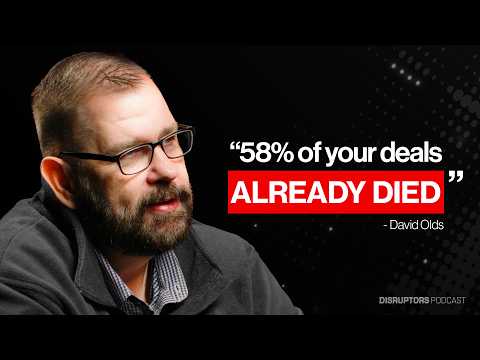
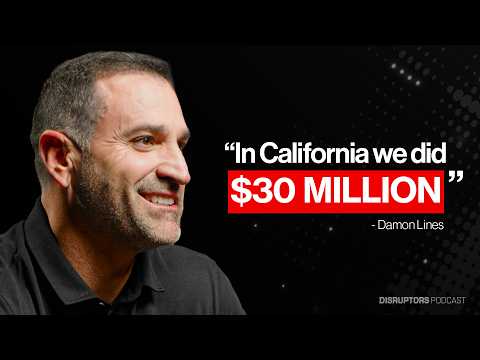
Key Takeaways
Creative finance deals have a much higher conversion rate than traditional wholesaling - instead of closing 1-3% of leads, you can double your conversion by offering creative terms to sellers who need retail prices
Sellers accept creative financing for three main reasons: they get more money, massive tax incentives (avoiding 1031 exchanges), and faster closings with no agents, appraisals, or inspections involved
The due-on-sale clause occurs in only 1 in 2,000-3,000 transactions and is typically caused by paperwork errors, insurance transfer mistakes, or reinstating mortgages too quickly in foreclosure situations
Use hybrid deals to structure creative financing - combine subject-to for existing mortgage balance with seller financing for equity portions, allowing you to acquire properties with little to no money down
Focus on building long-term wealth through property ownership rather than just wholesaling - calculate needing $75,000-$100,000 monthly income in 30 years to maintain today's purchasing power due to inflation
Quotable Moments
”“Creative finance has dominated in my world. I've made way more money in creative finance in an up market than I'd ever did with wholesaler fixing and flipping way more money.”
”“The value of anything is based on what you can do with it, not the purchase price.”
”“I don't personally know anybody that has retired from the wealth they built in wholesale or fixing and flipping. It always comes from holding properties.”
”“My biggest regret is every time I learn something new and I look back on the previous version of myself, my biggest regret is I was thinking too small.”
About the Guest
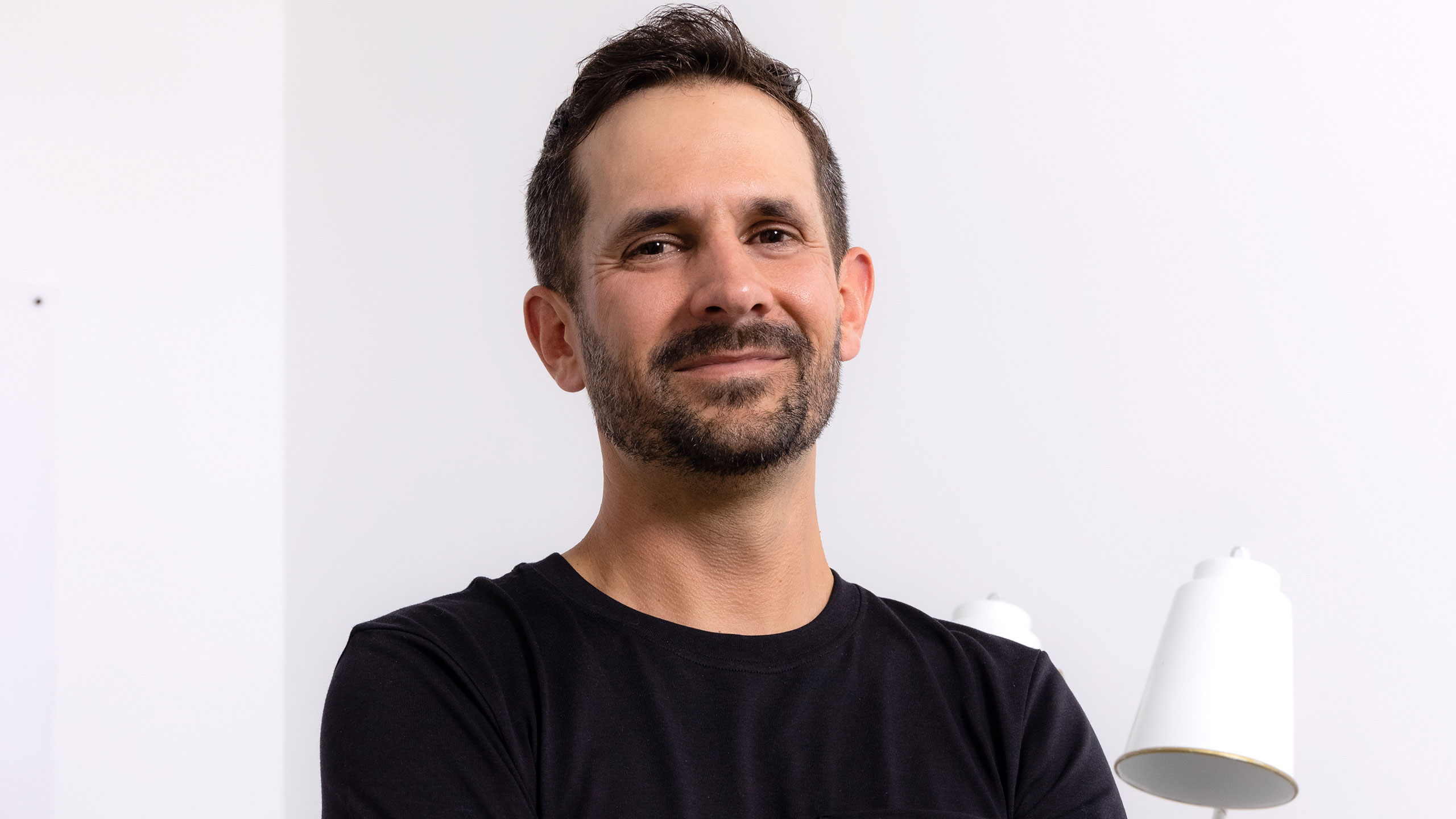
Pace Morby
SubTo
Full Transcript
14320 words
Full Transcript
14320 words
Speaker 0: His sales training is unbelievable, right? There is other sales training in theory. Going through this stuff with how he breaks down his business is, this is like invaluable, because there's no other way to get this type of like this type of access with someone who's such an open book about every little thing that is completely applicable to my business.
Steve Trang: Anyone who wants to bring that business to the next level, anyone who wants to close thirty, forty, 50% more of the deals, I mean, there's no one who wouldn't benefit from being better at sales.
Speaker 2: I mean, anyone in real estate, anyone, I mean, anyone that has any entrepreneur that has a business, not all the information may be pertinent to you, but time management, knowing how to work with people, having sales skills, because I think we're all in sales and marketing, and it could pertain to anybody, honestly. I would have to say it's asking questions. That's the biggest thing. You don't wanna give an answer right away. And if you're able to, answer their question with another question.
And also that along the process, it's gonna be very uncomfortable talking to the sellers, asking the questions that you need to and digging for paying, but that's gonna come with experience. So if you're struggling, I think this is David that you need to come to to make sure that you take your business to the next level.
Speaker: Hey, that's a good question.
Steve: Alright. So we got a whole bunch of questions to go through, but I'm gonna start with, this one here. It was a newer one, but I think I don't want to forget this at all.
Pace Morby: Can I ask can I ask a question for to myself and then answer it just quick? I it's the most important question of the night. Sure. And then we got we got I'll go to that one. Why would a seller sell to you on Creative Finance?
K. Why? I've got a YouTube video coming out, that names the nine reasons why this big multifamily deal that I'm buying in Texas. The seller gave me zero down, 4% interest, fifty years to pay him off. Why would a seller do that?
Why would a seller do that? It's probably the most common question. It's like, why would a seller let you take over payments? Why would a seller give you seller finance? Reason number one is they get more money.
It always comes down to the money. They always get more money. Number two, especially in seller finance, this seller on this multifamily deal that I'm buying, the seller says, PACE, I'm retiring. If I sell this multifamily deal right now, I have to ten thirty one exchange into another asset. I don't wanna buy another asset.
I'm done. I wanna retire. I'm leaving everything to my children. So the smart thing for me to do is just to charge you an interest rate and let all those payments go to my children even after I pass. So tax incentive.
Mhmm. The sellers don't have to do a ten thirty one. They can they can get massive tax incentive by selling a property to you on on Creative Finance. The sellers will make so much more money selling to you on seller finance, which is why when you jump into the multifamily space, a lot of sellers are willing to sell to you on seller finance. They're more savvy.
Right? Number three. I'll give you a third one, and then we can jump in. There's six other ones. We'll leave it to the YouTube video when you guys decide to go watch that.
But the third reason is because there's no agents involved, typically. There's no appraisals. There's no inspections. There's none of that kind of stuff. And I can close on a transaction without inspectors, without a credit check, without anybody else getting paid in the transaction.
I can just work directly with a seller, pay a title company, be done with the deal, and and own it. So in every aspect, a seller makes way more money in every aspect of creative finance than they would with cash.
Steve: Right. Alright. So the question I wanna make sure I don't forget to ask right here, Rick Dot, is what's the best way to learn all about these different methods of creative finance if you're a beginner Mhmm. Through real estate investing?
Pace: My YouTube channel. There where I'm the number one YouTube channel on YouTube for creative finance. Number one. Mo most subscribers, most videos, most in-depth stuff, me talking to sellers. The second place I would go is go to my free Facebook group.
I have 5,000 students that are helping out 50,000 non sub non sub two students in my creative finance with PACE Morby Facebook group. I've got people making hundreds and hundreds of thousands of dollars in that Facebook group just doing deals with each other.
Steve: Yep. And then Candace Anew wants to know who mentored you.
Pace: My dad, my mom, probably about 10 creative finance people, Mitch Stephen, Ron LeGrand. Not as a mentor, but we've become friends over the years, and we'll trade notes and all that kind of stuff. Eric Sage. I Eric Sage and I will voice memo each other all the time. Like, hey.
We're I'm about to do hypothecation on this 10 button blah blah blah blah blah blah. Like, stuff that mostly would melt people's brains of, like, what we're doing. You know, I have people that I collaborate with in the creative finance world.
Steve: Yep. Alright. So on Facebook
Pace: Eileen Brown. Shout out Eileen Brown. Honestly, Eileen Brown has probably been one of the most helpful people. Mhmm. I understand paperwork on creative finance better than anybody on the planet, and it was because of Eileen Brown.
And, actually, shout out to you. I was having an issue with a with one of my attorneys on the paperwork. I was using an attorney in Texas for about two years, And then you introduced me to Sean Saint Claire. Mhmm. Sean Saint Claire writes all the contracts for all of our sub two seller finance, novation agreements, all that stuff.
He's he's amazing.
Steve: Yep. There you go. So on Facebook, Diego wants to know, I got a VA loan zeroed down to a Quadplex. I wanna milk the Scott Fair as many times as I can. What do you see people do with VA loans?
Pace: In terms of acquisition or going and buying more properties? The challenge with you as if you have the if you have VA, you have the ability to go get a VA loan. Right? You're a veteran. The veteran association will give you a certain allotment of how much money they'll give you.
So let's say that some veterans, they'll give $500,000 to. So you can go buy two properties at $2.50 with zero down on a VA loan. You can actually have two VA loans. Right. But if you go and get some house at half $1,000,000, you're gonna eat up all your VA credits for on one property.
So if you're talking about acquiring and going and getting a VA loan, that's as much as you can milk that cow for. However, I buy a lot of VA loans. One of my best deals I've ever done was a VA loan where the seller's like, I got a job opportunity in Colorado. I live in Vegas. I have no equity in this deal because I put zero down on it when I bought it.
And if I sell it, I'll have to cut a check for $30. I go, let me just take over your payments. It's one of my best producing Airbnbs right off the strip in Vegas.
Steve: So, VB Homes of Texas. How do you write up a JV agreement or a collaboration?
Pace: I have a JV agreement that I give to all my students. I these are the great things about having a mentor that's actually in the business that when I do something or I create a document in my business, I give it away to my students. So I would suggest in the side chat, find my students, collaborate with them, and and have my students help you out.
Steve: A
Pace: JV agreement written by an attorney is probably gonna cost you a thousand to $1,500. And then finding an attorney that even understands what the hell that even means is gonna take you a month. Yeah. So save yourself the time and the energy. Take the money that I've already put into the thing and leverage my community.
Steve: Isaiah Navaros wants to know, if he has if he has no experience wholesaling and doing creative, how does he prove to a seller that he's credible?
Pace: Collaborate with somebody that knows what the hell they're doing. I this is one thing I do for my students. So I call sellers for my students. Now my students are so good. They call students for they call sellers for each other.
Mhmm. Right? You saw Muneeb and Daniel Quijano in the Closers Olympics are not are my people not the shit. Mhmm. They're the shit.
Steve: They're good.
Pace: So I
Steve: mean, Daniel's alright.
Pace: Daniel's phenomenal.
Steve: I know he's watching.
Pace: He yeah. He he probably is. So, and Daniel and I are doing a deal right now. I'm closing on a deal with him tomorrow with him tomorrow. So I created leaders so that we could change the face of this industry.
People that learn how I close sellers by watching me close their sellers Right. Are now turning around and saying, hey. Anybody that's out there in the open world, a non student, I don't give a shit if you joined sub two or not. Mhmm. Oh, dude.
We're we run deep. Yeah. We run deep. We're everywhere. There's not a city that we're not strong in.
And so if you are out there, then find a sub two student, collaborate with and go, how can I leverage your credibility that you have? Because what I give my students is I give my my proof of funds from my actual bank account. Mhmm. If a seller or an agent says, well, I wanna talk to the person who owns this bank account. I personally get on the phone with that agent or that seller and say, yep.
I'm j ving or I'm funding the deal or what whatever it it is. I give them all of my credentials, my real estate owned schedule that shows all the real estate I own, and I go, here's all public data showing that our group is credible. Go leverage my students. My students will give that to you. So you you can skip the line.
That's a that's a thing that I used to have too. It's like, why would somebody listen to me? Yeah. Well, then go collaborate with somebody that has the credibility and go do a deal with each other. Cody Barton, my partner, the first deal he ever did, he collaborated with a guy named Frank that Frank and Cody's like, why would anybody listen to me?
And Frank, who's still one of our cash buyers here locally, told Cody, he goes, don't ever let that be an excuse of yours. Leverage and borrow my credibility. And if you run into a situation you can't overcome, call me, and I'll talk to the seller.
Steve: And then, Pace and I have had private conversations about this. I tell him he's the he's my favorite cult leader.
Pace: Oh, yeah. Yeah. You know the root word you know the root word of culture is cult. Right. We have the strongest culture in all of real estate.
And you can call it for whatever it is, but I can tell you that our success rate is incredibly high. We have a powerful community of people making a lot of money together, and that if it's a cult, it's a cult. Yeah. Let me sign up.
Steve: You already did. How do you take over liens like a city taxes over sub two? That was a question from Moni on YouTube.
Pace: So this is an interesting thing. People don't understand how simple it is for you to actually buy a property from somebody. You guys know that there was a point in history that title companies and escrow officers did not exist. Right? Like, you guys know that that's actually, like, the greatest you own a title company.
I own title company. Shout out to you. Again, you paved the way for me to go own title companies. And now Jamil and I are going and grow we have a brand called Complete Title and Escrow. We'll have 200 branches in The United States in the next, probably, five to seven years.
So it's the greatest scam of all time, bro. Like, yeah, I'm gonna charge you my escrow officer's fee. Mhmm. But then I'm also gonna charge you insurance to make sure that my employee did their job properly. Correct.
It's the greatest business ever. So that was created by some guy. I don't know who it was created by, but it was created. Before that ever existed, the way you traded real estate is the same way you trade real estate today. You just don't see it.
All I have to do is I have to have a one piece of document called a deed. Steve signs his name as the seller. I sign my same name as the buyer, and we go and record that at the county recorder's office for $17. And I'm the new owner of his property regardless of what he owes, who he owes it to, and how much he owes. It doesn't matter.
I can literally take over any property right now. Whoever asked that question, what's their name?
Steve: Mony.
Pace: Mony, I could fly to your house right now, meet you on your doorstep, have a deed signed by you with a notary. Notary would have to be there with us. And I would then take that piece of paper, one single piece of paper, walk down to a county recorder's office, pay $17, and I'm I'm now the owner of that property. I don't need a title company. I don't need an escrow officer.
I don't need a closing attorney to buy any real estate in the country, any state.
Steve: The $17 now?
Pace: It's probably more than that. I don't know. Inflation, guys.
Steve: When I was doing it back in my day. Right?
Pace: It was, like, $6. So $8. $8.
Steve: It's been a while since I had to drive down in recorder's office. Alright. So, Ayo on YouTube, from your experience, what is the most common motivated seller scenario where they're willing to accept zero down with monthly payments?
Pace: So zero down with month monthly payments would be a seller that has no equity subject to Mhmm. Or a seller on seller finance that you pay full retail. So they go they go, okay. Great. I got full retail.
Perfect. I'll give you pay I'll give you zero down and and just monthly payments.
Steve: On YouTube, Darius, when do you know when you should keep a deal, say, for cash flow, or when should you sell it? Is the exit always determined before you ever make the deal?
Pace: The exit is always determined by the buyer. And so this is something I wish I knew too is that a lot of people, especially in my community, they don't they gotta remember something really important. Real estate is a lifelong pursuit. K. Let's look at, like, a Grant Cardone.
I bring him up because he's well known. Whether you like him or you hate him, I love him. I think he's the one of the greatest marketers of all time. He has $6,000,000,000 $6,000,000,000 in multifamily real estate under management right now. How long did it take for him to get there?
Thirty years. He did single family homes for multiple years over ten years, and that builds momentum. So you gotta remember, real estate is a lifelong pursuit. Stop worrying about needing to be retired next year. Right?
Stop that. So what happens is a lot of times, the buyer, whoever runs into the deal, they're so thirsty for cash flow and financial freedom, which cash flow provides financial freedom, that they will put themselves in a situation to take on an Airbnb or rental that they're not equipped to take on.
Steve: They're trying to rush it.
Pace: They're trying to rush it. So So in that situation, if you don't have money in the bank and you don't know how to manage a tenant, then take that deal and wholesale that shit to me. I'll pay you an assignment fee. Put money in the bank. Keep doing repetition.
Repetition. By the fifth time or so, sixth time, you see how the paperwork works. You see how this whole process works. You go, alright. Now what I advise my my students is the next phase is for every five deals you wholesale, buy one deal and put it in your portfolio.
And you'll get to a point after a year, maybe two years, where now it's like, I'm gonna do five deals. I'm keeping four at wholesale one, and that's the phase I'm in right now.
Steve: Yep. So Ingrid wants to know
Pace: Love Ingrid. Doing a deal with her right now. That's awesome. Ingrid Ingrid is on fire. She did she did a Morbby method.
She's done sub two deals. She she's doing great. And she came from the real estate agent world. She's amazing. I think you know Ingrid.
Steve: I do. I do. She's a a recent, signee, under us at at Real. So really appreciate that,
Pace: Ingrid.
Steve: Love it. So do you think SubTel is safe is a safer bet for investors and innovation?
Pace: Yeah. I actually literally did a live about this about an hour before I drove over here. I had a student named Melissa Smith. She got her first subject to deal, and she says, I don't know what what route to go. So should I turn this into an Airbnb?
And I go, well, Melissa, if you turn this into an Airbnb, then the capital that it required, the entry fee that it required to get into that deal, you're gonna have to go raise that money long term.
Steve: Mhmm.
Pace: And you're kinda newer, so you're gonna have a a hard time establishing that relationship with a private money lender that would be willing to keep that money in the deal long enough, or you gotta partner with somebody and split it fifty fifty. If I were you, I would actually buy it subject to, take it retail. This is why I call it subtale. That was a thing that I created years ago, subtale. Buy it subject to, take it retail because there's $40,000 in net profit on the deal that now the next deal you run into, you've got $40,000 to put into, and you don't need a partner, and you don't need private capital.
So the safer way to go in any regard when you compare Novations to SubTail, 1000% of the time, it is safer to go subtail because you actually own the property with a subtail. And in a in a novation agreement, you have so we do a lot of novations. I have two novations going on right now. I have more subtales going on than I have novations because a novation the advantage to a novation is I don't have to buy it upfront. I don't have to ever take title to us.
So I don't have title fees and the scam of the title insurance and all that all that kind of stuff. Always get your title insurance. Make sure you pay pay me and my company and Steve and his company title insurance is great. So I don't have to pay for any of those things upfront.
Steve: Mhmm.
Pace: And innovation is really enticing because if you have a a really skinny deal, a novation agreement can save you anywhere between 10 to maybe $20,000 on a fix and flip that justifies you out beating in somebody else's your competition or your seller's just not willing to go down to number. A novation agreement can can get that done. However, you don't hold deed on a novation.
Steve: You do
Pace: not own that property. Your agreement and how you do your paperwork on a novation is what keeps you you safe. Whereas on a sub tail deal, what keeps me safe is that I'm the owner, and there's nothing you can do about it. Right. So if the seller changes their mind mid process, I don't have to sue them, which I've had to do on novation agreements, a sub tail.
I have a seller that's like, hey. This sub tail is taking a little bit longer than we thought. I go, yeah. Well, it's hard to get a labor. Well, it's gonna take thirty more days.
They go, well, I'd like to just maybe, can I get a little bit more money because it's taking more time? I'm like, you've already been paid. Why are you even calling me? Yeah. But in a in a sub tail, it's your property.
They can't do anything about it. In innovation, if a seller decides and they see how good of a job you did on the renovation and how much you're listing it for, what do you do when a seller says, I'm not gonna sign anything until you, pay me an extra $25,000.
Steve: Yeah. Your recourse is very little Right. In in that in that regard. Susan Fleming. Have you ever dealt with medical liens in I'm guessing I'm presuming here in the question of the context of sub two?
Pace: Yeah. My, in sub two. Yes. I've negotiated liens from a $110,000 down to $1,500. Mhmm.
One of the first deal I ever did with Cody Barton, we bought a deal for a $110,000 on Wolf Street. Desiree was my seller. She's now my private money lender, has been my private money lender for nearly four years. We bought that property, and we go open escrow, and we find out she has a $110,000 baby mama lien or a child support lien from the previous owner because she bought it on a quitclaim deed. Got it.
And so I had to go negotiate that, get it down to $1,500. So I have, here's the liens that I currently own subject to. I have two IRS liens. I have two air conditioning liens. So people that bought an air conditioning unit in Arizona, we get we have like, it costs $12 to get a really nice air conditioning unit here like a Trane, and people get them on payments.
Right? So the pay the people who own the house went and got a Trane unit. The, installer charged them $12 and gave them credit. So they bought their air conditioning unit on credit, and then I took over their house and the air conditioning unit all subject to. So I have a payment to the house, and I have a payment to the air conditioning unit subject to.
Steve: Right.
Pace: You can take air conditioning units, IRS liens, child support liens. I have a county a a property in Dallas, Texas. I'm taking over a a county lien, like, a a little, like, issue they have. I've taken over HOA liens. I don't currently have any HOA liens, but you can take over any type of lien subject to.
Steve: Are you getting those as exception on the title commitment?
Pace: Yep. 100%.
Steve: Got it. Daniel Kehana wants to know, when are you taking your shirt off?
Pace: I was naked most of the morning.
Steve: Actually walked in here naked.
Pace: Look at my Instagram. I walk around naked.
Steve: So one one eighty cash buyers, our team wants to learn from you. Paste there you go. So sub2.com, is that where they go?
Pace: DM me on Instagram, or honestly, I've built a community for a reason. I really want people to work with my students. I buy very specific deals. I'm at a point right now where I don't really wanna do deals with anybody that's not not a student. I have enough students Mhmm.
That we've accomplished building the greatest community on planet Earth. Go work with my students. They're the shit. Yep. You don't need to join sub two.
Don't don't join sub two. Go hang out with my students.
Steve: Rank Moola on YouTube. Yeah. I presume you're buying these properties in a land trust.
Pace: Hell no. Don't buy anything in a land trust. The a land trust is a is a common misconception in real estate that people believe that buying something through a land trust will help you avoid the due on sale clause. And it's not correct. Right?
People like they argue the Garn Saint Germain Mac and all this kind of stuff. There's, you know, a a camp of people that believe land trusts are great, and there's a camp of people that don't really care for them. Mhmm. The people that believe land trusts are great also sell land trusts. K?
It's a business, guys. People are like, use a land trust because they own land trust companies. Okay? Land trusts are beneficial, but they should not be meant or they should not be utilized if you're just trying to avoid the downside.
Steve: Be deceitful.
Pace: Yeah. Don't be deceitful. And here's the other reason why I never got into land trusts. Steve's trying to get out of here, by the way, guys. If if you guys
Steve: want not trying to get out of here.
Pace: Oh, you're not? Okay.
Steve: No. Perfect.
Pace: We got three more hours, guys. Just kidding. No.
Steve: So we got twenty nine more hours.
Pace: In Arizona, if I buy a property in a land trust, Arizona will not issue me title insurance without naming the beneficiary of a land trust. And so here, people are using land trust because they wanna shroud or hide who the actual owner is, but I want title insurance. Mhmm. And so in state of Arizona, when I was buying my first deals, I would go to my, escrow officer and say, I would like to buy this in a land trust. She's like, why?
I'm like, because that's what people tell me that I should do.
Steve: What the experts say.
Pace: That's what the experts say. She's like, let me guess. Are they the ones selling you the land trust? I go, shit. Yeah.
So yeah. And I learned, especially in Arizona, because we can't get title insurance when you buy through a land trust that I just always bought through an LLC. And, then I just did it nationwide, and I just through practice, I was like, oh, land trusts are not really meant for buying. They're meant for buying real estate, but they're meant for a different purpose than hiding due on sale costs
Steve: for estates. Yeah. Warren Adcock wants to know. He's a student Yeah. Of yours, and he's trying to stop foreclosure.
Is he still able to talk to your transaction coordinator?
Pace: So here's the thing. This is why sub two is so strong. We have 21 support calls a week. 21. I not not one.
Not 2. 21. And one of the support calls we have every single week is transaction coordination on Saturday mornings. We teach our students' wives or students that you know, it's funny thing, guys. If you're if you're in real estate, I'm gonna tell you right now, real estate might not be resonating with you because all you're hearing is cold call and text and bandit signs and doing all that kind of stuff.
There's personality types that you should never cold call, and I'm one of the few people that will tell you this. You should never text and have to negotiate. Some people are actually meant better to be transaction coordinators. Mhmm. So we train our a lot of students, male students will come in and go, I wanna get my wife involved in the business, but I don't know what to have her do.
I go, we'll we'll train her every Saturday for two hours every day, every Saturday on how to be a transaction coordinator. Last week, my wife, who's the greatest transaction coordinator in my opinion, came in and taught my students how to stop and extend a foreclosure on a live deal. So if you are a student of mine and you're not coming into my support call on Saturday where my wife teaches people how to be transaction coordinators, Caleb Christopher, who is one of my leaders, is teaching people how to be transaction coordinators, stop foreclosures on real deals, then you're not leveraging, this absolute amazing bonus stuff that I do every week for you guys.
Steve: Gee, Swag. Can you create a finance, a probate house?
Pace: Yeah. What here's a better question. What can you not create a finance? Literally, there the answer is nothing. You will hear me talk about, like, reverse mortgages where people will come and go, pays.
Can I sub to a reverse mortgage? The answer is absolutely yes. But the challenge with the reverse mortgage is that a reverse mortgage, they are originated and, issued to the borrower for the sole intention of taking that property back. Right? Reverse mortgage companies are unlike regular mortgage companies that they actually want that property.
Their profit is when that person passes away and they're no longer there. So in a reverse mortgage, as long as the seller is still alive, I will take a property over subject to. But if somebody, you know, their parents just passed away and they come to me and go, hey. I just inherited my parents' house through probate. I don't know what to do with it.
I go, I'd like to buy it subject to. And they go, okay. Well, it's a reverse mortgage. Is that a problem? I go, yeah.
I don't want it. Because they're already passed away. So the reverse mortgage company is gonna come in and go, we demand ownership of that property. We want our money.
Steve: Right. Here's a question, from YouTube. Majdi.
Pace: Maj is great. Out of Colorado. Handsome guy. Long hair.
Steve: As a newbie, would you would you recommend purchasing a property via a lease per a lease option and Airbnb it cash flow as long as possible before exercising the option to purchase the property?
Pace: Great question. So, here here's what I advise. I don't like lease options when you acquire. Mhmm. Because what does that what does that mean?
It means that you're not the owner of that property. However, I also will argue on the other side of that. It's like, who gives a crap? If you're making cash flow and you have you're active in real estate, then that's better than saying don't buy it on a lease option. A lease option, you're not the owner.
And if you decide to execute your option on that contract, you have to go out and obtain financing. And if you don't have the ability to obtain financing and you're sitting here spending money on furniture and getting things this thing all decked out, you're gonna put yourself in a shitty situation. Yep. So I tell people that look. People that do Airbnb arbitrage and acquire and lease options in about their second year, they come into my group and they go, I should have never done Airbnb arbitrage, and I should have never done lease options because now all the people I've I bought these from or I've done deals with, they all wanna sell them, and I have no ownership in any of these properties.
Yeah. The purpose of real estate, guys, is not just the cash flow. Cash people get so drunk with the thought of cash flow. We have we we make hundreds of thousands of dollars up in cash flow. It's great.
But people are so enamored with the thought of it because they wanna quit their job that they hate. That's the number one thing. Outside of cash flow, the real reason you wanna buy property is to compound wealth.
Steve: Right. Create wealth for yourself.
Pace: How did I go from zero to a 150,000,000 in assets and my net worth is stupid? It's stupid. Like, if you really thought about you looked at what our real estate has done in just a matter of, like, thirty six four to forty eight months of, like, really being serious about acquiring properties, it's like, that's where real wealth is built. It's your tenants. I do people go, what do you think what do you think real estate is?
I go, it's called crowdsourcing your retirement. Everybody else is paying for me to retire except for myself, and that's my tenants, my Airbnb clients. That's, you know, my sober living houses, all that kind of stuff. They're paying for my retirement, not me.
Steve: So a specific example here from Eller and Perez on YouTube. How do you structure a deal if the purchase price is $2.40, they owe 40, and they're okay with you taking over the mortgage?
Pace: It's called a hybrid. So you'd it's the same way I bought my house. Go on YouTube and say, pay for me house. I bought my property for $3,000,000. $1,200,000 of it is what the seller owed.
So he had $1,800,000 in equity, and I took that thing over creative finance. $1,200,000 of it is subject to, so I took over the existing mortgage. I created a second mortgage for 1,000,000, so that's only 2.2. Mhmm. And then I created a consulting agreement for the remaining balance because I it's a go watch the video.
It's the most creative shit you'll ever see. But it's called a hybrid. Part sub two, part seller finance. We do it all the time.
Steve: So, question on YouTube, Michelle. What strategy would you offer a seller who wants at least a 100,000 more than Zillow Uh-huh. And, and the seller needs cash flow, so I was retired. It has minimum minimum income. I guess, like, I guess the question is, would you ever pay, whereas Yeah.
A 100,000 over Zillow.
Pace: Yeah. I have a property, I have a property on Maddox. Let me pull up the address so you guys can all go and pull it up. You guys can see it.
Steve: Well, I guess in this instance here so she they want a 100 k over Zillow, and all the comps on Zillow are 100 k less.
Pace: Yeah. That's that's that's fine. I I
Steve: You would buy the house 200,000 upside down?
Pace: Yeah. Depends. Right? Depends on what I get I get. The property is 75 Maddox Drive in Atlanta, Georgia.
You guys can go look look that up. 75 Maddox Drive. So, 75 Maddox Drive in Atlanta. It's right in Ansley Park. Seller I bought the house from them for 1,100,000.0, and the value of the property at the time was $9.60.
And properties in the neighborhood were actually selling for, like, maybe $8.70 to 900. So I paid a couple $100,000 over retail. But did I really pay $200,000 over retail? No. I structured terms Mhmm.
That over a year, two years, three years, that 200,000 I overpaid would be overshadowed by my cash flow and the appreciation, the depreciation, the mortgage pay down, etcetera. So how did I get into that deal? I gave the seller a small enough down payment that I turned around and I net cash flow on that property $8,000 a month.
Steve: Yeah. But I think in your instance here, there were some other extenuating circumstances where it made sense.
Pace: Right.
Steve: Right? So I said
Pace: The the question is, here here's a great way to look at anything. Steve, would you jump out of an airplane with no parachute if I gave you a $100,000?
Steve: It was on the ground.
Pace: Don't don't get to the punchline too fast. Sorry. Would you jump out? And most people, their answer is like, hell no. I would never jump out of an airplane.
Okay. Great. Would you buy a $100,000 house for a million dollars?
Steve: It had to be some extenuating circumstances. It just
Pace: be some crazy terms. So what if I told you that I would sell this $100,000 house to you for a million dollars, but all you have to do is pay me a dollar a month for the next million months?
Steve: Yeah.
Pace: Would you now buy it? Yes. Right. So the again, the purchase price the value of the property is not the purchase price. The value of the property is what I can do with it.
It. So the better question to ask yourself is, what could I do with this property? What is my income on this property? And then how do I go to the seller and say, how do I pay you less than what I'm bringing in? And that is how you structure a deal.
What start with what you can bring in. The value of anything is based on what you can do with it, not the purchase price.
Steve: So another question on YouTube from AO. If you're buying stuff to you, are you able to use your end buyer's down payment as down payment to the original seller?
Pace: Always. Yeah. All the time. But when you well, it's been same thing with when you're wholesaling. Right?
If you're wholesaling a contract in a cash world, a lot of broke ass wholesalers, which, you know, a lot of their I was a broke ass wholesaler too. Just call it what it is. A lot of times you're like, I don't have their earnest money. Okay. Well, you use your end buyer's earnest money.
It's the same thing in creative finance. You can use your end buyer's earnest money. You can use your end buyer's down payment. You don't have to be the you literally can do all of this without any money in your pocket.
Steve: I think some of it has, is subject to state. You don't think so? No. I'm just thinking as far
Pace: as, like ran into that.
Steve: And I could be completely wrong about this. Right? I I was just thinking as far as the context, like, there are certain states where you can never use the the buyer's, funds to purchase.
Pace: Okay. But you could structure it differently where you do a JV agreement with your buyer, and you and your buyer end up are buying the property together, and the buyer then issues the earnest money a different way. There's always a way around it.
Steve: Yeah. Mauricio, wants to know, on a substitute deal, how do you answer a seller when they say that the mortgage will still show up as debt on my credit?
Pace: I don't I don't have to ask this. I don't have to answer the seller anything because I tell them that right up front. Mhmm. I I tell the seller that faster than they could ever ask me that. I go, okay.
If we buy this property, we're gonna buy it where I take over the existing payments, and the mortgage stays in your name.
Steve: Yep.
Pace: And I tell them that right out of the gate. I don't hide anything. Like, the first thing that I say, if you ever watch my, go watch. I just posted two days ago a foreclosure with a seller that I just closed on. It's an FHA loan.
This is super tricky. This is some shit that most people don't do. It's an FHA loan. I self performed the paperwork, which means we did not use a title in escrow business even though I'm sad that we didn't use title insurance because I would have made some money there. But, FHA loans subject to sellers and foreclosure, and, I actually have the full conversation on my my YouTube channel.
And you will hear me tell the seller, we are going to stop your foreclosure, and here's how we're gonna do it. We're gonna keep your mortgage in place so that when I make payments on that mortgage, it still benefits you long term so that you can turn around and buy another house faster because we're going to improve your credit by having a mortgage in good standing. Go watch the seller call. It's great.
Steve: Zoran Realty Group on Instagram. What percentage of the time do the banks call back the loans when seller transfer owner transfers ownership?
Pace: K. So I've had the due on sale clause happen to me five times.
Steve: Five? Yeah. Oh.
Pace: Three of them are students of mine. Two of them are mine.
Steve: Got it.
Pace: But I've I've been involved in five of them. I would say that it's probably one in, I don't know, two to 3,000 transactions you'll get a due on sale clause happen. It's always comes down to a couple things. It is you did the paperwork wrong because you're dumb. Two, you, transferred insurance incorrectly.
Or three, you reinstated the mortgage too fast in a foreclosure situation and closed the same day, so the mortgage the mortgage company ends up seeing that.
Steve: There you go.
Pace: I know I'm going I'm going really fast on this, guys. Normally, I would just I would deep dive on that one topic for an hour, but we don't have that much time.
Steve: So BMAC on YouTube, how much is your sub two mentorship?
Pace: It's sold out. Don't join it.
Steve: Loury Rios, how will this affect mortgage companies? I think that's an interesting question.
Pace: Oh, what do you mean? Yeah. That's a great question. What how will this affect mortgage companies? Here's how a mortgage company makes money.
Let's remind ourselves how mortgage companies make money. They're not in the real estate game. Mortgage companies are not in more in in the real estate game. They're in the lending money game. Right?
And what do they want more than anything? They want to make money when they issue a mortgage to you, so they call it origination points. Right? They make money right there. And then most mortgage companies take that mortgage that they created for you and they sell it to somebody else for an additional fee.
So they really they're they don't care. The people who originated the the loan don't give a crap. Now the person who bought that loan, they're in the business of receiving payments. They're not in the business of owning real estate. They're in the business of owning, or collecting payments.
So the only way this affects them is me paying their payments, make sure that their business operates properly.
Steve: Yeah. And I think that the fear that people have with, you know, due on sale clause and everything else don't understand how expensive it is for a bank to foreclose on someone. Yeah.
Pace: And the fact that it's not even their business model. Right? And if you guys go on go to my YouTube channel, type in pace morbi due on sale. I should have four, maybe five videos. I've actually called banks just to prove to people.
I'm I'm gonna do it next week on a live where I'm in the process of currently refinancing out one of my subject to deals because, we have so much equity in the deal. We're gonna refinance it. And what I'm going to do on a live is call the bank and actually try and get the due on sale clause called on myself, and I'll show you guys how silly the due on sale clause actually is.
Steve: Well and I think that's a fantastic video. But going back to, my experience when I was listing foreclosure properties, like, the banks, in order to foreclose on a person, has to hire an attorney Right. Has to deal with all the legal paperwork, has to hire a a servicer, someone out there, evict you, pay you to move out with cash for keys, hire someone to rekey the property, hire someone to maintain the property, and then pay a listing agent to sell the property. Like, to foreclose on someone is not like, hey, Payson. I'm gonna foreclose on you.
It's a 30 to $60,000 commitment on my end Right. To foreclose on you. Right.
Pace: Right?
Steve: So I think that And
Pace: it looks really bad on their books too. And that's the thing a lot of people don't understand is when you get into I used to be a loan officer. So I understood, like, a negative mark on a loan that you issued Mhmm. Is not a good look for your bank.
Steve: Right. Well, on top of that, if I take this property back, let's say, $200,000, I can no longer lend that $200,000 times nine. Right? So I I this 1,000,000 plus I cannot lend on right now.
Pace: Right.
Steve: So I think that the the do want sale clause may be a little overfeared. D Banks, how can I bring value to base?
Pace: Okay. So here's what I'm doing in my world, right now is I've paid off all all my private lenders that I have on my my I have hundreds of single family properties that we own all creative finance. I don't I don't think we own many I'd I'd say we probably own 30 properties that are were done with the BRRRR strategy, so we have traditional financing on them. 30. Maybe.
Steve: I'm surprised you made it past two. Yeah.
Pace: I know, dude. I hate I hate the BRRRR strategy. I I I I love the BRRRR strategy, but what I don't like about the BRRRR strategy is how I have to get three loans to do the same deal. The interest rates are it's volatile. BRRRR lenders are full of crap most of the time.
Steve: You love the idea. You just don't love the reality.
Pace: I don't love the reality going through it. And it's like when you do a sub two or seller finance deal and you realize it takes seven minutes to do a deal and a BRRRR strategy takes six months, it's like people are like, hey. I'm doing the BRRRR strategy, but how do I scale? I'm like, stop doing the BRRRR strategy. It's really hard to scale in that model.
It takes up a lot of cash, credit, credit I'll ask them. Anyway, what was the question specifically? Oh, how do I bring value? So I paid off all my private money lenders on all my sub two and seller finance deals on all my single family house. I have no private money lender.
I don't have one private money lender right now on any of my on any of my stuff. What I'm doing now is I'm going and buying apartment complexes with Creative Finance, and I'm raising capital for those with non accredited investors. I'm giving everybody an opportunity to spend give put a thousand dollars in and own a part of an apartment complex that I bought with seller finance. And what I'm doing is just teaching people how that process works. So we don't need your money.
We can raise money, but I wanna change the game. Like, we wanna teach people how to do this. And the best way to teach anybody to do stuff is actually do it with them and hold hold their hand through the process.
Steve: Daniel Nissom on YouTube. If you were 24 years old again with wholesaling as your business, what would you do differently?
Pace: If wholesaling is my business at 24 years old, I would learn how to look at every lead before you throw it away. Because the way I looked at wholesale when I was a home investor is I would say that '85 to ninety percent of my leads were trash right out of the gate. And then I had to fight for the other 8%, and I would really only close about 1% of my leads. Right? Something like that.
Maybe 3% of my leads. I would start adding questions and pivoting conversations, towards creative finance immediately. Start right now because creative finance has dominated in my world. It's like, I I've made way more money in creative finance in an up market than I'd ever did with wholesaler fixing and flipping way more money. And now with a a down market and sellers changing their mindset of, like, oh my gosh.
I will make even way more money. If you are not utilizing creative finance right now, you are gonna miss or you are already starting to miss the biggest tidal wave shift towards creative finance for the next thirty six to sixty months. So I would start adding questions of, okay, seller. If you want that much money, would you be willing to give us terms for that if we were willing to give you that price? Start asking better questions.
Go on my YouTube channel and learn those questions.
Steve: Mike Anderson. How do you feel about multifamily right now versus single family?
Pace: Here's the here's the truth about multifamily. People don't really understand. Guys, multifamily, it is it's like this thing that enchants people. They get so enamored with multifamily because it seems so cool. Guys, we own a lot of multifamily.
We just closed on a 408 unit deal in Charlotte, North Carolina, $109,000,000 purchase. We are buying probably another four to 500 doors before the the end of the year just through multifamily, all creative finance. But why am I buying multifamily? Because multifamily makes very little money for your first year, your second year, and your third year. Very little money.
In fact, you're breaking even most of the time. The reason why multifamily is a great play is because of the tax benefits and because of the compounding growth after the third year of ownership. So people are basically planting seeds. Multifamily is I'm planting a seed, and it's gonna be the biggest damn orange tree you've ever seen in about three years. K?
Wholesaling is like, I get money today. So that's why a lot of people will wholesale multifamily rather rather than go invest in it. Airbnb's, like, buying sub two and seller finance and turning those into Airbnb's. Does my daughter need to go pee, by the way? She's good?
Okay. Perfect. So, will you bring her in here and put her right here for a little bit? So with Airbnb with, like, wholesaling and doing Airbnb, I've I can get money in sixty ninety days, and I can get out of my job. If I go invest in multifamily and I start buy buying multifamily, guys, you ain't getting shit from that property for three years.
Steve: You know, I tried to explain this in the our debate show on part and disruption. Yeah. Got blasted for that. That's I wish I wish I had you on my, next to me.
Pace: Hey, guys. I own multifamily. It's it's two different it's two different plays here. It's like one for hey. Come sit right here, baby.
K? Just relax. Okay? My this girl is a firecracker, so you gotta you gotta you gotta let just relax. Okay?
Hold your arms and be chill. So, you are making an argument against multifamily or that it just is a longer play?
Steve: It's you don't buy multifamily for cash flow. You buy it for the tax depreciation and the stabilization to appreciate more so you can do cash out refis.
Pace: Right. You cash out refis and also bigger exits to a REIT.
Steve: Alright.
Pace: Right? A REIT REITs are so willing to buy these properties, and you're the other thing is, like, big massive companies that have a lot of money are competing with you in multifamily. You wanna get into multifamily and you're brand new? Good luck. Really, the only way to get into multifamily if you're brand new is to raise capital for other people's projects, which is a great talent and a a great thing to to learn.
But if you're trying to get into multifamily right out of the gate, you don't have today money, and and it really hurts. I I see a lot of people go buy 20 units, 30 units, 50 units, and they're like, hey. So I'm not making any money. I'm like, yeah. Because you should've well, Grant Cardone says don't start with single family.
If he could start all over, he would start with multifamily. Okay. But let's turn back the clock. How did Grant Cardone start?
Steve: Yeah.
Pace: Single family. He built momentum. He got cash. He he got experience. Multifamily alone just they have different terminologies, different brokers.
The brokers are smart. Yeah. They're not sellers that are in pain. These brokers will grill your ass. Most people don't even know what an LOI is.
Steve: We still have a bunch more questions here. But when crank.
Pace: Let's go.
Steve: I'm gonna ask you a
Pace: selfish more minutes.
Steve: I'm gonna ask you a selfish question here. Yeah. So I enjoyed Chris and I, we used me, you, and Chris, we used to run together. Yeah. Yeah.
Alright. It was great because you were, you know, no pun intended, setting the pace. Yeah.
Pace: Yeah.
Steve: Right? You were leading us. And you were just talking the whole time. It was great. Right?
We got it was like a running audiobook.
Pace: Yeah.
Steve: Right?
Pace: Yeah.
Steve: It was fantastic. For you, what was the value for you for running in the mornings with us at Discovery Park?
Pace: I can tell you that Steve Trang has been one of these people in my life that you show me what's possible. There's multiple things you've shown me what's possible, and you've been a beacon in my life of, like, oh, we shouldn't just be wholesaling. We should be owning title companies. Yeah. Oh, we should actually go create banks.
Oh, you have a brokerage? Bro, just being in proximity to you has made me millions of dollars, and I'm so grateful for you. This is, again, my favorite place to be. Being around you, I get energized. Even though you and I have different demeanors, bro, you you're so phenomenal.
So being around you and hearing what's possible and hearing what you are working on, in a way, gave me permission to do it myself.
Steve: Yeah. Appreciate that. So, Peggy, on YouTube, what is the kind of insurance you would buy for the due on sale clause? I think that's kind of a loaded question there.
Pace: I wouldn't buy insurance for a due on sale clause. It does exist. There's a company out there called Equity Assurance. I would never buy assurance or insurance for the due on sale clause. I would never do it.
Steve: Alright. Something's changed recently?
Pace: No. It's it's sorry. I would never do it now. It's because I know how to overcome the due on sale clause without that, and it's super simple. And I've been through the stuff, and the due on sale clause, number one, is like the boogeyman.
It almost doesn't exist. Does exist. It does happen. I've had the due on sale clause called on me. But I've also overcome every single one of them, and I know what the process is, and it's super simple.
Steve: Yeah. And, again, right, like, he's actively trying to have a due on sale clause called on him, and I am coming from the foreclosure world. I can tell you how expensive it is to foreclose on somebody. Wanna do it. So can you refinance subject to if a prop if a buyer tenant buyer is living there?
Pace: Of course. The thing the thing that's really interesting about this so I'll tell you another analogy that I have never told on your show. This is a really great analogy. So, Steve, do you use a a credit card to buy groceries? Of course.
Not a debit card, a credit card?
Steve: Yes.
Pace: K. Perfect. So you go to the grocery store. You have your American Express. You have, let's say, $200 in groceries, and you use your credit card.
Perfect. They transfer the ownership of those groceries from the grocery store Mhmm. To you through the cashier. That's called the escrow officer. That's the escrow officer of the grocery store.
K? So they're transferring the ownership, but how do they give you ownership of that groceries of those groceries? The receipt.
Steve: Yeah.
Pace: So the receipt in in real estate is called the deed. Right. K? Hold on a second. But American Express, they use their money for those groceries.
So who's technically the owner of those groceries?
Steve: Well, you on terms or finance.
Pace: There you go. So I actually just saw one of the biggest influencers of wholesale made a post on his Instagram the other day saying, I would rather buy things with cash because when you owe money to the bank, you're a slave to the bank. And I was like, that is so polar opposite of what any billionaire actually does. The bank is my slave.
Steve: Mhmm.
Pace: I am not the bank's slave. I'm using the bank's money and letting somebody else pay it off. So you own those groceries through the receipt just like you own the property through the deed. Someone made that claim? Yeah.
You you're a slave today. I'll tell you who it is right after. It's on their Instagram right now, and it's like, you are so intense.
Steve: Yeah. It's a it's an interesting perspective. I think that used the wrong way. You are the slave.
Pace: Yeah. That
Steve: is definitely not
Pace: If you're Dave Ramsey and twenty five years ago, you tried you tried to fix and flip houses, for a short duration, and you went and got adjustable rate mortgages like a dumbass, and you got burned through that, then I can see how you could see how debt is a a scary thing.
Steve: I say underinformed, but pretty much the
Pace: same. Underinformed. I'm sorry. That's a very intense way of saying it's dumbass. I think Dave Ramp 99% of what Dave Ramsey says is amazing, and I think that he's is probably one of the smartest people on the planet.
But what I don't like about what he talks about is he doesn't tell the full truth. Well, he
Steve: doesn't speak he speaks in absolutes.
Pace: And Yes.
Steve: And there there's a lot of nuance that does not all is nuance is us. Everyone is listening to the show. The 500 people right now, we're the nuance. Right. Right?
Pace: For Well, he he gave some advice on, his show about four months ago that said, somebody calls into a show and goes, hey, I'm trying to fix and flip a property, and I'm thinking about going and borrowing some money from a friend of mine to go fix and flip this property. Dave Ramsey's advice was, no. No. No. No.
No. No. No. Don't ever do that. What you need to do is go get a side hustle and go build up your own cash to then go fix and flip a property.
I'm like, do you know how long a a side hustle would take to go and fix it? Like, to get enough To
Steve: raise a $100, $200. Yeah. That's I
Pace: don't know about you, but when I die, one day of my life is worth a $100,000,000. I'm not gonna go spend twenty years to save up enough cash to do my first fix and flip. That's so uninformed.
Steve: So, Aaron Leets, thank you for the the the donation. So
Pace: He just donated $70 on one of my YouTube lives the other day. Thank you, Aaron. Means a lot.
Steve: What do you think about targeting expired listings right now for creative finance?
Pace: I love I love it. If I'm gonna go after creative finance deals, I'm going after expired listings. I'm going after foreclosure. If I want seller finance deals, I want, high equity or people have their houses paid off. Those are the four I would go after right now if I wanna target creative finance, except I don't target creative finance.
Steve: Right.
Pace: I take the same leads that all these knucklehead wholesalers are going out there and just trying to get a wholesale deal, and I get wholesale deals out of them. We get fix and flips out of them, and then we also double our conversion rate by buying creative finance deals out of the same set of leads you guys are getting.
Steve: What is the best way to go about that? I'm guessing he's asking about the channel and marketing.
Pace: MLS. So what I would do is I would go on the MLS or get Aaron, you're here in Arizona. Text me, and I'll I'll have my wife pull an expired listing list from what what would you get that? Monsoon or MLS?
Steve: Expired listings?
Pace: Yeah. Yeah.
Steve: I mean, when we were going really hard, it was a RedX, I think.
Pace: Okay. Cool. So RedX, go somewhere and get the expired listings. My wife says she can pull red expired listings on the MLS. And, I would personally, if I have no money, I would call those sellers myself, and I would say, this is my line that I say the expired listings.
I would say, hey. I saw that your house, was listed for sale, and it's no longer listed through an agent. What were you looking for on the market that you didn't receive? Yeah. And then let them talk, and they'll tell you what the heck happened.
Steve: So there is asking what time are we, where is the parking? What time do you guys run? So Pace has, was it turf toe from golfing too much?
Pace: Still have that problem, dude.
Steve: Yeah. So Face is turf toe, so he's not doing that anymore. And I play basketball now. So I I hated running. Like, the only reason why I went to go run was, a, my doctor said I was fat, and, b, I got to hang out with you.
Right?
Pace: Yeah. It was good. It was a good excuse for you and I spent a lot of time
Steve: with you.
Pace: That was
Steve: the only reason why we're running together. I still absolutely hate running, so now I play basketball. I'm an I'm an honorary Mormon. Right? I get to play with Brad Mortensen and Xavier.
Pace: Those guys are probably really, really good.
Steve: Alright.
Pace: So If you're Mormon and you can't ball, are you really Mormon? I would argue that you're not.
Steve: What is the zero to hero program? How does it differ from sub two?
Pace: Okay. So zero to hero is, my answer to when people say, how do I get started in real estate? I we created this challenge. By the way, my my daughter learned how to do wet willies. And so every minute when you're not looking, look what she does.
She licks her finger, and she then wants to put her finger in my ear all the time. Just just relax, baby. So the Zero to Hero program was us saying, why don't we put ourselves in a situation where we have to start literally from zero? Thank you. I I love you.
Thank you. And so last year, we had our audience in our Facebook group choose North Carolina. We had them randomized, like, where we we started. And we virtually started a brand new business, LLC, website, like, got VAs, all that kind of stuff. Said, in fourteen days, how much money could we make starting zero and trying to go to hero?
And so we documented that. We put that into, a digital program, and my partners, my partner Cody sells that. It's not my mentorship. It's just a digital product that teaches people how to get started at a very low price.
Steve: Victor, Verdonough, if you have a house up too
Pace: and On that, we're just real quick. What I'm doing with Zero to Hero now is I am now moving my family in, October to Tacoma, Washington for thirty days, and I found somebody who has spent $200,000 in mentorship programs and has never done a deal. And I'm moving to their town, and I'm starting from scratch with them as their partner, kinda like undercover billionaire. And that will also be called Zero to Hero where I'll livestream that every single day for eight eight hours every day and give that away to people for free. Just showing people how to actually do it.
So When people when people say how do you balance work at work life, this is how you balance work in in your personal life.
Steve: Victor Vidania. If you have a house up to you and the owner decides they wanna call the loan, what do you do?
Pace: If a seller decides they wanna call the loan?
Steve: Or the the person that sold you the house up to decided, hey. I want all my money now.
Pace: After they've already sold it to you? Yep. I have I'll show you. I have an email right now from a guy who bought it from four years ago that was sending me an e he sent me an email. He goes, when are you gonna pay this off?
I go, I'm not. We have an agreement. He's not the owner. This is something you need to understand. That seller is not the owner.
I have the deed. I am the owner. I own it. The appreciation, the growth, the the tax depreciation, the cash flow is 100% mine. That seller has zero rights over that property even if I use their American Express to buy those
Steve: groceries. Mike Anderson, $20 $20 donation. Thank you. And, Geraldo Pabon, $10 donation. Thank you.
He says to outrun all of us. I mean, that he'll he can definitely outrun me. I I don't know about your condition.
Pace: I think he could probably outrun me.
Steve: Yep. Alright. So, last question here is from Jamil.
Pace: Oh my gosh. My best friend. Can you say hi to Jamil? Did she's watching by the way, his Instagram post this morning was one of the funniest things ever. I'm watching it, and she goes, oh my gosh.
Jamil is so funny. Did you see Jamil's post this morning? Mhmm. Say hi to Jamil.
Speaker: Hi, Jamil.
Pace: So, dude, Jamil, shout out my my best friend. The number one collaborator I've ever had in my life is Jamil. On the TV show together, travel around the world together. He is so genius in the way he thinks. The the troll did you see the troll ad he just made?
Steve: Not a troll ad. No.
Pace: I personally think it's better than his Blue Genie ad.
Steve: It's Really?
Pace: Oh, it's so good.
Steve: Alright. He owes me a call. He no showed me last Sunday. We have our monthly accountability call.
Pace: We no showed last Sunday. Well, I know where he was. He was in Canada picking his daughter. Yeah.
Steve: I I'm not not disagreeing with that. I'm just saying a little notice would have been nice.
Pace: Yeah. Yeah. Yeah. That's
Steve: so, question, from Jamil for you
Pace: Yeah.
Steve: Is when are you going to pick up your mom from his house?
Pace: There was a so on our TV show, Triple Digit Flip, we're on A and E guys if you guys actually go wanna go watch that. But, I don't know how it started, but the the mom jokes started rolling out. We have about 30 people that run the TV show with us. And, the mom jokes started, and I couldn't stop. And now it's, like, it's overload mom jokes on TV set all day long.
Steve: Hence, you're gonna fly your plane to visit someone's mom.
Pace: Basically, yeah. I know it's the last question. K? But I I want I wanna Last question
Steve: from the audience. There's still some more stuff here.
Pace: Oh, there is. Okay. Perfect. Then I won't then I won't jump into my thing.
Steve: So maybe this will answer it, maybe not. I mean, the floor is yours. Right? So, I want you guys I want you to leave the listeners with a message or two. Right?
Guys, if you got value today, please like, subscribe, share, comment, get this out to as many people as possible because we really do wanna create millionaires. We do have our all day sales training in our office. Space got to walk around our office a little bit. Phenomenal.
Pace: Was it
Steve: I mean, was it helpful walking in our office?
Pace: Yeah. It's it's super helpful. I love your guys' environment. I I'm a person I'm a monkey see, monkey do type of person. Like, if I'm gonna try and learn something, I wanna be around a community of people that are doing it, and your guys' space is unbelievable.
By the way, my first mastermind I ever did was ran in this office. And, dude, like, your guys' space is, like, bar none better than anybody else.
Steve: Appreciate that.
Pace: Yeah.
Steve: So we have our live event next month in our office, and part of coming out here for the training is you get to walk around my office and talk to my team, my wholesale team.
Pace: Bro, that's what you mean? Yeah. I came in here, and Steve comes up to me and says, hi. And I haven't seen you in months. Yeah.
And we say hi. I give you a hug, which is always uncomfortable for you. And then I immediately go in and start talking to your team. I spent an hour talking to your team. I probably got a $100,000 of value just talking to your team.
Steve: Yep. So thank you for that. And, again, like, if you guys come out next month, you get to walk around my office, talk to my wholesale team, our traditional team, our media team, all of it. So, if you guys are interested, go to disruptors.com/salesdisruptors. Thank you, Muneeb.
Thank you, Gino. Muneeb should drop a $100.
Pace: Muneeb. Shout out, Muneeb. Okay? This is one thing that we've done really well in in sub two. Muneeb is a leader in sub two.
He has been since he joined. He also joined other mentorships. He he actually spent $60,000 joining other mentorships, and he had to go get a second position, like, a a line of credit on his home to go pay for these mentorships. Never did a deal. It wasn't that it wasn't in him.
It was that he was lacking the campfire and some like, a community to plug into that will actually help you. So one day, he DMs me on Instagram and he goes, hey. Thinking about joining sub two. You know, I really wanna hone in on this very specific skill. And I go, well, we have this support call every morning that does that specific skill.
Gets his first deal in, like, three days. The best deal that Munif has ever closed is that he found love, Francis, in my mentorship, and they got married. Oh. My students are getting getting married and having babies together, bro. That's that's how legit our community is.
Shout out, Muneeb.
Steve: That's amazing. And, I've said this to him before. He is the absolute best at mirroring I've ever seen. Yeah.
Pace: He's very good.
Steve: I'm I mean, I'm gonna say better than you. That's okay. Right? So, when he when he was on close Olympics, I mean, it was outstanding how great he is at Miriam. So, again, sell disruptors, and then we have partner disruption.
That's our debate show. We have it every Thursday. Where where
Pace: do they find that? How do they do that?
Steve: Same channel right here, real estate disruptors.
Pace: Oh, that's dope. Okay.
Steve: So last thoughts or two Mhmm. That you like to leave everyone with.
Pace: I know that I'm the sub two guy, and it benefits me to say this, but I told you guys, don't join my mentorship. I'm not saying this to join my mentorship. I'm telling you that sub two seller finance, novation agreements, lease options, wraps, all of the creative strategies, they are 10 times more powerful than wholesale ever has been or ever will be. I don't personally know anybody that has retired from the wealth they built in wholesale or fixing and flipping. It always comes from holding properties.
Now wholesaling and fixing and flipping is one of the greatest gateways into real estate. It's easy to get into, and I love it. And it's how I got into real estate as well. But if you wanna have true wealth, you've gotta hold property. I hate to say that because there are people that are like, I'm afraid of holding property.
Guys, retiring with a million dollars, $2,000,000, $3,000,000 ain't it. It ain't it. I'm telling you, when you get that kind of money, it ain't it. You will not retire with a million, 2,000,000, $3,000,000, etcetera. So do yourself this number.
K? Do this math really quickly. In a perfect world in thirty years, how much money do I wanna make every month net in my pocket? K? Some people go $30.
Okay. Great. So let's take into consideration that in thirty years, that will have to double because of inflation. So you have to actually have to make $60 a month to have the equivalent of today's 30,000. And then also if you're paying if you're receiving $60,000 a month to have today's equivalent of $30,000, you have to always take into consideration.
You have to pay the taxes on that 60,000 as well. So is your number really $30 a month? No. You have to be to a point where your income in thirty years, if you wanna retire that level, is, like, 75 to a $100,000 a month in income. Don't play small.
Think bigger. I can tell you the biggest regret I have in my life is every time I learn something new and I look back on the previous version of myself, my biggest regret is I was thinking too small. Yeah. And being around people like Steve Trang, no joke. In my lifetime, people like you, Jamil Damji, all the other people that we hang out with, Brent Daniels, I can tell you that in my lifetime, you and the people I surround myself with, I will probably add 2 to $300,000,000 to my net worth because of you and and those people.
So get around the right people, squad up, and stop playing small. Stop thinking small.
Steve: There it is. So if someone wants to get a hold of you
Pace: They can't.
Steve: They can't.
Pace: I okay. Here's here. You wanna get ahold of me? Go to Steve Trang's first real estate disruptors episode where I give my cell phone away.
Steve: There you go.
Pace: When you text me, text me your freaking name. Because the number one thing I get from people, and I send screenshots to Steve all the time
Steve: He does.
Pace: Is people go, is this Pace? I'm like, no. This is your mother, and I remind may I remind you that I taught you how to be more polite when talking to strangers? Please introduce yourself, sweetheart. Love your mom.
That's I literally have that copy and pasted, and I copy and paste that once to two times a day. So, guys, when you text me, please text me and say, hey. My name is Josh. I live in this area. I need help with such and such.
And I'm gonna tell you, I'm probably not gonna help you. My YouTube channel, we spend a lot of time on it. My Facebook group, I spend a lot of time on it. And more importantly, I spend thirty hours usually a week serving my community, my sub two community. Let my sub two community help you.
You don't need my help. You need my sub two students' help.
Steve: Your YouTube channel.
Pace: Yeah. It's How shit.
Steve: How do they find that?
Pace: Youtube.com/pacemorby.
Steve: Perfect. Awesome. Thank you.
Pace: Bro.
Steve: This is a blast. You're the best. Thank you all for watching. See you all next week.