Key Takeaways
Use the 'tool in your tool belt' approach when calling agents - position yourself as solving seller problems so they can earn their commission
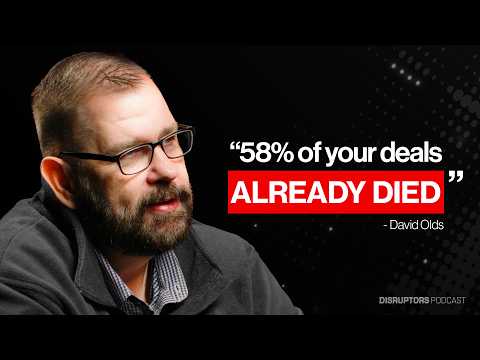
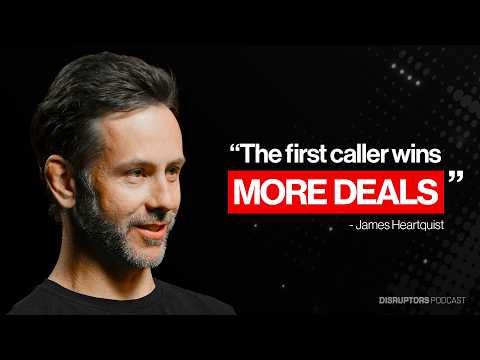
The person who gets the deal isn't necessarily who has the relationship, but who's top of mind through consistent follow-up
Follow up with agents every two weeks for years - consistent touchpoints create more opportunities than one-time relationship building
When scaling a team, match personality to job role first, then experience - hire confident talkers for sales roles and organized people for admin
Track specific KPIs like 30 conversations per day generating 6-8 leads to create predictable deal flow and identify problems quickly
Quotable Moments
”“Person who gets the deal isn't necessarily the person who has the relationship. It's the person who's top of mind.”
”“What I do better than anybody else is I solve sellers problems. So if you ever hear one where there are tax liens, there's it's in pre foreclosure. There's no equity. Whatever it might be, my goal is to be the tool in your tool belt that you use to solve that problem and get you your commission.”
”“Everything in the end is your fault as the CEO, as the leader of the organization. If the act manager isn't getting deals, it's your fault, not their fault.”
”“How dare you keep that to yourself when you could be teaching the world and helping others achieve that? How dare you keep that and be selfish and have mindset issues that prevent you from helping others achieve their dreams?”
About the Guest
Jonah Korchin
Assetla Investments
Jonah Korchin is a real estate investor and wholesaler who transitioned from being a Peace Corps volunteer to building a real estate business through micro-flipping and agent outreach. After getting his first deal through cold calling that netted him $9,900, he invested in mentorship programs with Astro and Sub2, learning both traditional wholesaling and creative financing strategies. He specializes in micro-flipping and has built his business around agent relationships and direct-to-seller marketing.
Full Transcript
20691 words
Full Transcript
20691 words
Jonah Korchin: Person who gets the deal isn't necessarily the person who has the relationship. It's the person who's top of mind. Absolutely. That's really who it is. So, like, even realtors who are like, I've been in the business thirty years.
I have re I have investor relationships off the wazoo. I'm just the guy who texts them right when they get the listing agreement. They're gonna be like, okay. Send it.
Steve Trang: It's easy. Hey, everybody. Thank you for joining us for today's episode of real estate disruptors. Today, we have Jonah Korchin with Assetla Investments, and Jonah flew in from Denver, Colorado Talk about how he's doing a million this year through micro flipping and agent outreach. Now I'm on a mission to create a 100 millionaires.
The information on the show alone is enough to help you become a millionaire in the next five to seven years. If you'll take consistent action, you'll become one. And the show is brought to you by our sister company, Investor Lift. Get access to millions of cash buyers across the country. Go to investorlift.com, put in disruptors to get 10% off.
And, guys, if you get value out of this show, don't keep us a secret. Please share. Please subscribe. Let other people know what you're learning here. That way we can all grow together.
So you ready?
Jonah: I'm ready as ever.
Steve: Alright. Cool. I'm happy. So what was your life like right before you got into real estate?
Jonah: My life was kind of a mess. I mean, I so here's my story. So I graduated college, went into the Peace Corps, and then COVID happened. So, basically, Peace Corps, sorry, I got into I left the Peace Corps, and then I was kinda lost for a while. Right?
I was a little bit lost. I always had this entrepreneurial vision and dream of, like, what I wanted to do. I did all sorts of different stuff. So I did, like, you know, Gary v. Have you ever seen his, his, like, flipping garage sale stuff?
Yeah. I did that. I did, like, a lot of side venture stuff where I'm like, this is not gonna make me rich Mhmm. At all. This just isn't gonna make me rich.
I eventually go to a real estate investor meetup, and I learn about wholesaling. And once I learn about wholesaling, I'm like, wow. This is it.
Steve: Yeah.
Jonah: This is the best business model ever created ever. I don't need any money. Mhmm. I don't need to be Steve Jobs and create a product. I just need to be able to relate to other human beings and solve their problems and then sell a contract.
I knew I could do that. Yeah. And so I was, like, very lost, not sure what to do. But then when I started hearing about wholesale, I'm like, that's the one. That was the business I was looking for and just didn't know about it.
Steve: So you went to college Mhmm. For what?
Jonah: Econ and PolySci.
Steve: Okay.
Jonah: Econ helps. PolySci, not really. Like, a little bit, but not
Steve: really. Yeah. And then you went to the Peace Corps. Mhmm. So you were saying you're a loss.
Mhmm. And you're you're basically trying all these different things.
Jonah: Yeah. It was like stocks, flipping, like, garage sale flipping, like, all the sorts of things where I'm like, how can will this how in the world is any of this gonna actually make me rich? The issue with stocks is it takes a long time to make money. Cross sale flipping, that's impossible to scale. Mhmm.
Right? And, like, you're not gonna make that much. Right. There's still funny enough in my mom's attic. There's still a bunch of stuff out there to this day.
But
Steve: Okay. So then you go to this meetup. You're saying this is right around COVID?
Jonah: It was literally right before COVID. I got the timeline wrong. It was, like, literally, I go to the meetup. It's maybe March 2020, and I think April or May was when it, like, everything started shutting down.
Steve: Mhmm.
Jonah: So it's like, literally, like, COVID's starting to get into the news, but there's no laws that have passed or anything.
Steve: Mhmm.
Jonah: And I just start learning about real estate right then.
Steve: This is in Denver?
Jonah: This was in California. So I'm from California. I moved to Denver a year ago Okay. Just because I wanted to, and I can do whatever now. But, this was in California.
This was in San Francisco. So, yeah, like, it's it's I'm starting to learn about wholesaling and then, and then COVID hits. And honestly, for me, I feel like that was one of the best things to happen for me in my journey because it forced me to not hang out with any of my friends who are not entrepreneurs. Right? Because I was living with my parents.
They're I mean, they're not, like, insanely old or anything, but they're old enough where I was a little worried about COVID, like, giving it to them. So I just was like, alright. Well, this seems to be the perfect time to just grind. So yeah. I know.
Anyways, that's how I started, and that's how it went.
Steve: Okay. So what did you do? You go to the meetup. I'm gonna wholesale. What'd you do after that?
Jonah: So immediately, I start going on YouTube. Right, like, I hear about it. They talk about wholesaling, and they say, look it up, go on to YouTube. First person I find is Max Maxwell. Is this the first one?
I think he was really blowing up at that time. Reach. Yeah. He had, like, the biggest reach, especially in 2020. So I was just, like, watching a ton of his stuff.
He was talking about driving for dollars and cold calling and different stuff. So I was doing so I started with just driving for dollars. I had a really, can I swear? I don't know if I can swear. I'll I'm just worried.
Bad. A really bad Scion x a a 2004 Scion x a that was,
Steve: just That's not the box. That's the
Jonah: It's basically a box.
Steve: Okay.
Jonah: It's not like a box box, but, anyways, people can look it up. But it's like a it's like a curved box Yeah. More or less. And I'm driving around different places in the Bay Area doing driving for dollars. And something I was telling you about, which I'm really excited to be on this podcast for this is I was listening to your podcast.
I was listening to real estate disruptors while I was doing driving for dollars. Right? I had, what's the what's the really deal Deal machine. Deal machine. I had deal machine, was doing that, send it signed up for it, was sending postcards and all that.
And, I mean, while that was happening, I was just listening to real estate disruptors over and over and over again with different people who I now get to know, like Carlos Reyes, Pace Morby, Jamil Damji, and, like, all these people. And so, yeah, man. It's it's a cool full circle to be on real estate disruptors specifically because I knew you before Jamil and Pace who are now, like, my main mentors because I'm part of sub two and Astro and their programs.
Steve: Right.
Jonah: But it's an awesome full circle
Steve: that I
Jonah: do it. But to answer your question, I did driving for dollars. That's what I was doing. And then, also, I started doing just a mojo dialing, cold calling.
Steve: Yeah. So how was it? You're you're doing this in San Francisco?
Jonah: I'm doing it in the surrounding areas. So if you if anyone knows San Francisco, there's that the actual city, which is a Peninsula. Mhmm. I live in the East Bay. I live in a town called El Cerrito.
It's, like, North Of Berkeley. For anyone who knows these areas, that's where they're at. But I was doing it mainly in the East Bay, just driving around there because the city of San Francisco is crowded, congested, not like a place you really wanna be doing that much driving for dollars. You wanna go to, like, the suburbs where there's, like that's where buyers like it more too as I've learned in in my journey.
Steve: Gotcha. Okay. So you're driving dollars, you're sending postcards, and you're also doing mojo. Yeah. Which one turns into your first deal?
Jonah: Bulk calling. Bulk calling turns into it. So my journey, funny enough, is I do it for about a month, and then I remember just being like, I'm not gonna sign up for any gurus program. We're not doing it. I'm way too broke.
I probably made $5,000 to my name ever, like, in total of all the money I've ever made because I was a college student and a Peace Corps volunteer, and that's they don't pay you anything. So I have basically nothing in the bank account. But then I'm cold calling, and then an ad pops up from Josiah because this was back when Josiah was running that program Yep. And not Jamil. And the ads like I just remember basically it was like so, like, there's a new way of wholesaling where you don't have to cold call anybody.
And I'm like, interesting. I'll click the ad, then I click the ad. I get the sales pitch. I get closed. I put it all on a 0% interest credit card Mhmm.
Where I'm like, alright. I got a year to get a deal. I should be able to do it if I do the program. And I started learning, and they're mainly agent outreach and micro flipping, which we'll get into. Mhmm.
Steve: But
Jonah: I stick to direct to seller, and they've done direct to seller before, so they still give me the advice. So I did get it from cold calling, and we can get into my first deal. But Josiah was extremely helpful actually, like, helping me get that because it was pretty nightmarish. Very bad.
Steve: Why was it a nightmare?
Jonah: So here was the story. So, basically, there was a woman. It was like a condo in, Antioch, which is, like, the very outskirts of San Francisco. Mhmm. Like, if people know that area.
And it turns into a nightmare deal, basically, just because I just didn't feel like I knew what I was doing. So this woman was selling. Her place is actually incredibly nice, probably remodeled in 2010, like, needs just updating, could have easily listed it and gotten money, but she really needed to, to sell really quickly because she had, like, a family situation in, like, New Jersey or something like that. So she was willing to take a discount. And I screwed up the ARV classically because I didn't know with condos, if you're not in the same HOA, and even if a condo is might even be in the same subdivision, but it's a completely different HOA, then it's gonna the ARB is gonna be different.
Right? So I'm probably, like, 30 ish k off of the ARV of where, like, I thought it would be at, which was very annoying. Mhmm. And so it just was, like, it was just such a just, like, such a it was so annoying because I I had to do, like, three showings. This woman is like, what is this guy doing right now?
Why is he, like, constantly showing up? Because I didn't know how to set expectations with the seller yet. Like, it was just like the first deal. I have to I have to end up renegotiating 10 k, which is just not a fun thing to do on your first deal.
Steve: Right.
Jonah: And just I had, like, a buyer at one point, and then they backed out. And then I had to find another buyer, who put in the EMD, and they thank God they closed. But it was just, like, for a first timer, it was just a very rough deal to start with.
Steve: Doesn't sound that different than, like, most your average deal.
Jonah: I know.
Steve: I know. Just be because it was your first deal.
Jonah: Exactly.
Steve: Right. So your expectations because, like, we make it look pretty easy on social media. Right? Right. Like, it's pretty simple.
Like, oh, you just go and get this person who's interested in a little offer, and then you sold some people and then close and you get this fat check
Jonah: Yep.
Steve: Which is what what we all desire. We all yearn for the fat check. But then the emotional roller coaster behind all of it
Jonah: is so much. And it was just so much because I was just doing it by myself. Like, I just felt so bad because you had that family situation. I had to renegotiate 10 k, and I'm like, goddamn it. I hate that I have to do this.
But, like, also, there just was no room in it at all or, like, or I just wouldn't have made any money on that one, and I was starving for money because I had put all this I'd put the whole program on, like, a credit card. So, yeah, it was just it was just rough, but we eventually we got it done. And, yeah, that was my first deal made $9,900 exactly, and I still have a check up on my in my little office in my house. So
Steve: Very cool. That was the story.
Jonah: I definitely cashed it. I definitely cashed it. No. I definitely cashed it. I definitely I mobile deposited it so that I could so that I could keep the check because I was like, I wanna keep this.
I want a reminder of my first deal where it's like the first one I made.
Steve: And That's awesome. It's crazy. Cold call, Mojo. You cold call, like, driving for dollars lead or you call, like, a different list?
Jonah: I actually got no I never ended up closing a deal from the driving for dollars lead.
Steve: Okay. So who'd you call?
Jonah: And so I called just a list I it was just list off prop stream, like tax liens, pre foreclosures. I think hers, it was a tax lien. I think she had, like, a tiny tax lien, but that wasn't even her motivation at all. Yeah. But she had, like, a small tax lien randomly.
Steve: Sure. Okay. So so it wasn't even a strong pinpoint. No. That was a that was a pain indicator, but had no reason why she was selling.
Jonah: Nothing to do with why she was selling, which was nice.
Steve: So you're doing direct to seller outreach. You sign up for Astro Mhmm. Which is not about the focus is not direct seller. Not at all. So did you continue to direct seller out or did you modify?
Jonah: So here's what happened. So basically, I I get that $10,000 check. Mhmm. Right? And Jamil and Pace are best of friends, obviously.
Right? Like, they're just homies and homies. And PACE had come on a few times into Astro, and he had, like, just started sub two. I think he started in May, and this deal closed in July. Mhmm.
And I just knew, like, I felt it when I when I saw PACE talk. I'm like, a, I thought creative financing was super interesting. I was like, that is super cool because I really wanna own houses at some point, and I wanna know how to do it that way instead of having to use a bank and go the normal traditional route. So, instead of paying off the credit card, I just double down and give the $10,000 to pay basically. And I'm just like, screw it.
Like with two two mentors, I'm going to get that. I'm just going to get the deal again anyways. Right. But what happens is I start learning the Astro method, which is through agents and micro flipping and stuff. And I also started learning the direct to seller method even more with PACE.
And then what happens is is I try to create basically two businesses at the same time. People don't get this. Direct to agent is not like cold calling and texting. It's like flipping and wholesaling. They're two different businesses in my opinion.
And so if really what needs to happen is 30 realtors need to be called in order to get a deal or 30 sellers. What was happening was fifteen and fifteen. You probably know this. Have noticed this is there's a certain threshold where it's, like, tons of deals. But if you don't hit the threshold, you just get no deals.
Steve: Mhmm.
Jonah: So what happened was I tried to do both all the methods at the same time, and then I just didn't get another deal for eight months. Oh. Yeah. Which was rough. And I'm like, this 0% interest is, like, starting to wear off on around me.
And what happens is is I decide, okay. Well, I literally don't have any more money to skip trace anything anymore. So we're gonna go to the agent route because it's fully free. And then maybe within two weeks of deciding that I get, like, a $20,000 deal because
Steve: fully commit
Jonah: to it. Yeah. Exactly.
Steve: You don't have stimmy money to to roll through this one?
Jonah: Was, like, what, $400?
Steve: Is that
Jonah: it? Yeah. That was it.
Steve: So all
Jonah: you had got was like $400. It's not gonna do anything. I can skip trace one list maybe. The stimmy money didn't help at all, but, the real stimmy money, I would have had to start my business in, like, 2019, and then you would have gotten, like, the PPP loans or whatever.
Steve: Got it. Got it. Okay. So you go from broke, put this on a credit card. I'm not gonna get a guru, but, okay, I'll get one guru.
And then I get two. And then you close the deal. It's like, alright. I'm gonna get a second guru and you're gonna double down. And look, guys.
Like, everyone is listening. Right? Like, we're talking, like, this is 2020. Yeah. Three years ago.
Jonah: Yep.
Steve: Right? So alright. So you go and you go commit to agent outreach.
Jonah: Yep.
Steve: So then what happened after that?
Jonah: So I commit to agent outreach. The business does way, way, way, way better. That year, revenue was, I think, half 1,000,000, I'm pretty sure, and it was literally just me. That was only me just doing agent outreach. Around the 2021, I guess, we're at at that point, I hire my first VA, which is just an admin VA, just someone who pulls a list and stuff.
And, yeah, and we close out the late the year just me and him just doing deals that and, basically, I'm just it's I'm like, okay. I'm finally committed to one thing. I phased out the direct to seller. This is working really well. I'd rather just focus on it and just make a ton of money.
Because I might then my focus that year was just to be, like, I just want like, I was just, like, I just want a ton of money. I wanna be able to put some into a bank account, which was cool until tax time came around the next year because I'm living in California. I just made $500,000 my overhead because it's agent outreach. There's, like, no cost. The only overhead I had was I also paid for masterminds of Jamil's and masterminds of Paces, and then also I joined them, like, a a $30,000 mastermind.
Mhmm. Those were, like, all my overhead. So my costs were, like, 150. So I made 350 k in profit. Then I and then next year, I was like, wow.
I have a 150 k tax bill, which I'm like, Jesus Christ. And then PACE starts talking more about it. Yeah, dude. You should try to buy some real estate. And I'm like, damn, I really need to buy some real estate.
So the next year, I still mainly focus on the wholesaling because it was, like, taking up my time trying to figure it out, and I started, like, scaling. I start hiring more people, hiring BAs, hiring my first acquisition managers. But in '20 where are we at now? We're at, like, the 2021. That's when I bought my first rental, which was good.
But, yeah, so I I kind of already forgot your question. I don't know what
Steve: Let's talk about so you're you're doing agent outreach. Right? Yeah. You're you're doing lots of deals. Now this is all in the San Francisco area?
Jonah: This is all in Northern California. Almost almost exclusively. There were, like, a few random ones in other places. Like, I think I did one in New Mexico, but mostly California.
Steve: Yeah. So you're you're calling the realtors, at this time. Mhmm. This is before agent outreach got really, really hot. Mhmm.
So talk to me about, like, what what were the reactions from realtors when you're calling? Because this is a hot market.
Jonah: Yeah. California is a hot market.
Steve: Right. So you're calling a hot market. Like, what what were your challenges in that in that model?
Jonah: The challenges in the agent outreach mark like, model always is just building rapport with the agents and having them understand your value. I think that's the thing that most wholesalers miss is what is your value as a wholesaler to an agent. Right? I think really wholesalers and most people in general are always just thinking about how can I benefit from this transaction? Sure.
Right? And you really need to think about, okay, what value am I actually bringing to this agent? Mhmm. Right? And that's how I kind of developed what I call the scorch method, which is my method of doing agent outreach.
It's slightly different than anybody else's that I've personally ever heard of heard of because it's so much more focused on really directing to the solving of the seller's problem and the agent's problem. But I don't say that. And the reason is is most people are like, call an agent or like, hey. I'm a real estate investor. I'm looking for fixers.
What do you got? Right?
Steve: Well, me.
Jonah: Yeah. Like right. And, like, I mean, I know you were an agent at some point, like, before you were even
Steve: license. Yeah.
Jonah: Yes. But you were like an agent. I bet you got those calls. Right? And probably when you heard that call, you're like, okay.
Cool, bro. Like, whoever the hell you are on the phone. Right? And so what I've started doing to really make myself different is what I'll do is, like so let's say I'm calling you. It's like it's like, usually, I I start with texting outreach.
So, generally, you've already decided that you're down to talk to me for a couple minutes. Mhmm. And so a conversation would go something like this. I'll be like, hey, Steve. This is Jonah.
Thank you so much for taking my call. I know you're super busy. You're a realtor in Northern California. Right? And then you would say, yes.
Hopefully, I like asking that question because sometimes they're realtor in Arizona or they're just not a realtor at all, and you don't wanna waste time. Usually, they say yes. I always teach my people, just assume you're talking to the right person until that question because there's no point in in being, like, how am I like, do you have a second or whatever? Like, they already told you they wanna talk to you. And then I really go into my favorite line ever, which is my tool in the tool belt line.
It's like, amazing. Great to hear you're a realtor in Northern California. What I do better than anybody else is I solve sellers problems. So if you ever hear one where there are tax liens, there's it's in pre foreclosure. There's no equity.
Whatever it might be, my goal is to be the tool in your tool belt that you use to solve that problem and get you your commission. And then do you know of any like that right now? Right? I love that line because it does a few different things. One, it shows you have a competent business model that's a little bit different than just a flipper.
Yeah. Two, you're showing your heart, and you're like, oh, like, like, an agent here is like, oh, like, maybe he's, like, actually cares about sellers and cares about other human beings, not just a money guy. I would say those are, like, the main two things that it does that really separates you. And then you gotta ask, like, do you know of anything right now? Right?
And then there could be, like, a myriad of response. Sometimes they'll have something. You collect the info. Sometimes they don't have anything. Sometimes they start going to, like, okay.
But, like, how much do you need off of the property? And I'm like, wait. Wait. Wait. I don't think you just heard me.
I can give you my technical criteria, but what I'm really looking for are sellers with problems. That is my criteria. Mhmm. Right? And there's just a bunch of different responses.
But the last thing I like to end it with, and these are these are the four steps to an intro call we're starting to get into, is undying appreciation. So I think the thing that this world is missing most right now is the fact that nobody gets appreciated. So many people go throughout their lives and, like, doing, like, if even, like, as a waiter, waitress, like, they don't get appreciated for anything. They get a tip, but nobody's like, thank you so much. You did a great job.
Right? I think very few people get that. So when you start giving that to agents especially, but you really anybody, it creates a memory. It creates a connection. They're like, damn, I really like that guy.
So So I'd end it with something like, hey. Thank you so much for taking the time. It means a lot. I cannot wait to get a deal with you, Steve. Let's get it.
Right? Yeah. Something like that. So four steps, introduce yourself, ask if they're a realtor, my tool in the tool belt line. Do you actually know of anything right now, and then the undying appreciation.
Steve: And I
Jonah: feel like that's my competitive advantage in the agent outreach space.
Steve: Well and for sure with the the appreciation component, because that's the the thing that we focus the most on in in our sales training is validation.
Jonah: Mhmm.
Steve: Right? People wanna be validated. That what that looks like is appreciated, seen, heard, felt. Right? Felt like people understand them.
Like, there's all these elements. If we can convey all that, then they're more likely to wanna work with business with us. Right.
Jonah: But
Steve: we're not conveying all these things. Now it's transactional.
Jonah: Yeah.
Steve: And no one likes transactional. The other thing too, on the flip side of that, if you look at the reason why, most employees quit the organization they work at and why most spouses cheat is lack of appreciation.
Jonah: Yeah. I bet. That makes sense. Right.
Steve: So if you're not appreciating, this is when their eyes start wandering. Yeah. So, you know, you're doing the opposite of that, which is you're appreciating them. You're seeing them. You're you're you're treating them as as humans that have their own needs that need to be met.
Jonah: 100%.
Steve: And the other thing I liked about that you're talking about as far as so you can get your commission, right, is, like, realtor wants to get paid.
Jonah: Yep. 100%.
Steve: Right. So, hey. Like, you know you know what? Can you who do you know that has this, situation? I'm I'm a tool in the tool belt to solve this all these problems so that you can get your commission.
Right? It's not like, hey. Like, we're here to solve all these problems. Important. And also solve your problem.
Jonah: Yeah. Exactly.
Steve: We don't we don't, what's the word I'm looking for? You're not hammering it, but you're not dismissing it.
Jonah: Exactly. Because, I mean, that's that's what realtors want. Right? Like, I'm I'm here to solve everyone's problems. What I out loud say is seller's problems, because it would sound weird weird to say realtor's problems.
That would sound weird in the pitch. But, like, yeah. Exactly. Like, you wanna include that commission part because then they know, okay. Great.
I'm also gonna get paid for helping them out.
Steve: Yeah. I'm trying to think back, like, when I used to get a lot of calls. Not to say, I don't get calls anymore. It's just everything goes by now.
Jonah: Yeah.
Steve: But when I used to take calls as a realtor
Jonah: Yeah.
Steve: And I have investors call. I remember well, let's go back even further. When I first got into the business, and it was so exciting. Cash buyers wanna work with me.
Jonah: This is incredible.
Steve: Right? When you're new, oh my god. This is awesome. Then you realize it doesn't mean anything. Right.
Right? Right. Then it gets to a point where I'm like, hey. I wanna do this. And I remember very the very first time someone was like, you know, I don't like working with realtors because if it was a good deal, they won't sell it to me.
That doesn't make sense. Like, we get paid commission.
Jonah: Yeah.
Steve: Right? Now he's absolutely right. If I have a good deal, why would I sell it to an investor? I wanna just do it myself. Right?
But this is kinda like the evolution of the company.
Jonah: It depends on the person.
Steve: Depends on depends on where they are in their journey. Exactly. Right? I'm at a point in my journey now where it doesn't make sense for me to sell those deals for a commission.
Jonah: Right.
Steve: Right? But the one thing you're talking about, like, you're having this conversation, you're doing text outreach. I can say and you probably experienced realtors like myself. I'd be nice. I'd be cordial.
Oh, nice. I was cordial and professional. But if you weren't willing to come to my office and have a consultation, you weren't getting my deals.
Jonah: So here's how I
Steve: get Okay.
Jonah: Here's how I get around that is and it depends on the person. Right? Because the every person is different. But what I've noticed is so, like, let's say, if you had said, hey. You have to come to my office.
Usually, what I would say to that is, like, hey. I'm gonna be super honest with you. I live in Colorado. I don't live in Phoenix, but I do do deals here, just so you know. But, like, it and this was at the beginning.
I stopped doing this. I actually haven't gotten this objection in a while, but, like, what I would usually do is, like, it's like, hey. Like, we can do a Zoom though or anything like that. But, honestly, what I've started noticing for most realtors is they'll say that, and then I'll be like, yeah. Like, I can check my calendar later or whatever.
And then what I do is I just keep following up over and over and over and over and over and over again. I like I have realtors who have had been texted by my CRM number every two weeks for the past three years. No lie. Right? We might have not done any business, but, like, I'm definitely in their mind.
Right? And so if they ever do get a deal, I've just learned that, like, the person who gets the deal isn't necessarily the person who has the relationship. It's the person who's top of mind. Absolutely. That's really who it is.
So, like, even realtors are like, I've been in the business thirty years. I have re I have investor relationships out the wazoo. I'm just the guy who texts them right when they get the listing agreement. They're gonna be like, okay. Send it.
Steve: It's easy.
Jonah: Yeah. And then they get a check immediately. Within two weeks, they had to do nothing. Like, literally no work. They had to write up an offer maybe, or they let my TC write it up.
So, usually, that's what would end up happening with a realtor like that who's like, I need you to come to my office. I never went to anybody's office, but I've done deals with people like that because in the end, it's like, well, just text me right now. I guess this is perfect.
Steve: Yeah. That makes sense.
Jonah: Yeah.
Steve: You asked a question. Do you do you know anybody that's going through this? What's your success rate with that?
Jonah: Do you know anybody who's going through
Steve: all those problems?
Jonah: It just depends. I mean, it really depends if they actually know of anything at that moment. I'll be honest. I don't have, like, in my head an immediate k well, actually, I do have a KPI in a way because it's about it's about my act managers have about 30 conversations a day, follow ups and intro calls. Right?
And they generate about six six to eight leads from that from those. So I guess that that would be the conversion rate.
Steve: Yeah. So okay. I would just I'm curious because do you know it's it's a yes, no question. Yeah. Get shut down.
Versus, like, hey. Who do you know that might or who comes to mind, right, that might Interesting. That might have these challenges. Right? Because it it's like, as a realtor, I was like, hey, Jonah.
Do you know anyone that's looking to buy or sell? Like, oh, I can't think of anybody. I was like, hey, Jonah. Who do you know that's, recently had a baby, just got married, or the kids got off to college? I have the scribe person that's got these problems, and you can't it's more easy it's more it's easier to Visualize.
Think of a person who's gone through these things. It's like, do you know anyone's looking to buy or sell? Because, like, no one says, hey. I wanna buy or sell. Do you know anyone?
That's not a normal conversation.
Jonah: I'll try that out. I it's like it's a do you know the question is, do you know of anybody who has that problem? So, usually, I've found the realtor's pause and think about it for a second, but I'll try it out. I'll try it out with, like, who do you know who has these types of problems?
Steve: Because it's an open ended question.
Jonah: Yeah. And
Steve: now they gotta really
Jonah: Think about it. I'll try it out.
Steve: Yeah. Curious. Yeah. So alright. So we go through that's 2021.
Alright. So 2021, make half a mil.
Jonah: Mhmm.
Steve: Only expenses is the guru stuff.
Jonah: Yeah. Basically, more or less. And, like, whatever I can technically write off. You know?
Steve: So then 2022 was also a real really interesting year. So how'd your
Jonah: So 2022 was interesting. So 2022, I would count as, like, the year of, like, learning how to scale. Right? 2021 was like, it's just me, one VA. Let's just go as hard as we possibly can.
Right? And then 2022 is like, okay. Let's actually try to make a business out of this. Let's, like, start hiring people, see what happens. We hired I have a whole team, like, four or five VAs.
I had, like, two or three act managers and a dispo manager and a TC. Right? I had, like, an actual team in place. The issue is is I didn't know how to run a team at all. Zero experience, zero knowledge.
I've done salesy stuff throughout my entire life, so it's one thing when it's just you in the business. I had experience with sales and how to close people and all that, and I have the personality for it. I'd never had any experience ever managing people or hiring or how to choose the right people or what to pay them or anything like that. Right? Like, I had no idea.
I didn't know what I was doing. Right? I'd ask Space and Jamil and other mentors that I had, but there's only so much you can learn from them. You just sometimes have to make some of the mistakes yourself. So that year, it actually ended up being only a little bit more revenue.
It was, like, $525,000. But and then the profit was less because it was because I had to pay people this time around. Right? I actually had employees and stuff. The profit was probably, like, a 150 to 200 if I remember correctly.
So that year was just learning, like, okay. How do we make a business? What the hell is an SOP? What, like, where do you even put your SOPs? How do you do this?
Where do you find people? Right? And 2022 was just, like, the struggle of that. I got a business coach. There were just a lot more expenses of, okay.
Let's try to make this big because you can, like, make 350 k in this business a year easily to you, just you grinding it out. Right? If, like, like, a possible retirement plan could have just been, I do that for ten years. I have, you know, like, $23,000,000 in the bank, maybe buy some real estate or maybe put it in, like or maybe even lend it out. Mhmm.
Live off that for the rest of my life. Right?
Steve: Yeah.
Jonah: But I didn't really wanna do that. Right? I wanna, like, I wanna become really freaking rich because I wanna be able to impact more people's lives. Right?
Steve: Mhmm.
Jonah: So you gotta, like, just learn all that extra stuff. So 2022 was really good. Bought another rental, did just a lot more wholesaling again. That was, like, most of 2022 was just keep learning that journey.
Steve: So 2022 is a year scale. Mhmm. And you're learning how to hire people. Imagine this
Jonah: and that. Yeah.
Steve: What are the biggest mistakes you make?
Jonah: This is my opinion on this, and it's really interesting because when we when you were on my podcast, you actually said, no. This is, like, not necessarily true. You can, hire people whose maybe their personalities don't necessarily fit the role. So my biggest lesson that I feel like I learned was what I was doing a lot of times was I'd hire somebody I like, but didn't have the experience for the role or the personality for the role. So for instance, now when I hire salespeople, I want them to have sales experience, and I want I wanna almost be being sold in during the interview.
They should be confident. They should be, like, able to express themselves and talk well in an interview if they're a salesperson. And vice versa, I'd sometimes hire people who were incredible in interviews, great talkers for an admin role. You know what I mean? And it's just like, oh, you're disorganized just like me.
This is a freaking issue. Right? That was, like, probably the greatest mistake in my opinion is you gotta even more important than the experience is matching the personality to the job role. I feel like was the greatest mistake that I made as a, as someone who was running a business. And then also, you have to have your systems really well dialed in if you're gonna have a team.
Right? Things can kind of if you have an okay system as a solopreneur, it works because you know you're doing everything anyways. Mhmm. Right? But if you if you actually have employees, they need to understand what's going on with the system or where you need to go with the system.
Right? So those were easily the two I feel like those were the two biggest lessons. There were a lot of lessons on, like, how to, you know, like, how to be how to be a really good boss who's gracious even if you feel incredibly frustrated with whatever the employee is doing.
Steve: Mhmm.
Jonah: Right? But, yeah, I'd say those two were, like, the biggest lessons.
Steve: Talk more about that. So being gracious even though you're on the inside not feeling so positive.
Jonah: So, like, you know, I mean, there might be a thing where it's like, bro, you're like the act manager. Why didn't you bring in any deals this this month? Right? Like, what's what the hell is going on? Right?
And learning how to be like, even if you're frustrated and the person isn't doing the job, learning how to be gracious in realizing I read the book called, it's by Jocko Willink. What's it called? It's Extreme Ownership by Jocko Willink. This book, it's all about how he's like a Navy Seals, commander. And what made him really unique or really good leader is in the end, everything is his fault.
Steve: Right.
Jonah: Right? And that's something I didn't understand about leadership is like, no. No. No. If the act manager isn't getting deals, it's your fault, not their fault.
Everything in the organization starts with you as the leader, and you have to internalize that. That it's not that they're not doing their job, it's that you're not doing your job to give them the success that they need.
Steve: Right.
Jonah: Right? And even if they aren't able to do the job, then it's still your fault that you didn't fire them. Mhmm. Right? Everything in the end is your fault is your fault as the CEO, as the leader of the organization, whatever it is.
And so once I started changing that view of how it works, it helped me get less frustrated too because I realized if I truly internalize that, then I am the one responsible. How can I be frustrated then? I have to be frustrated on myself Right. If I'm anybody. So then learning just how to be gracious with them and how it just doesn't help at all all to get frustrated.
Getting frustrated doesn't help at all. It doesn't solve anything. The problem is still there. So you gotta solve the problem. That's the purpose.
You getting frustrated doesn't help with that. What needs to happen is, okay, what's the issue? Why aren't we getting anything? And then and then, back then, it would be like, well and I this helped a lot with a business coach who helped me realize this. It's like, well, Jonah, what are their numbers?
I'm like, what do you mean what are their numbers? They're calling people all the time. I'm like, it's like, no. No. No.
You have to, like, track what the hell they're doing.
Steve: Or all the metrics.
Jonah: Or, like, where are the metrics? And I'm like, I knew about KPIs, but when you're a solopreneur and you're just, like, doing it, like, in my head, it's just like, what do you mean? I just make calls, and eventually deals happen. Yeah. But then I eventually learned that the reason why you want KPIs is so with especially with employees, you can see what they're doing.
You can then identify the problem. So, like, if you see the intro calls are fine and the and the like, if you see that the calls are fine, like, they're making enough calls, but the leads are low, then it's like, okay. There's something wrong with, like, the conversion part Mhmm. Of, like, what are you actually saying on the phone? And then we review the calls.
It's like, oh, you're not asking them if they have anything right now. Right? That's the issue. Right? We actually are able to identify the problem.
Steve: Right.
Jonah: And so that was like that that was another huge lesson was, like, learning, like, how KPIs work, why you use them, and then also it creates predictability. And that's really important for Northern for California in general because how California works generally is it'll be like especially, this is how it was when I was solar printer. It would be like 10 k a month, 30 k a month, 150 k a month because there'd be, like, one whale deal. Right? Because you're dealing with these million dollar houses, and then it would be, like, 10 k a month, 30 k a month, zero month, 150 k a month.
And it would just be, like, it just be, like, these whale deals. So, like, learning how to do the KPIs so I have that predictability where I'm like, no. No. No. 30 conversations equals about six to eight leads equals about one deal a week.
And my company has consistently been doing that because we've been sticking to our KPIs.
Steve: Yeah. One thing just going back a little bit, you're talking about scaling. Right? So, like, you don't need great communication unless you see. Yeah.
You really don't need excellent communication with you and one other person in the same room. Yep. Once you get past that room Yeah. Then things get super chaotic. Yep.
So 2022 is a year of scale. What's 2023?
Jonah: 2023? So the first half of it was really interesting year. The the year of 2023 really was I'm wondering what, like, the best word for it. For me, it was learning how to, bring in partners. I know we we've had this conversation actually where, like, I know your your whole situation with your partnership.
Right? But, like, I had I had the my I had a very fixed mindset of, like, I must own a 100% of my company. Like, why would I get ever give 50% away that doesn't ever make sense any circumstance? But I started realizing that my business was getting to the point where I was the integrator stuff, the things like the creating the CRMs and all that, that was exhausting me. It was exhausting my energy every single day, and my gut was telling me I had to solve this problem somehow.
There are really only two ways to do it. One is hire a COO or one is, partner up with an integrator. And there was this guy, his name is Tyler Wanaka, who's now my business partner, but I had to I I don't know how to explain it, but, like, people who are religious would say it was God. I'm not particularly religious. I think it's just, like, gut instinct in the universe and all of that.
But I remember I was at Jamil's mastermind, and we were doing a prayer. And I it I came it basically came to me as a vision of, like, for me to get everything I want or all my goals I need to partner up with Tyler. I could tell he was the right guy. We had already partnered up on a agent outreach CRM at the 2022 called Simple Send, where it's our CRM. It's based off completely off my method.
My business uses it. And we partnered up, created that, and it was just going and it just went incredibly smoothly. Everybody did their roles. I worked with them super well. We were able to get so much done so much quicker, and I'm like, wow.
What if my entire business was like this where somebody was dealing with the integrator stuff? Right? So the 2023 was, like, pretty mediocre, to be honest. I think it was, like, probably average, like, 30 or 40 k a month, which was even lower than what was in 2022. Mhmm.
And then we partnered up in about the May, June, and then so far since then, we've been skyrocketing. Like, right, like, the third quarter, we did, I think, like, 300, 320 k, something like that. This quarter, probably with everything, we're gonna do, like, 400 to 500. So then mix that in with other deals that I have coming in and other other projects I've been doing that aren't part of just the wholesaling. It'll probably end up being, like, a million dollar year, so it'll be double anything I've ever done.
I had to give up half the company. So probably to me, it might still be about the same, but I see the trajectory where next year we'll be able to even maybe double that. Right? So
Steve: You said you knew Tyler was the first Mhmm. How do you know Tyler was the first?
Jonah: Intuition. I don't really know how to say it other than that. It was so he had been selling my deals for all of 2020. The end of he got into the business about mid twenty twenty one, and he was also part of Astro. And he, around the 2021, he started selling a lot of my deals a lot quicker than I can because I think disposition wholesaling, which is basically where you focus on buyer outreach and focusing on buyers and getting people like me acquisition wholesalers Mhmm.
Buyers. That's really good for integrators. That's really good for people who are insanely good with systems and computers and CRMs and all that stuff. Because for me to get out a deal, because, you know, the system's wonky. Like, I might send out an email blast and then accidentally send, the text to all the realtors or something like that.
Right? It's like, we gotta figure this out. But he would get a deal sold within, like, a day or two, even quicker than I could sometimes get it out. I'm like, oh, we sold 20 of my deals before we started partnering up because I was like, okay. You are better than me at this.
Like, you're really, really good at this. So I knew partially because of that, and I knew also because all those deals, me and him, work together really smoothly. We have similar personalities, similar similar ethics, and opposite, skill sets Yeah. Which is exactly if you are gonna partner up what you wanna do. Right?
Because the worst thing to do is to partner up with someone who's exactly like me. Right? That's the worst thing that could possibly ever happen is the mistake that everybody makes. They just partner with their friend. I love Tyler, and now he's my friend, but we probably I don't know if we would have naturally been friends if we weren't in real estate together.
But because we're such good partners, we've become friends, and then, we've been able to create this cool business.
Steve: Gotcha. So and we talk about micro flipping.
Jonah: Mhmm.
Steve: So expand on how you're running a business.
Jonah: So micro flipping micro flipping basically is where you take an acquisition wholesaler. You get so an acquisition wholesaler gets a deal. You sign a nonexclusive option with them, which gives you, equitable interest is what it's called. Where basically it allows you to market the contract technically, but market the deal without having a license. Right?
So you sign a contract there, and then if you don't have any buyers, you then use a disposition wholesaler to sell the deal. Right? Then you're just like the middle of the middleman, and you just deal with the relationships in that deal. You'd be like the middle of the three assignment fees that end up on the settlement statement.
Steve: Right.
Jonah: That's technically what micro flipping is. When I told you about micro flipping, what I what we do is we do some traditional micro flips, which is that. But probably the vast majority of what we do is agent outreach. So those are most of our direct deals and then disposition wholesaling because now we have a a cash buyers list, like, a real cash buyers list of probably about, like, 2,000 to 3,000 in the Northern California area. Yeah.
And then we have, like, another 500 dispo wholesalers who we use to sell our deals if we're having trouble there. And so because we have such a large cash buyers list, usually, it's our direct cash buyers, but there are few wholesalers who actually sometimes still get us deals. Yeah. So, another way to say it would be like the JV model. Like, where, like, we have a JV business where people come to me from my social media, from my influence in these communities, and they know me as, like, Northern California and now Colorado, and they know they can send me deals, and I'm gonna get them sold.
Right?
Steve: Right.
Jonah: Because they've seen my track record. So another way to say it would be, like, the JV model, but that's kind of, like, more or less how I'm making that business.
Steve: Yeah. It's a fascinating model. Right? Like, you look at the evolution, and I've I've I've said this to Jamil. It's it's it's funny what you created.
Right? Because, like, on the the original situation was if you're a flipper, you gotta go direct to seller.
Jonah: Mhmm.
Steve: You gotta find the homeowner and market to them, reach out to them, connect with them, buy their house, and list it. Right. And then eventually, it was like, well, we can do wholesaling and flipping. Right? So as a wholesaler, they reach out to the homeowner and sell it to the flipper.
Right? There's just one time of fee. And then co wholesaling comes along. Yep. Alright.
So you got one person who's talking to the homeowner. Yep. Mhmm. One person that's talking to the buyers. Right?
And so the acquisition wholesaler, wholesale to the disposition wholesaler. Yep. And now we're saying we're creating one more segment between what? So between the acquisition wholesaler and the disposition wholesaler is a micro flipper.
Jonah: You would be shocked. I've done one where there were seven wholesalers on a deal. I've been a part of those too. It's so funny. It's like, wow.
It took that long to find the guy who was supposed to buy this deal. But in the end, who cares if everyone's getting paid and the buyer's happy? Like, that's all that really matters in the end. And the
Steve: title company cares.
Jonah: Well, the title company sometimes cares. If you if you have a bad title company that cares, I mean, my title company in North in California would always do whatever I say at this point. It's Oh,
Steve: they'll do what they have to do. Yeah. But the the stress
Jonah: look at the settlement statement.
Steve: Because if you look at the the the transaction, right, you have a buyer and seller. Okay. There's two parties. Yeah. Right?
So a traditional deal. Right? You got buyer seller, listing agent, buyer's agent, loan officer. Right? Like, that's, like, the dynamic.
Yeah. When we get to wholesaling, it's funny. Right? You got, a to b
Jonah: Mhmm.
Steve: And b to c and CDD. Right? And then we gotta keep every communication separate. Yeah. And then the hard money lender.
Yeah. Right? And then, like, what can you disclose up the chain, down the chain?
Jonah: Yeah. I could imagine that. That like, honestly, that seven person one, it was like I didn't know everybody on that transaction, but we kind of just were like, this is ridiculous. We're just gonna you guys, we have all our assignments, so we know we're gonna get paid. We're just gonna put the act in dispo and make this a little bit simpler and have them deal with most of it.
Right. I was like number four on that one. I was in number four, number five. But, yeah, I mean, it is kinda crazy how it's changed or, like, I mean, I wasn't in the game before with when it was just flippers trying to get deals, but it is it is crazy how that can be a business model. But you are adding value to the marketplace in the sense that you're you're helping find the person who's actually gonna close and bring them right.
Steve: Justify. It's just for me, it's just amusing. Right? Right. Because, like, we have what what do we have in our market?
Right? We got in Phoenix. Mhmm. So we got Jamil Kegley. Yep.
We got Chris Eyman.
Jonah: Yep.
Steve: Right? And we got, we got Spencer Caldwell. Like, there's, like, multiple this whole houses. Yep. Right?
And then you got, you know, all these realtors and you got the, again, the the the micro flipping. Right? Like, I gotta deal someone tells me to deal, like, I
Jonah: don't know.
Steve: I don't know. I don't want it, but if you want, I can make a couple calls. And then it's just a couple of calls. Right? Matthew Potter, who our host for PTD, right, part of the disruption is like, hey.
Will you fund by this? That's my first call. We were fund by this. That's always my first call. Interesting.
Right? So yeah. This it's an interesting model. I I there's no judgment on my end. I just feel
Jonah: I love it.
Steve: Fascinating.
Jonah: I love it. I think it's such a I think wholesaling in general is just the best business model ever, and there's just so many good ways of making money, especially when you don't have money. And that's also a great way if you don't have any money too. Yeah. It that one wasn't for me.
I like agent outreach more. But once I partnered with Tyler, we really ramped that up. And, also, it made sense with my social media too to be like to be like, okay. Let's actually use this to generate some leads.
Steve: Let's talk about that. Right? Because I met you at Pace's Mastermind. Mhmm. I remember that.
And what was the what what
Jonah: did we talk about at that event? You you guys talked all about social media and the importance of it. So before that event, I my mindset about social media was, I don't wanna be vain. I don't wanna be bragging about all this money that I'm making. What are people gonna think of me?
How is it gonna, like, affect how, like, everything in my life works? I mean, I it works for these guys. They're they're doing great and all of that, but, like, they really wanna, you know, like like, I'm gonna be honest, and I hope I don't know if Pace will ever see this, but I was like, yeah. It's probably because of, like like, a little part of me was saying this. Like, I probably wants to boost his own ego.
That's probably why he's doing it. But then I went to that event.
Steve: An element where it feels pretentious.
Jonah: Exactly. That's what I how I used to think. Yeah. Right? I didn't understand quite a few different things.
One was, it boosts everything in your business. Literally, everything becomes easier. It's easier to find deals. It's easier if you want to hire people. It's easier to raise private money.
It's literally easier to do everything in this business if you have a social media presence. And then something also that I think Pace said at that mastermind that really hit me was he I think he literally said this directly to me. It was like, Jonah, you feel like you could teach someone to make $50,000 a month? I'm like, yeah. Probably.
That's kind of what I do. And he's like, how dare you keep that to yourself when you could be teaching the world and helping others achieve that? How dare you keep that and be selfish and have mindset issues that prevent you from helping others achieve their dreams? And then once he said that, again, it's just a whole mindset shift of, like, oh, goddamn it. This has nothing to it has nothing to do with me.
It has nothing to do with the vanity. It has nothing to do with the, with, like, pretentiousness. Who cares what other people think? The whole point of it in the end is to be able to help others learn how to make millions upon millions of dollars. Right?
And it made so much sense when especially when I was like, who helped me? Like, especially at the very, very beginning, learn how to make millions and millions of dollars. It was you. Right? From the Real Estate Disruptors podcast, listening to all those podcasts and all these people doing more than me was inspiring.
It gave me ideas of, like, what I should be buying, what I should be doing. Right? And so once I did that, it was super important. And then also at that event, we it was it was that, and then it was also talking a lot about podcast. Right?
And, obviously, zero there, you're most known for real estate disruptors. Paste basically challenged all of us to start a podcast, and I ended up doing starting a podcast. I'm wearing my hoodie from it. It's called scorched the fears. It's on my YouTube channel.
Right? You were a guest on it, page, email, all of them have been guests on it. And it is easily one of the best things I've done just because like, I don't think it's personally helped me, like like, it hasn't helped grow my social. It has, but not an insane amount yet. What it has done though is it's helped me connect with people who are way ahead of me, like you, Ace.
I've I've now had Kent Clothier on there, Austin Zayback. I've had, who else have I had on that was really cool? Just all sorts of cool people. Vina Jetty, like, all sorts of really cool people who are definitely above me. Mhmm.
And now I have all of their phone numbers.
Steve: Right.
Jonah: Or at least they'll respond to most of my DMs. Right? And now it creates opportunities where I can come on to their podcast. Right? That's why I think one of the main reasons why I was able to get on this podcast is obviously, like, the minimum requirements, but also part of it was that met you at that mastermind.
You were on my podcast, and so there's actually, like, a connection made there.
Steve: Right.
Jonah: Gives an excuse to meet people who are way more successful than you.
Steve: Yeah. Wow. And that's definitely been my experience as well. Yeah. We were talking before the podcast.
Like, you're asking me how long I've done this. Like, it was back back to 2018. It was the best thing I've ever done for my business. Yeah. Alright.
So for those of you who's watching, like, this was when did you start this?
Jonah: I 2020. 2020. Oh, wait. Sorry. The podcast?
Steve: Yeah. The when was the mastermind that, I was a business.
Jonah: The that was the 2021.
Steve: 2021. Right? So not even two years.
Jonah: Yeah. Right?
Steve: So everyone watching. Right? It's not too late to start. Like, it always feels too late. Like, when I started in my eyes, like, oh, you got Joe McCall out there.
You got Sean Terry. You got, this, Terrio guy, Matt Terrio. Like, you have bigger pockets. Like, there's no like, why would anyone listen to real estate? Yeah.
Like, that's that's the story I was telling myself.
Jonah: Yep.
Steve: Right? And I talked to Joel McCall. He was like, yeah. When I started my podcast, there's Sean Terry out there. Why would anyone listen to me?
So you start yours in 2021
Jonah: Yep.
Steve: And has already done all this for you. So if everyone watching, I've been saying this for a long time. Do it. Yeah. Put yourself out there.
And I remember that, Ashmise, specifically, the things that stuck out was you, Ingrid. Right? And then there was a guy that was a church guy. I don't know if he ever started his podcast. But he was member.
Jonah: We were church guy.
Steve: It was it was someone that he was super, super religious, and he was talking to they're talking about how he wanted to, add I can't remember exactly what it was. I just remember, he was the person that went to church a lot, and he thought there was a lot of value in talking about religion, real estate, and this and that. So, obviously, that part was not as memorable for you.
Jonah: Okay. Sorry.
Steve: Right? But those those are the three I remember, though. Right? Because he challenged the entire room. Right.
Challenge the entire room. He made you guys, come up with podcast idea, come up with titles Yep. Right, and a commitment and when you'll start this by. I guess that's what I remember. Yep.
And I remember, you and Ingrid specifically, and then this other guy. I can't remember his name. But it's awesome to see this that you did it and then the consequence, the results of actually taking that action.
Jonah: It's pretty cool. I mean, I'm we're on episode this week will be episode 99. Next week, Thanksgiving week will be episode a 100. I've missed one week. I think I missed one Christmas because it was just getting way too crazy with the holidays, but I that was the only week I've missed since that podcast of scorched the fears.
Right? Because I knew I was like, I can beat everyone by just being consistent. Like, literally doing this every week. I'm gonna beat 99% of the room. I'm gonna beat almost everybody in that room.
The only other person in who was in that room who started a podcast I that is still going on was Ingrid, I think. That's why you remember her, and she also works in the office. But, like,
Steve: Ingrid and I go back. So
Jonah: Yeah. That too, probably. But, but, yeah, like, it was because what really hit me was when Pace said that about, like, you are hurting other people by not doing it. That was like, okay. Now I have to do it.
Right? Right. Back then, I didn't really under like, I did understand the benefits. Like, you guys have said that you'll get more private money, more deals, all of that good stuff. But I still didn't know how to utilize that into a podcast format.
Like, I was just kinda doing the podcast at the beginning because I'm just like, let's just do something and see what the hell happens. If you're gonna ask me what 2024 like, my vision for what the year of 2024 is gonna be, it's gonna be the year that I become famous. It's like my goal. Like, that's the year where now I'm starting to understand, okay. We should pay a social media manager.
We should actually make this professional. We should have an idea of, okay. When I do this reel, how is this gonna feed back into the entire ecosystem of my businesses so that it helps my businesses intentionally. Right? Still always give everything out for free, but then also give it out for free and make a method where it can come back to me Mhmm.
At the same time. Because what I was doing was just putting out content. I had no strategy behind how to make it where, like, some like, people could obviously send me deals, but there wasn't, like, a specific platform of, like, here's how you should get deals from me. Here's what I'm kinda looking for, what areas, and here's how you can send it to my team. Right?
And the same thing with private money and same thing with all the other things that I wanted. I I just was kinda like, I know I need to do this because Steve and Pace are doing it Mhmm. Basically.
Steve: Yeah.
Jonah: So now I've started to become way more strategic with it, releasing reels. I've just started creating my more long form YouTube videos. I'm still behind on that. It's most of my YouTube bit like, channel is my podcast, but starting to create more of that as well. And I'm getting to that point where I can get freed up from my business so that I'm able to do that.
So that's my prediction for 2024 is the year that I become famous.
Steve: That's awesome.
Jonah: Yeah.
Steve: So Squash and Fears podcast. Mhmm. What's the podcast about?
Jonah: So the whole point of the podcast, it's basically it's all about how do you overcome fears just in general. Right? The idea is I'm gonna go interview people who are insanely successful way even better than me, and people who have overcame whatever fears they were initially dealing with in order to become successful and whatever fears they're dealing with now and how they go through those. That's the whole point of the podcast because I just I felt like that's constantly what screws everyone up. It's something that I think is talked about constantly.
80% 80 to 90% of this business is just mindset. When people say that, people don't understand that it's like I think what mostly holds people back are fears of something, fears of being judged. That was the whole thing that was holding me back from making any social media, or fears of having people envy me, fears of not being successful. That would be, like, a a very common one at the beginning, or fears of spending money. That really held me back.
That's why in '20, '21 was just me and one BA because I was like, I'd always grown up with, say, for a rainy day. Right? Then I realized it's like, okay. Yes. It is scary spending more than, like, 10 k a month, but how the hell am I gonna get to $2,000,000 in revenue unless I'm willing to spend, like, 30 or 40 or 50 k a month or something.
Right?
Steve: Right.
Jonah: So I just started realizing that, like, all these different fears were always once I conquered the fear or realized why it was stupid, that's when I would break through whatever level of business I was in. So Yeah. That's why I started that pod this this was the podcast that spoke to me the most was because, like, there are all these ones where people are interviewing each other, but on mine and I still am interviewing people, and I still get their story too, but I really wanna, like, try to delve in as much as, like, how do you overcome fears? How do you overcome mindset barriers in general? And what what were the ones you were dealing with, and then also how did you specifically overcome them?
Because I've gotten all sorts of cool ideas for myself as well. I want my I had a podcast maybe a month ago with a guy named Tyler De Devraw. I think it's how you say his last name. Big multifamily guy in Hawaii. And he gave me, like, a really good idea of, like, how he did it, which was he literally wrote out his entire story.
Right? And I've just started doing that, but I really feel like that one specifically is gonna help a lot being like, okay. Let's actually write it out. Because when you write something out, it's that's very similar to envisioning, but it's also kinda mixed with planning. But I just get insanely good ideas like that for helping myself on how to overcome my fears too.
Steve: Are you talking about writing your story, talking about the past and the future?
Jonah: Mhmm. Both.
Steve: Okay. Yeah. Because I've seen, like, you know, a letter to myself. Right? Like, that kind of stuff in the future.
And that that is extremely powerful because we're we're cementing our reality Yep. Our future reality today. Yep. Right? If we can't articulate it, how could we possibly achieve it?
Yep. So I'll ask you the same question people ask me. Your podcast, what were the three biggest things you've taken away from your guests in running the podcast?
Jonah: Oh, that's a really good one. I would say and it's gonna be interesting to think of three off the top of my head. I would say probably some of the one of the biggest things, this is just a human one, is it is insane how everyone is dealing with the exact same things. I was just like I was like, wow. It seems like I've had 15 guests who really had a fear of not being successful.
Interesting. Mhmm. Right? And so I that's one in just that's really boosted my confidence. I this is something I talk with people a lot about.
Where does confidence come from? At least personally, for me, my confidence has come from realizing that everyone's insecure. Mhmm. Once I realized that, then I'm like, oh, wait a minute. I'm not the only a hole in here who's insecure.
Right? Everyone around me is insecure. It doesn't matter who you are. I don't care how famous you are. You have the same insecurities.
It just doesn't show as much. But that's the only difference between a competent person and a really not competent person is someone is constantly showing their insecurities or constantly thinking about them. The other one knows that everyone's insecure, so we might as well just get stuff done. Mhmm. Right?
I think that was, like, a lesson I learned from my podcast just because I was like, it was so funny how, like, the same ones kept popping up over and over and over and over again. Another one, they're just like the another one when I think of it is just, like, the different techniques people used are really cool. Like, one example being, like, writing the story. I'm trying to think of, like, other ones. I think, like, other ones that would happen were, like, one just, like, he said that to me about the social media thing, and it was because someone else said it to him.
Right? And I remember talking to him about that on the podcast, which it was that was, like, a really interesting story to hear. So if you ever if you go into my pod onto my YouTube channel and see the one I did with Pace, it's really interesting hearing that story. I'm trying to think of, like, a really good third one. I think the first one was, like, the thing that I've learned the most from.
I'd say here's the third one. Right? And this this is not exactly from my guess. It's from just the podcast in general. So I hope you'll count this into this because it's, it's that it is and this might connect to the first one.
So I might give you a fourth one if you want it. But I think it's fascinating because I had such like, when I started that podcast, I had such, like, oh, why would Steve Trang ever come on to my podcast? Yeah. Who the hell am I? Right?
I just started this podcast. I've been in in five episodes. Right? Like, I could get Jamil and Pace because they love me because I'm there's mentees. Right?
Then I had, like, a mindset shift talking to a a really good friend of mine named Sam Singh. I don't know if you know him. You might know him.
Steve: I was on his show too.
Jonah: Oh, nice.
Steve: Cool.
Jonah: And he just told me, he's like, no, dude. Just ask him. Like, you mean just ask him? You can just ask them? You just ask them to come on the podcast?
And it's like, yeah. Yeah. They'll come on. It's like, what do you mean they'll just come on? It's like, dude, just ask them.
Like, watch what happens. And the first person I asked is Brent Daniels. And Brandon was like, yeah. Come on the podcast. I'm like, what?
You don't even know me. I'm like, just some random wholesaler, but then they're like really cool dudes. And that kinda ties into the first one where it goes back to, like, really none of us are all that different. Some people, obviously, I'd probably say 20%. Probably that when I ask more famous people than me to come on to my podcast, probably, like, 20 to 30% say yes and 70% ignore me.
But I realized really all you need is that 20 to 30 to have, like, a really interesting podcast. And so I I feel like those are the three most
Steve: Well, if I recall correctly as well, you asked me at Pace's event.
Jonah: I asked you I asked you at Jamille's event later.
Steve: That's what it was.
Jonah: Yeah. Yeah. I asked you later, and you said, sure, in person. Then you ignored me for a while, and then I'm like, alright. I've got it.
I no. He said yes. I'm gonna keep freaking texting it until you're
Steve: supposed to be. Yeah. That's what it takes. Right? Because if I say yes, I'll do it.
Yeah. The the biggest thing is the, having my team reply back in the DMs. Yep. Right? So that's the greatest challenge.
So I'll be totally honest. Like, the, replying back to DMs has been an inconsistent process within my organization.
Jonah: Right.
Steve: Because it's not me. Right? Like, it's it's just not. Like Yeah. If if if you get a reply on a weekend, it's me.
Right. Right? But the other five days, it's the team. Gotcha. And so I'll own it.
Right? It's just we have been completely inconsistent. No.
Jonah: It's okay. I honestly I like I'll
Steve: say this for everyone else. It feels like I'm ignoring you. It's just very inconsistent.
Jonah: That's fair. That's fair. But no. I mean, like yeah. And learning that, like, I I've just also learned, like, yeah.
Like, if somebody says yes, like, like, I I probably in the past would have been gun shy. I'm like, oh, maybe he changed his mind. Maybe he was just being polite in the moment. But I've learned just, like, no. Just keep asking.
Like, just just see what happens. Because, like, nine times out of 10, if they say they do it, they probably will do it. Probably just busy at that moment, and that was what it was. And then you eventually came on.
Steve: And the reality is that number three thing that you figured out, it's been around for a long time. Right? Yeah. Like, that's, that's how Napoleon Hill wrote Yeah. Thinking about Rich.
Yep. That's just how, like, back in day when I was doing my own SEO Mhmm. This is the way I would do it. It's just I would just interview other top bloggers and just put it with a link. And they all say yes as long as you'll link back to my page.
Nice. Right? So when I started this podcast, I had every expectation everyone would say yes because of my experience. Who doesn't want to have their ego stroked? Yep.
Right? Everyone wants their ego stroked whether they admit it or not. Yep. They want that. So Yep.
So and then, again, for everyone else. Right? Like, reach out to Jonah. Reach out to me.
Jonah: Yeah.
Steve: The answer is yes. We'll do it.
Jonah: I will literally go on any podcast. You're watching this and you are and you have a podcast, I will go on it because like I said, my year 2024 is I'm going I is the year where I become famous. And to become famous, you gotta get your face out there as much as possible. Right? So
Steve: So one of the things you're talking about is a lot of people face insecurity.
Jonah: Mhmm.
Steve: Right? So then I think that the flip side of insecurity then is impostor syndrome. Yep. So are you finding that a lot of people mentioning that they struggle with impostor syndrome?
Jonah: 100%. Yeah. No. I mean, this is I won't name names because I feel bad, like, even though they You have to listen to all
Steve: 300 episodes. Yeah. You have to listen
Jonah: to all 99 episodes. There were definitely, like, people it's insane. There was, like, there was, like, one person who's, like, almost done a billion dollars in multifamily deals, and they were telling me they're like it's like like and, like, I've become really good friends with them now, and they were telling me, like, yeah. Like, I just don't like like, what if I teach somebody something and then they, like, lose money? And I'm like, I'm not gonna say their name.
I'll be like, blank. Is real estate investing. They're gonna lose money at some point. That's actually, like, a requirement is for them to, at some point, lose some freaking money. Like like, there's no way to do business without losing money.
Right. Right? It's called
Steve: an investment. Yeah.
Jonah: It's called an investment. Like, sometimes it goes sort it goes poorly. Right? So it was just really interesting and, like, that person was dealing with it, like, now at, like, their level at this moment. And it was just that, like, that really that was fascinating to me in the sense of, like, man, like, it just kept reinforcing that, like, we really all do deal with the same things.
Steve: Well, some of the most successful people I know struggle with imposter syndrome, which makes no sense to me.
Jonah: Yeah. Exactly.
Steve: Because, like, done it.
Jonah: Yeah. You you it's not like you didn't do it. Right?
Steve: It's not like I don't deserve it. It's like you've done it. Yeah. Right? So another thing, you mentioned confidence.
So I got a chance to listen to, it was Tom Bilyeu. It's Impact Theory. Mhmm. I remember interviews. I think it's, Andrew Bustamante, I believe is the guy's name, CIA agent.
And he makes a statement. I've never heard anyone else say before. Mhmm. He's like, confidence is not a real thing.
Jonah: Okay.
Steve: Confidence doesn't exist. Right? It's like, that's an interesting concept. So given that you've talked to all these people, what are your thoughts on that?
Jonah: Does confidence exist? It do you do you mean, like, it's not tangible, or do you mean it literally doesn't exist at all?
Steve: It's impossible to quantify. Right? Which I mean, I think we can agree on that. It's impossible to quantify. Yeah.
But what does it even right. Either they can do or they can't. That's real that's the reality.
Jonah: Yeah. True. That's a very interesting idea. It caught is confidence just not even real? In my head, it's not tangible.
So, like, when I say tangible versus real, it's like so I would consider it one of those things where it is it's, like, real because its effects are real, if that makes sense, is how I would think of
Steve: it. Reality. Exactly. Exactly. Reality.
Jonah: So you're right. Confidence, I would say so here's where I agree ish and disagree ish. So I would agree in the sense that confidence itself by itself isn't real, but it becomes real because of the effects on your life. So for example, right, I have seen people, and I've done it with myself, who literally can become more confident by saying, like, into a mirror, I am confident. I am strong.
Like, doing daily affirmations. I've seen it happen where somebody actually gets a teensy bit more confident from that. Right? That then creates an effect where maybe they close a deal that they wouldn't have closed. Right?
That then compounds onto, like, wait. That did actually create something. Right? And so, like, physically saying into a mirror, I'm confident, isn't really real, but because it creates an effect on reality by doing something that makes you more confident, that makes it real. I don't know if that makes sense.
That makes sense.
Steve: So here's so when I got married, right, my best friend was my best man.
Jonah: Mhmm. And
Steve: he said that my thing there's one way he could describe me, confidence.
Jonah: Yeah. Right?
Steve: And I said with you, I'm irrationally confident. And, like, I remember we had a conversation, like, back in college. Like, if there's one thing I could pass on to my kids, it's confidence. Yeah. Because with confidence, everything else
Jonah: breaks itself out. Everything figures itself out. Right.
Steve: And so what is confidence? Confidence is the belief that I will figure it out. So then I wonder, is it because I have this belief that I'll figure it out, I'm willing to persist further until it's figured out.
Jonah: Right.
Steve: Whereas if I don't have the confidence to figure it out, then I might not persist as long. Yep. Right? Because there are things I've done, like, a really good idea. Should was I qualified to do that?
Maybe not. But I did it Yeah. Because I told myself or others that I was gonna get it done.
Jonah: 100%. No. I 100% agree with that. Like, it's just just one of the thing those things where, like, if you your your belief in your ability to do it makes it 10 times more likely that you're able to do it. And that's the belief is the confidence.
Right? There's sometimes unfounded confidence, and there's sometimes confidence where it's like, okay. I actually have some evidence behind it. But having that belief either way
Steve: Mhmm.
Jonah: Like, without it, you have 0% chance of success. You have literally no sense of success because, like, like, Michael Jordan the Michael Jordan quote, like, you what is it? Like, you have to shoot it blanking right now. You have to, like, every every shot I don't blank on the quote. More or less that it just has to be, like, if you believe in what you're doing, then it actually becomes possible because you're actually gonna try.
And so it's almost like the base rock for being able to be successful.
Steve: Yeah. Definitely gotta get him on the show and talk to him about this.
Jonah: Yeah. That would be cool.
Steve: I do have a lot of unfounded confidence, but it all works itself out.
Jonah: Right.
Steve: So you're doing a challenge Mhmm.
Jonah: Next month? So not next month. In two weeks. Okay. So I'm doing a challenge where
Steve: just in time when the show comes out. So when you listen to the show, it's coming out now.
Jonah: It's probably coming out now. So it'll be the week after Thanksgiving. I'll be doing a challenge where, I will be going, every single day as an acquisition manager, or I'm gonna become an acquisition manager in my company. Because a lot of people have been asking me things related to scaling, like, how what is it what is, like, an actual organization look like? Right?
Steve: Mhmm.
Jonah: So or so I was thinking, okay. What's I'm not that that's the job I'm gonna do as an acquisition manager. So I was thinking, let's go through it. Let's, like, I'm gonna be an acquisition manager. I'm gonna have them I'm just gonna do a Zoom where the people who sign up, they can come in.
They are gonna I'm gonna share my screen. They're gonna hear everything that I'm doing constantly. They're able to watch. They're able to hear me close deals. They're able to hear see how an organization is run so that then they can, like, actually visualize it.
Mhmm. Because I think one of the hardest things that I had to deal with with creating an organization is, like, I didn't really ever get to see the insides of a working organization. I've never had a true corporate job ever. I've never I've had, like, the the w twos I've had, I was, like, a server at a like, at a restaurant or something like that. So the closest thing I'd ever gone to was, like, masterminds with, like, where Pace and Jameel would show their systems and stuff like that.
I think it's super different if people can get to see, like, it being lived through. Right? So, yeah, that's the challenge I'm doing. If you guys are interested, just go to the link in my bio, on Instagram. My name is just Jonah Korchin.
It's in the title of this podcast. You can find it there. You can link click the link in the bio, and then you'll see, like, the e j it's like the acquisition manager challenge or something like that. It's the first one. So
Steve: Gotcha. Yeah. So I'm looking forward to that.
Jonah: Yeah. It'll be fun. I'm excited for that too. That's gonna be great.
Steve: So what is what is your why? What drives you?
Jonah: So there are I have many different whys. Right? There are the typical whys that are the really uninteresting whys in my opinion, like being able to pay for all of my family, being able to travel, yada yada, all that stuff. The why that's really come into existence though as I've hung out with more people like you, like Brent Daniels, like, pays more, we like Jamil, is impact. I'm starting to get addicted to the fact that people DM me and are like, Jonah, I watched your reel.
I watched your YouTube video, and I was able to get my first deal from it. Thank you so much. I just made $20,000. Right? Things like that are starting to it's just so fun.
It's just so cool to see. Right? Or they get their first deal through my company. Right? And, like, we do a JV deal and then, like, that's their first $5,000 check because it's cool making money.
I like making money. Don't get me wrong. But it's not like I get that same spiritual feeling Mhmm. From a $10,000 wholesale deal like I did when I got my first deal. When I got my first deal, I literally had the check-in front of me.
I was like I was like, I'm gonna go to the office. I need to see this thing is real. I don't wanna wire. I don't want to send it to the wrong bank account. I need this check-in my hands.
I remember getting the check and then sitting outside in my car and just being like, holy moly. This is real. This is real. It's like in my hand right now, $10,000. And being able to give that feeling to other people, I'm starting to get addicted to.
And because of that, that's starting to become my true, true why is like how how many people can I impact before I die? I'm 28. I've got a good forty years in me. So how many how many people can I help become millionaires? How many people can I help become billionaires?
How many people can I help get their first deal? How many people can I make financially successful? And how many or how many people can I help them deal with mindset issues? Right. And, because of that, that's starting to become my true why is like how it's like that in the mix of, like, how good of a person can I become?
Can I be the, the best son ever? Could I eventually be the best husband ever? Could I become the best man possibly? Right? Because, like like, why not be the best at everything that I possibly can become?
So because of that, also, like, with the entrepreneurship, it's like, let's become as rich as I possibly can. Let's become as faithful as I possibly can. Let's become as kind and generous as I possibly can. Let's make an insanely cool organization so that it can have all of this impact on everyone around me. Yeah.
And so that's become the true why as I've evolved out of needing money and needing other things.
Steve: Yeah. That's that, Maslow's hierarchy. Right? Like, you're now chasing impact and significance, which I totally get because, like, until 2013, for me, it was all about the money. Right.
And then you start seeing success from other people attributable to you. It's like, damn, that feels really good. Yep. Let's do more of that. 100%.
Yeah. I haven't found anything more satisfying than watching someone win.
Jonah: Literally. Literally. Like, I I I remember when my first act manager got his first 100 k, like, got his first 100 k deal, and I'm like, wow. That is a really good feeling. Mhmm.
That was, like, a best feeling ever because I'd never I'd never because that was, like obviously, they had something to do with it, but then also, I was like, damn. I can teach people to do this too. So it was a mix of helping them and helping me.
Steve: What's What's your biggest struggle today?
Jonah: My biggest struggle today, I would say, is how can I grow my organization without me ever getting back into it? So what I'm right now, my biggest struggle that I've been dealing with is, I'm at, like, about a team of 10 right now. Mhmm. Maybe four or five VAs, TC, two act managers, hopefully, gonna hire a third one, this one manager. Right?
All these roles. What keeps blocking me, and I'm thinking about I've thought about different ways of how to solve it is, for instance, at the beginning in June, we had one act manager. He closed all 300 because he was, like, amazing. He was just g. He was, like, a great guy.
Right? And then, you know, I hired two more act managers. They start coming in, and then that first guy left because he was like, hey, Jonah. It's been great. Learned everything.
I'm out. He's right. He didn't say it like that. He was like he was like, really wanted to keep a good relationship. But, I'm realizing my business is vulnerable in the sense that there's, like, in between point where it's, like, scaled out enough where, like, if some if one person leaves, somebody could take their role.
Right now, I'm still at that vulnerable point where if someone leaves, either I or Tyler, my business partner, then has to become that role. Luckily, we already had two act managers who worked out there. But for instance, our TC left just because she was, like, all commission, and she got, like, offered a 150 k job doing, like, software or something or other. I don't know. I don't know what it was.
And I'm like, well, I'm not gonna compete with that as a TC. Like, good for you. Right? Like, I'm never gonna pay a TC under 50 k a year. Yeah.
Right? So, my biggest my biggest struggle, I would say, is how do I make it where my business is always has a backup, where it never comes back to me or Tyler? And then that's one. And then two in the sense of how am I gonna open up a new market where it's done from, like, the top down. Right?
I've keep hearing about this, how I should hire as like like a I don't know what to call it, either a COO or an ops manager or, like, maybe somebody who own who's, like, a admin person for that market who manages a market, and then everyone is hired beneath it. Right? Like, how do I do that? I have no idea. I how I built the first market was bottom up.
Right? And I just hire people slowly and then go up. So those are, like, the two biggest problems that I've been thinking about.
Steve: Who's suggesting that?
Jonah: Other people. I don't know. Do you think that's a bad idea?
Steve: It's an interesting idea.
Jonah: Yeah. Yeah. Who is suggesting that? Some of my friends who have done it before, like, Sam was one person who suggested it. It was someone other than Sam.
I'm sure. Like,
Steve: if you start a new business, that's how you start it.
Jonah: Yeah.
Steve: For sure. That's how you start it. For me, I think it's interesting because, to start another market, I would probably take some of the if if we're making enough profit here, then we would take some of that profit to invest in another market where I was I don't know. I I would build it from the bottom up.
Jonah: You build it from the bottom up? Yeah.
Steve: Because you already have the marketing figured out. You already have the TC market figured out. Right? So what were the differences? Right?
It's that the marketing would had to change for the market. The TC would have to change a little bit for the market. Right? Because the processing would be different. It was escrow state, earnings state.
These there's some subtle tweaks, but to make a whole new unit from the top, that scares me.
Jonah: Yeah. I don't know. I don't know. It is it's a very expensive way to do it. And I was like, I was thinking about the
Steve: And you get to hire a killer
Jonah: from day one. Yeah. You do have to hire a killer from day one.
Steve: You make the wrong hire there. It's dead.
Jonah: Yeah. Exactly. So it's just hard because it's like, I don't ever it's like, okay. Here's the thing, though. Like, if I start a hire from the bottom up, then then let's say, okay.
I go into that market. I gotta hire at least one act manager, ideally two. Maybe we'll need a new TC. I don't know. I don't know if there would need to be another TC or if a TC could handle that.
And then I'd have to hire two VAs under them. And then I would either have to hire a dispo manager or have a very competent dispo wholesaler. Mhmm. But I get scared with relying only on dispo wholesalers. Right?
So for it to really work, I'd have to hire those at least five people at once, five or six people at once. Right? And at least how I've been doing the act manager stuff now, and you can tell me your opinion on this. This is how Brent does it, and I've started copying Brent on this, was, he has it where he more or less is, like, willing to overpay his act managers. He does, like, a salary and a commission.
He does 70 k base, 6% commission. Right? Which, hiring two two act managers and a dispo manager would end up being pretty expensive, and so I just have to do it right. Right? So I don't know.
It's just like a very it's just like an interesting thing of, like, is that really how it should be done? Is just hire everybody immediately. And then also, now we have six more employees to manage, right, out of the blue. We just, like, almost doubled the employee workforce. So just an interesting thing to think about about, like, what's the right way to do it.
Steve: Yeah. So I recommend a couple different resources. There's Rigging the Game, the book. Or check that out.
Jonah: Can I bring on my phone and write it down?
Steve: And then we have another podcast, Certainty Talks. Right? Where
Jonah: Okay.
Steve: Paul and I, we talk a lot about, like, what's the what's the next step that you can take that goes that that goes that that sends you that direction with as little risk as possible. What was the name of the book? Rigging the Game.
Jonah: Rigging the Game. I'll read it. Yeah. And Certainty Talks. That's your another podcast?
Yeah. What you said? Yeah.
Steve: It's all under real estate disruptors.
Jonah: Okay.
Steve: Yep. So then what is your superpower?
Jonah: My superpower. Sorry. I was just writing that down. My superpower, I think, is this something that I I've started doing way better than I think a lot of people. I could say things like being able to communicate, you know, being able to close deals, all that stuff.
I think a lot of people have that superpower, though. I don't think it's truly what I do better than anybody else. What I think I do better than anybody that I've seen is the appreciation now because I realize how important it is. I think I'm really good at overwhelming people with appreciation over and over and over again. Like, if you ask my act managers or really any of my employees, that's always how I end the conversation.
No matter even if I was mad at them, even if I, like I mean, I don't do this, but, like, even if I was to yell at them, I would never yell at them, though. So it doesn't matter. But, like, even if if I was, like, to have, like, a confrontation about something with them, I'd be like, by the way, you guys are killers. You guys are absolutely amazing. Keep crushing it.
Right? Because I've realized truly that's what we're missing. I think one of the biggest things we miss in our society, and I think it's what most people want, not more than anything else, but, like, one of the key things that people want and they just don't get it.
Steve: They don't.
Jonah: So I've been I've been really I feel like that's now my biggest superpower that's different than other people's superpowers. Like, people because people will hear that. People are gonna watch this podcast, and they're gonna forget, like, tomorrow. They're gonna be like and forget to do the appreciation thing. Yeah.
But I'm gonna keep doing it forever. So
Steve: Yeah. That's huge. And I've it's so profoundly effective because it is what people want. It it every a lot of people yearn for it.
Jonah: And it's so cheap to give. It's insanely cheap to give. Yeah. Right? Like, actually, it is takes you five seconds to be like, I appreciate you so much.
Thank you. The waitress, the waiter, not just your employees, everyone. If you can do it to everyone, not just the peep not just to Steve Trane because he had me on his podcast, to the people that are just, like, doing basic things to you as well. Mhmm. They'll start seeing it change your life.
Steve: Absolutely. What's your biggest regret?
Jonah: My biggest regret? That's an interesting one. Really? I don't really like there are things that I can say that I regret, but in the end, I'm really happy that it happened that way. Because if it didn't happen that way, then it wouldn't have been I wouldn't be where I am right now.
Right? If I had to say my biggest regret, especially in terms of business, I would say it was I don't know. I've been pretty good with business, though. So, like, I would say my biggest regret, if I had to choose one, it probably not it would have been partnering up with Tyler earlier. I had been talking with partnering up with Tyler literally January 2023, but there was, like, a whole thing where I was, like, I kept hearing from people don't partner up.
It's a bad idea. Right? Like, all of this stuff. And then I eventually realized, like, in the end, my life. Yeah.
I gotta choose what's right for me. And I even if there were a lot of people around me telling me not to do it, Pace was the only one who told me to do it. Very funny enough. Mhmm. Everyone else was just telling me don't do it, blah blah blah blah.
But in the end, my gut kept coming back to it. Like, literally, my intuition was like, everything wrong in your business is gonna be solved by partnering up with him. Right. And so probably, if I had to choose one, it would have been just being like, screw it. Let's do it at the January instead of, the beginning, instead of the instead of, like, the June because I think we would have had potentially, like, a $2,000,000 year instead of a $1,000,000 year if we had done that.
Steve: Well, Pesa has does have a really good partnership.
Jonah: So Yeah. He does. He does. He was part of it. And yeah.
Yeah. So Sure.
Steve: What book have you gifted more than any other?
Jonah: What book have I gifted more than any other? Probably How to Win Friends and Influence People. Mhmm. That's the one that I've gifted the most to most people because that I mean, it's a classic. Obviously, lots of people know it.
Steve: Right.
Jonah: I just love that book because I think it's one of those books where you don't have to be a business person. Mhmm. I think, like, learning how to communicate and learning how to get what you want by giving first.
Steve: Mhmm.
Jonah: I think that's really what that book talks about. It's just, like, all the communication styles of how you should be, dealing with other human beings in order to get the things that you want and do that and be able to have more friends and be able to, convince people of how you're seeing things. Right?
Steve: Right.
Jonah: And I feel like that's I feel like that book for the vast majority of the population is super useful. A lot of the other books I read are really good, but much more geared towards business owners. Mhmm. So literally gifted, probably that book.
Steve: Yeah. That makes a lot of sense. I want you to think about last thoughts you wanna leave all the listeners with, make a quick announcement. Guys, if you have value today, again, please subscribe. Rising tide does lift all boats.
We're trying to help as meet help as many people as we can. We do have our, end of the year sales training, I believe, is December 8. It's a virtual training. It's gonna be a slightly discounted price. So if you guys have been on the fence at all in the train on training, keep an eye out.
We'll be posting about it on social media. It's gonna be, again, I think December 8 is the second Friday, of December. So what are some last thoughts I wanna leave everyone with?
Jonah: I just wanna say thank you, man. Like, again, like, I mean, I said said it was my superpower, so I'm gonna do it. I appreciate you so much for having me on this podcast. Like, it is pretty crazy. I have envisioned this moment coming on to this podcast for a very, very long time.
I remember thinking about it when I was driving for dollars in my car, like, being like, man, I am one day gonna be cool enough to be on this podcast. There will be a day where I'm on a real estate disruptors because I've created such a cool business that I'll be able to help other people out. Mhmm. And so I just wanna appreciate making that dream a reality because I remember listening, having no money, and just being like, okay. So that's how I do this.
That's how I do this. I should use this program. Mhmm. Right? And so, yeah, man.
I just wanna end it with, like, thank you for having me on. It's freaking awesome. It's cool that I'm finally got to be on it.
Steve: Yeah. Well, it's my pleasure, and that that is the vision. Right? For everyone that's listening is one day they'll be on the other side and on the show, and we have multiple people. Right?
First one that comes off top of my mind is Keith Everett, but we've had, he was, he was the one who handed the plaque. Right? We've had him on the show. Like, we've had so many people that, like, I look forward to one day being on the show. And, like, every time it happens, it's so fulfilling.
We're talking earlier the why. Right? Like, for me, it's like, man, someone had this dream. The material we put out there helped them accomplish this dream Mhmm. So that they get to be on this side.
Jonah: Yep. And it's just cool. It's cool because I know there's some kid out there listening who's driving for dollars, putting it on in their Scion x a, putting it on, like, the freaking Spotify or our, or iMusic or iTunes music, and is just gonna freaking crush it. And they're gonna hear it and be like, no. No.
I'm gonna get on that freaking podcast eventually. So Yeah.
Steve: That's it. Awesome.
Jonah: I just appreciate you.
Steve: If someone somebody wants to get a hold of you, what's the best way?
Jonah: So the best way to get a hold of me is just Instagram. Just it's my name. It's Jonah. I know they'll they'll spell it in there. Jonah underscore Korchin.
You can DM me. I'm constantly I'm I I respond myself still to DMs. Right? I don't usually get on phone calls as much anymore, but any questions you guys got, DM me there. If you guys wanna check out my YouTube channel, there's all sorts of cool agent outreach stuff going on there soon.
You can also check out my podcast, scorch the fears, if you wanna see. You can check out Steve on it. Steve's on there right now, and you can check out what Steve was afraid of when he was just starting out if you guys are interested in that. So, yeah, that's the best way to reach out to me. Obviously, you can send me deals in Northern California, Colorado too.
I have Colorado open as well. And, I'll buy creative financing deals anywhere, and, yeah, that's how you guys should reach out to me. Perfect. Thank you so much. Thanks, my man.
Appreciate it.
Steve: Thank Thank you guys for watching. See you guys next time.